Explore the Map
Temple of Hercules (Amman)
31.9538° N, 35.9349° E
About
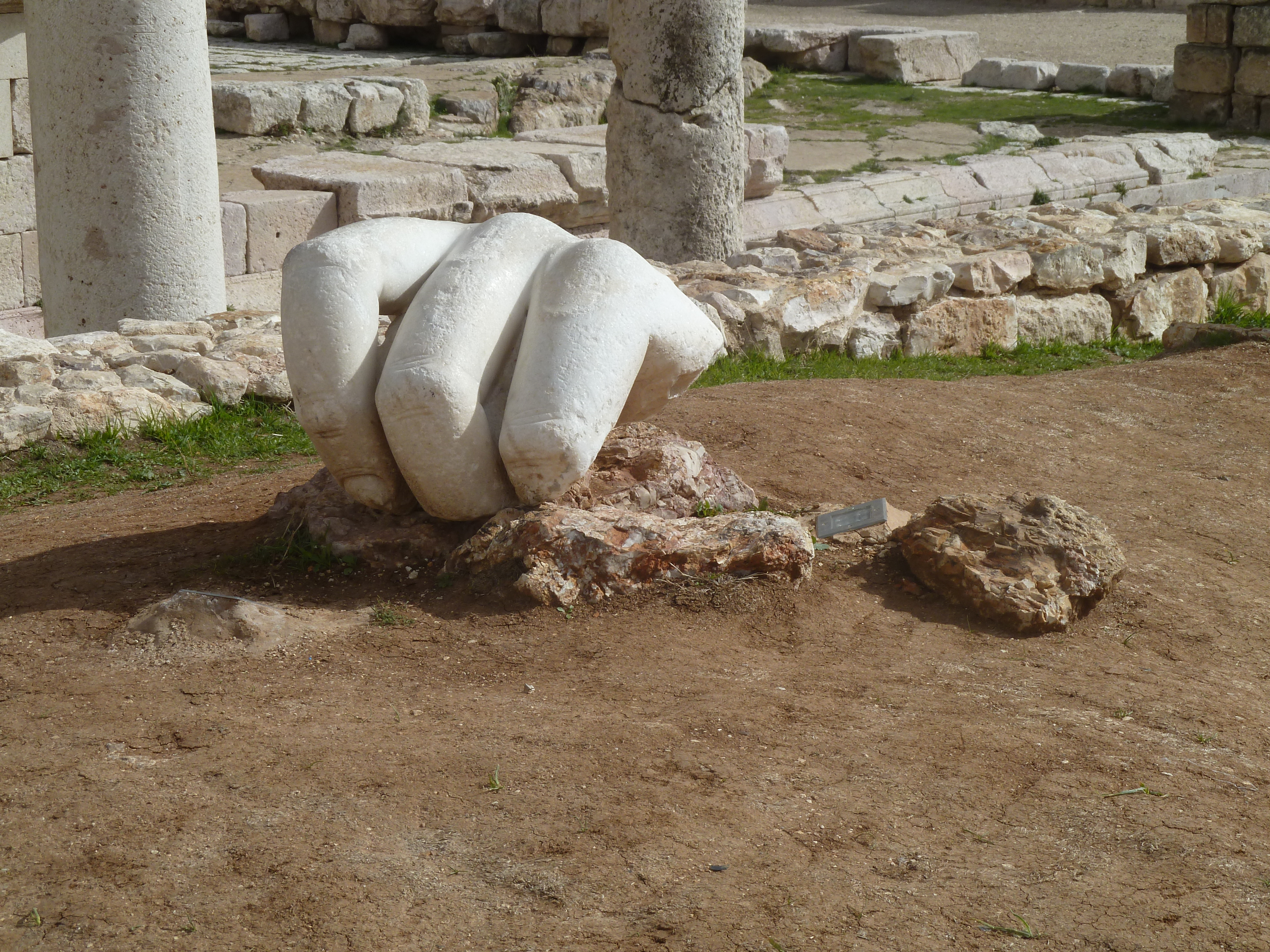
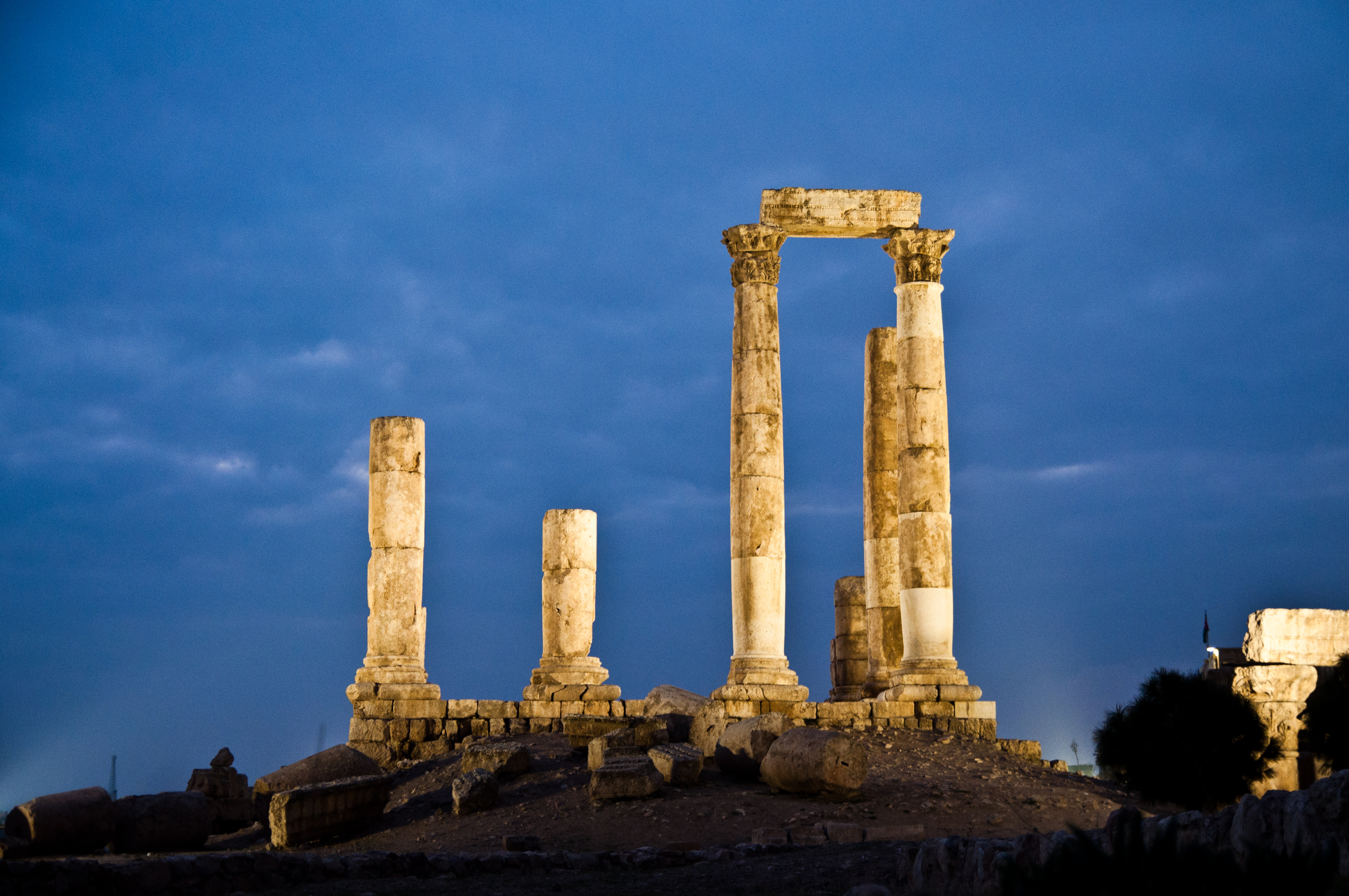
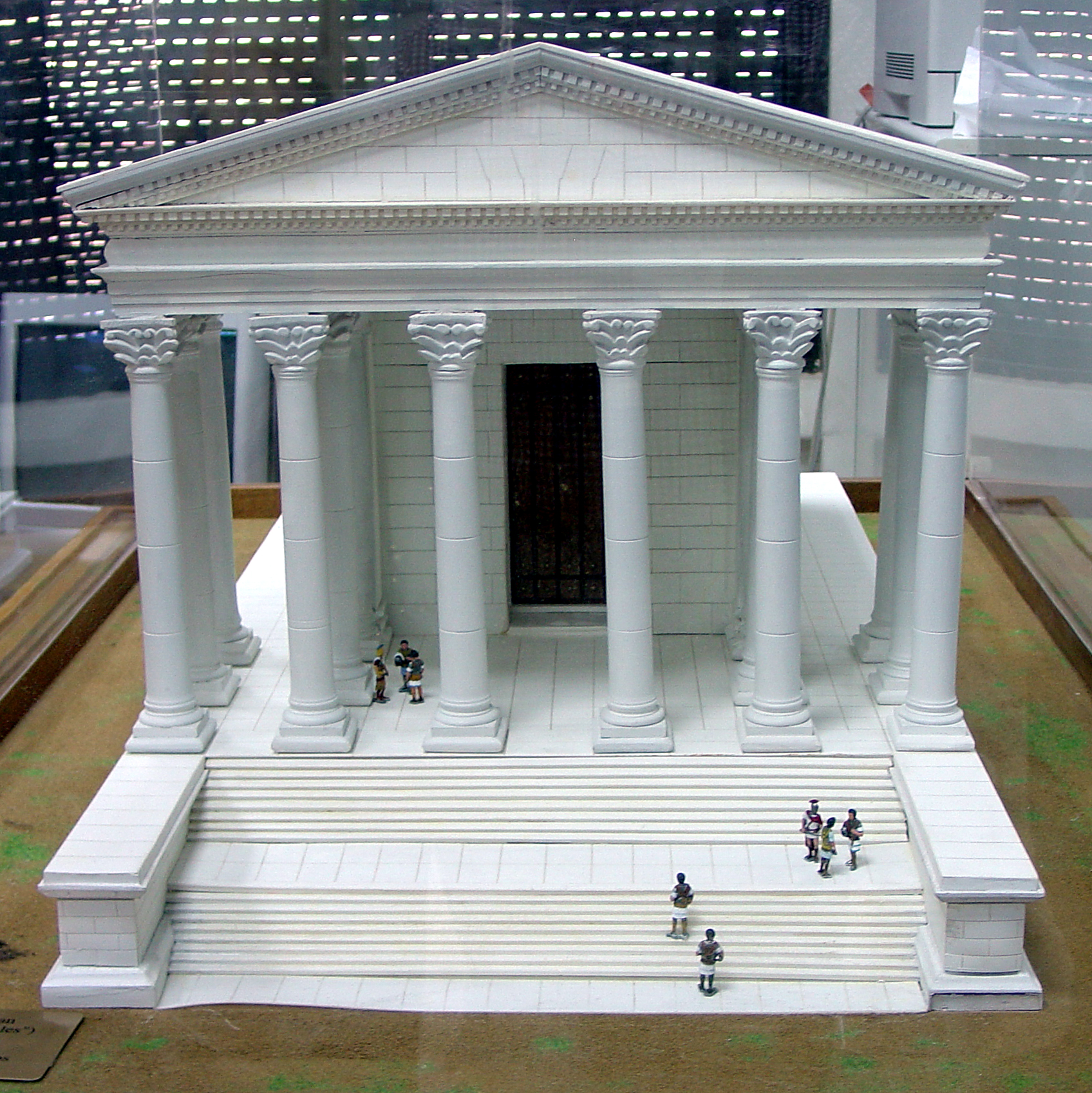
The Temple of Hercules, located in the Amman Citadel of Jordan, is a significant Roman archaeological site dating back to the 2nd century CE. Constructed during the governorship of Geminius Marcianus, it is recognized for its massive unfinished structure, marked by a portico with six towering columns. The temple's construction may have been halted, as indicated by the lack of additional columns and the nearby use of marble for a Byzantine church. One of its most notable features is the presence of a colossal statue of Hercules, which once stood over 12 meters tall but was likely destroyed by an earthquake. Today, only fragments of the statue, including three fingers and an elbow, remain, offering a glimpse into the grandeur of Roman artistry and architecture.
Gallery
Explore photographs of ancient structures, artifacts, and archaeological excavations
Historical Timeline
Journey through time and discover key events in this site's history
Statue Destruction
2nd century CE
Construction of Temple
162 CE
Archaeological Features
Unique architectural and cultural elements found at this historical site
Religious and Ritual Structures
Artistic and Decorative Features
Frequently Asked Questions
Plan Your Visit
Tours, travel arrangements, and practical information

More Sites in Jordan
Tall Damiyah
Iron Age mound with unique artifacts
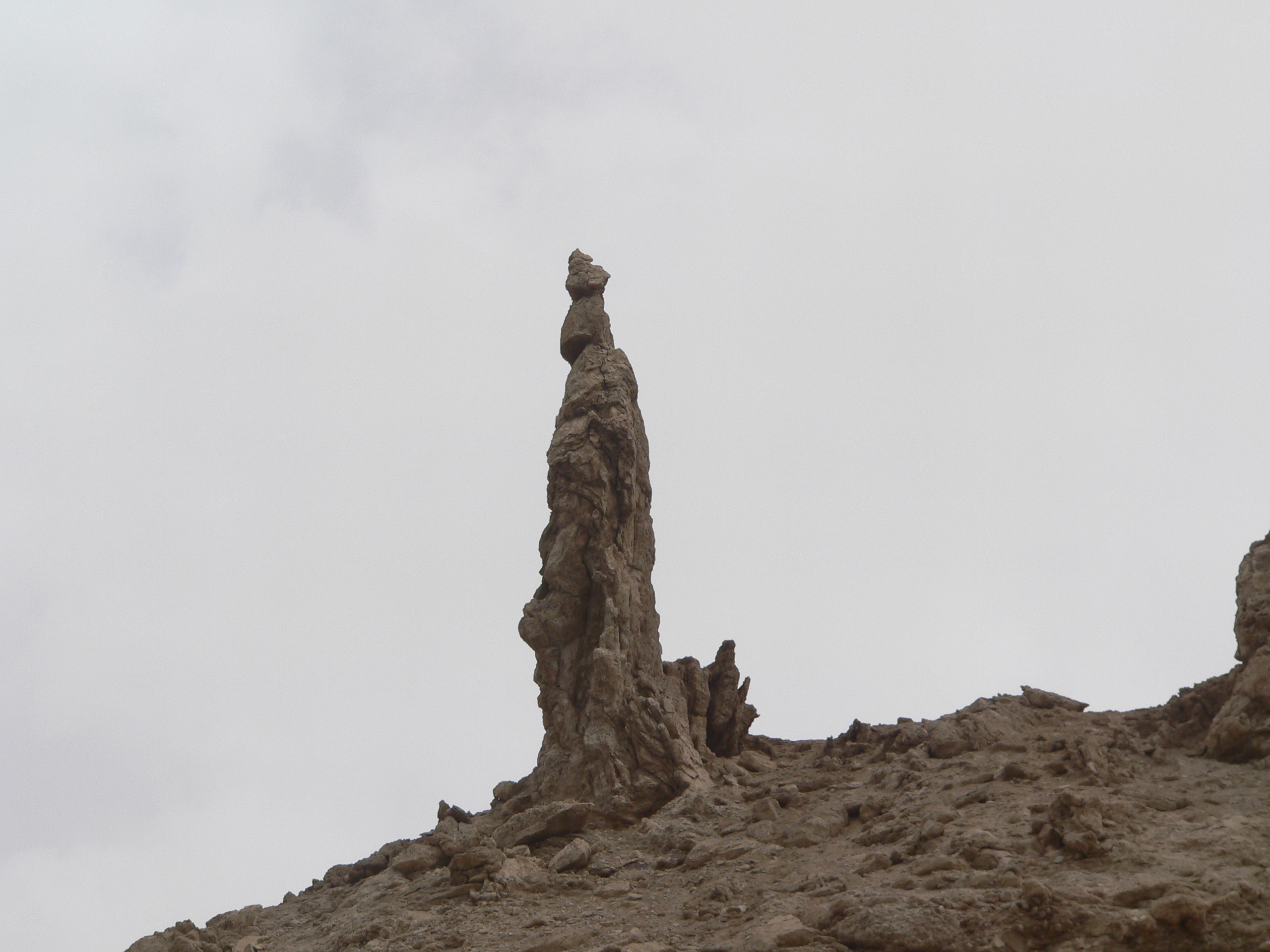
Monastery of St Lot
Byzantine monastery with Bronze Age cave
Tall al-Umayri
Archaeological site with temple and farms
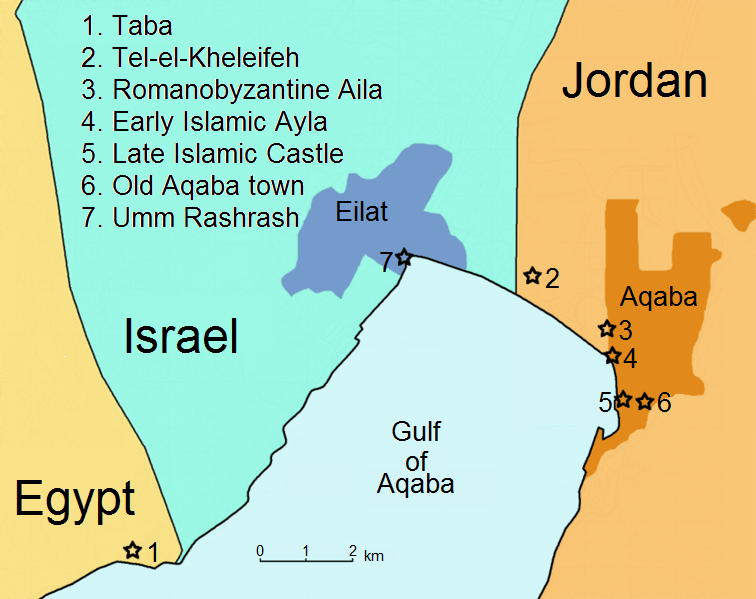
Tell el-Kheleifeh
Ancient fortified settlement with phased occupation.
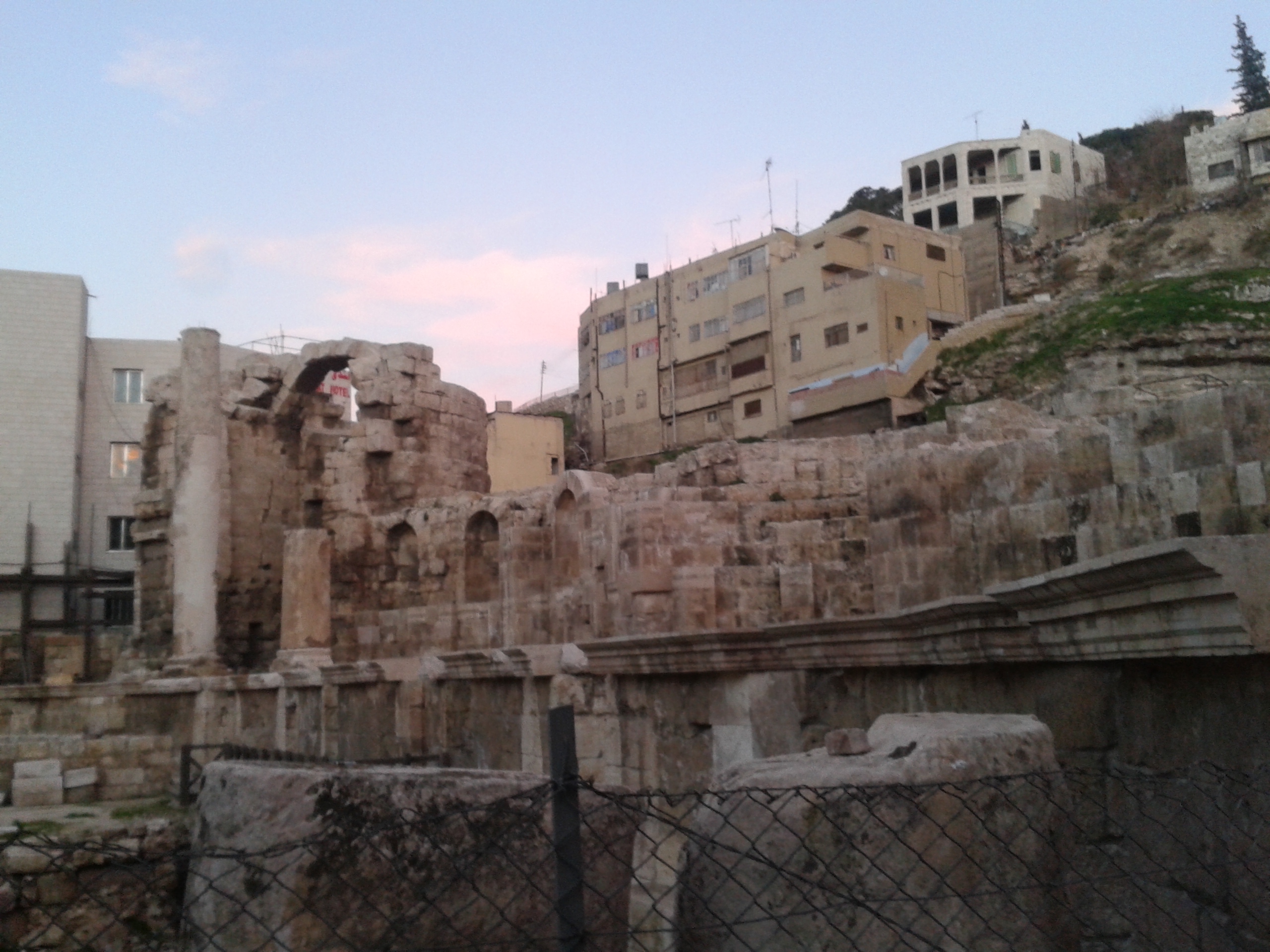
Nymphaeum (Amman)
Partially preserved Roman public fountain.
Synagogue-Church at Gerasa
Byzantine synagogue converted to church