Explore the Map
Machaerus
31.5672° N, 35.6242° E
About
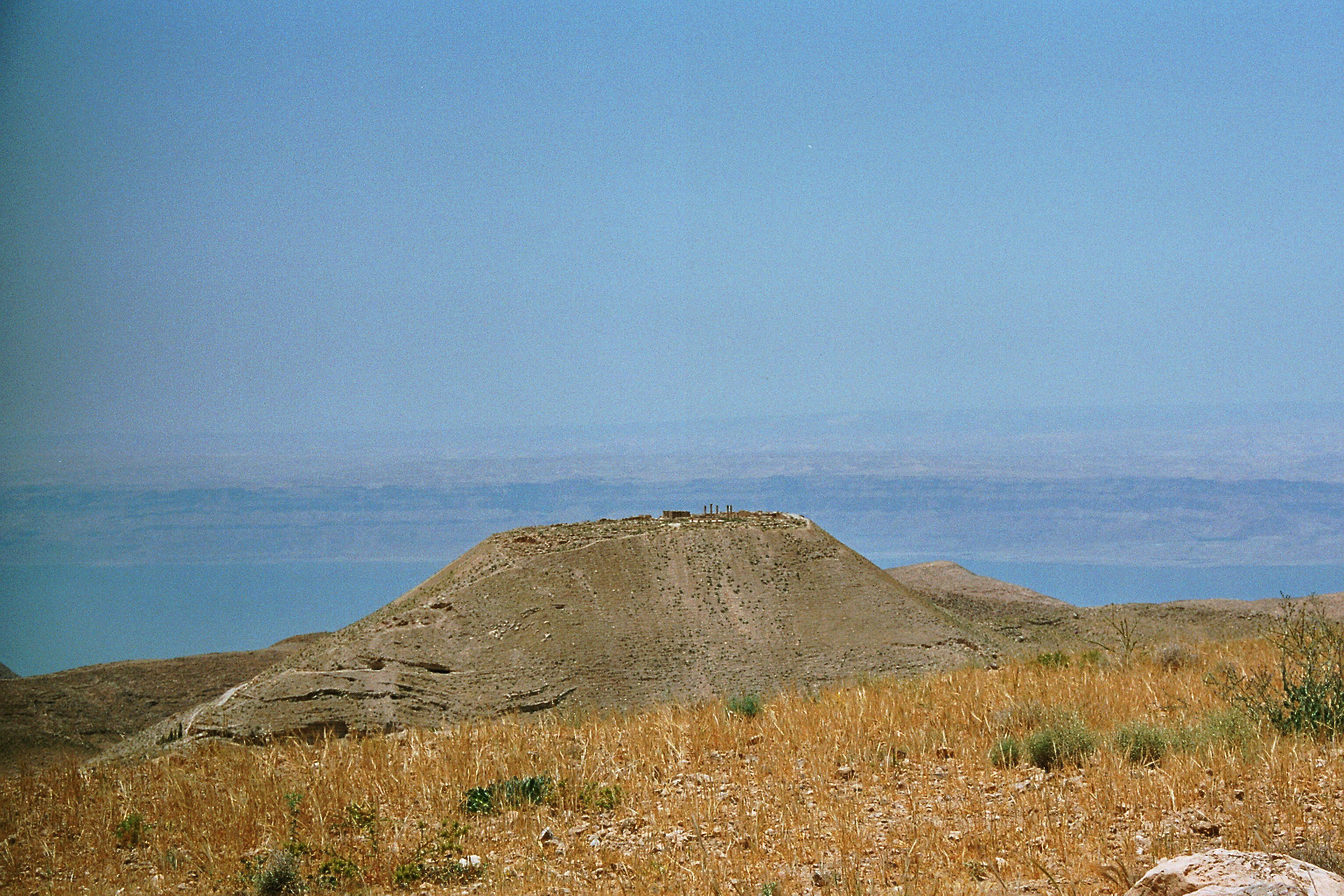
Machaerus is an archaeological site located in modern-day Jordan, known as a Hasmonean hilltop palace and desert fortress. Originally constructed by Hasmonean king Alexander Jannaeus around 90 BCE, it later faced destruction by Roman forces under Gabinius in 57 BCE. Herod the Great rebuilt and expanded the site in 30 BCE, adding a palace, defensive structures, and water management features such as cisterns and aqueducts. Machaerus gained historical significance as the location where John the Baptist was imprisoned and executed around 30 CE. During the First Jewish-Roman War, it became a locus of Jewish resistance against Roman rule before its eventual surrender and destruction in 71 CE. The site provides crucial insights into Hasmonean, Herodian, and early Roman influences in the region.
Gallery
Explore photographs of ancient structures, artifacts, and archaeological excavations
Historical Timeline
Journey through time and discover key events in this site's history
Construction by Alexander Jannaeus
90 BCE
Destruction by Gabinius
57 BCE
Reconstruction by Herod the Great
30 BCE
Imprisonment of John the Baptist
30 CE
Jewish Revolt and Siege
71 CE
Archaeological Features
Unique architectural and cultural elements found at this historical site
Defensive Structures
Water Management Features
Artistic and Decorative Features
Domestic and Habitation Structures
Frequently Asked Questions
Plan Your Visit
Tours, travel arrangements, and practical information
More Sites in Jordan
Tell el-Kheleifeh
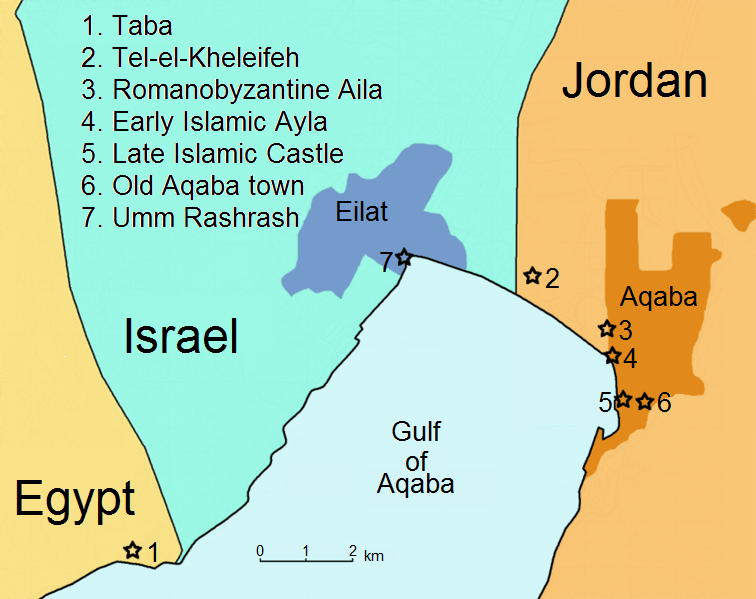
Ancient fortified settlement with phased occupation.
Khirbat Ataruz
Iron Age temple and settlement remains
Tall Damiyah
Iron Age mound with unique artifacts
Tall al-Umayri
Archaeological site with temple and farms
Tell el-Maqlub
Bronze and Iron Age fortified town site.
Nymphaeum (Amman)
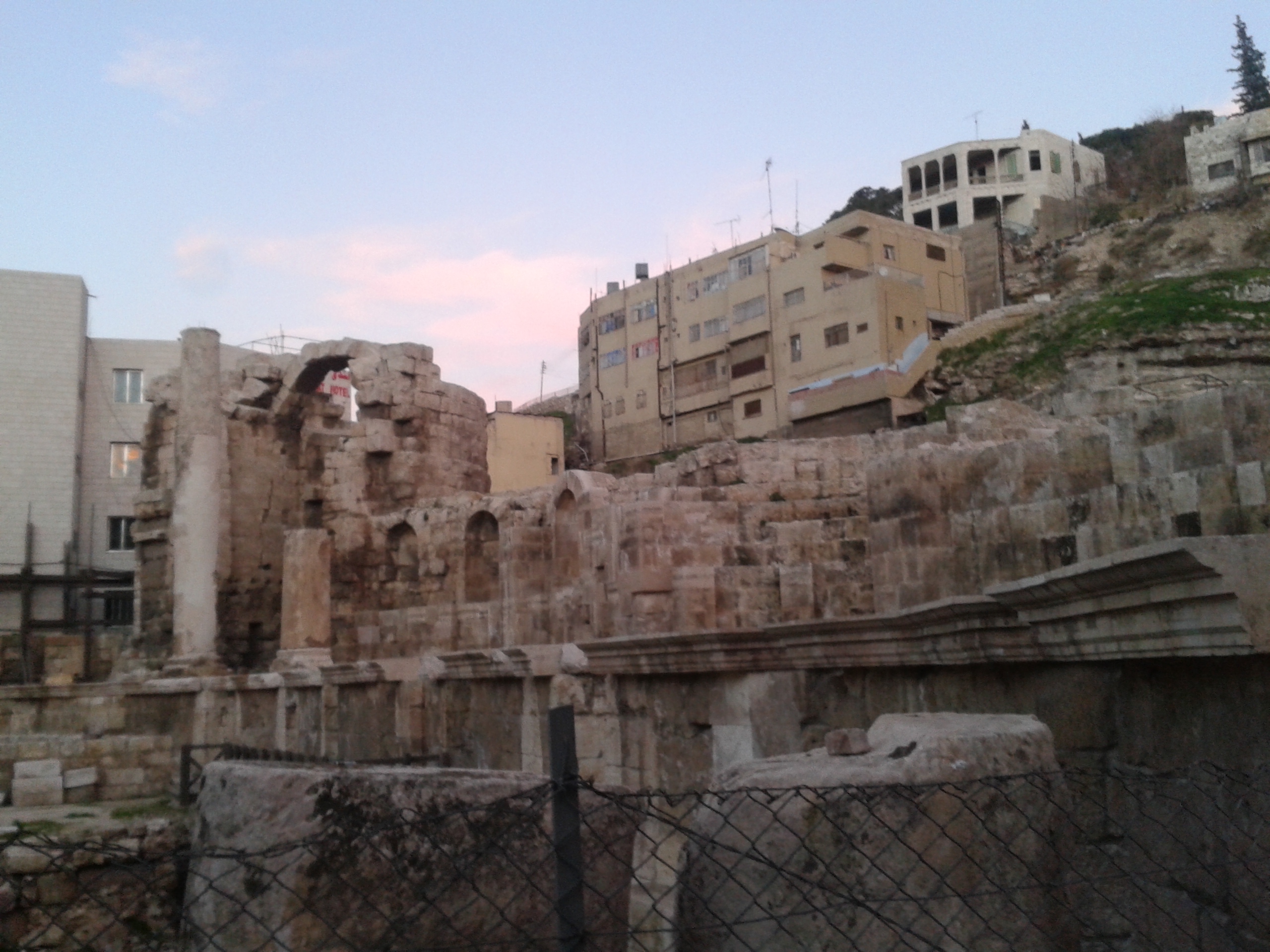
Partially preserved Roman public fountain.