Explore the Map
Jalul
31.7167° N, 35.8500° E
About
Tell Jalul is an expansive archaeological site located in northwestern Jordan, noted as the largest tell in the central Jordanian plateau. Spanning 18 acres, this oblong mound measures approximately 300 by 240 meters. Historically, it was a significant site during the Iron Age and continued to hold importance into the Early Classical Period. The site features remnants of habitation structures and water management systems, including cisterns. Furthermore, it houses burial structures such as tombs and sarcophagi, indicating its historical significance. The ruins, characterized by columns and large hewn stones, reflect the site's former opulence and strategic location. Although predominantly dated to the Iron Age, Tell Jalul provides valuable insights into ancient settlement patterns and socio-political dynamics in the region.
Historical Timeline
Journey through time and discover key events in this site's history
Early Iron Age occupation
1100 BCE
Middle Iron Age development
600 BCE
Early Classical Period decay
100 BCE
Archaeological Features
Unique architectural and cultural elements found at this historical site
Water Management Features
Burial and Funerary Structures
Religious and Ritual Structures
Domestic and Habitation Structures
Frequently Asked Questions
Plan Your Visit
Tours, travel arrangements, and practical information
More Sites in Jordan
Tall Damiyah
Iron Age mound with unique artifacts
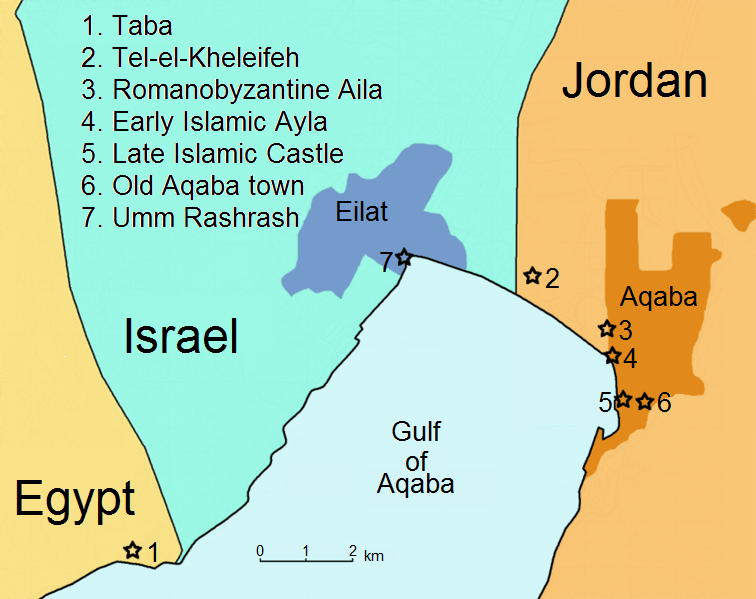
Tell el-Kheleifeh
Ancient fortified settlement with phased occupation.
Tall al-Umayri
Archaeological site with temple and farms
Tell el-Maqlub
Bronze and Iron Age fortified town site.
Khirbat Ataruz
Iron Age temple and settlement remains
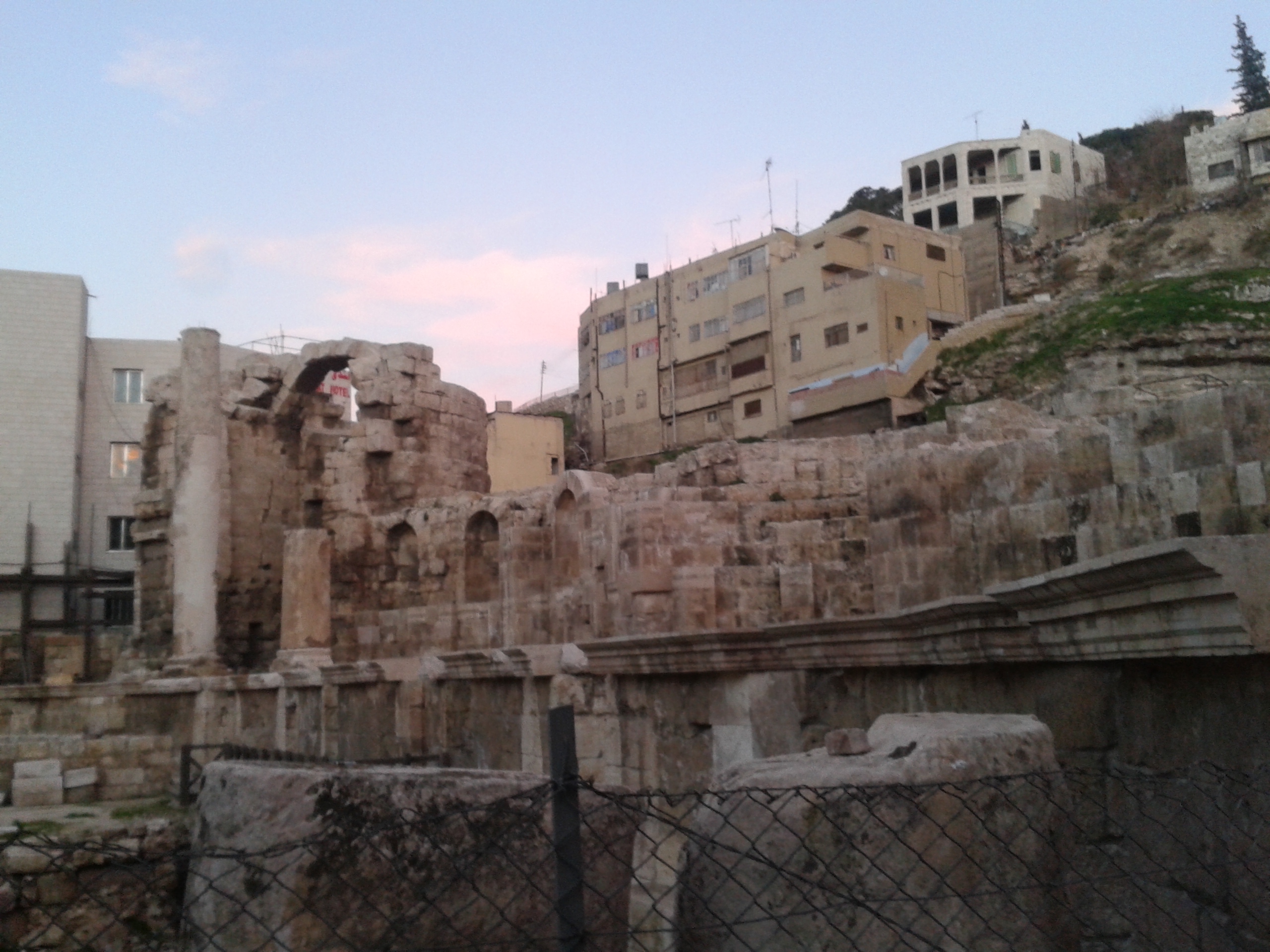
Nymphaeum (Amman)
Partially preserved Roman public fountain.