Explore the Map
Sawran (Kazakhstan)
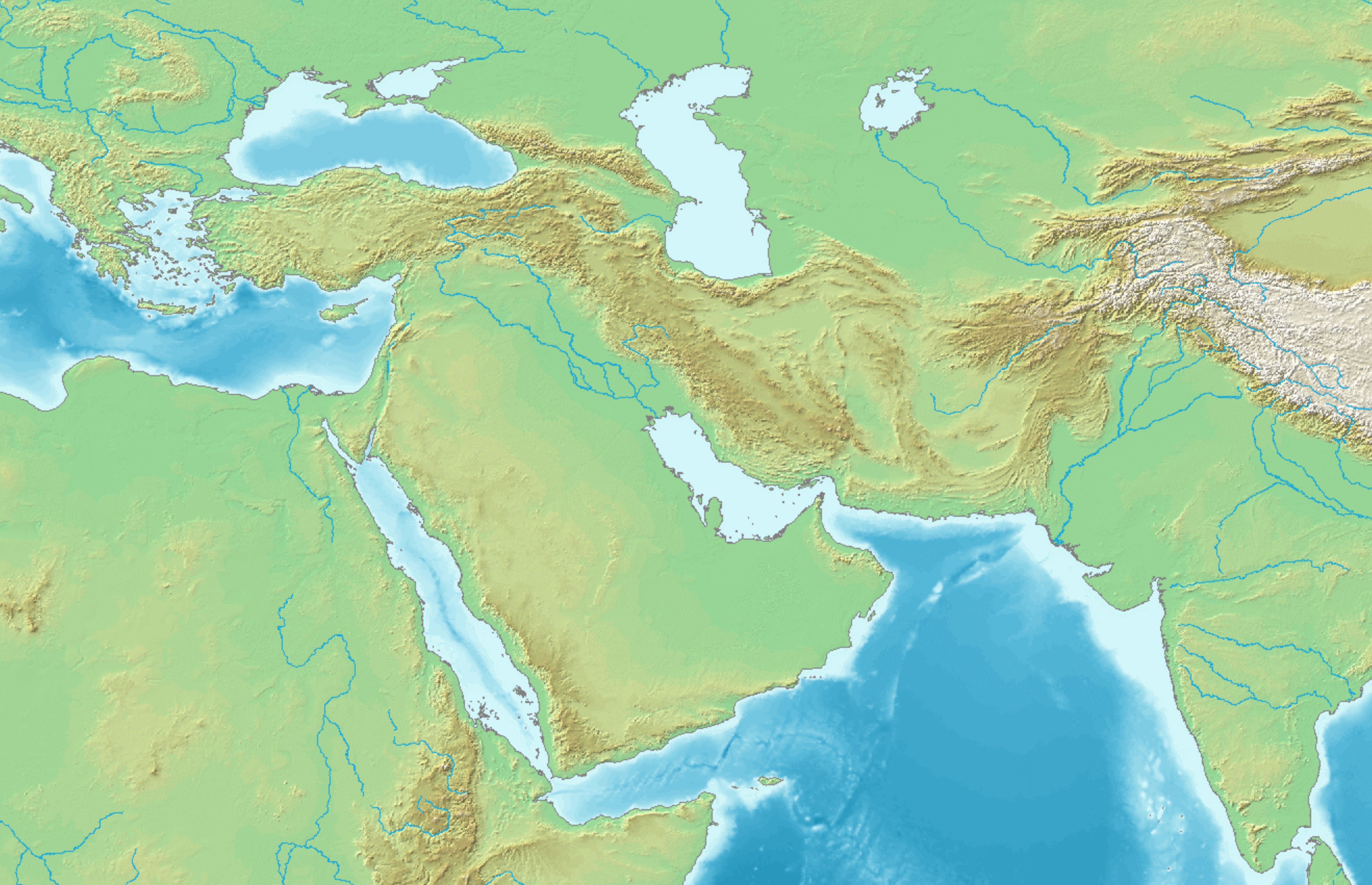
43.5153° N, 67.7686° E
About
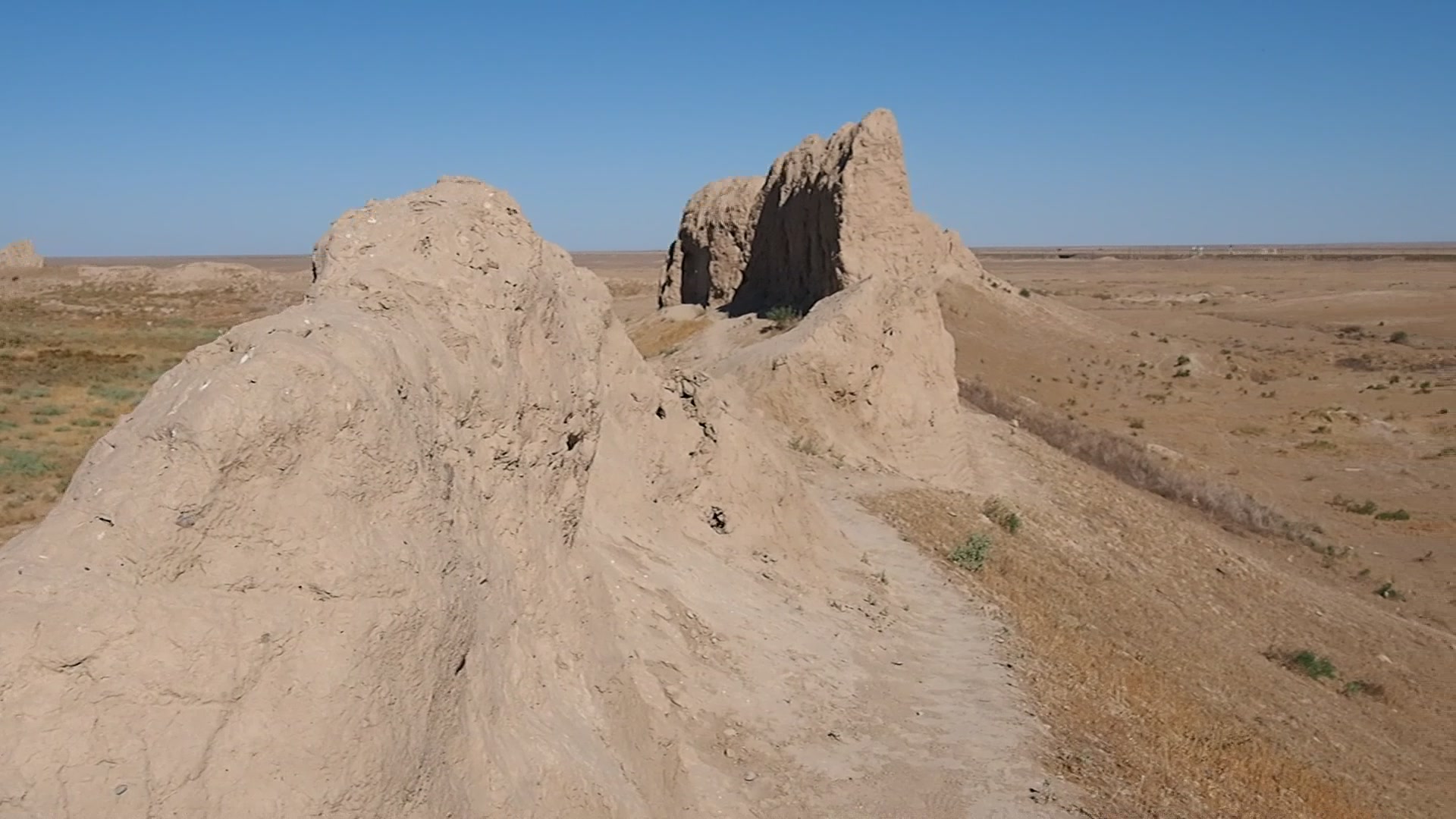
Sawran, an ancient city in southern Kazakhstan, is notable for its strategic location and historical significance. Described by Al-Muqaddasi in the 10th century as a large city encircled by seven defensive walls, it was a prominent urban center during the Post-Classical Period. The city submitted to the Seljuq dynasty in 1065, reflecting the shifting political landscape of Central Asia. Sawran played a crucial role in the late 14th century, supplying brick and tile for the construction of the Mausoleum of Khoja Ahmed Yasawi, under Amir Timur's patronage. By the 15th century, it had established diplomatic ties with the Ming dynasty. The poet Zayn al-Din Mahmud Vasifi's visit in the early 16th century highlights its advanced water management systems. However, the decline of the Silk Road led to its eventual downfall.
Gallery
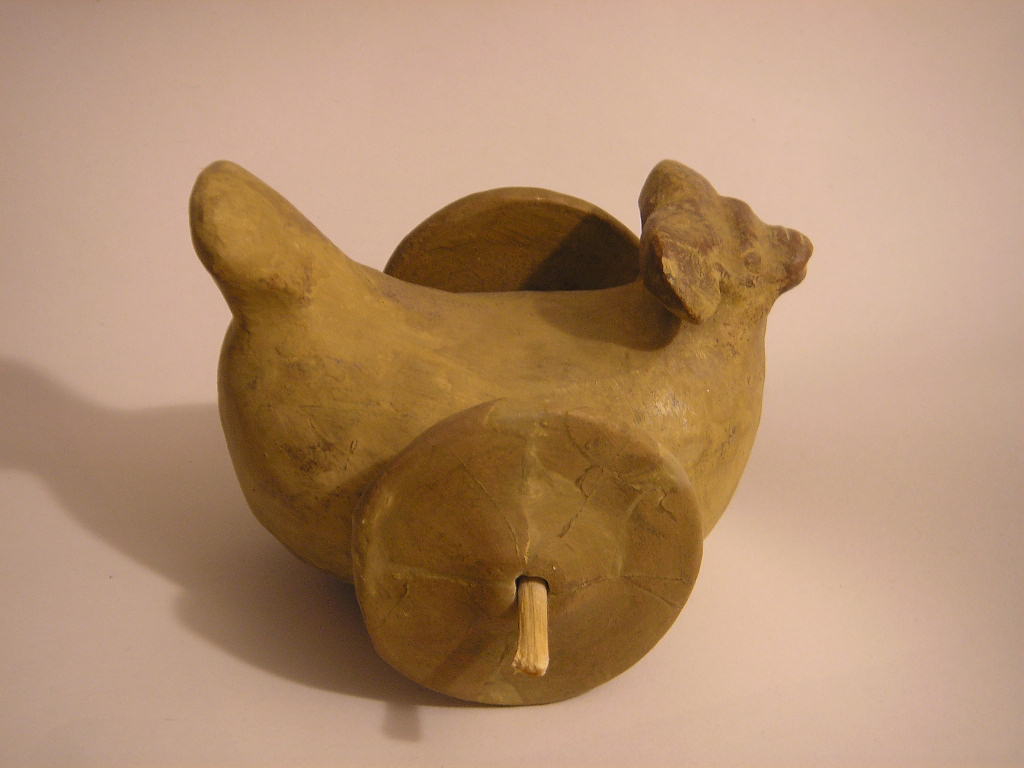
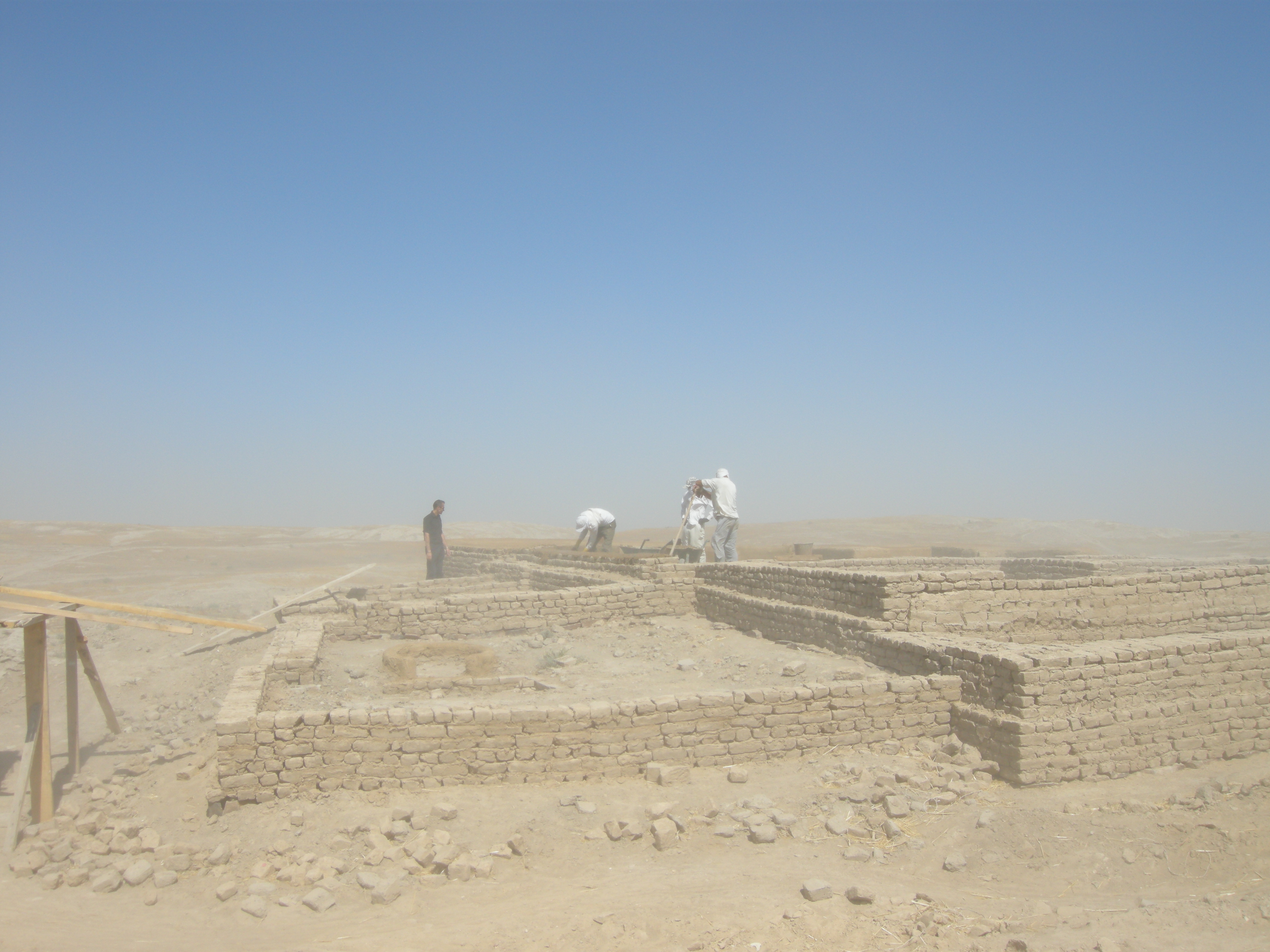
Explore photographs of ancient structures, artifacts, and archaeological excavations
Historical Timeline
Journey through time and discover key events in this site's history
10th century city description
10th century CE
1065 submission to Seljuq dynasty
1065 CE
1370s Timur's attempt to conquer
1370s CE
1389 Mausoleum construction
1389 CE
15th century Ming relations
15th century CE
1514-1515 Vasifi visit
1514 CE, 1515 CE
Archaeological Features
Unique architectural and cultural elements found at this historical site
Defensive Structures
Water Management Features
Religious and Ritual Structures
Domestic and Habitation Structures
Frequently Asked Questions
Plan Your Visit
Tours, travel arrangements, and practical information
More Sites in Kazakhstan
Otrar
Central Asian Silk Road city ruins
Kerderi
Abandoned settlements on former Aral Sea floor
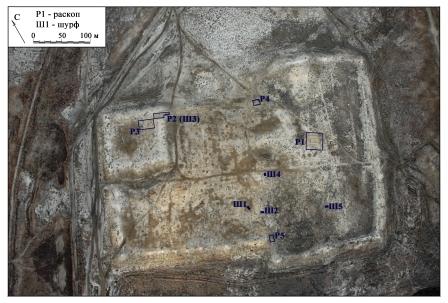
Jankent
Deserted ancient town with defensive structures.
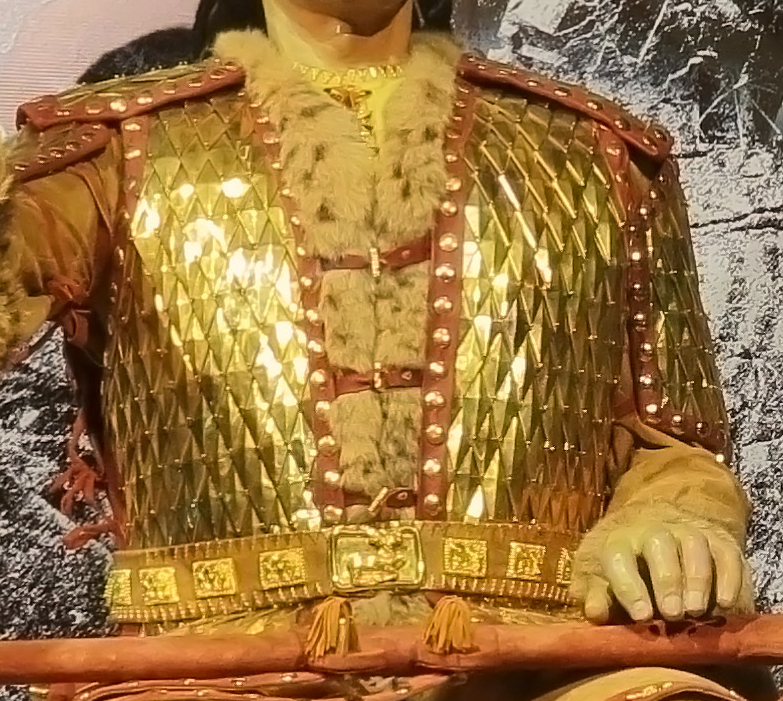
Araltobe kurgan
Sarmatian burial mound with gold objects
Krasnyi Yar (Kazakhstan)
Eneolithic Botai culture horse corral site.

Boralday (archaeological site)
Iron Age Saka burial mounds complex