Explore the Map
Otrar
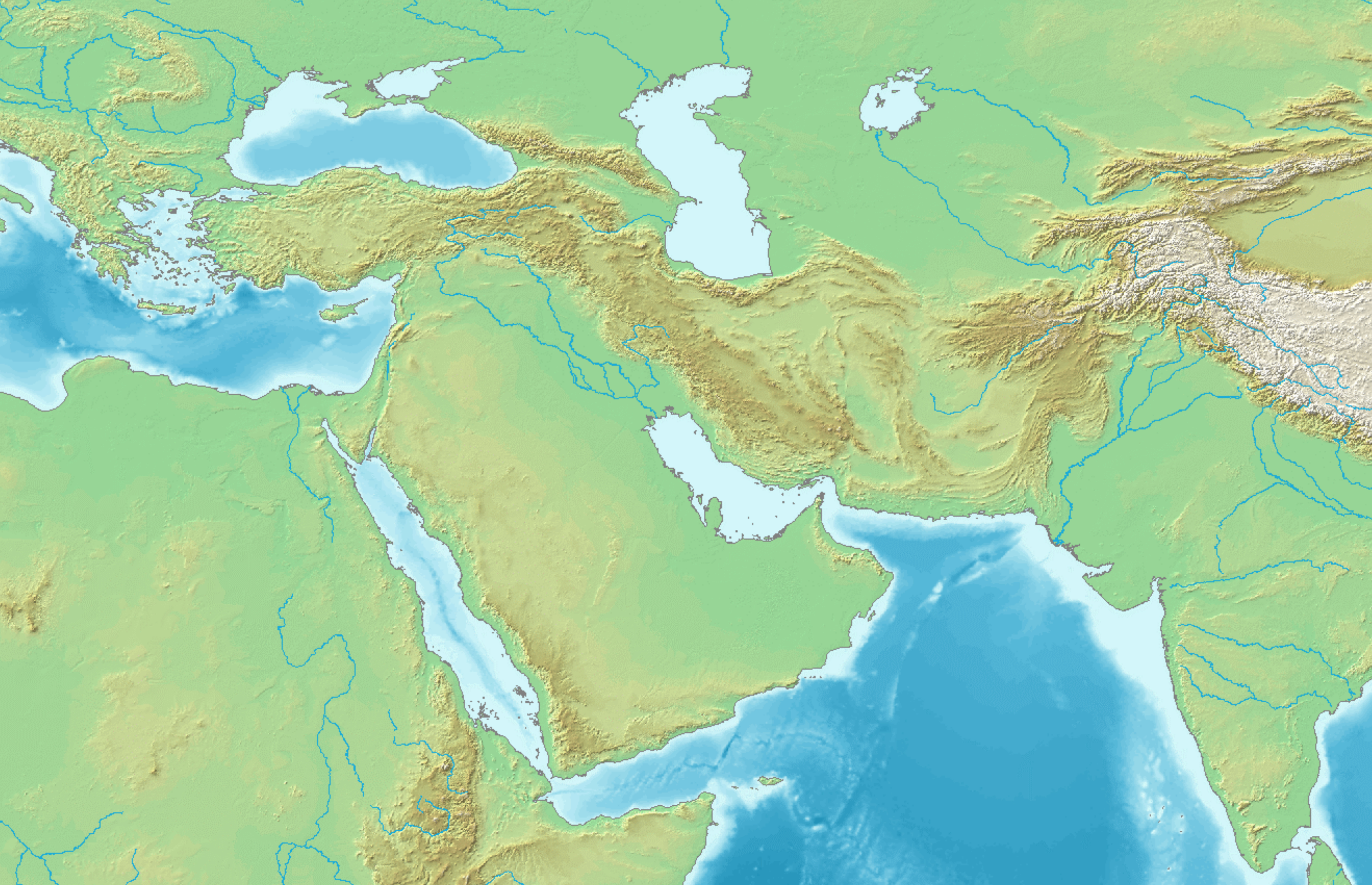
42.8525° N, 68.3028° E
About
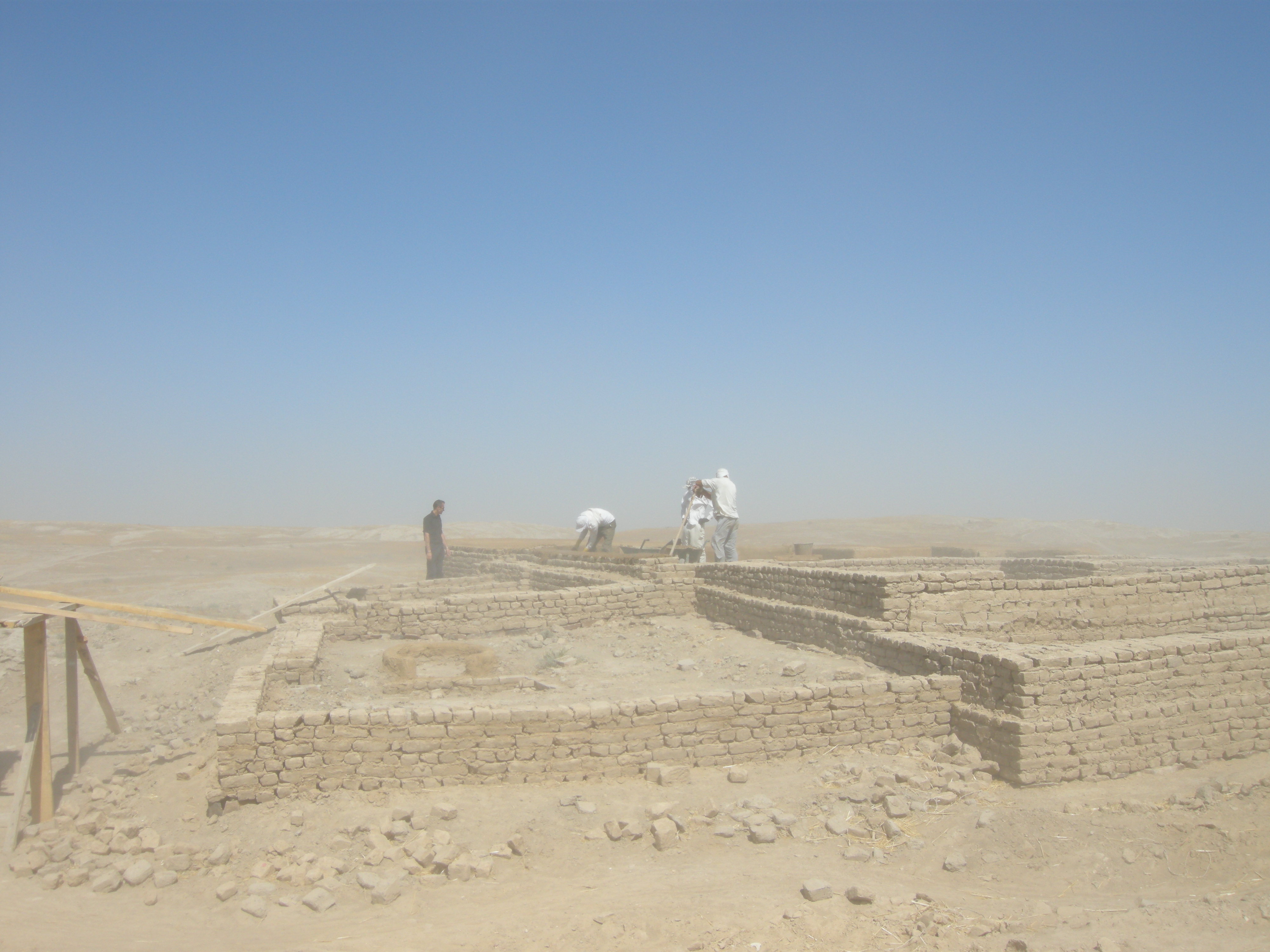
Otrar, also known as Otyrar or Farab, is a significant archaeological site located in Kazakhstan along the historic Silk Road. It was a thriving city and a key oasis in Central Asia, strategically positioned at the confluence of major trade routes. Otrar's history spans several centuries, from its time as part of the Kangju State in the 1st century BCE to its prominence in the Islamic world during the 9th century CE. The city experienced major events such as the Mongol siege in 1219 CE and Timur's death in 1405 CE. Archaeological findings reveal a sophisticated urban center with fortresses, irrigation systems, public baths, and production facilities. The decline of the Silk Road and regional conflicts led to its eventual abandonment in the 18th century. Otrar remains a vital site for understanding Central Asian history and trade dynamics.
Gallery
Explore photographs of ancient structures, artifacts, and archaeological excavations
Historical Timeline
Journey through time and discover key events in this site's history
Kangju State
1st century BCE
Kangu Tarban Rule
6th century CE
Islamic Influence
9th century CE
Mongol Siege
1219 CE
Timur's Death
1405 CE
Decline
18th century CE
Archaeological Features
Unique architectural and cultural elements found at this historical site
Storage Structures
Defensive Structures
Water Management Features
Public and Civic Structures
Industrial and Craft Structures
Domestic and Habitation Structures
Frequently Asked Questions
Plan Your Visit
Tours, travel arrangements, and practical information
More Sites in Kazakhstan
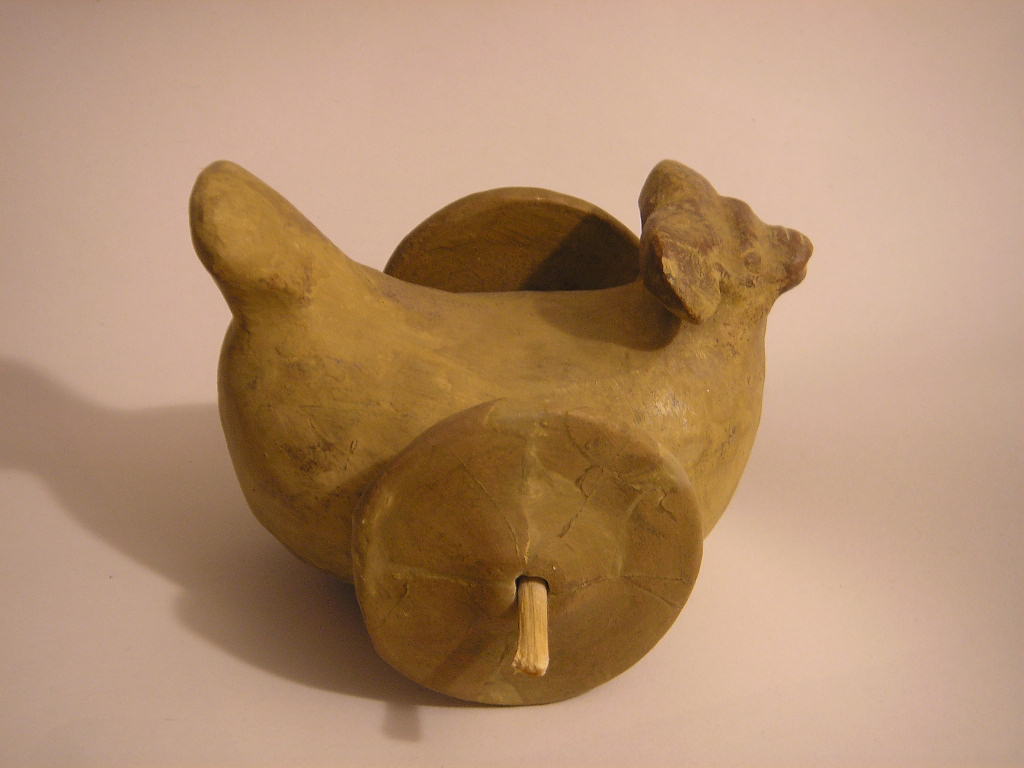
Sawran (Kazakhstan)
Ancient city with defensive walls
Kerderi
Abandoned settlements on former Aral Sea floor
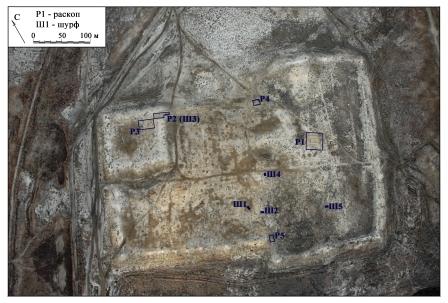
Jankent
Deserted ancient town with defensive structures.
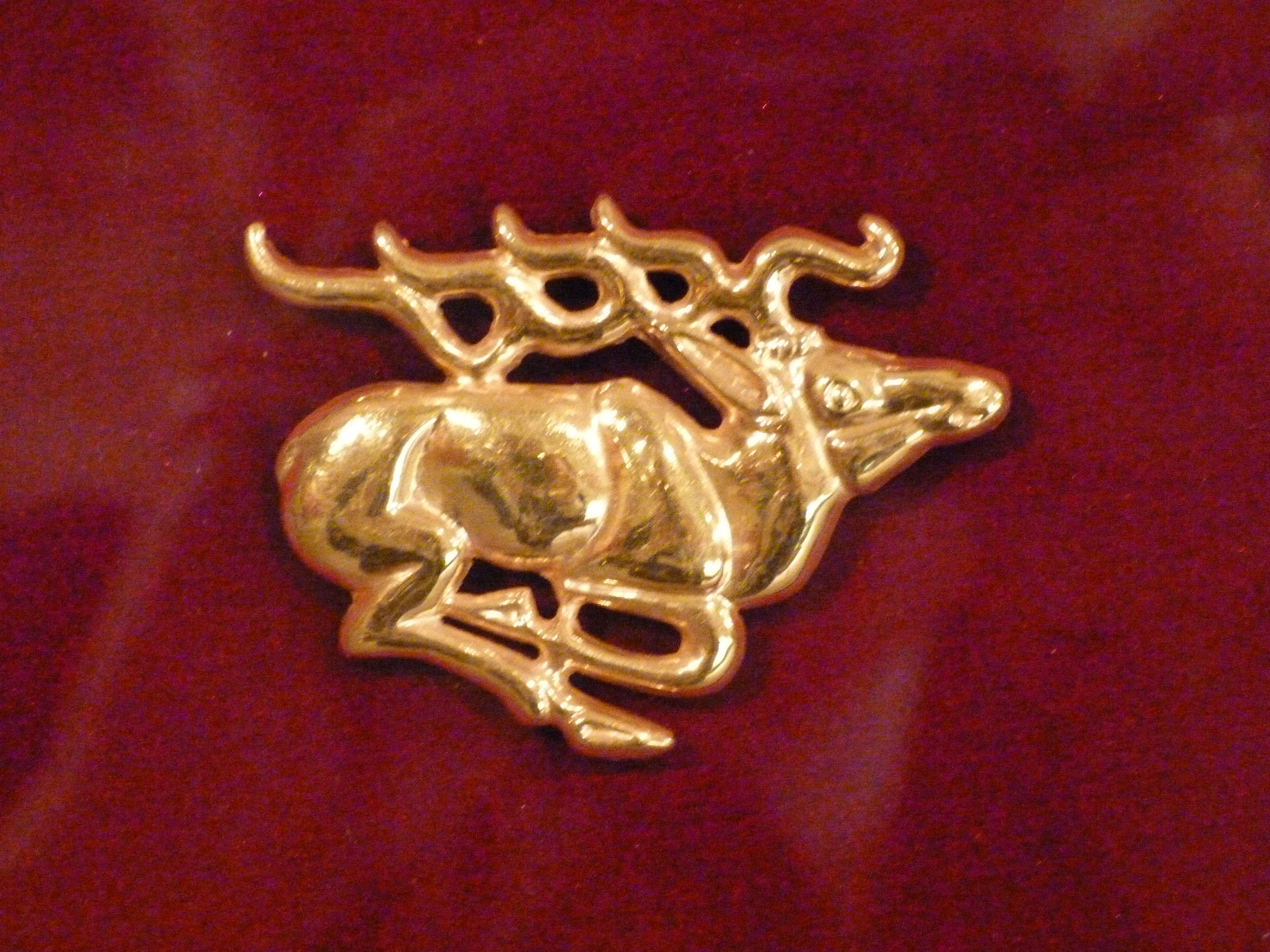
Shilikty
Early Saka kurgans with golden artifacts
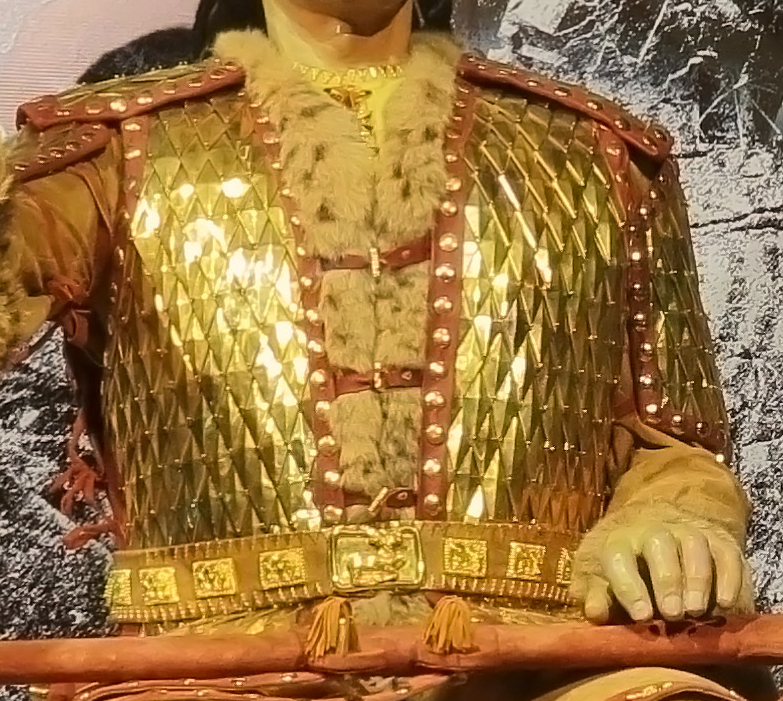
Araltobe kurgan
Sarmatian burial mound with gold objects

Dongtalede
Iron Age site with Scytho-Siberian artifacts