Explore the Map
Araltobe kurgan
47.1219° N, 54.7178° E
About
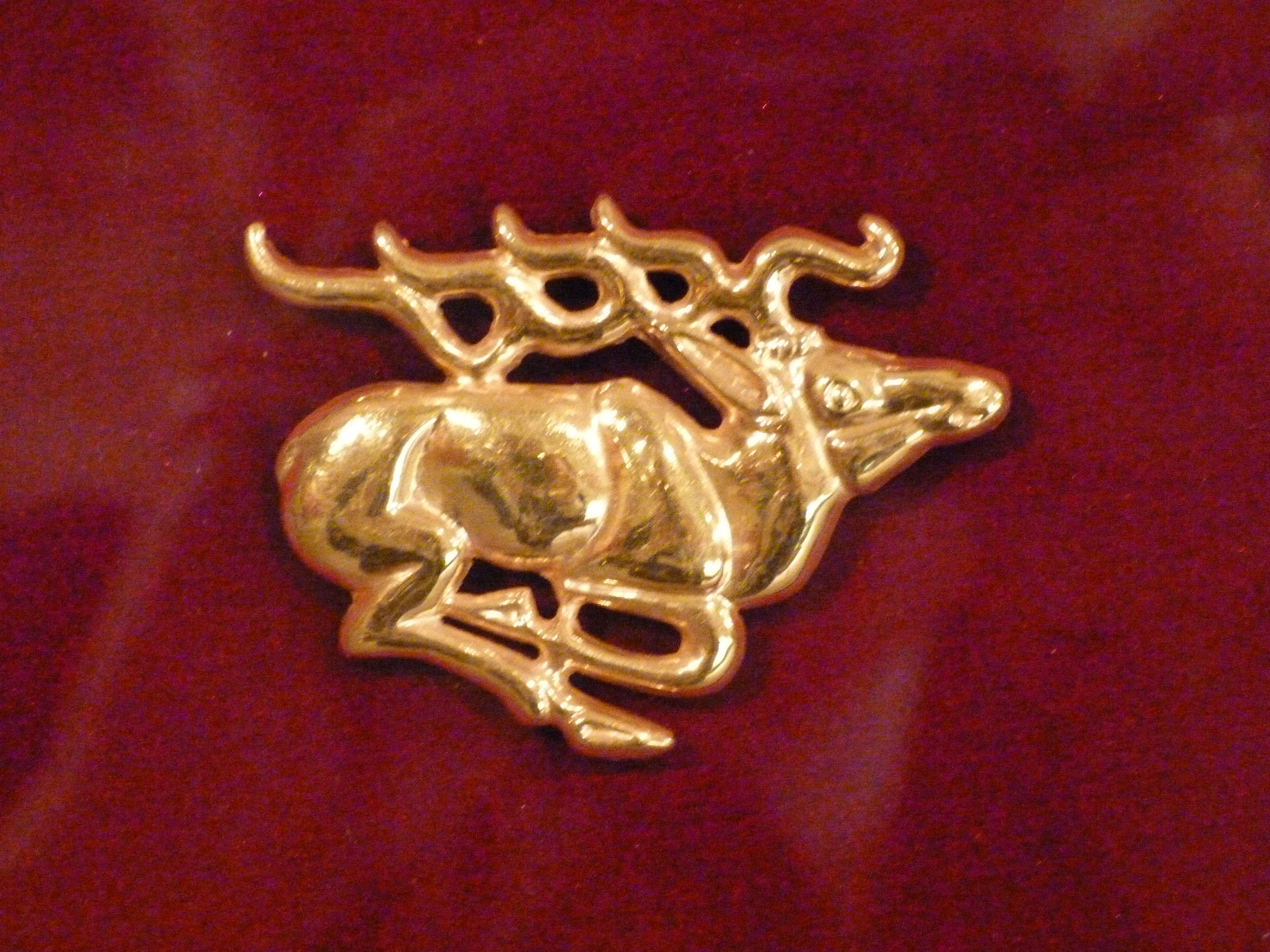
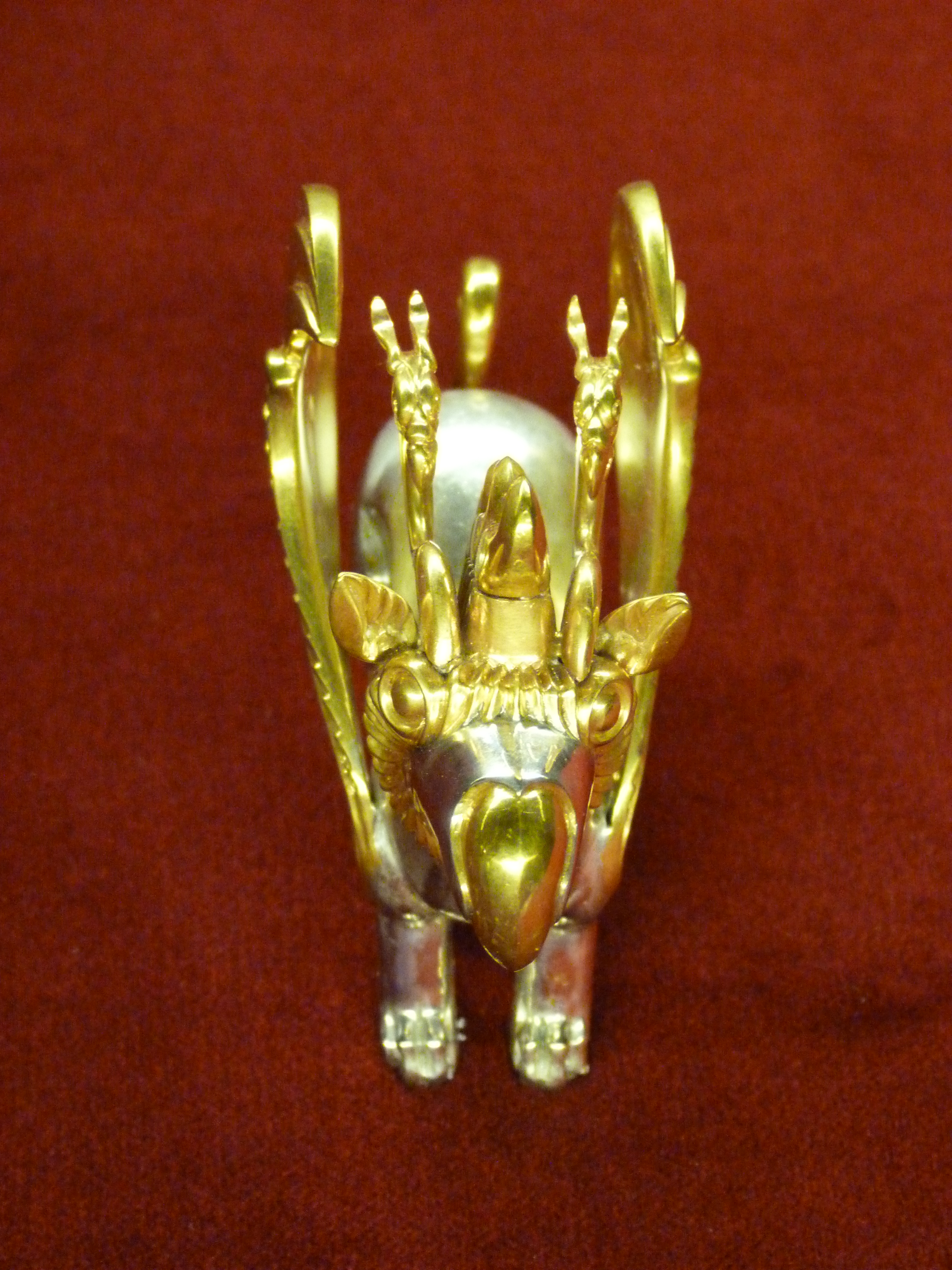
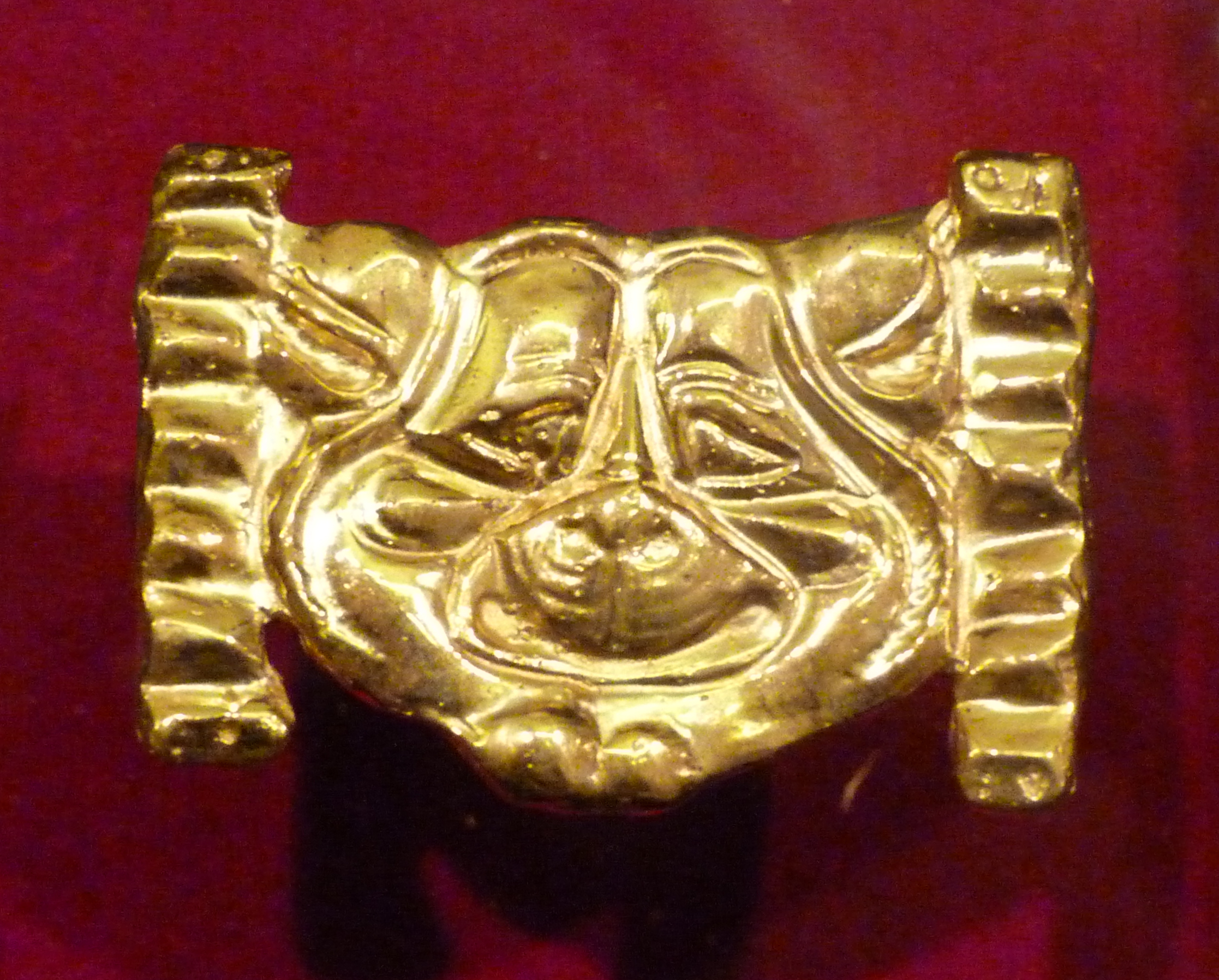
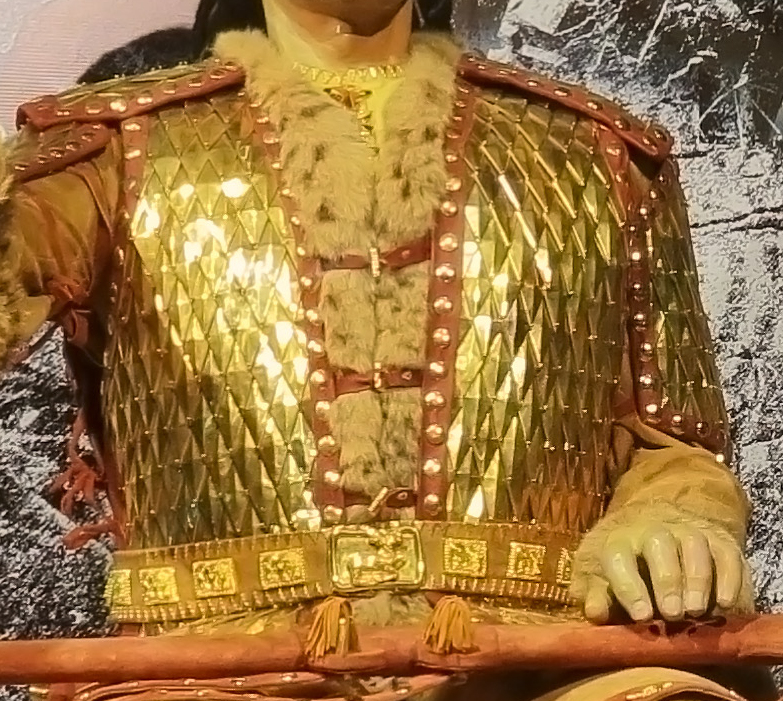
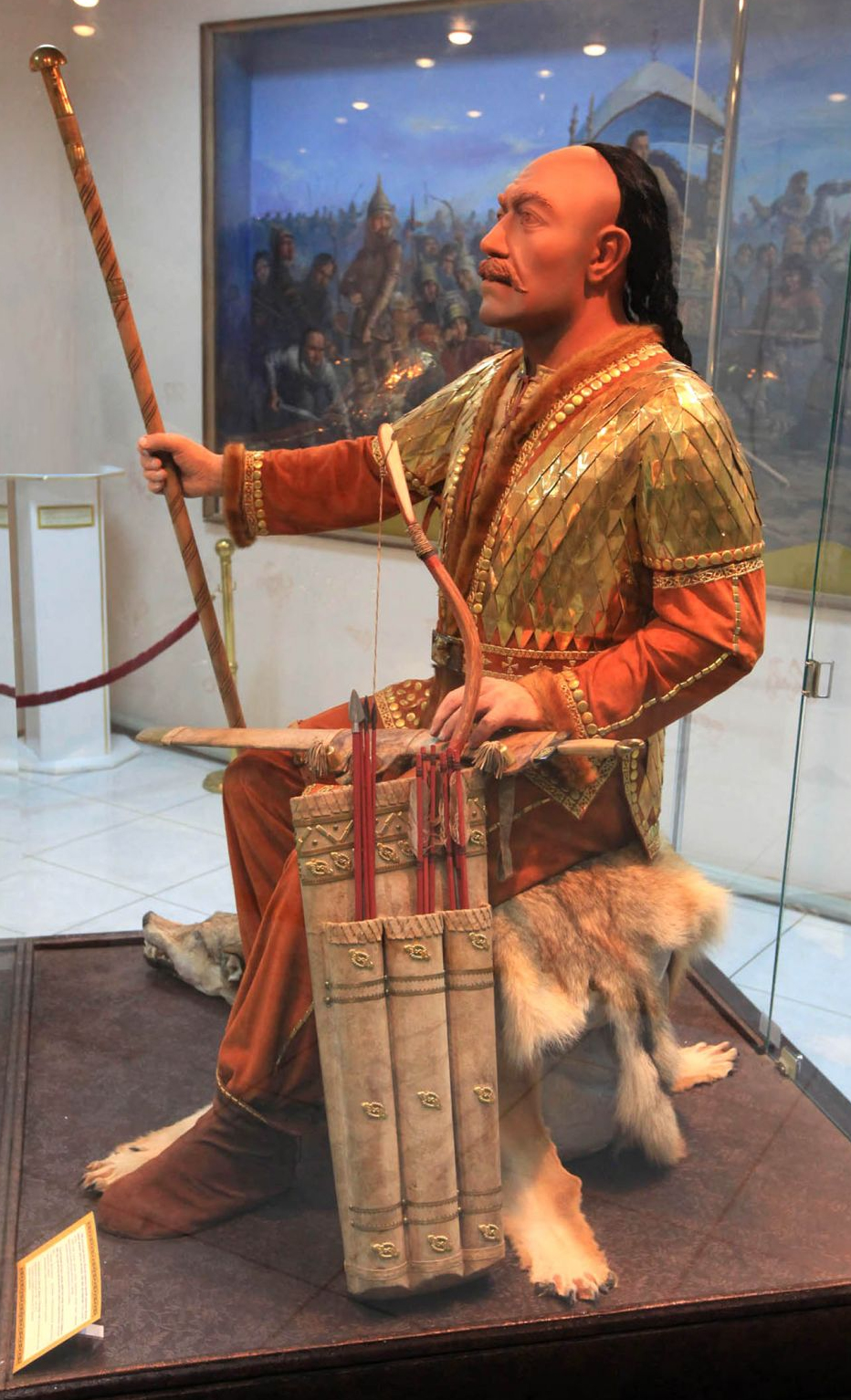
The Araltobe kurgan, located in northwestern Kazakhstan near Araltobe, Zhylyoi District, represents a significant archaeological site attributed to the post-Saka Sarmatian culture. Dating back to the 3rd-2nd century BCE, this burial mound contains the remains of a 'Golden Man', a title given due to the approximately 400 gold objects uncovered within the tomb. The site bears similarities to other notable kurgans in the region, such as those at Issyk and Shilikty, known for their rich burial offerings. Among the artifacts discovered were long swords with T-shaped and mushroom-shaped pommels, typical of Scythian and Saka weaponry, yet also found in Sauromatian contexts. This kurgan offers valuable insights into the cultural and artistic practices of the Sarmatians, reflecting their connections and interactions with neighboring cultures during the Iron Age.
Gallery
Explore photographs of ancient structures, artifacts, and archaeological excavations
Historical Timeline
Journey through time and discover key events in this site's history
Sarmatian burial construction
300 BCE - 100 BCE
Archaeological Features
Unique architectural and cultural elements found at this historical site
Burial and Funerary Structures
Frequently Asked Questions
Plan Your Visit
Tours, travel arrangements, and practical information