
Explore the Map
Dongtalede
46.3777° N, 87.8513° E
About
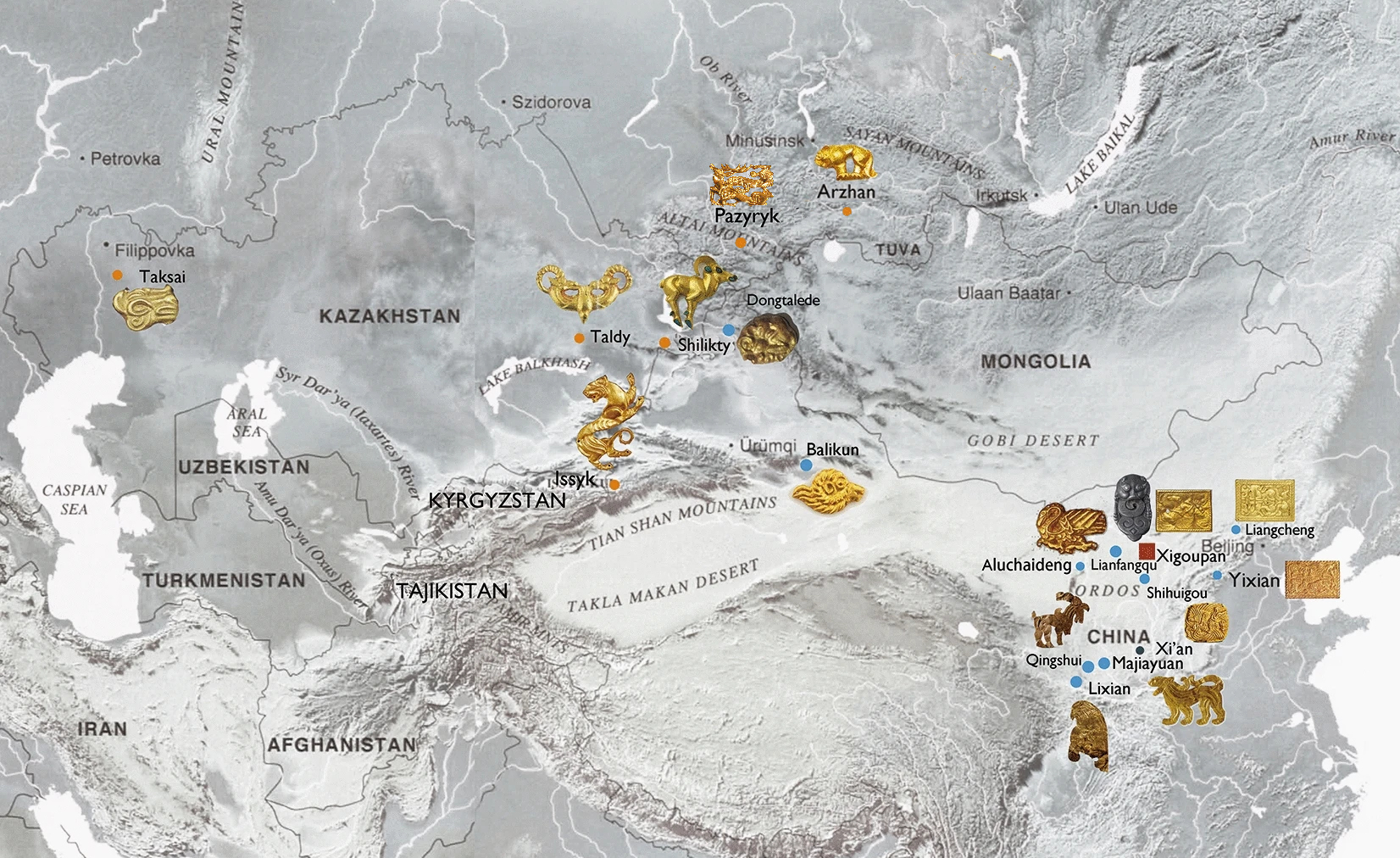
The Dongtalede site in Xinjiang is a crucial archaeological location dated to the 9th-7th century BCE, during the Early Iron Age. The site is notable for its artifacts reminiscent of Scytho-Siberian art, indicating a rich cultural exchange between Central Asia and Northwest China. These findings reveal the transfer of gold-crafting technology from the Central Asian steppes, showcasing early technological advancements in metalwork. The site provides invaluable insights into the communication networks that existed long before the Silk Road, linking China to the Mediterranean. These artifacts shed light on the artistic and technological influences that shaped early Chinese civilizations, demonstrating the mingling of cultures and the spread of innovation across vast regions.
Gallery
Explore photographs of ancient structures, artifacts, and archaeological excavations

Historical Timeline
Journey through time and discover key events in this site's history
Development of Gold-Crafting Technology
9th-7th century BCE
Archaeological Features
Unique architectural and cultural elements found at this historical site
Artistic and Decorative Features
Frequently Asked Questions
Plan Your Visit
Tours, travel arrangements, and practical information
More Sites in Kazakhstan

Eleke Sazy
6th-4th century BCE Saka kurgans

Araltobe kurgan
Sarmatian burial mound with gold objects
Taksai kurgans
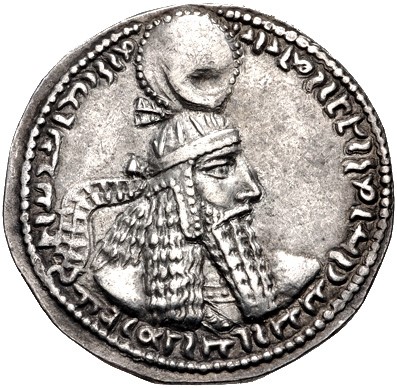
Ancient burial mounds of Saka elite

Berel kurgan
Early Saka kurgans with lavish horse burials
Issyk kurgan
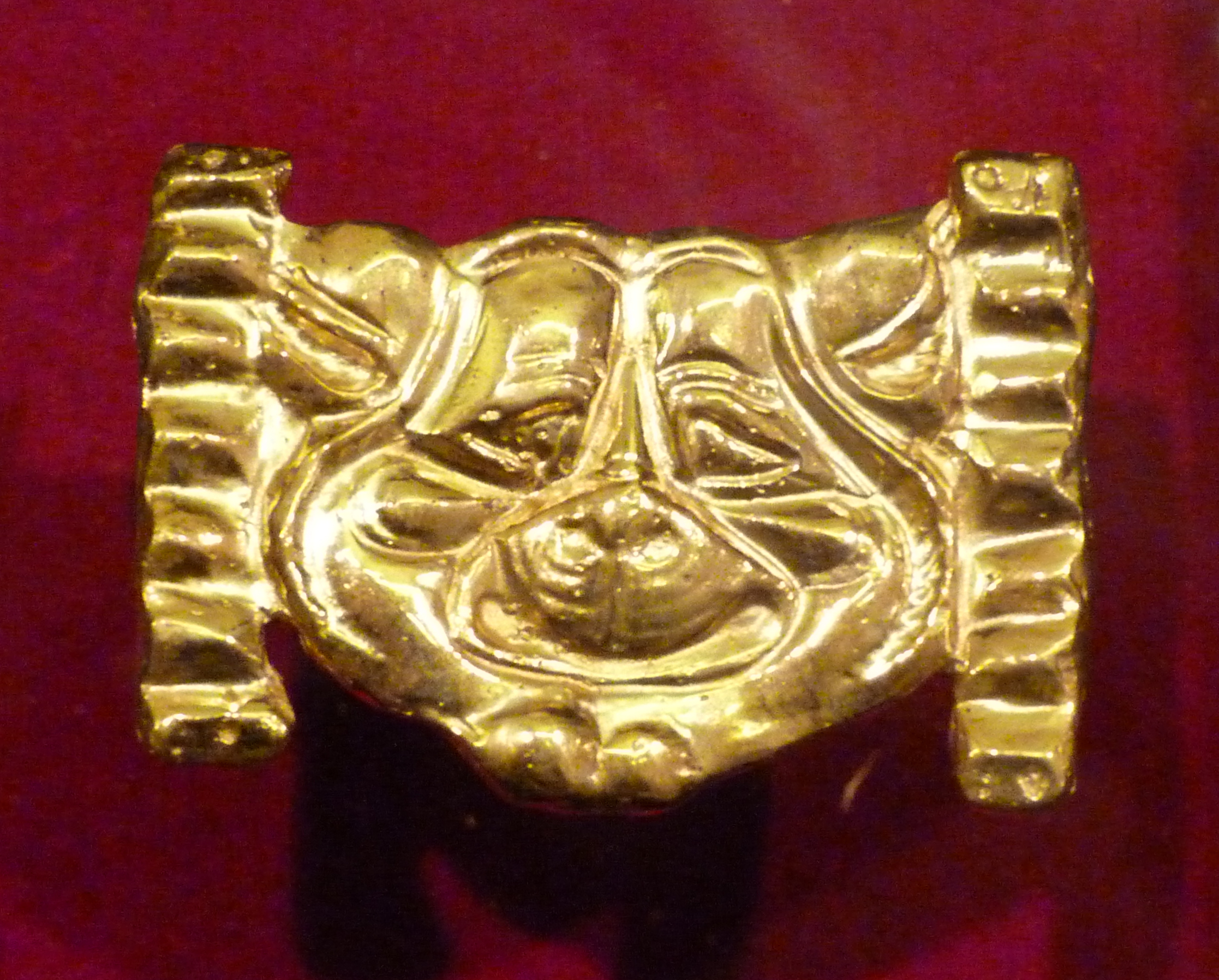
Large burial mound with rich artifacts

Boralday (archaeological site)
Iron Age Saka burial mounds complex