Explore the Map
Taksai kurgans
51.1966° N, 52.1769° E
About
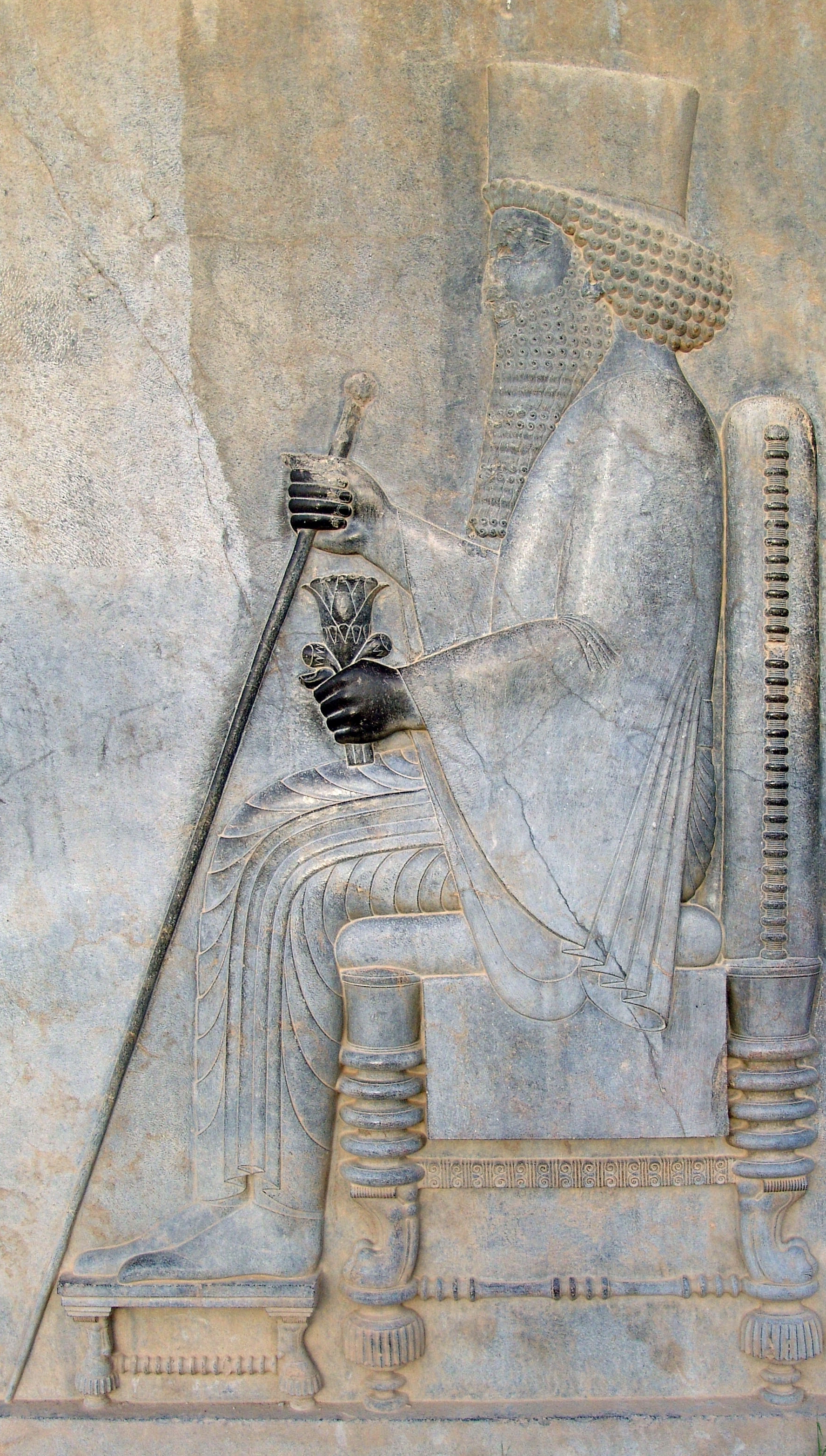
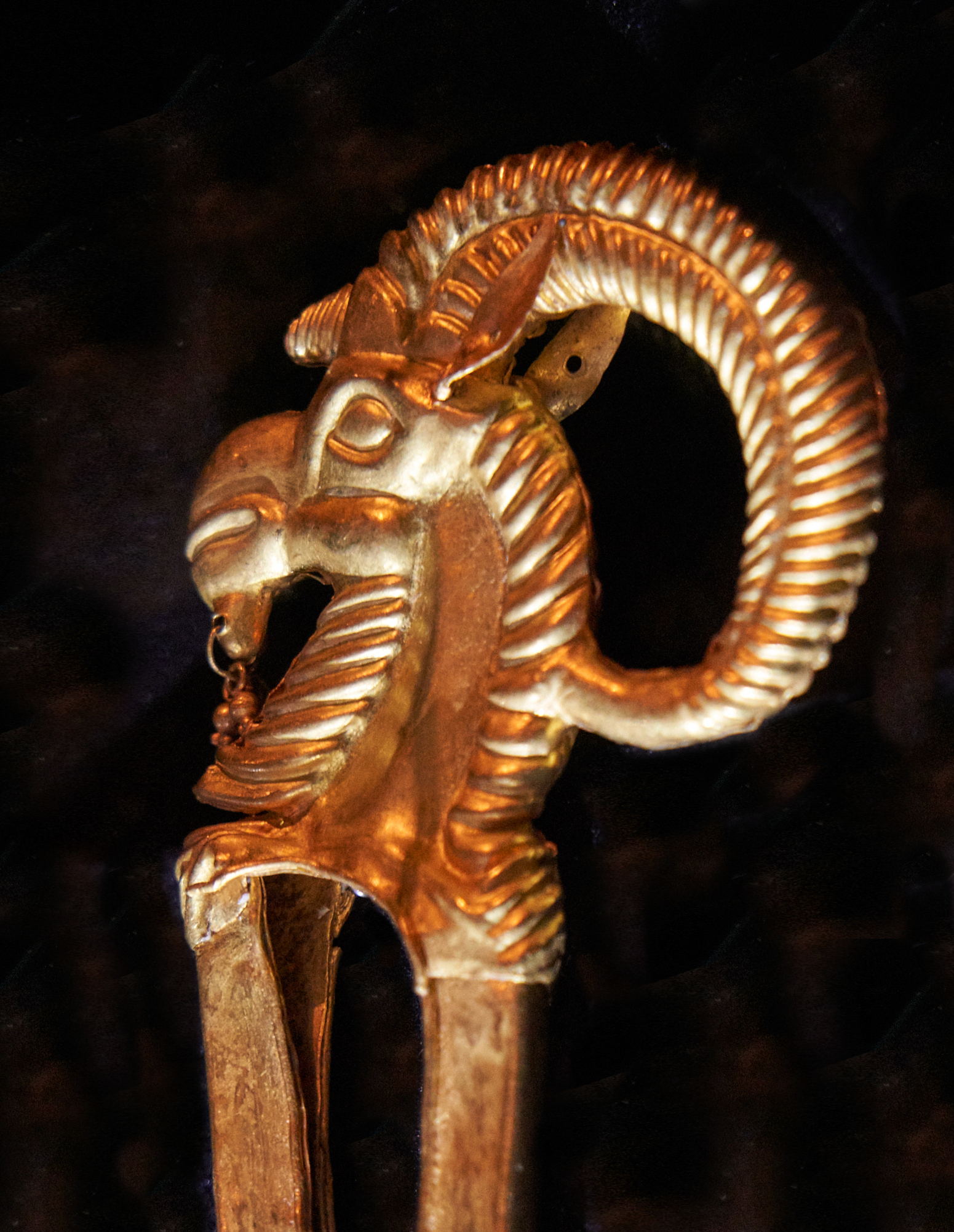
The Taksai kurgans are a series of undisturbed burial mounds located in the Terekti District of northwestern Kazakhstan, dating back to approximately 500 BCE. These kurgans, attributed to the nomadic Saka or Sauromatian cultures, are representative of the funerary practices of these ancient peoples. Among the most notable finds is the tomb of a wealthy Saka woman, referred to as the 'golden lady,' which contained numerous valuable artifacts. Some items from the site exhibit influences from the Achaemenid Empire, indicating possible cultural exchanges. The Taksai kurgans provide significant insights into the funerary customs and social hierarchy of the Saka people during the Middle Iron Age.
Gallery
Explore photographs of ancient structures, artifacts, and archaeological excavations
Historical Timeline
Journey through time and discover key events in this site's history
Saka Lady Burial
circa 500 BCE
Archaeological Features
Unique architectural and cultural elements found at this historical site
Burial and Funerary Structures
Frequently Asked Questions
Plan Your Visit
Tours, travel arrangements, and practical information
More Sites in Kazakhstan

Eleke Sazy
6th-4th century BCE Saka kurgans
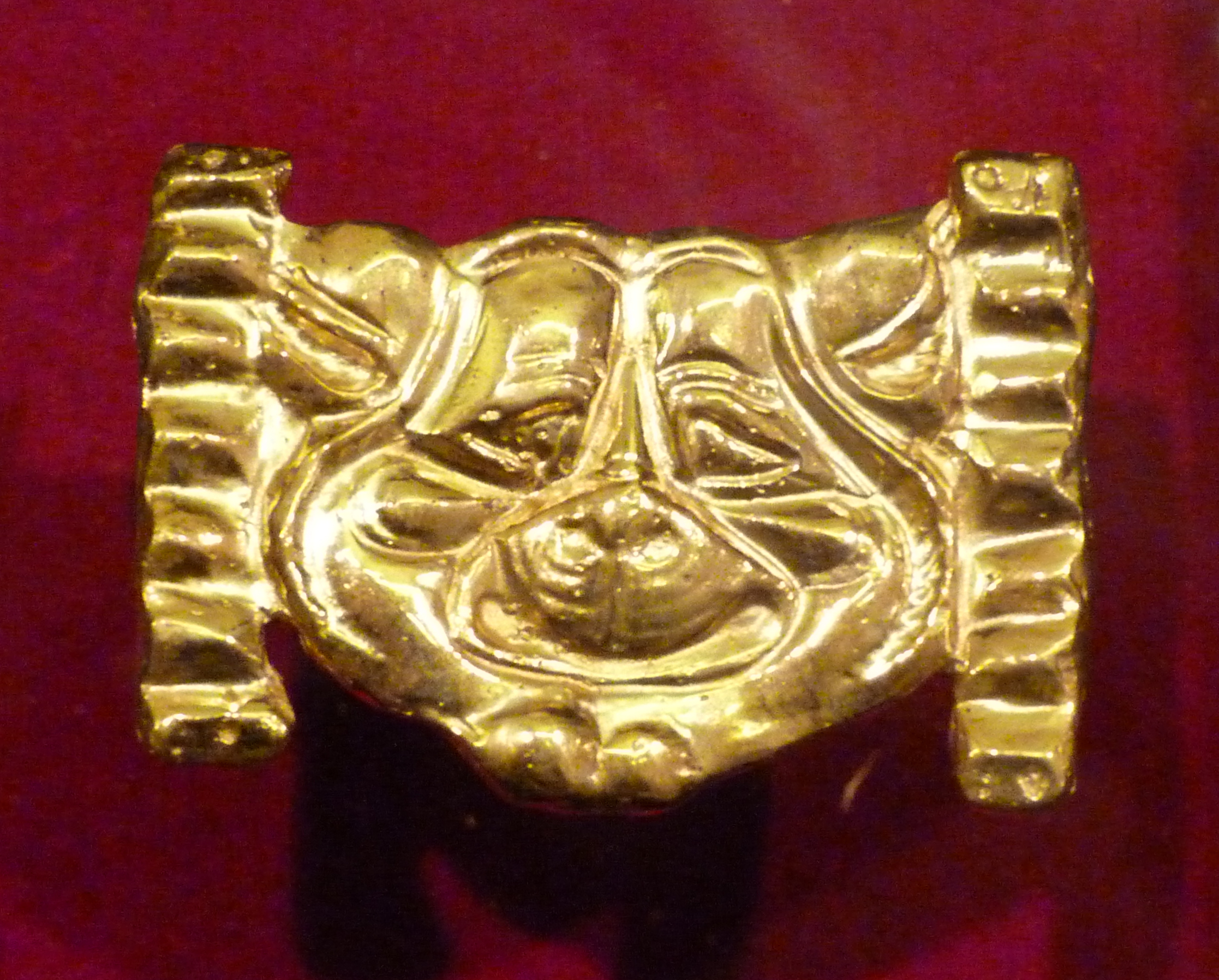
Issyk kurgan
Large burial mound with rich artifacts

Dongtalede
Iron Age site with Scytho-Siberian artifacts
Shilikty
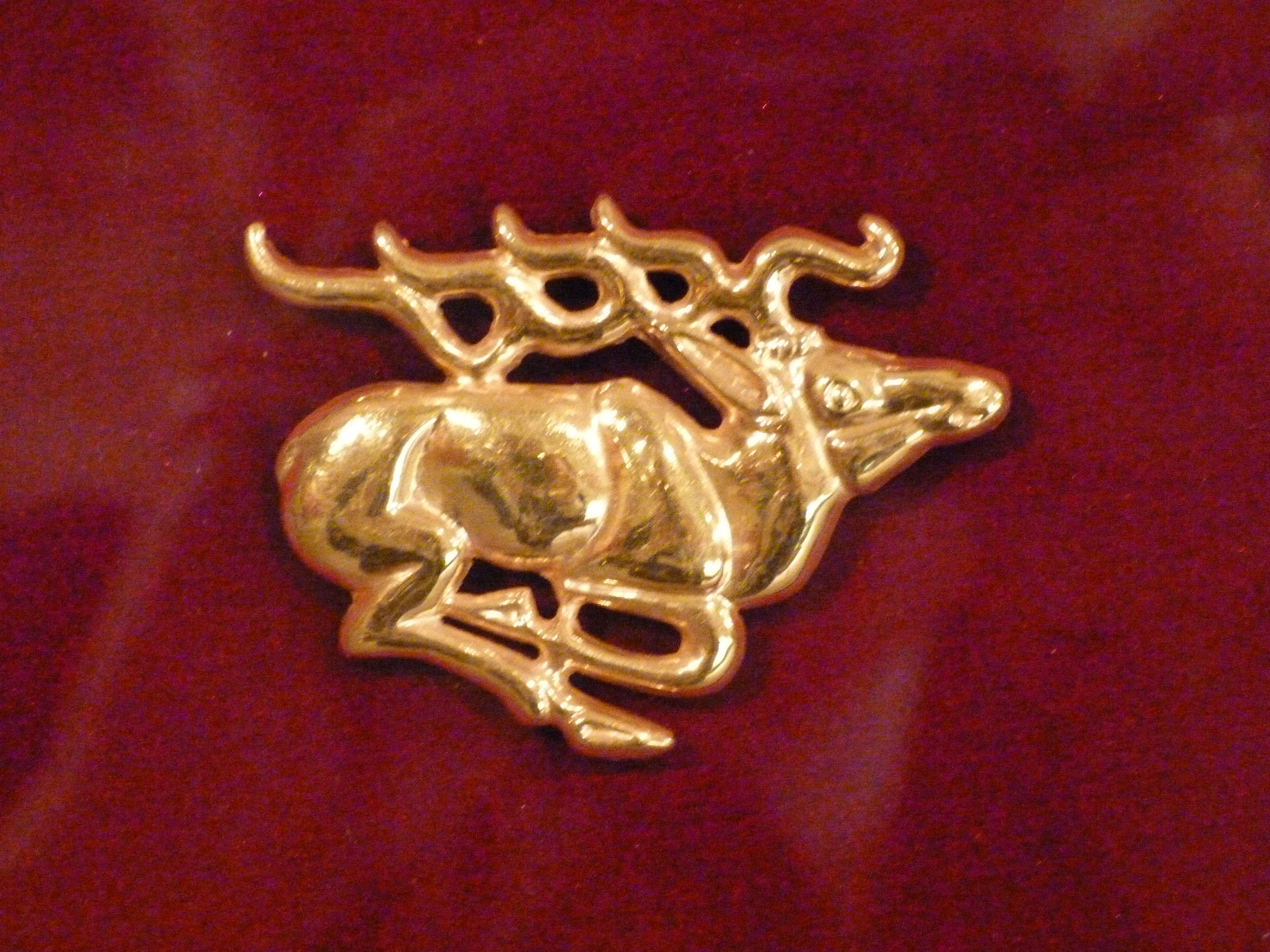
Early Saka kurgans with golden artifacts
Araltobe kurgan
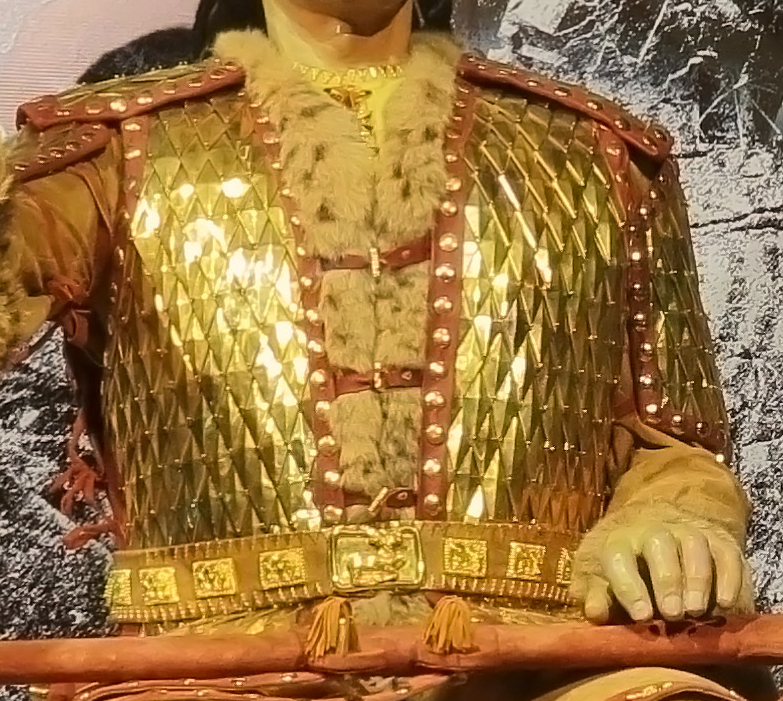
Sarmatian burial mound with gold objects

Boralday (archaeological site)
Iron Age Saka burial mounds complex