
Explore the Map
Eleke Sazy
47.3367° N, 82.1261° E
About
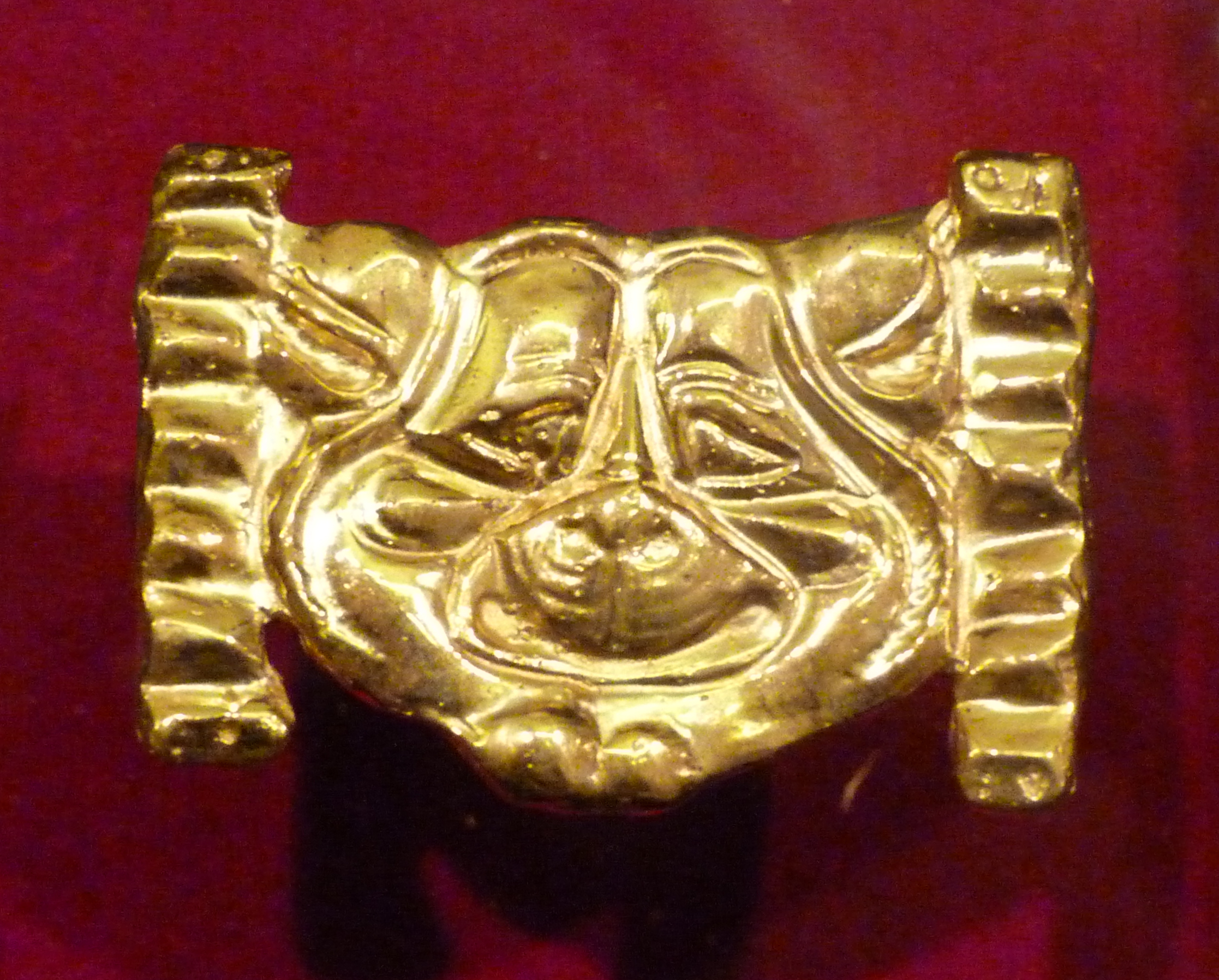
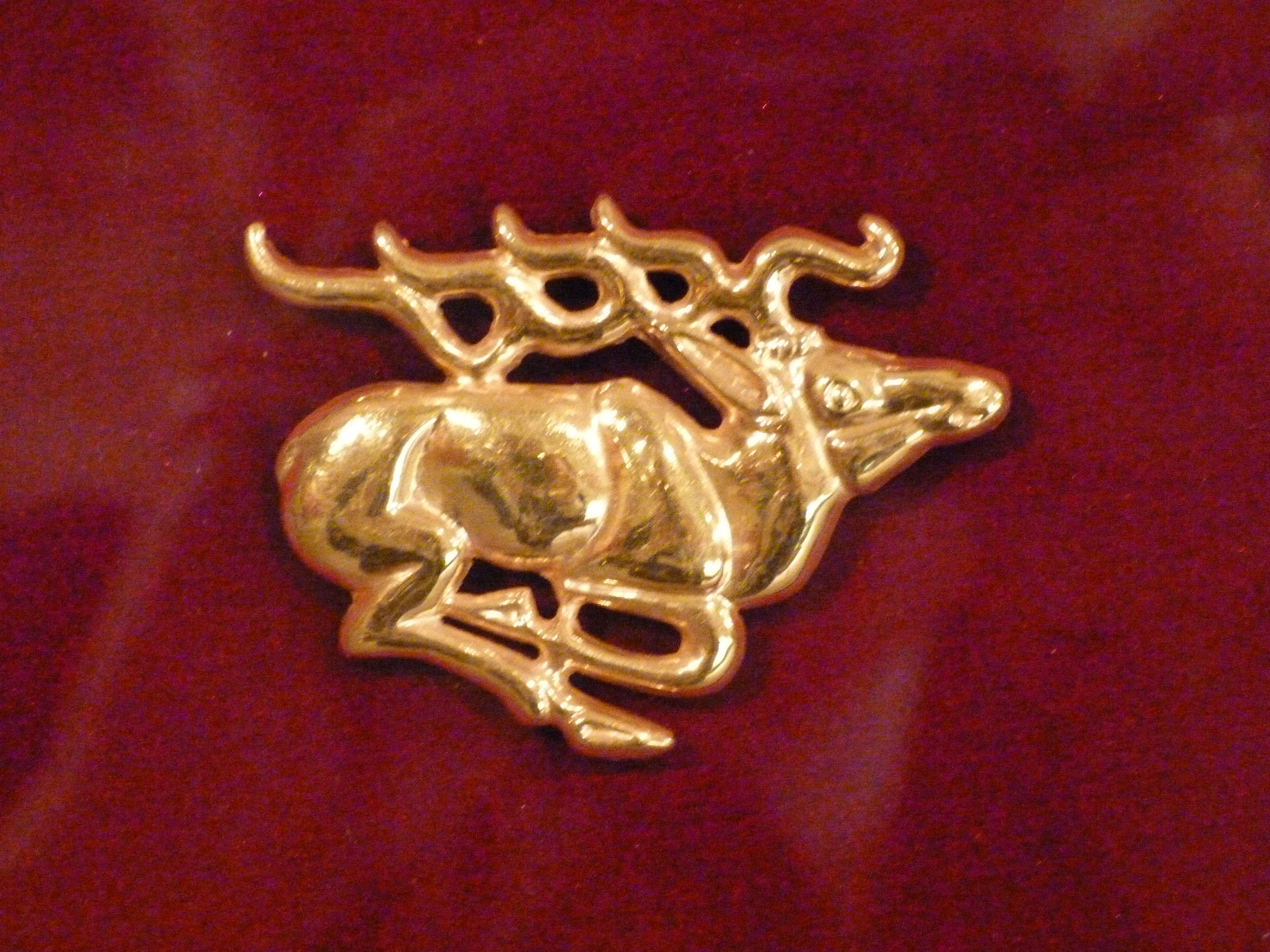
Eleke Sazy is an archaeological site located in eastern Kazakhstan, known for its numerous burial mounds, or kurgans, dating back to the Early Saka period in the 6th to 4th centuries BCE. This site is significant for the wealth of gold artifacts unearthed, which include horse harness fittings, pendants, chains, and appliqués, most of which are crafted in the distinctive Animal Style associated with the Scythian-Saka era. These artifacts highlight the intricate metalwork and artistic expressions of the Saka people. The site provides valuable insights into the funerary practices and cultural expressions of the Saka, a nomadic group known for their skills in metallurgy and their vibrant artistic traditions during the Middle Iron Age.
Gallery
Explore photographs of ancient structures, artifacts, and archaeological excavations

Historical Timeline
Journey through time and discover key events in this site's history
Animal Style Gold Artifacts
500-300 BCE
Early Saka Kurgans Construction
600-300 BCE
Archaeological Features
Unique architectural and cultural elements found at this historical site
Burial and Funerary Structures
Artistic and Decorative Features
Frequently Asked Questions
Plan Your Visit
Tours, travel arrangements, and practical information
More Sites in Kazakhstan
Issyk kurgan
Large burial mound with rich artifacts
Begash
Pastoralist winter site in southeastern Kazakhstan

Dongtalede
Iron Age site with Scytho-Siberian artifacts
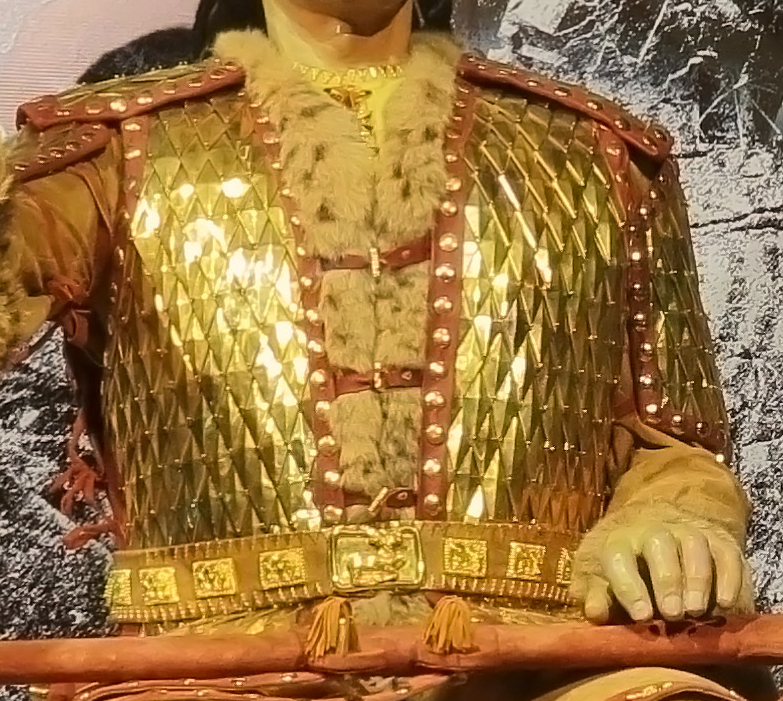
Araltobe kurgan
Sarmatian burial mound with gold objects
Shilikty
Early Saka kurgans with golden artifacts

Boralday (archaeological site)
Iron Age Saka burial mounds complex