Explore the Map
Berel kurgan
49.3732° N, 86.4380° E
About
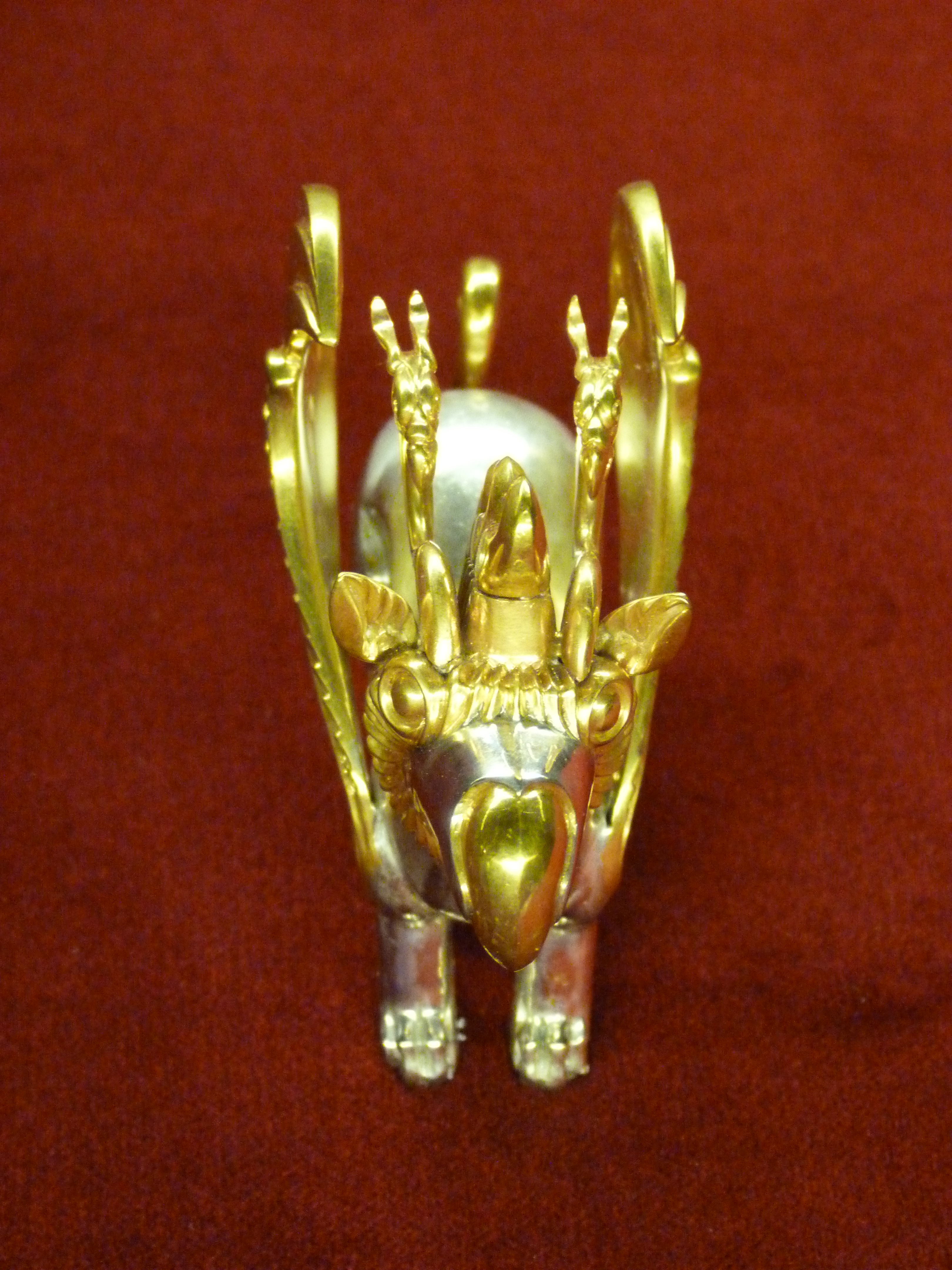
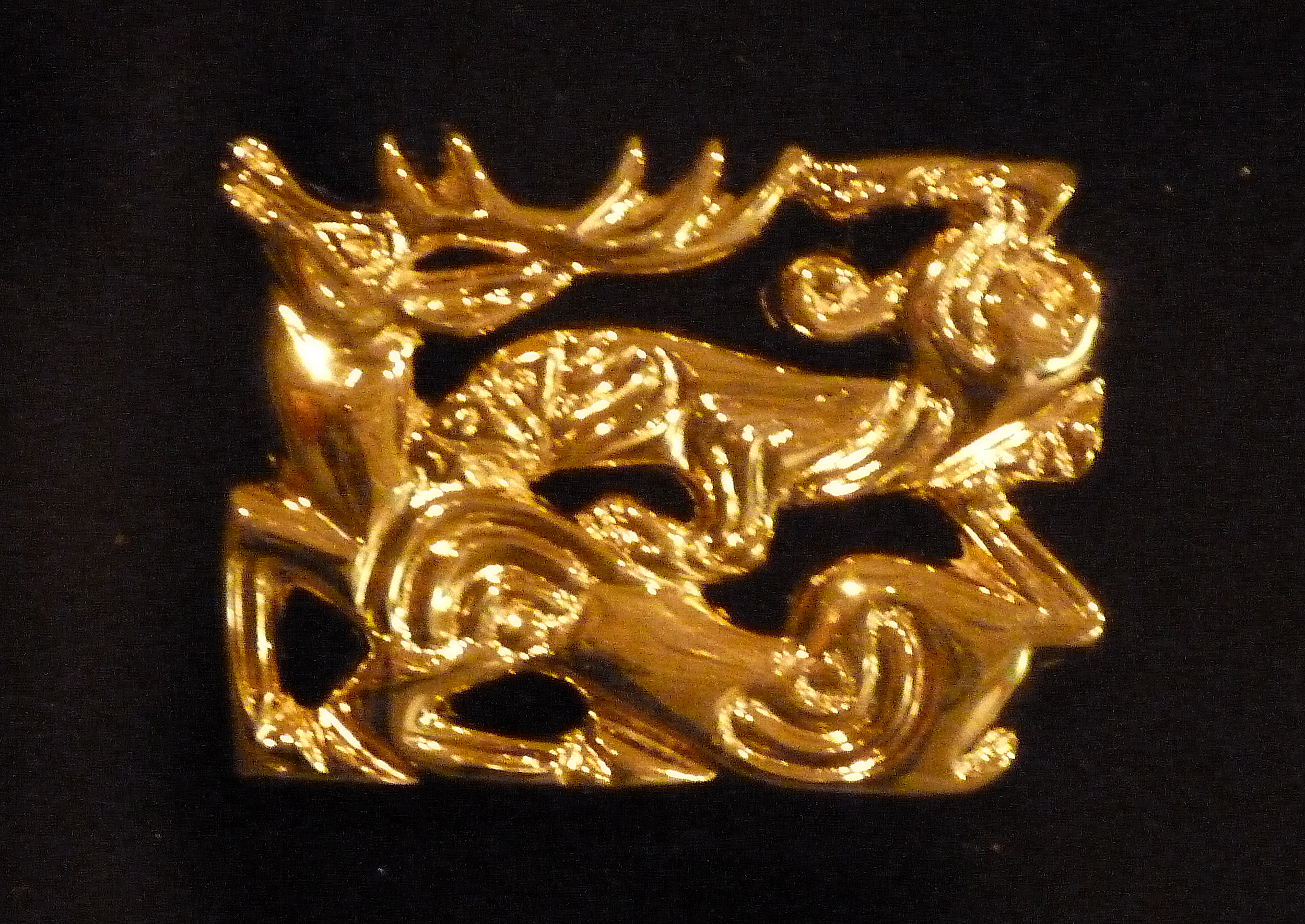
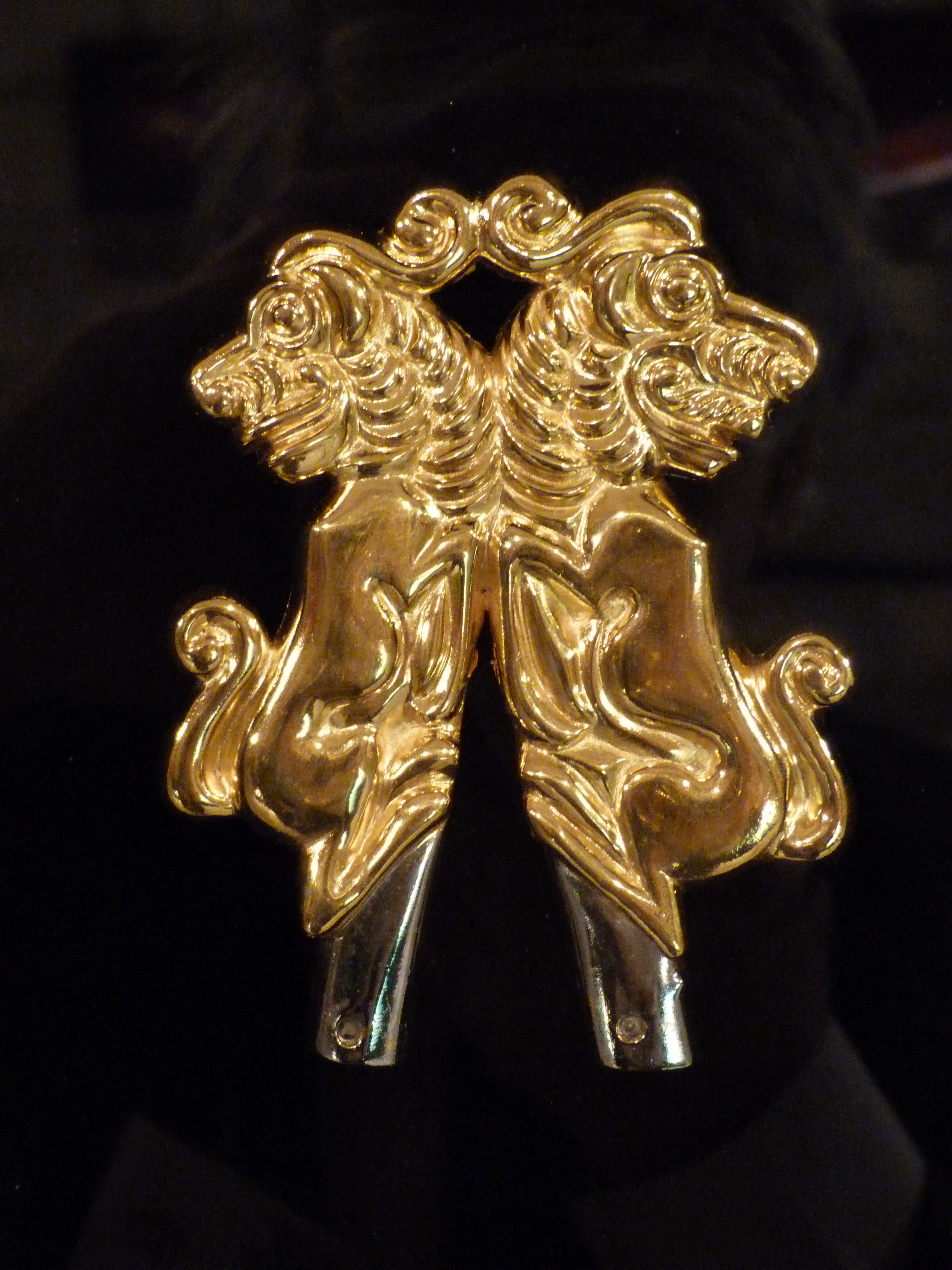
The Berel kurgan site, located in the Katonkaragay District of eastern Kazakhstan, is a significant archaeological find that dates back to the Early Saka period in the 5th to 3rd centuries BCE. This site is characterized by the presence of numerous kurgans, which are burial mounds indicative of the region's nomadic cultures. The excavations have unearthed sophisticated artifacts, particularly vast quantities of precious golden jewelry, which offer insights into the cultural and artistic practices of the Saka people. Notably, horses were buried alongside their owners within these kurgans, adorned with lavish decorations, highlighting the importance of these animals in Saka society. The Berel kurgan site provides valuable evidence of the burial rituals and social customs of the Early Saka, prompting a revaluation of nomadic cultures in this historical period.
Gallery
Explore photographs of ancient structures, artifacts, and archaeological excavations
Historical Timeline
Journey through time and discover key events in this site's history
Discovery of Early Saka Kurgans
500 BCE, 300 BCE
Archaeological Features
Unique architectural and cultural elements found at this historical site
Burial and Funerary Structures
Frequently Asked Questions
Plan Your Visit
Tours, travel arrangements, and practical information
More Sites in Kazakhstan
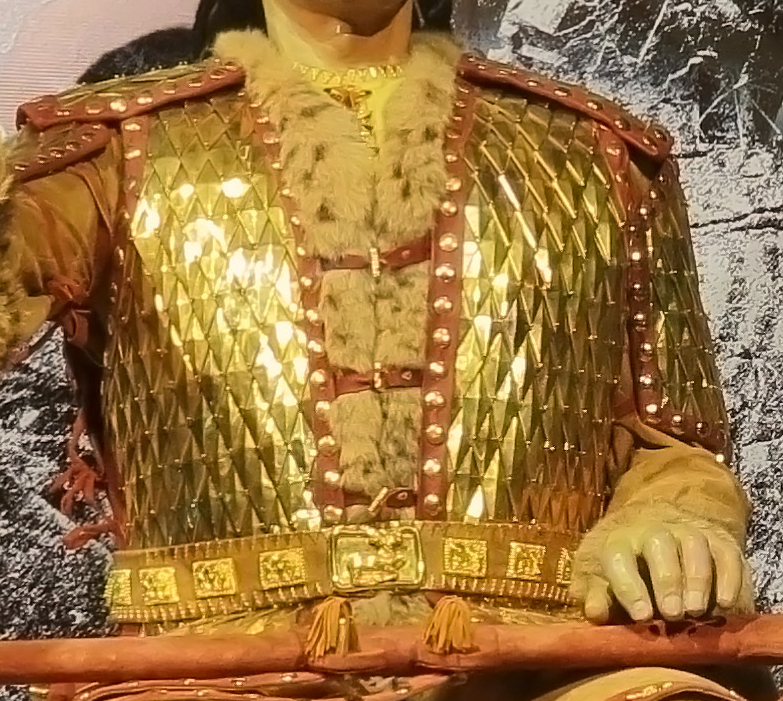
Araltobe kurgan
Sarmatian burial mound with gold objects
Shilikty
Early Saka kurgans with golden artifacts

Boralday (archaeological site)
Iron Age Saka burial mounds complex
Begash
Pastoralist winter site in southeastern Kazakhstan
Taksai kurgans
Ancient burial mounds of Saka elite

Dongtalede
Iron Age site with Scytho-Siberian artifacts