
Explore the Map
Begash
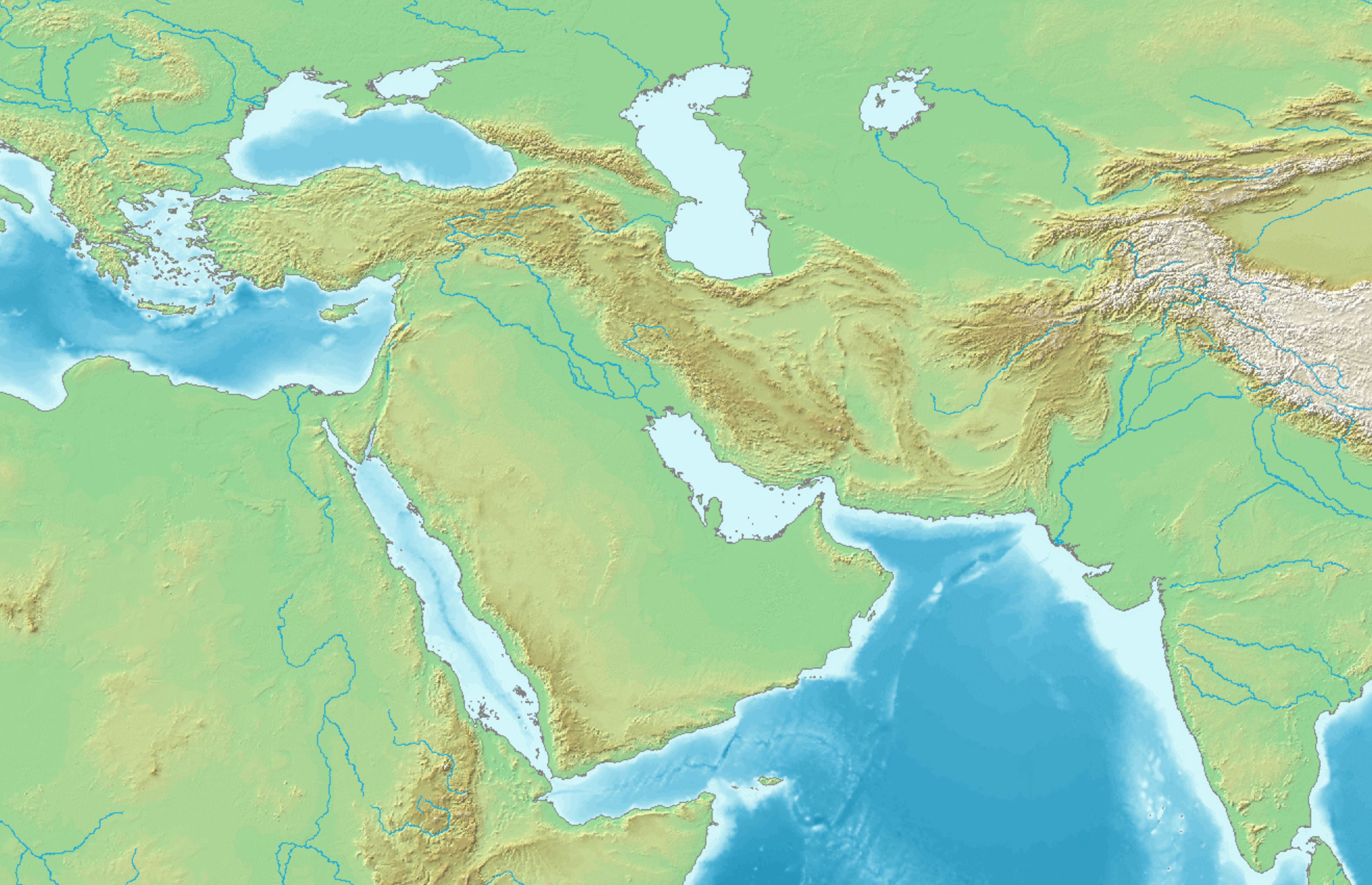
44.9000° N, 78.5000° E
About
Begash in an archaeological site in the Koksu River valley in historic Zhetysu, Kazazkstan. The site is situated in piedmont steppes above the Zhalgyzagash River, a tributary of the Koksu River. The people of Begash were transhumant pastoralists who mainly herded sheep and goats. They likely used the site primarily as a place of winter residence. The people of Begash buried their dead first in cist and later in kurgan burials. So far, the earliest direct evidence for domesticated grains in Central Asia can be found at Begash, with the earliest evidence for the presence of both domesticated free-threshing wheat (from West Asia) and broomcorn millet (from East Asia).
Gallery
Explore photographs of ancient structures, artifacts, and archaeological excavations
Historical Timeline
Journey through time and discover key events in this site's history
Domesticated grains dated
c. 2460–2150 BC
Archaeological Features
Unique architectural and cultural elements found at this historical site
Burial and Funerary Structures
Food Production and Processing Features
Frequently Asked Questions
Plan Your Visit
Tours, travel arrangements, and practical information
More Sites in Kazakhstan

Dongtalede
Iron Age site with Scytho-Siberian artifacts

Boralday (archaeological site)
Iron Age Saka burial mounds complex
Taksai kurgans
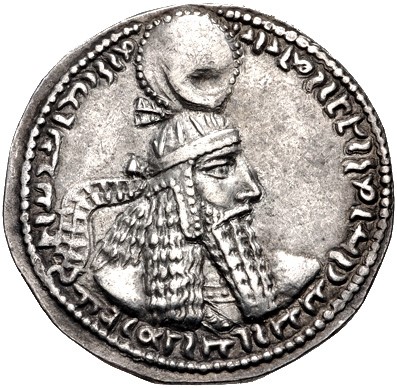
Ancient burial mounds of Saka elite

Eleke Sazy
6th-4th century BCE Saka kurgans

Berel kurgan
Early Saka kurgans with lavish horse burials
Issyk kurgan
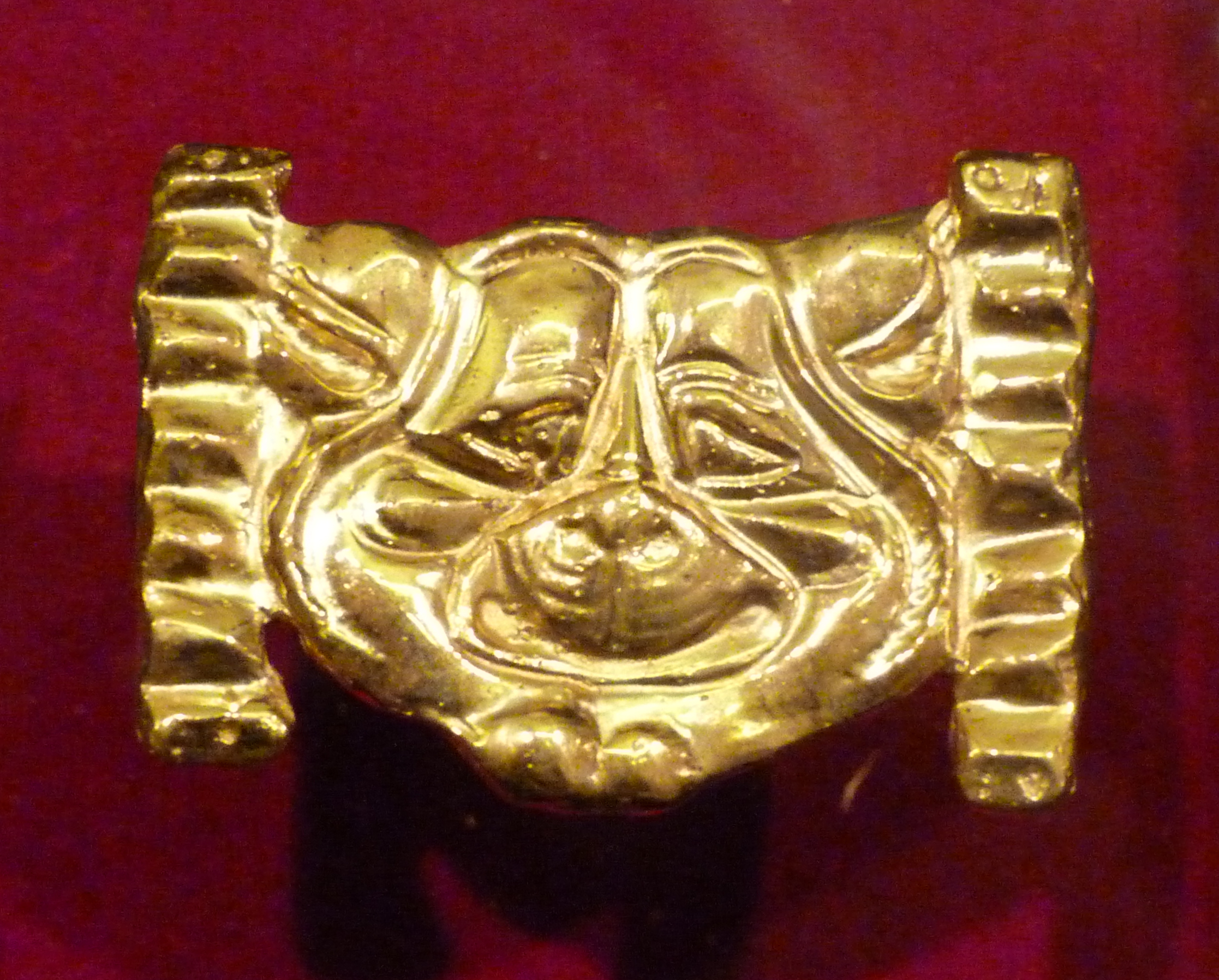
Large burial mound with rich artifacts