Explore the Map
Jankent
45.6122° N, 61.9211° E
About
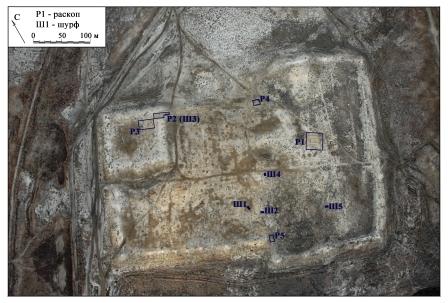
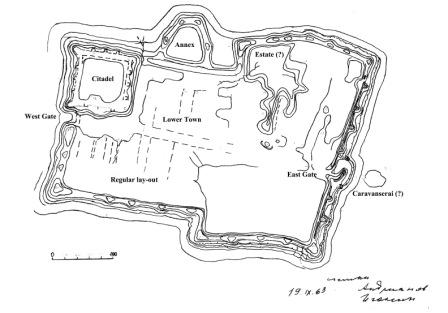
Jankent, located east of the Aral Sea in Kazakhstan, is an archaeological site notable for its role as the capital of the Oghuz Turks in the 10th century CE. Archaeological surveys have revealed a town with defensive walls and a citadel, dating from the early to late Post-Classical period. The town's layout includes residential areas, workshops, and defensive structures, indicating its significance as a political and economic center. The site's origins trace back to the 7th century CE with the Dzhetyasar culture, and it became enclosed in the 9th century CE. Jankent thrived as a mixed-culture settlement on the Northern Silk Road until its abandonment between the 12th and 14th centuries CE, likely due to environmental or political changes.
Gallery
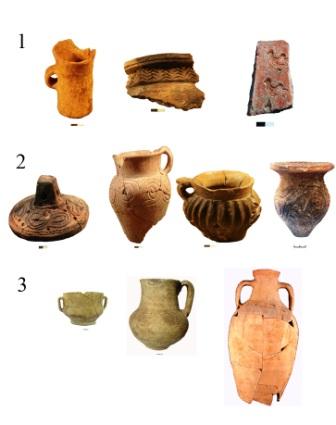
Explore photographs of ancient structures, artifacts, and archaeological excavations
Historical Timeline
Journey through time and discover key events in this site's history
Abandonment
12th-14th century CE
Earliest Settlement
7th century CE
Construction of Enclosed Town
9th century CE
Capital of Oghuz Yabgu
10th century CE
Archaeological Features
Unique architectural and cultural elements found at this historical site
Defensive Structures
Industrial and Craft Structures
Domestic and Habitation Structures
Frequently Asked Questions
Plan Your Visit
Tours, travel arrangements, and practical information
More Sites in Kazakhstan
Kerderi
Abandoned settlements on former Aral Sea floor
Otrar
Central Asian Silk Road city ruins
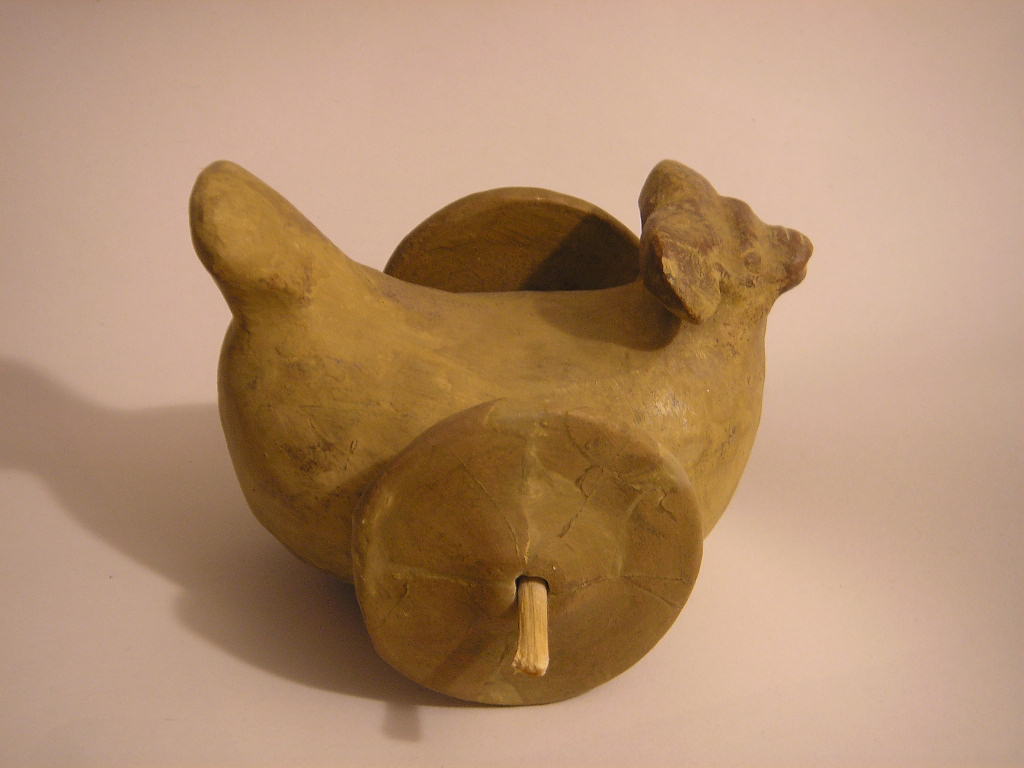
Sawran (Kazakhstan)
Ancient city with defensive walls
Petroglyphs of the Archaeological Landscape of Tanbaly
<p>Set around the lush Tanbaly Gorge, amidst the vast, arid Chu-Ili mountains, is a remarkable concentration of some 5,000 petroglyphs (rock carvings)…

Eleke Sazy
6th-4th century BCE Saka kurgans
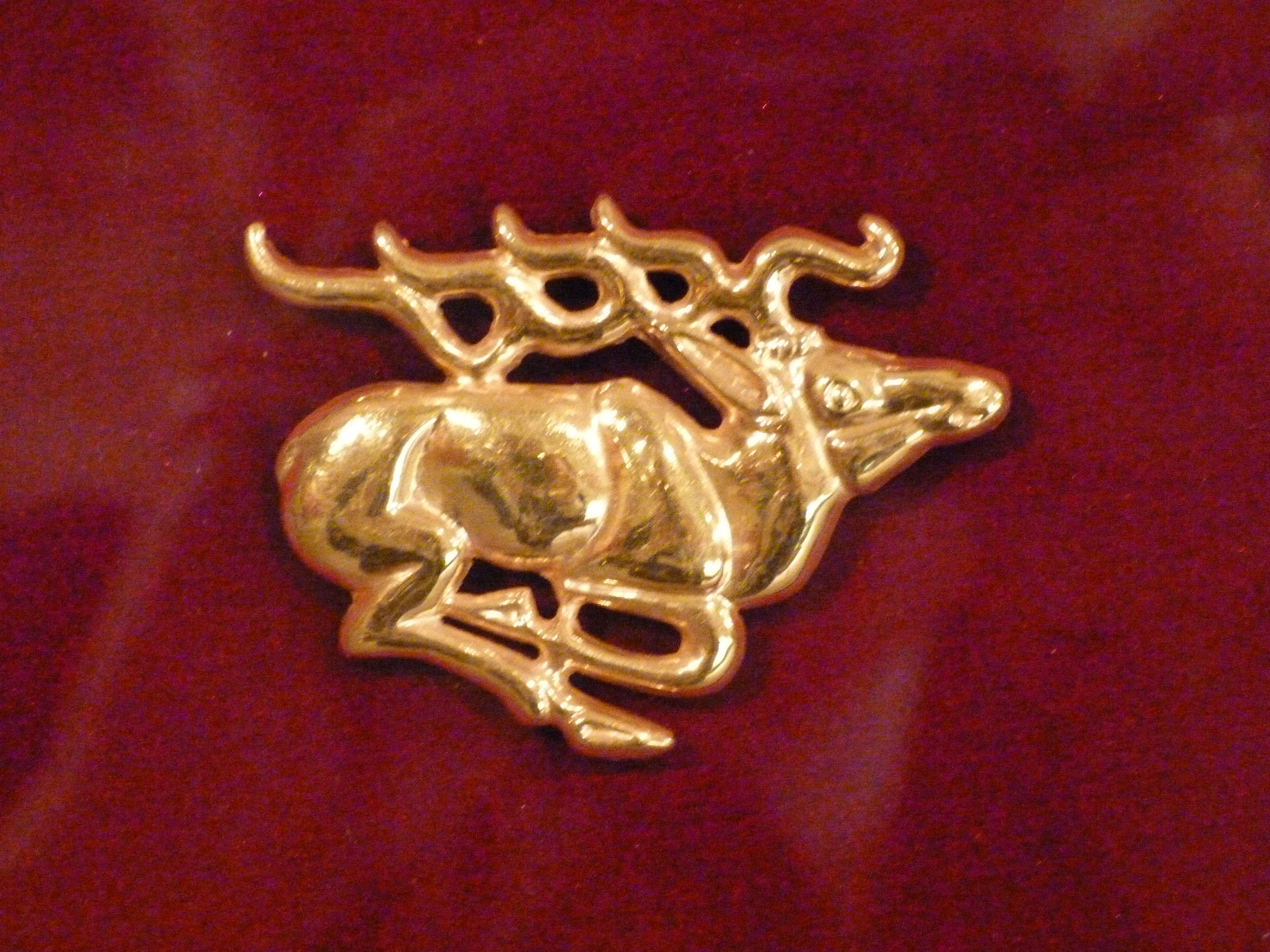
Shilikty
Early Saka kurgans with golden artifacts