Time Periods
Paleolithic
Mesolithic
Neolithic
Chalcolithic
Bronze Age
Iron Age
Classical Period
Post-Classical Period
Early Modern Period
Industrial Period
Contemporary Period
Time Periods
Paleolithic
Mesolithic
Neolithic
Chalcolithic
Bronze Age
Iron Age
Classical Period
Post-Classical Period
Early Modern Period
Industrial Period
Contemporary Period
Location
About
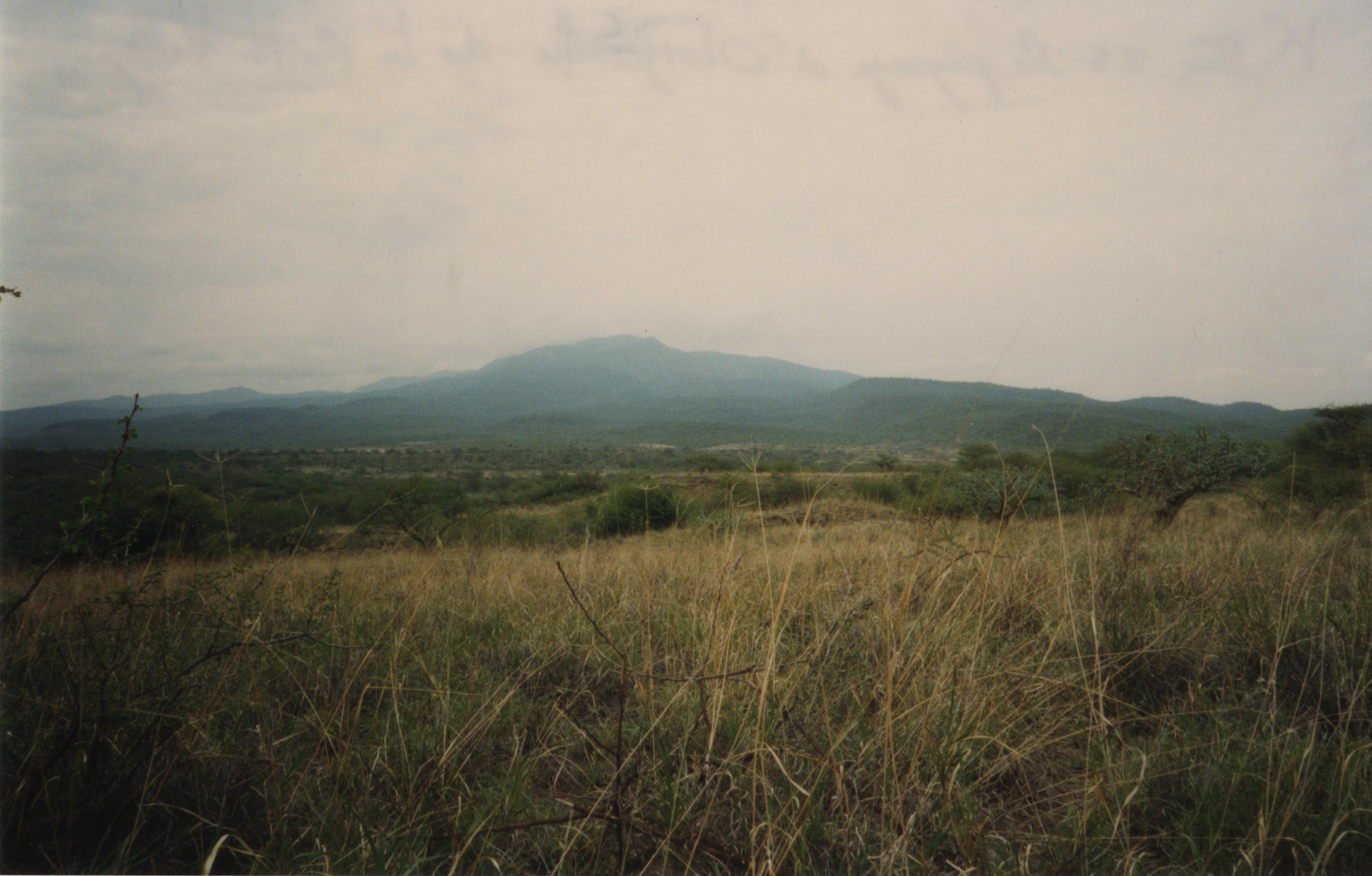
The Ileret site in Marsabit County, Kenya, is a significant archaeological and paleontological location, renowned for its rich deposits of hominin fossils and footprints. Most notably, it is home to 1.5-million-year-old Homo erectus footprints, which offer crucial evidence of early bipedalism and social behaviors in hominins. Other significant discoveries include several early Homo fossils, such as a nearly complete mandible and two partial skeletons, dating back over 2 million years. These findings provide valuable insights into the anatomy and evolutionary history of early Homo species. The site's proximity to Lake Turkana and its paleoenvironmental context make it an essential location for understanding early human evolution.
Gallery
Explore photographs of ancient structures, artifacts, and archaeological excavations at Ileret
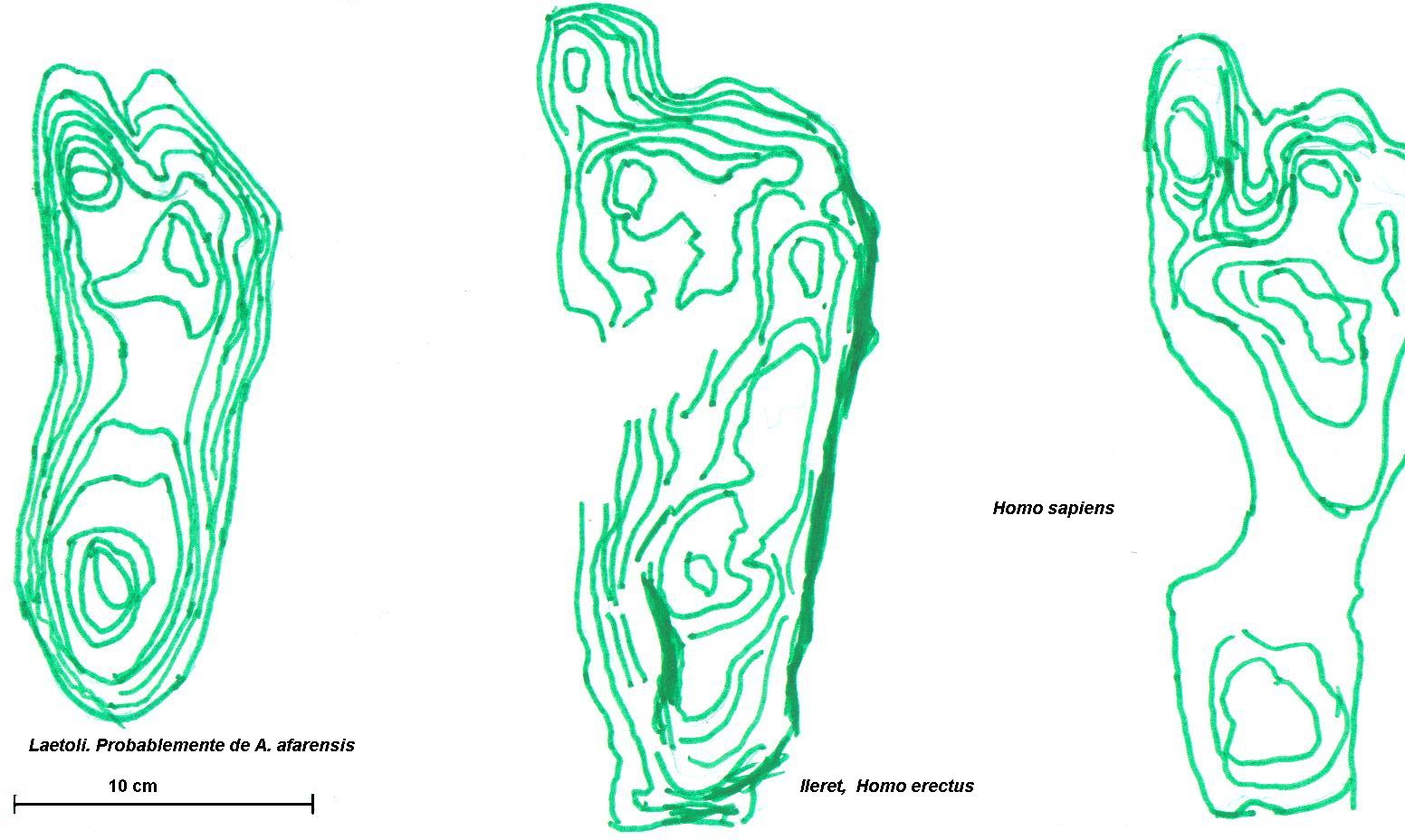
Archaeological Features
Explore the unique architectural and cultural elements found at this historical site
Environmental and Natural Features
Historical Timeline
Journey through time and discover key events in this site's archaeological history
Plan Your Visit
Details
- Country
- Kenya
- Source
- Wikipedia
More Sites in Kenya
Enkapune Ya Muto
Rock shelter with Middle to Late Stone Age artifacts
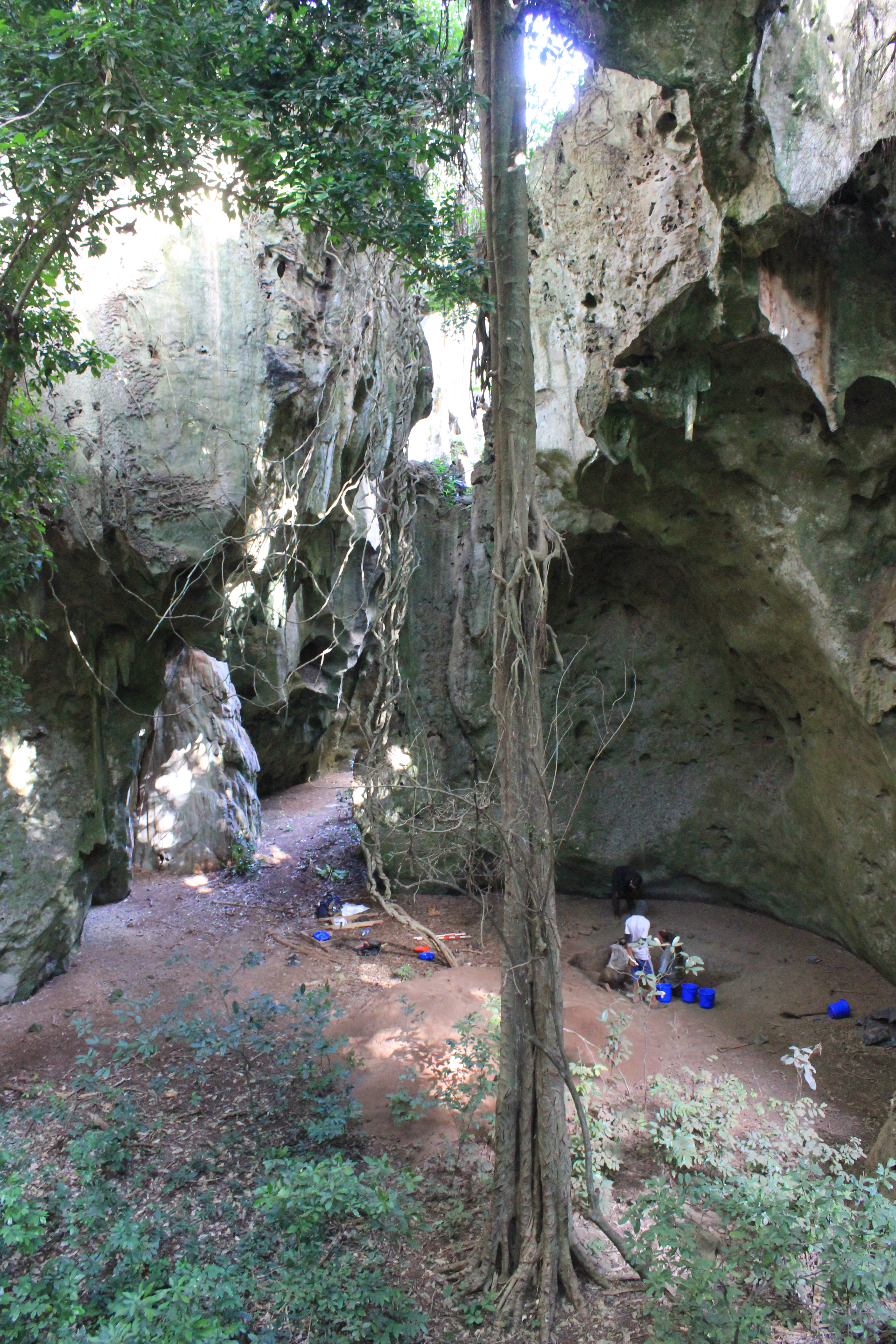
Panga ya Saidi
Kenyan cave with multi-period archaeological deposits
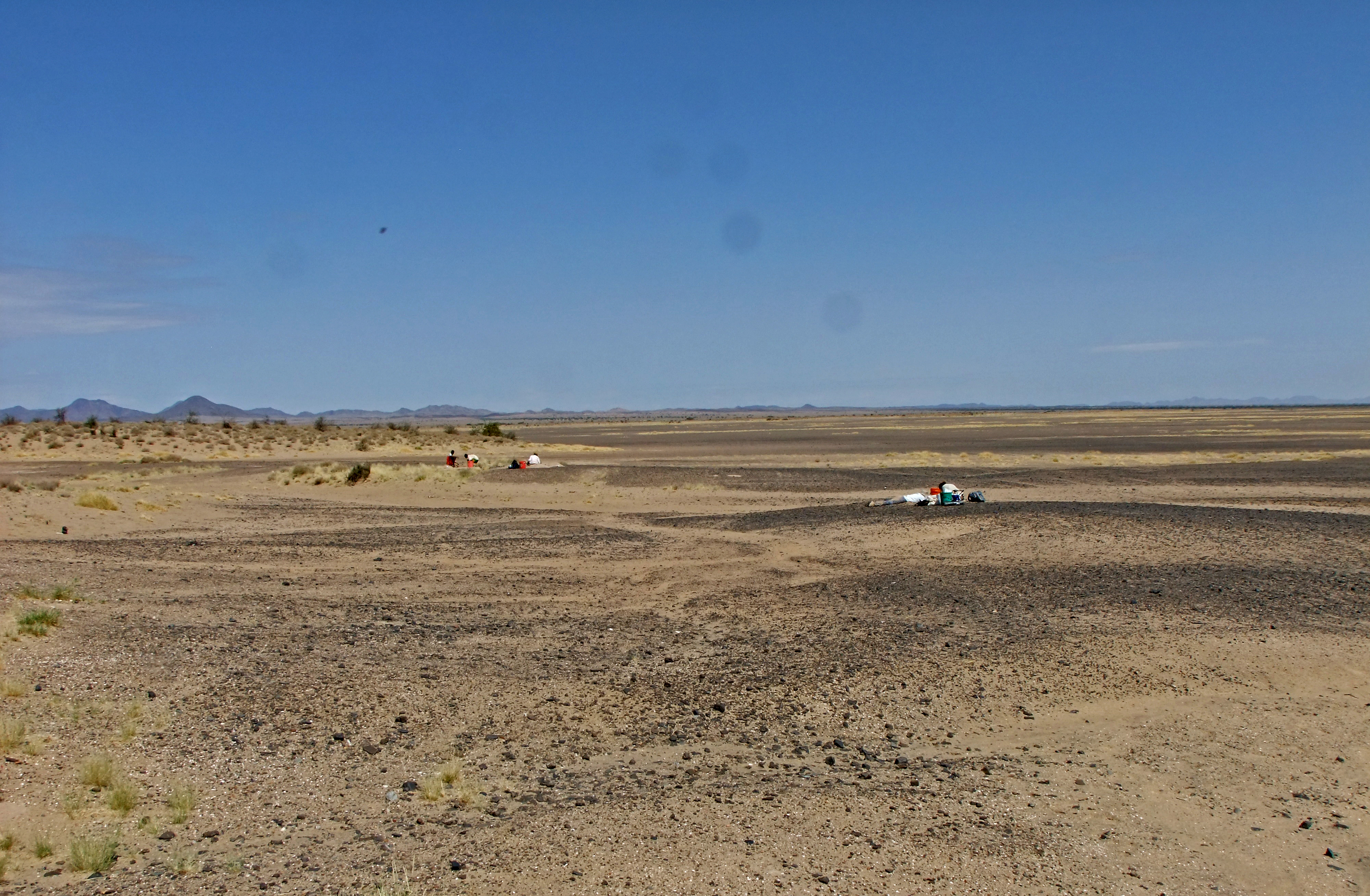
Nataruk
Prehistoric site with evidence of violence
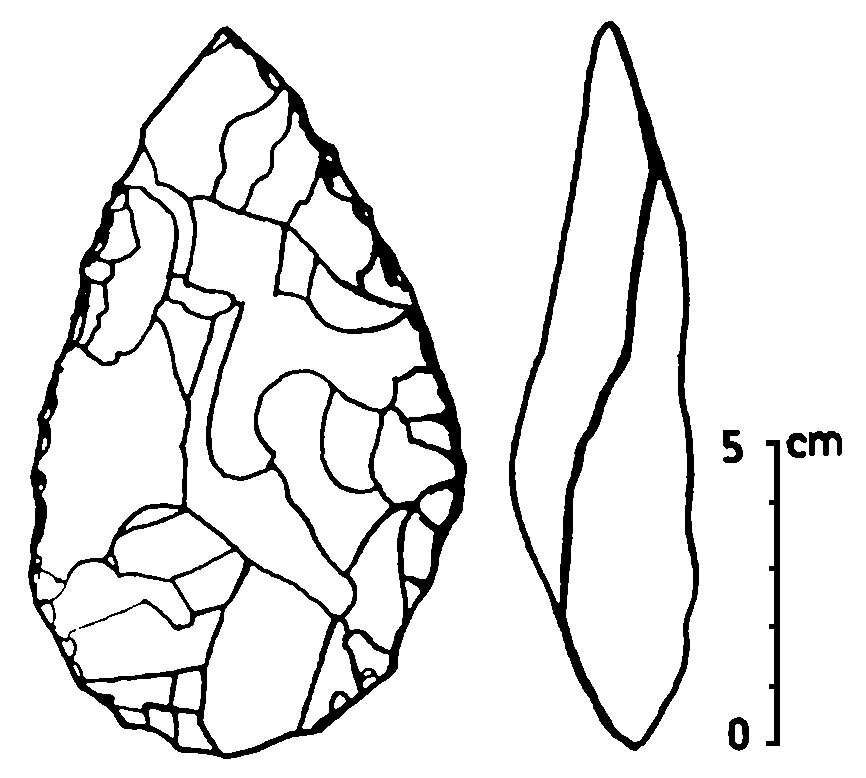
Kariandusi prehistoric site
Early Stone Age Acheulean handaxe site.
Olorgesailie
Acheulean hand axes and hominin remains.

Koobi Fora
Region with early hominin fossils and tools