Explore the Map
Kariandusi prehistoric site
-0.7000° N, 36.5000° E
About
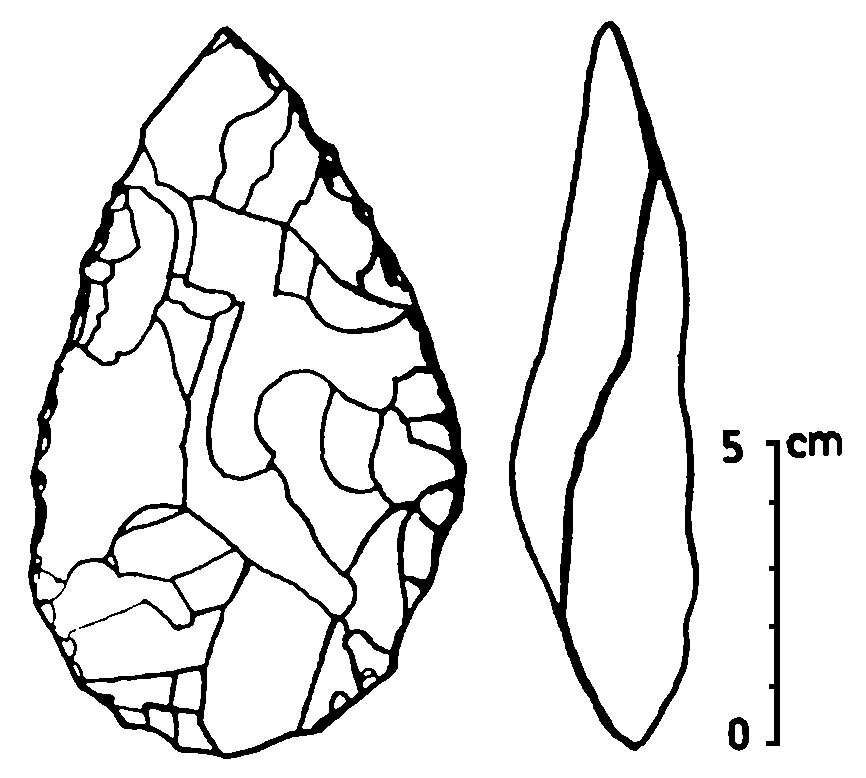
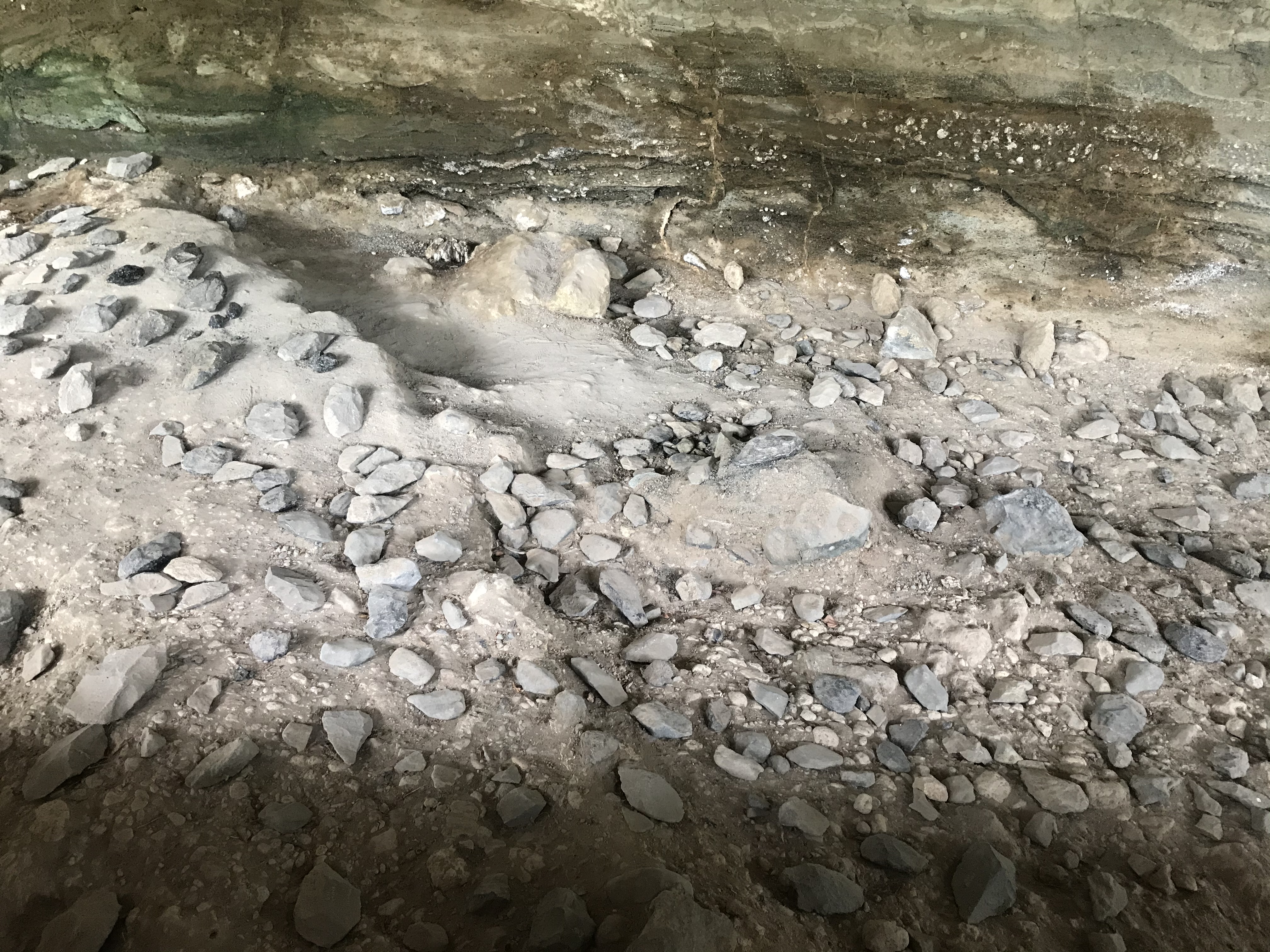
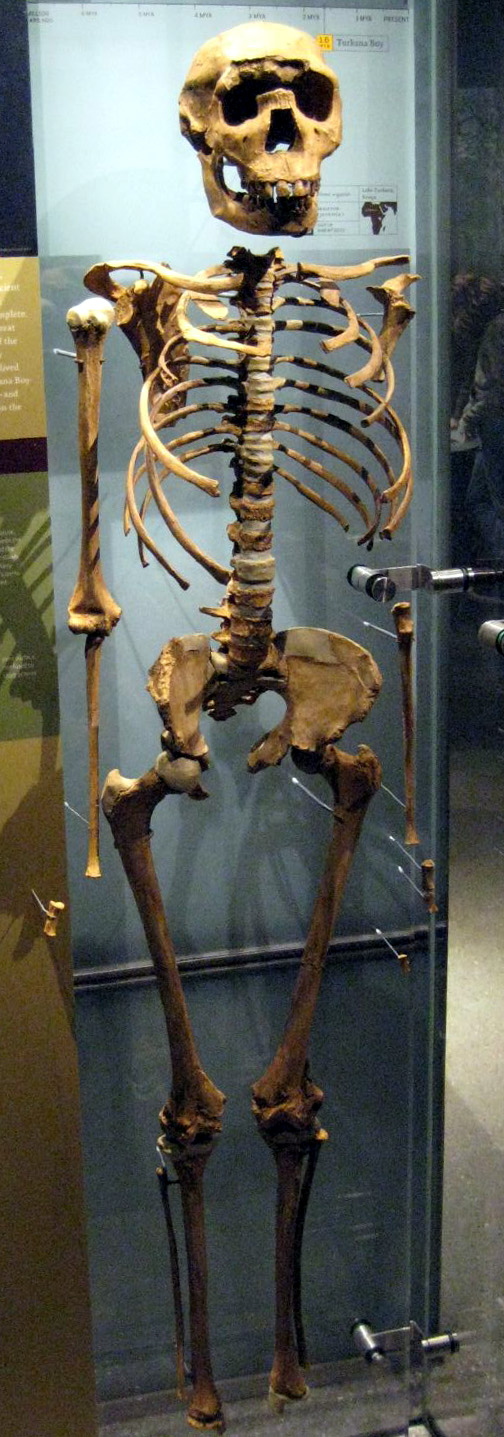
The Kariandusi prehistoric site, located on the southeastern edge of the Great Rift Valley near Lake Elmenteita in Kenya, is a significant Early Stone Age site dating back approximately 1 million years. Attributed primarily to the Acheulean tool culture, the site is characterized by the abundant discovery of handaxes, likely produced by Homo erectus. The tools, predominantly made from obsidian and quartz-trachyte, provide insights into the technological advancements of the time, particularly Mode 2 tool technologies. The site has sparked theories regarding its function, with some suggesting it was a factory for producing handaxes, although the lack of waste materials challenges this hypothesis. Kariandusi remains a valuable archaeological locale for understanding early human technological and social development in East Africa.
Gallery
Explore photographs of ancient structures, artifacts, and archaeological excavations
Historical Timeline
Journey through time and discover key events in this site's history
Homo erectus occupation
1,000,000 years ago
Archaeological Features
Unique architectural and cultural elements found at this historical site
Industrial and Craft Structures
Frequently Asked Questions
Plan Your Visit
Tours, travel arrangements, and practical information
More Sites in Kenya
Enkapune Ya Muto
Rock shelter with Middle to Late Stone Age artifacts
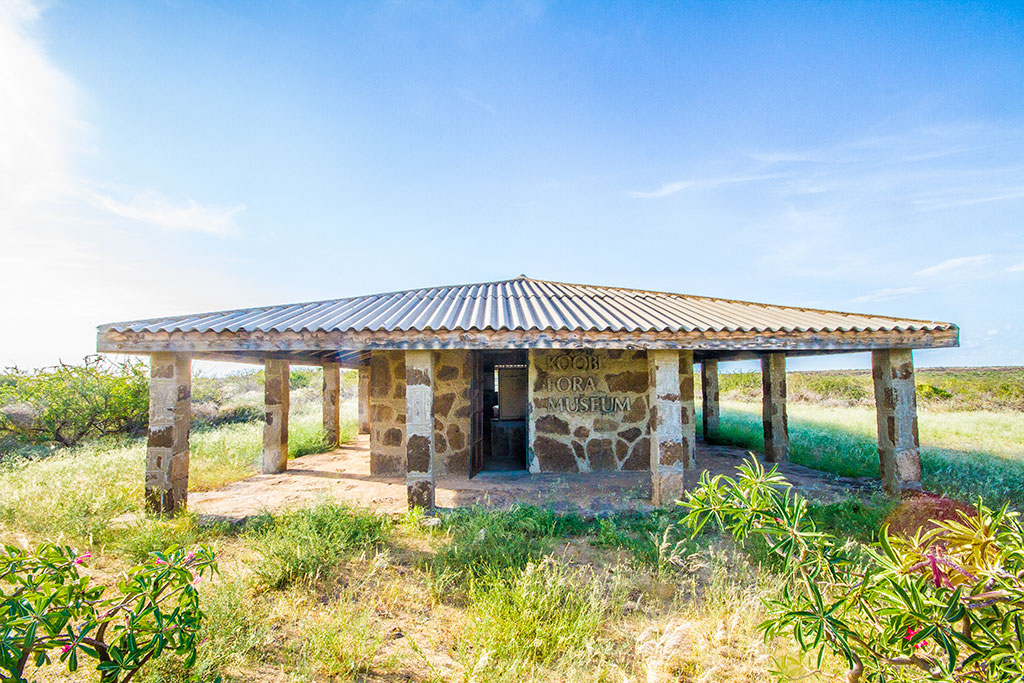
Koobi Fora
Region with early hominin fossils and tools
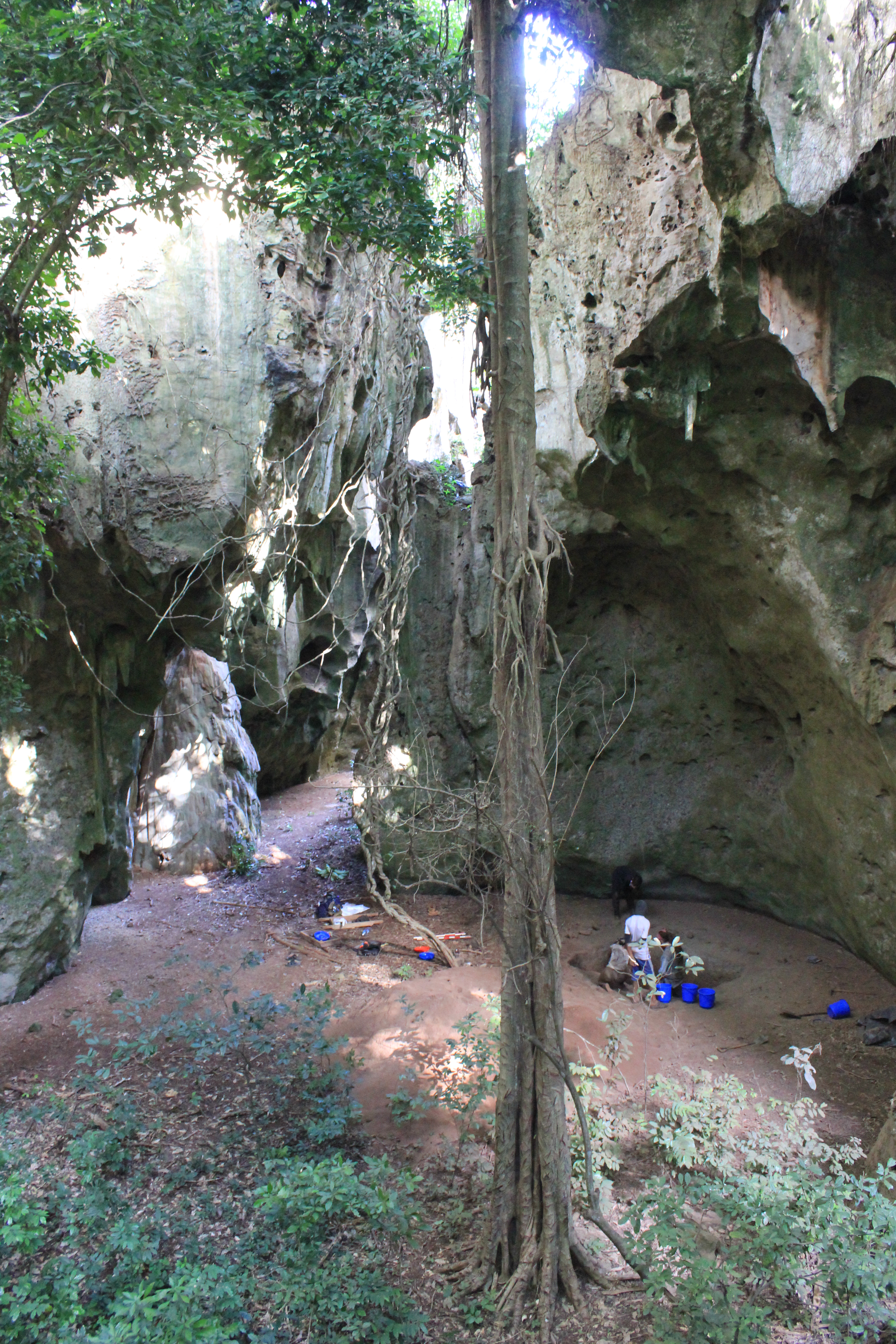
Panga ya Saidi
Kenyan cave with multi-period archaeological deposits
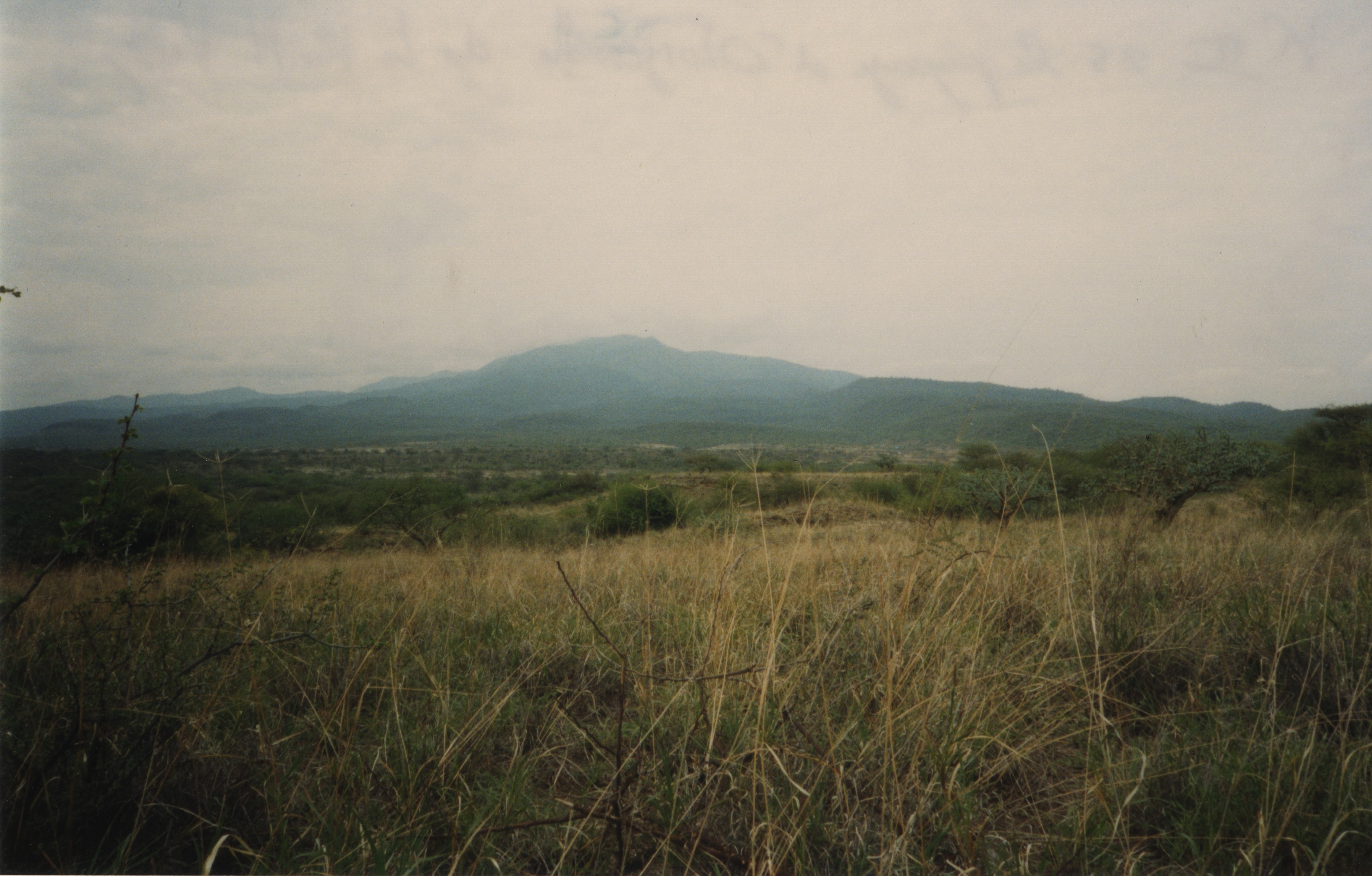
Olorgesailie
Acheulean hand axes and hominin remains.
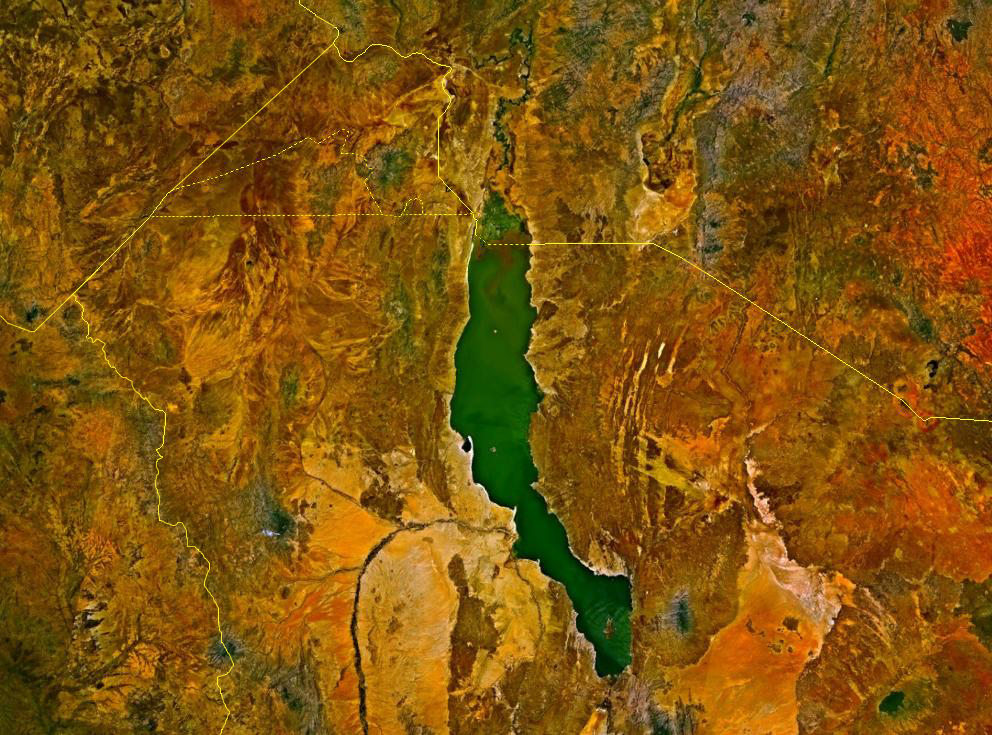
Lomekwi
Stone tool site on Lake Turkana, Kenya
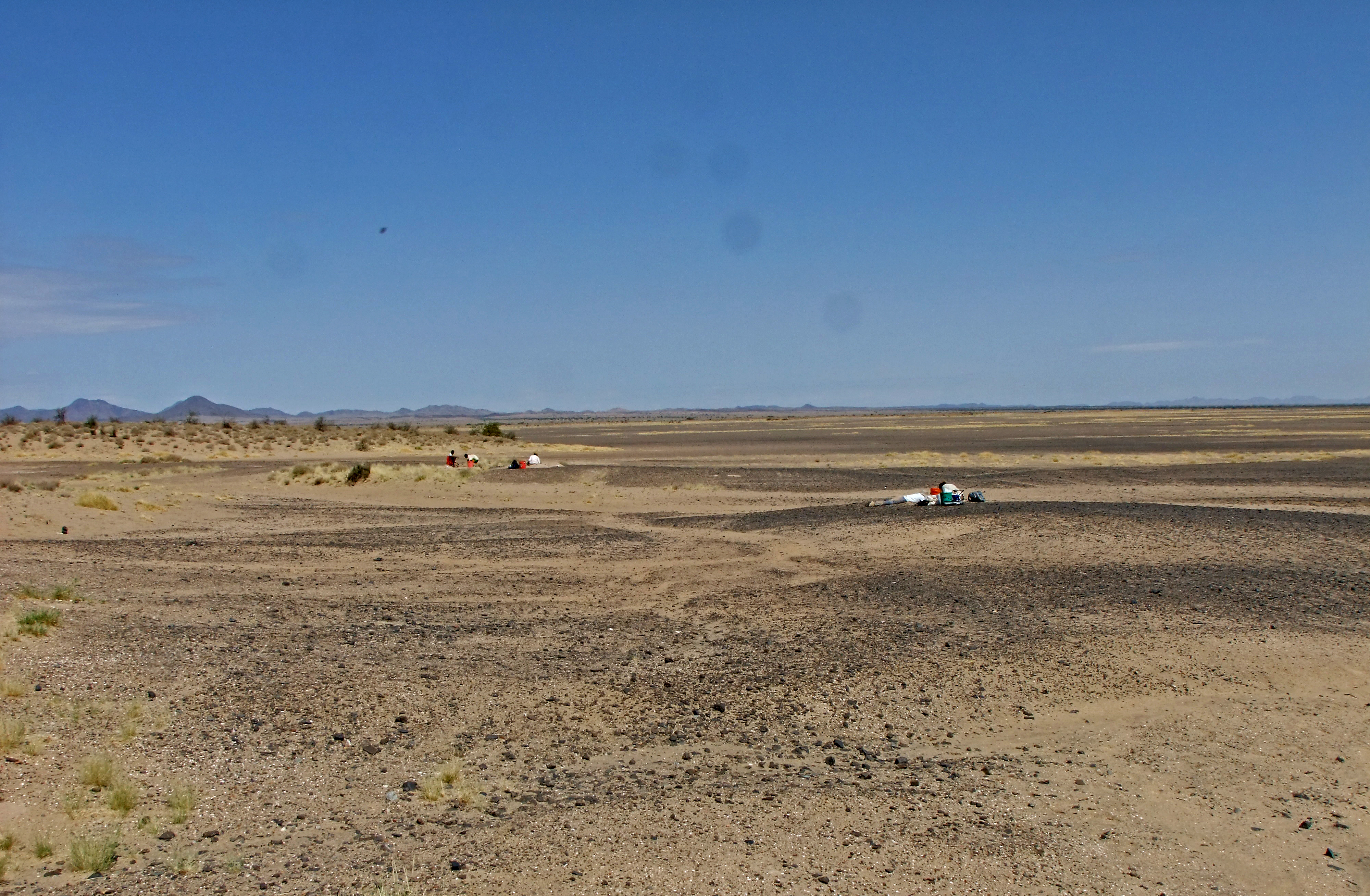
Nataruk
Prehistoric site with evidence of violence