Explore the Map
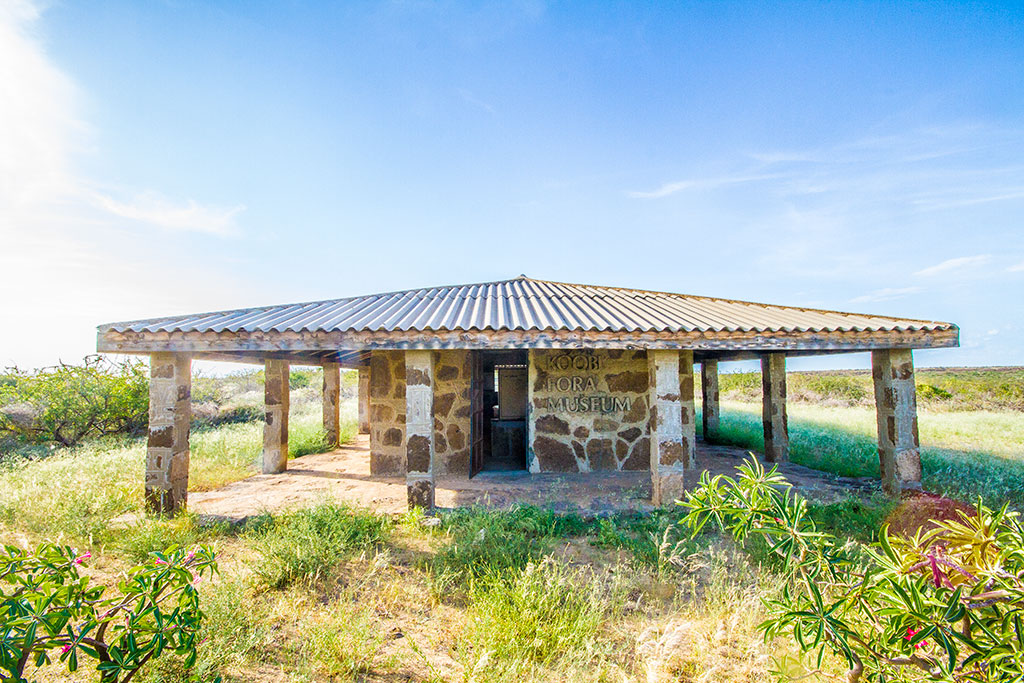
Koobi Fora
3.9478° N, 36.1872° E
About
Koobi Fora, located on the eastern shore of Lake Turkana in Kenya, is an archaeologically significant site known for its rich deposits of early hominin fossils and stone tools. The region, which is now part of Sibiloi National Park, contains sedimentary layers from the Pliocene to Pleistocene epochs, providing a detailed record of early human evolution and environmental changes. Notably, Koobi Fora has yielded specimens of Australopithecus and Homo, highlighting their coexistence and evolutionary transitions over millions of years. Stone tools from the Olduwan and Acheulean industries have been discovered, indicating early technological advancements. The site's stratigraphy, marked by volcanic tuffs, offers precise dating for these finds, making Koobi Fora a cornerstone for understanding human prehistory in Africa.
Gallery
Explore photographs of ancient structures, artifacts, and archaeological excavations

Historical Timeline
Journey through time and discover key events in this site's history
Pliocene Epoch
4 million years ago
Early Human Occupation
4 million to 1 million years ago
Archaeological Features
Unique architectural and cultural elements found at this historical site
Industrial and Craft Structures
Environmental and Natural Features
Frequently Asked Questions
Plan Your Visit
Tours, travel arrangements, and practical information
More Sites in Kenya
Enkapune Ya Muto
Rock shelter with Middle to Late Stone Age artifacts
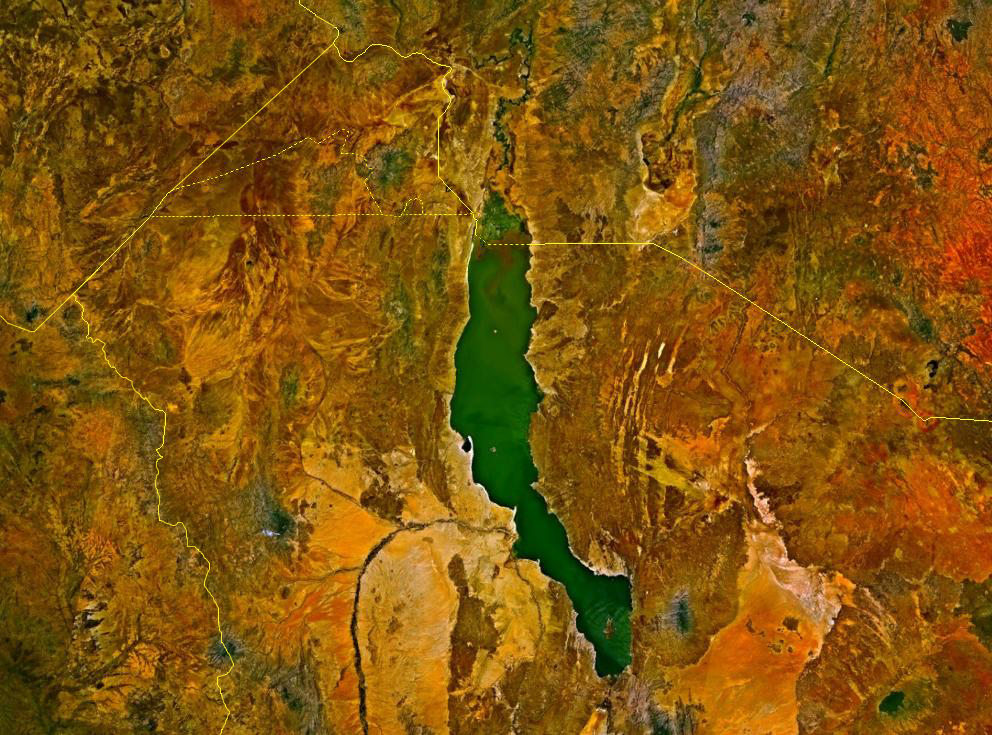
Lomekwi
Stone tool site on Lake Turkana, Kenya
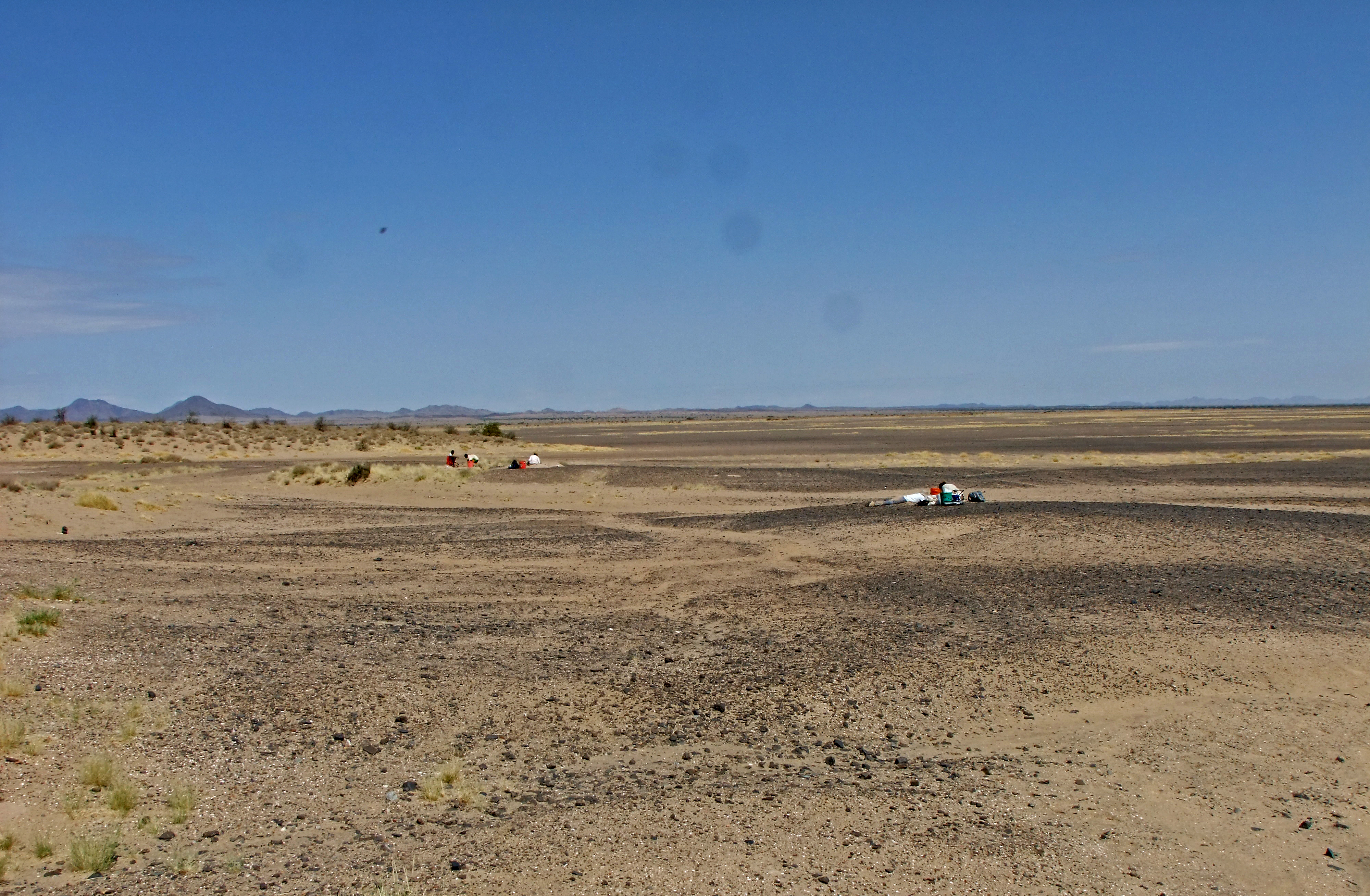
Nataruk
Prehistoric site with evidence of violence
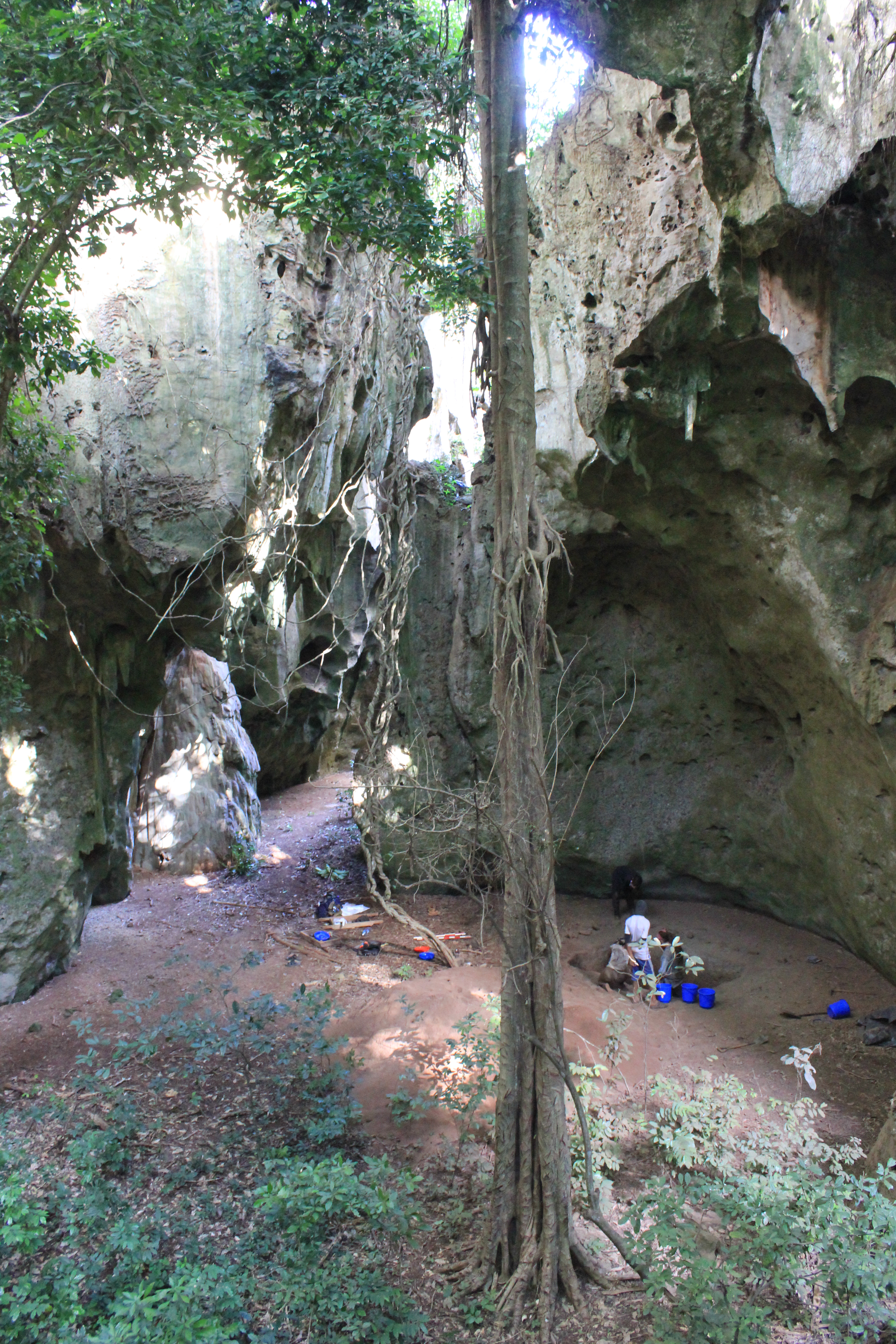
Panga ya Saidi
Kenyan cave with multi-period archaeological deposits
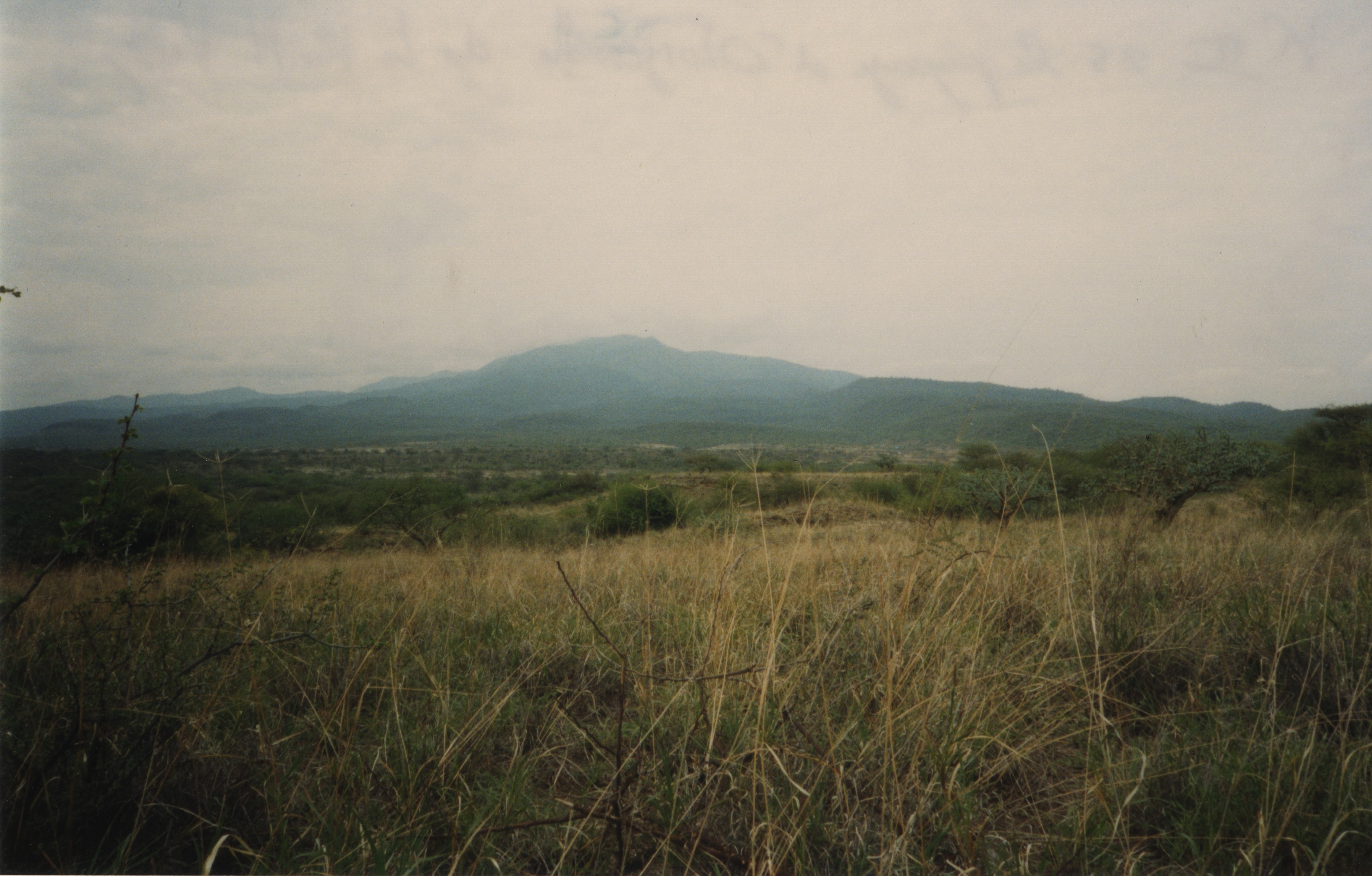
Olorgesailie
Acheulean hand axes and hominin remains.
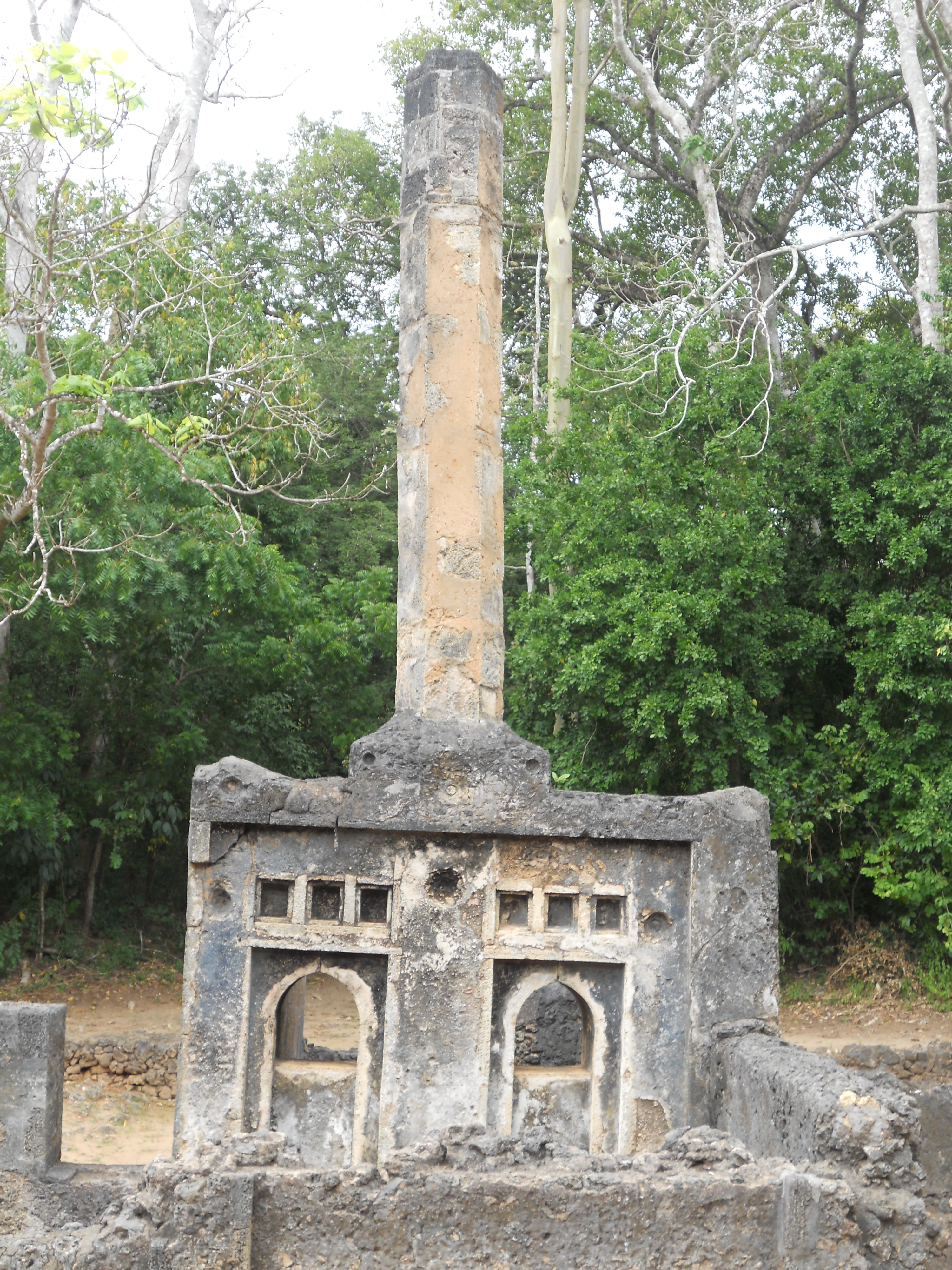
Ruins of Gedi
Medieval Swahili town with stone structures.