Time Periods
Paleolithic
Mesolithic
Neolithic
Chalcolithic
Bronze Age
Iron Age
Classical Period
Post-Classical Period
Early Modern Period
Industrial Period
Contemporary Period
Time Periods
Paleolithic
Mesolithic
Neolithic
Chalcolithic
Bronze Age
Iron Age
Classical Period
Post-Classical Period
Early Modern Period
Industrial Period
Contemporary Period
Location
About
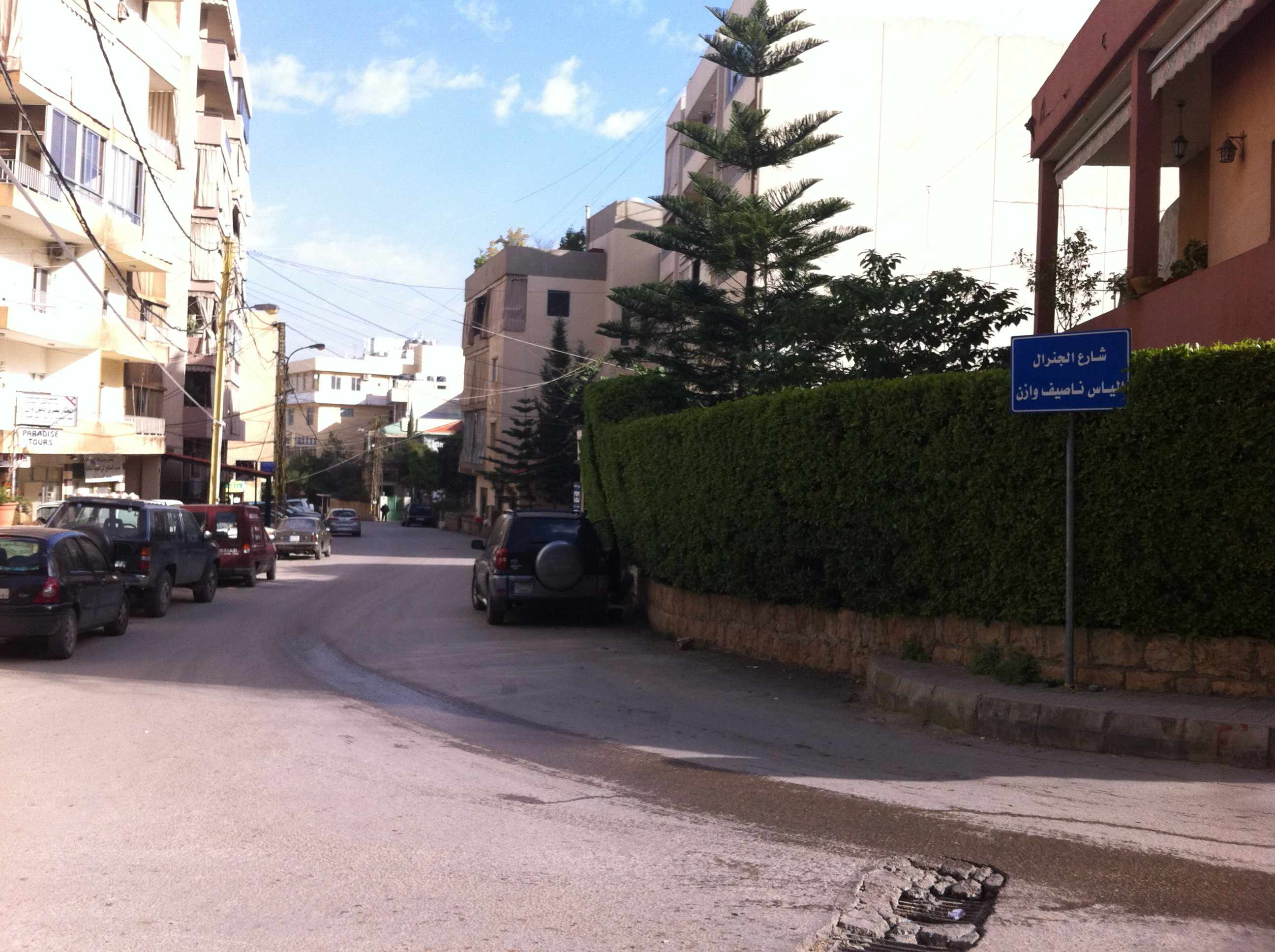
The Dekwaneh archaeological site, located northwest of Mar Roucos monastery, is a significant area for understanding early human tool-making activities. The site yielded a range of flint tools, including Acheulean hand axes and Middle Paleolithic bifaces, indicating a long history of human occupation and tool production. The presence of rock shelters, now destroyed, points to early habitation and utilization of the landscape. Additionally, Neolithic tools associated with the Qaraoun culture, such as massive axes and scrapers, were discovered, suggesting the site served as a production hub during the Neolithic. These findings are currently preserved in the Museum of Lebanese Prehistory, highlighting the site's importance in the study of prehistoric human activities in the region.
Gallery
Explore photographs of ancient structures, artifacts, and archaeological excavations at Dekwaneh
Archaeological Features
Explore the unique architectural and cultural elements found at this historical site
Industrial and Craft Structures
Environmental and Natural Features
Historical Timeline
Journey through time and discover key events in this site's archaeological history
Plan Your Visit
Details
- Country
- Lebanon
- Source
- Wikipedia
More Sites in Lebanon
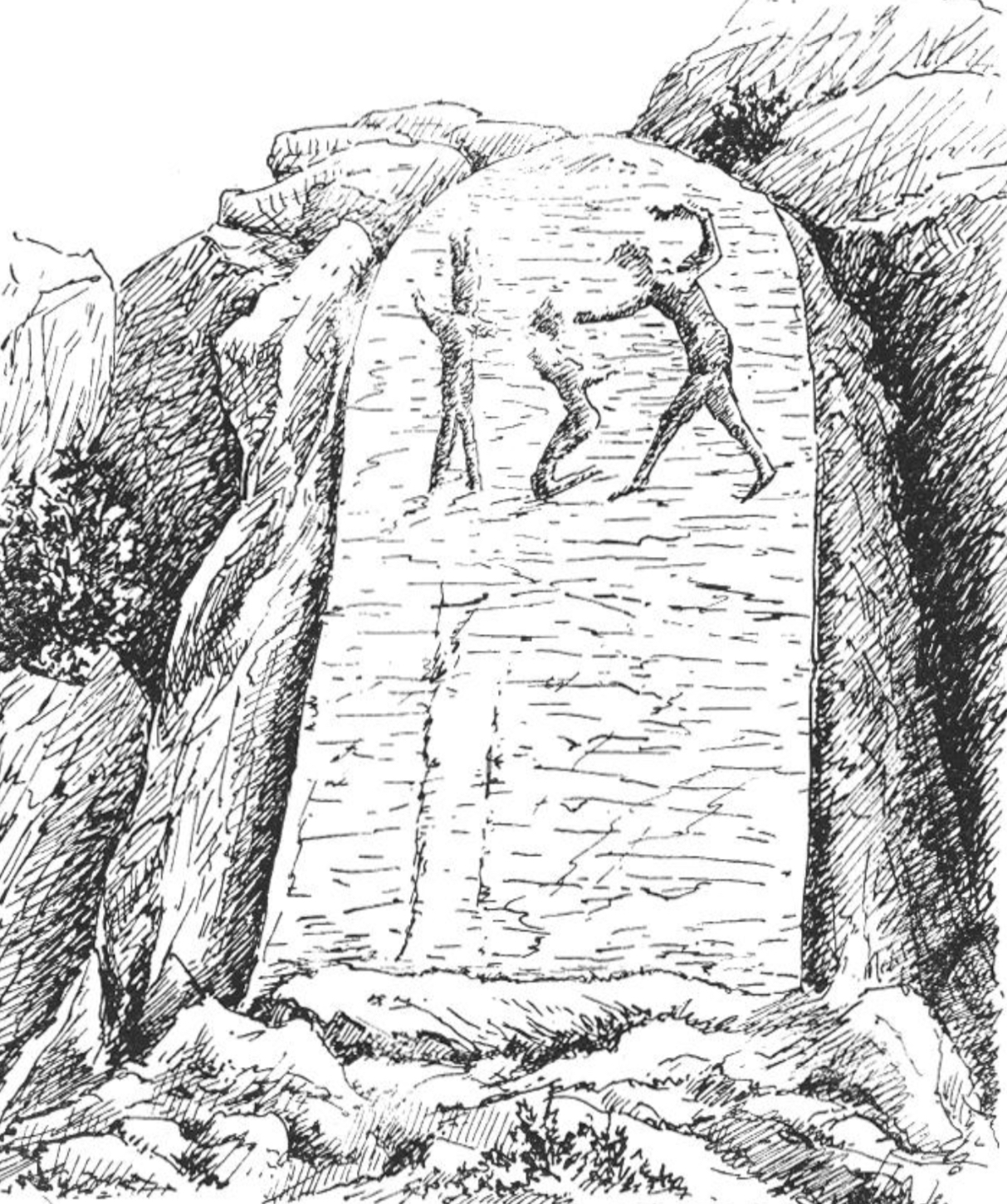
Aadloun
Prehistoric and Phoenician archaeological site
Jeita Grotto
Interconnected karstic limestone caves in Lebanon
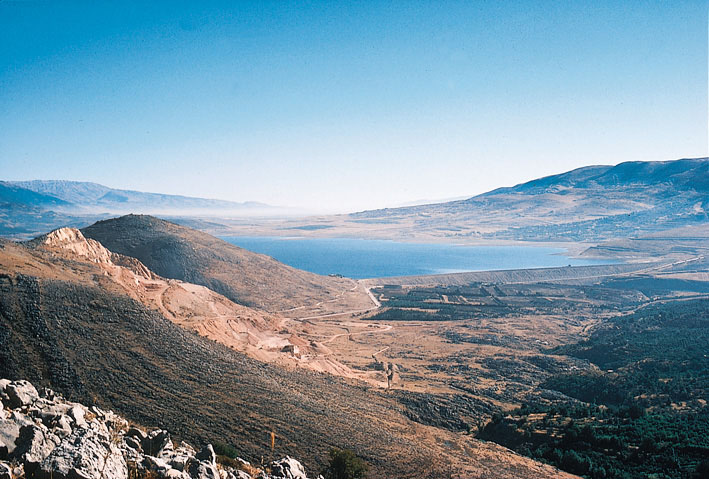
Qaraoun
Heavy Neolithic flint tool site
Sawiri, Lebanon
Neolithic to Bronze Age archaeological site.
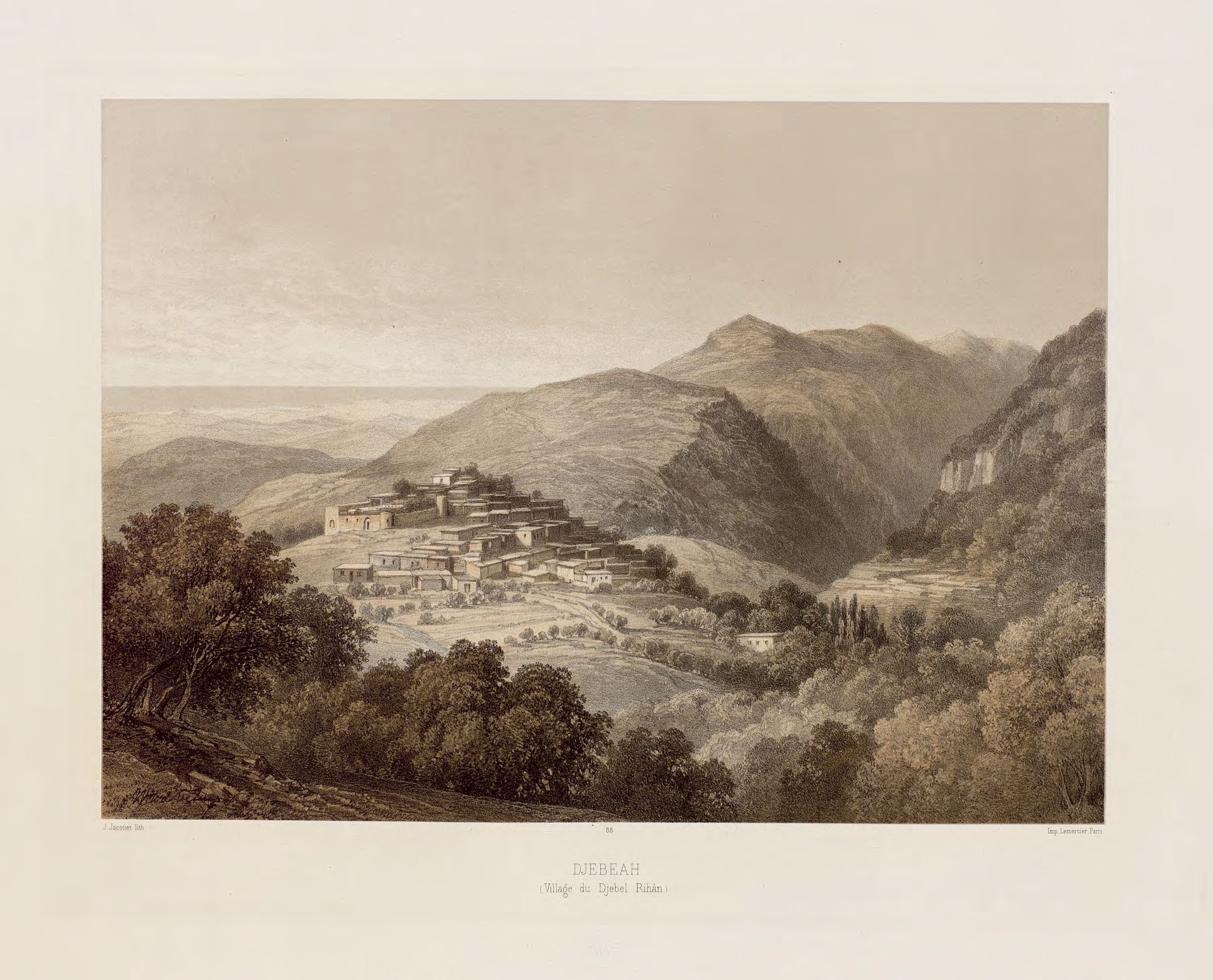
Jbaa
Neolithic to contemporary Lebanese archaeological site
Nachcharini
High-altitude cave on Nachcharini Plateau