
Petroglyphic Complexes of the Mongolian Altai
<p>The numerous rock carvings and funerary monuments found in these three sites illustrate the development of culture in Mongolia over a period of 12,000…
Explore the Map
Petroglyphic Complexes of the Mongolian Altai
48.7390° N, 88.1496° E
About
<p>The numerous rock carvings and funerary monuments found in these three sites illustrate the development of culture in Mongolia over a period of 12,000 years. The earliest images reflect a time (11,000 - 6,000 BC) when the area was partly forested and the valley provided a habitat for hunters of large game. Later images show the transition to herding as the dominant way of life. The most recent images show the transition to a horse-dependent nomadic lifestyle during the early 1st millennium BC, the Scythian period and the later Turkic period (7th and 8th centuries AD). The carvings contribut
Plan Your Visit
Tours, travel arrangements, and practical information
Details
Mongolia
48.74° N, 88.15° E
More Sites in Mongolia
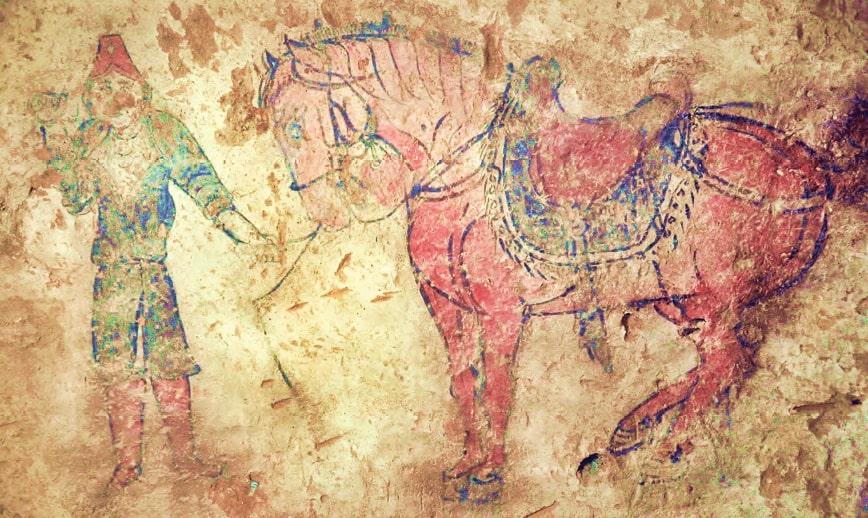
Shoroon Bumbagar tomb
Turkic nobleman tomb with Chinese influence
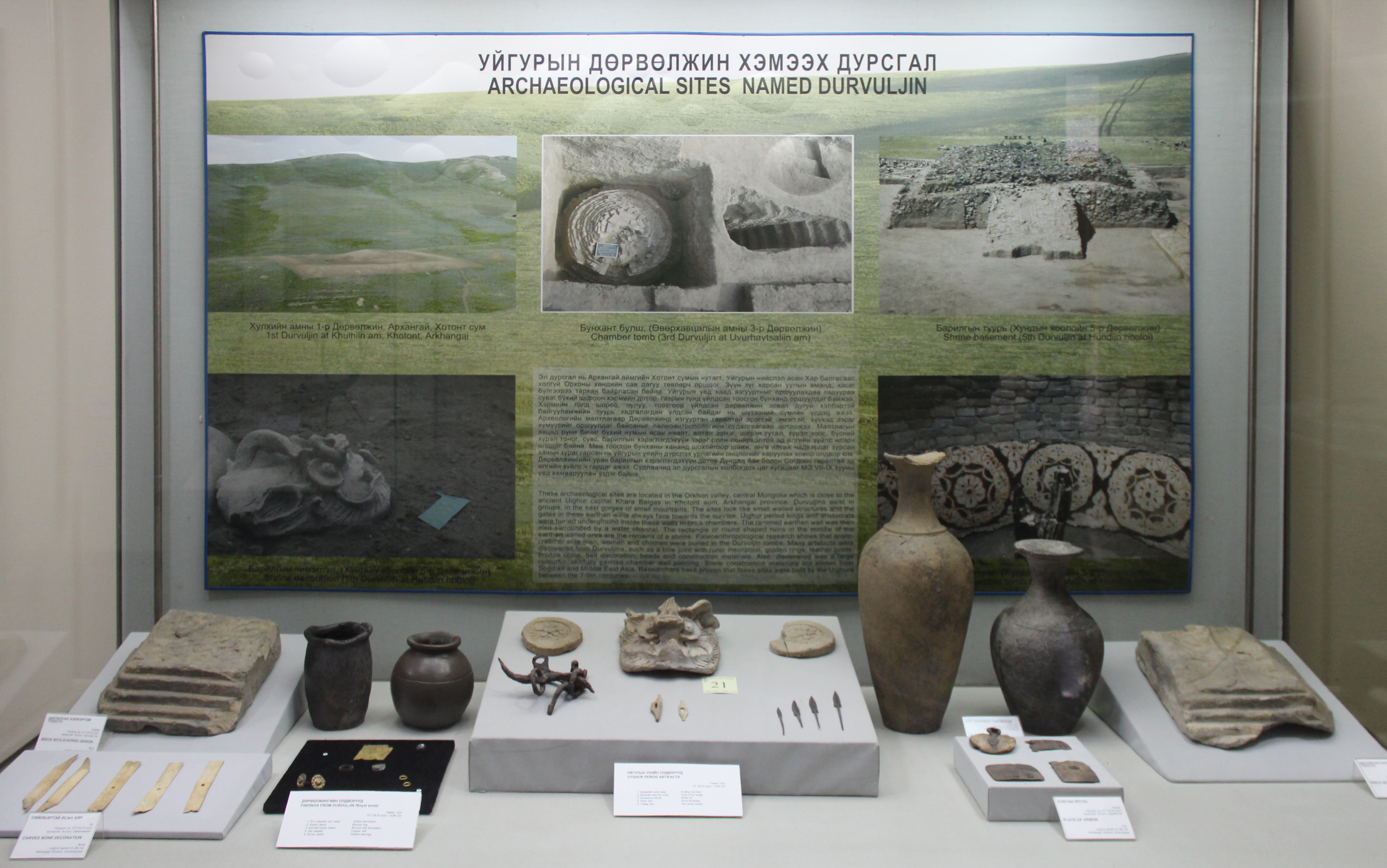
Ordu-Baliq
Ruined Uyghur capital with fortified walls.
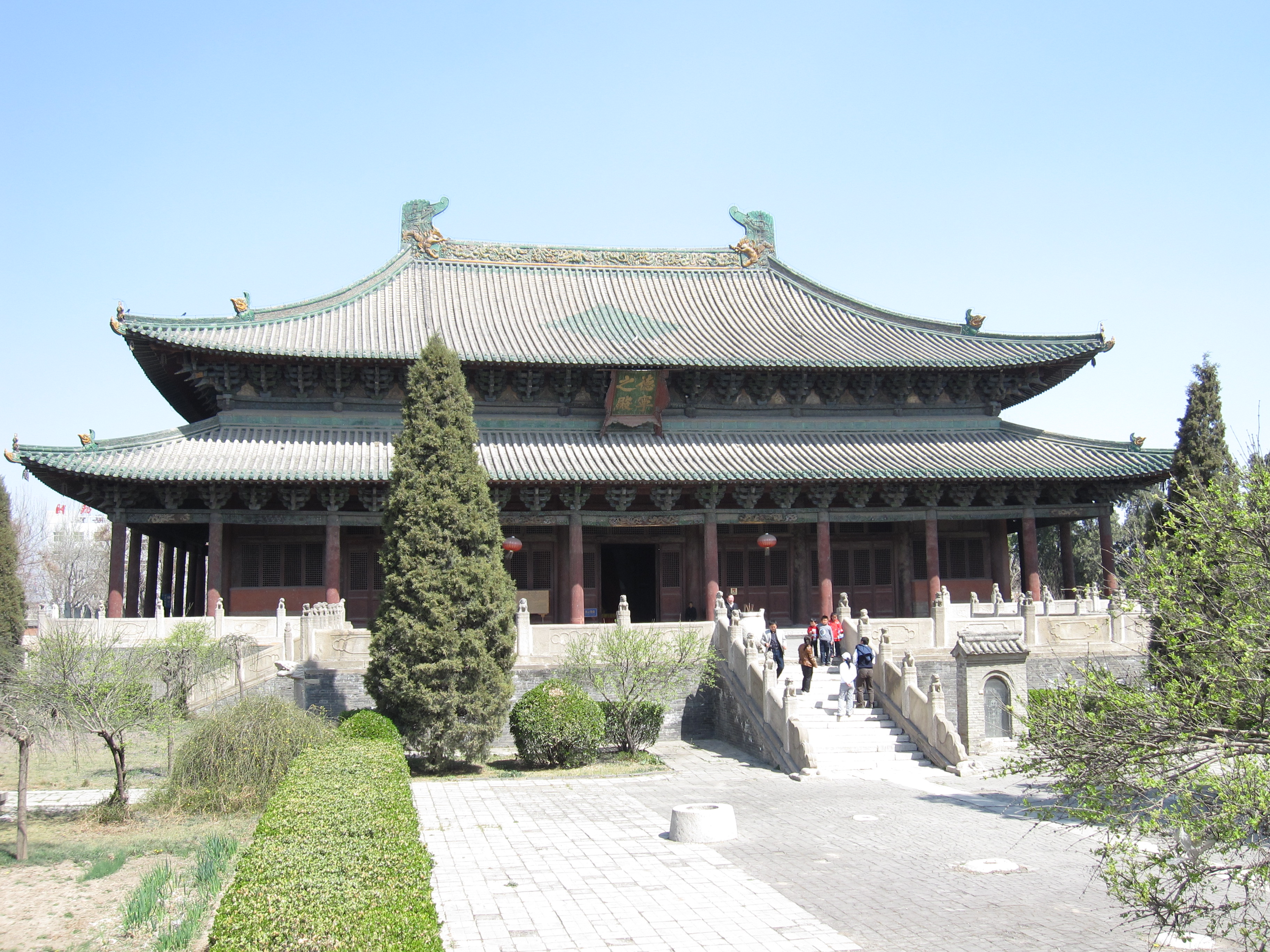
Karakorum
Ruins of Mongol Empire capital city
Deer Stone Monuments and Related Bronze Age Sites
Located on the slopes of the Khangai Ridge in central Mongolia, these deer stones were used for ceremonial and funerary practices. Dating from about 1200 to…
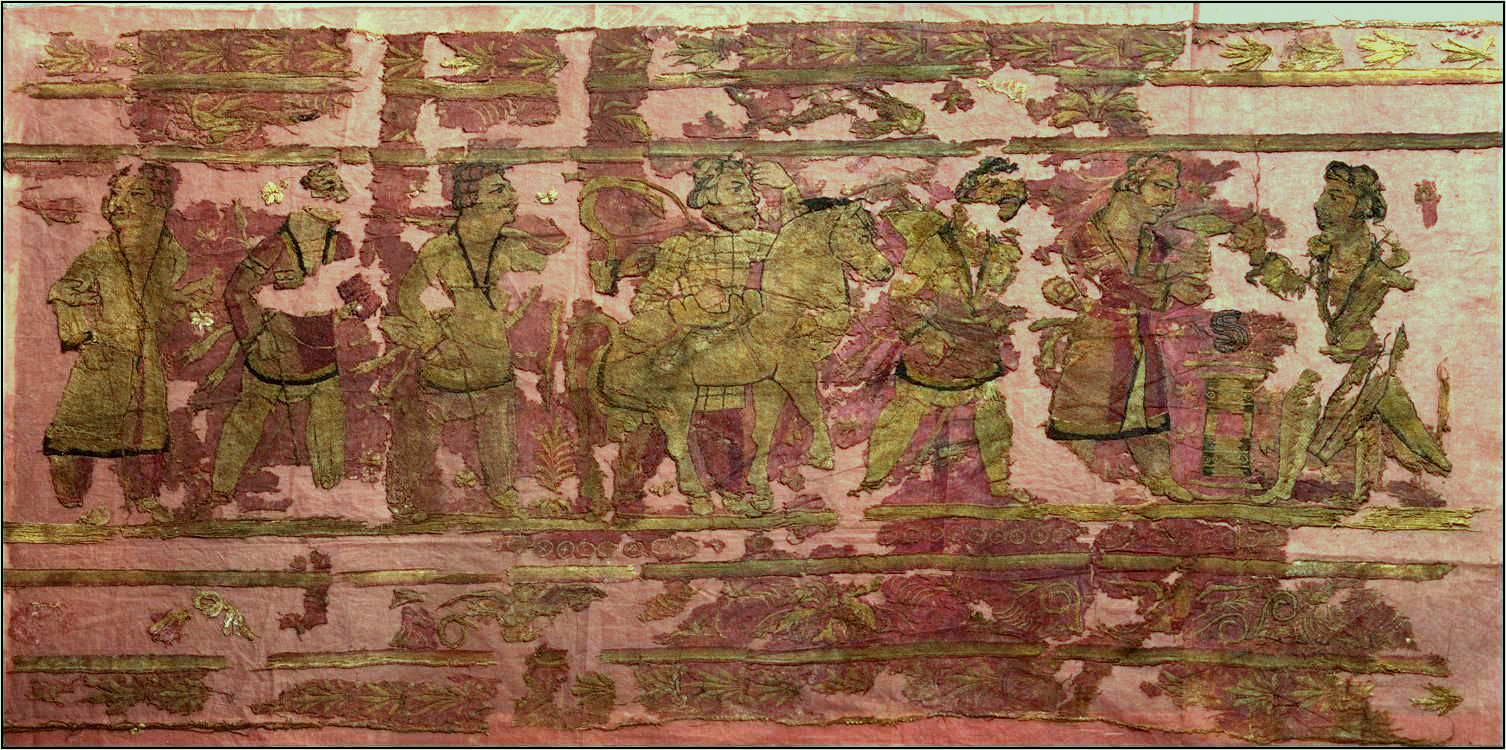
Noin-Ula burial site
Xiongnu burial mounds with preserved artifacts
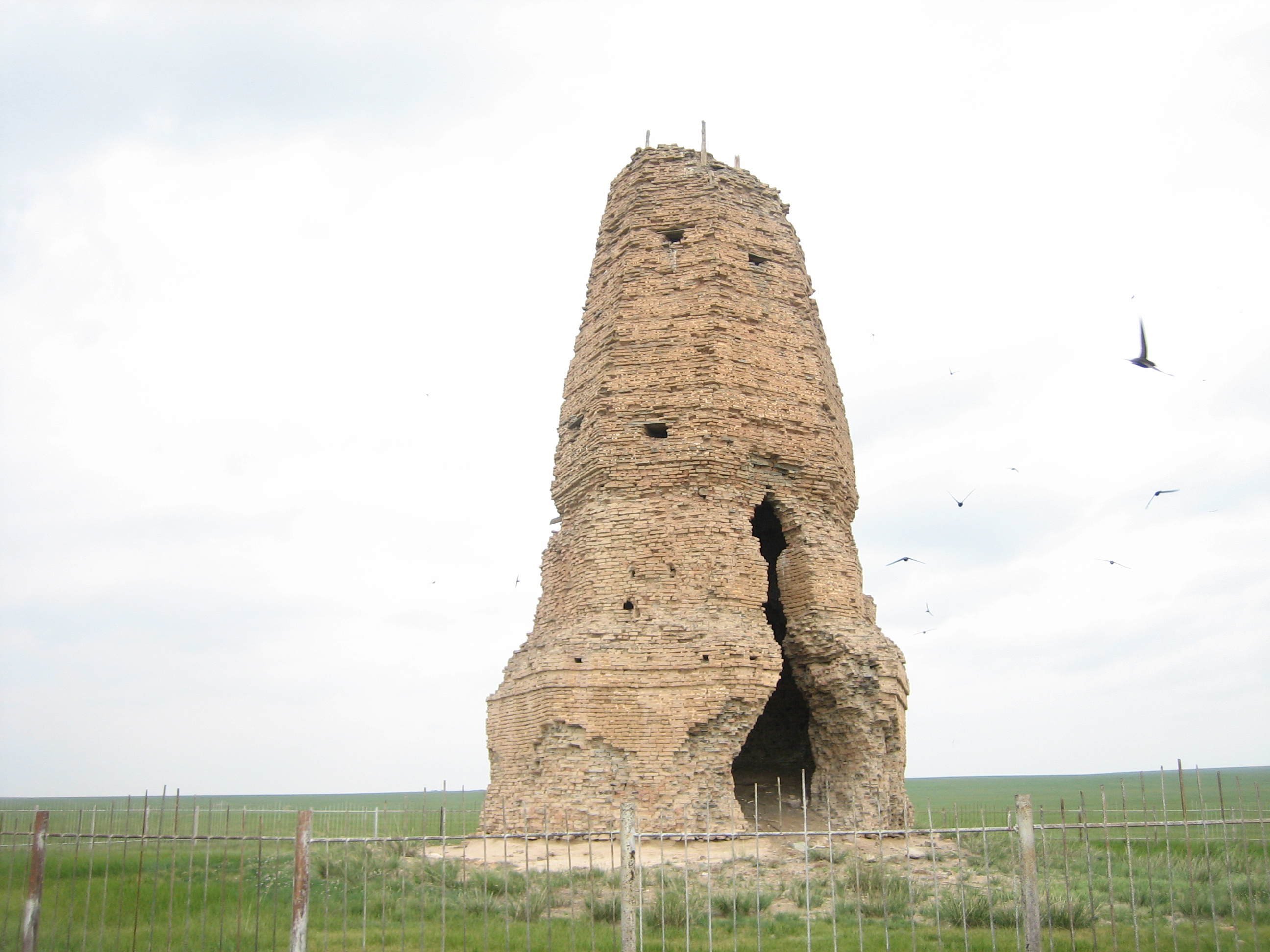
Bars-Hot
Khitan city with mud walls and pagoda.