Explore the Map
Bars-Hot
48.0536° N, 113.3667° E
About
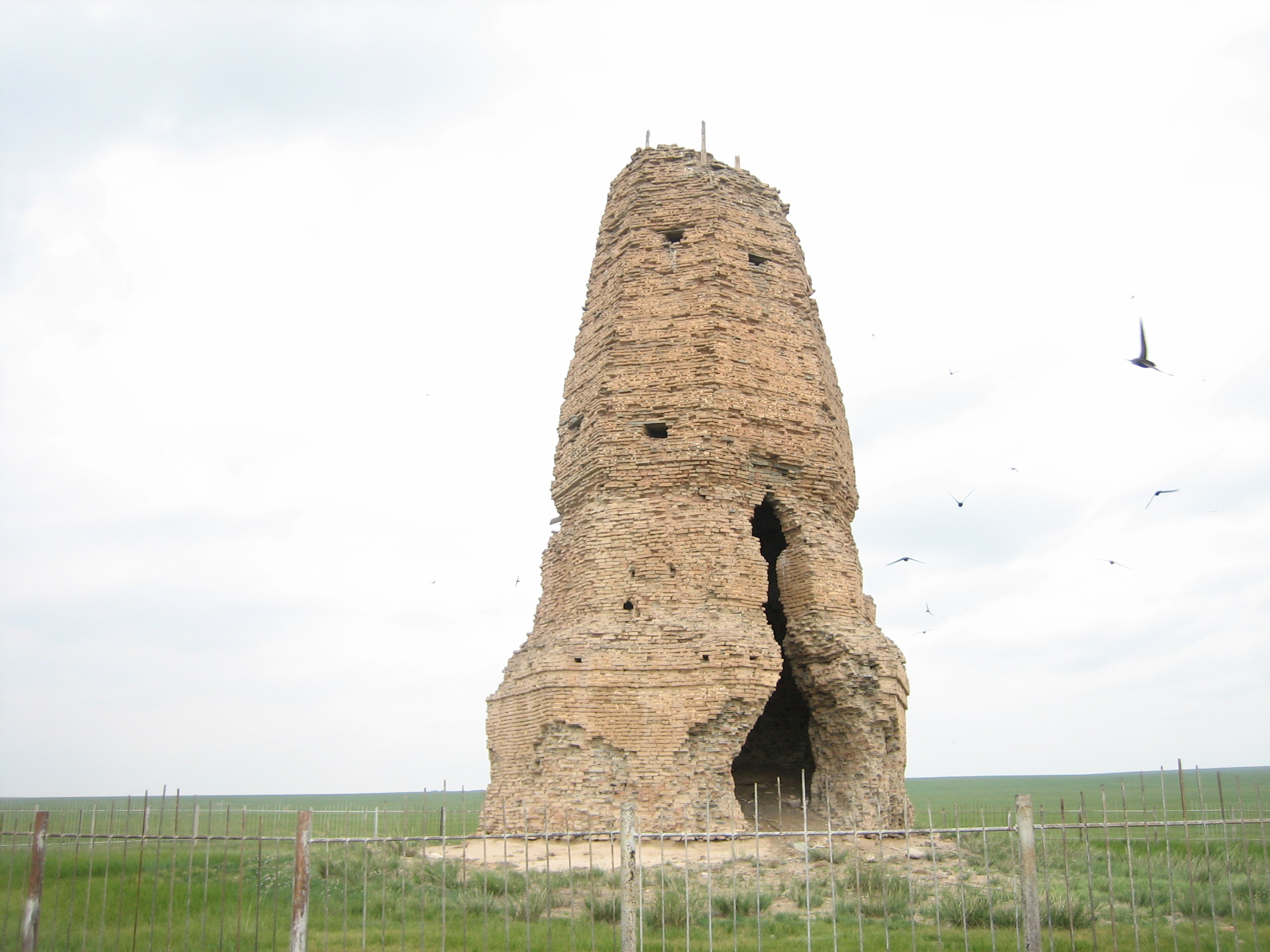
Bars-Hot, or Kherlen Bars, was a significant city constructed by the Khitan people during the Liao dynasty, located in the Kherlen River basin of Eastern Mongolia. The site, known as Hedong City in Chinese, covers an area of 1.6 by 1.8 kilometers and is characterized by its mud walls, which remain 4 meters thick and up to 2 meters high today. A notable feature is the ruined octagonal brick pagoda, originally part of a pair, dating back to the 11th century. Despite the destruction of its smaller counterpart in the 1940s by Soviet forces, the surviving pagoda stands at 16.5 meters, making it Mongolia's tallest pre-modern structure. Recent restorations have preserved its intricate architectural details, including traces of mural paintings. Bars-Hot's remains offer valuable insights into the architectural and cultural practices of the Khitan era.
Gallery
Explore photographs of ancient structures, artifacts, and archaeological excavations
Historical Timeline
Journey through time and discover key events in this site's history
Construction of Bars-Hot
11th century CE
Destruction of Smaller Pagoda
1940s CE
Archaeological Features
Unique architectural and cultural elements found at this historical site
Defensive Structures
Religious and Ritual Structures
Domestic and Habitation Structures
Frequently Asked Questions
Plan Your Visit
Tours, travel arrangements, and practical information
More Sites in Mongolia
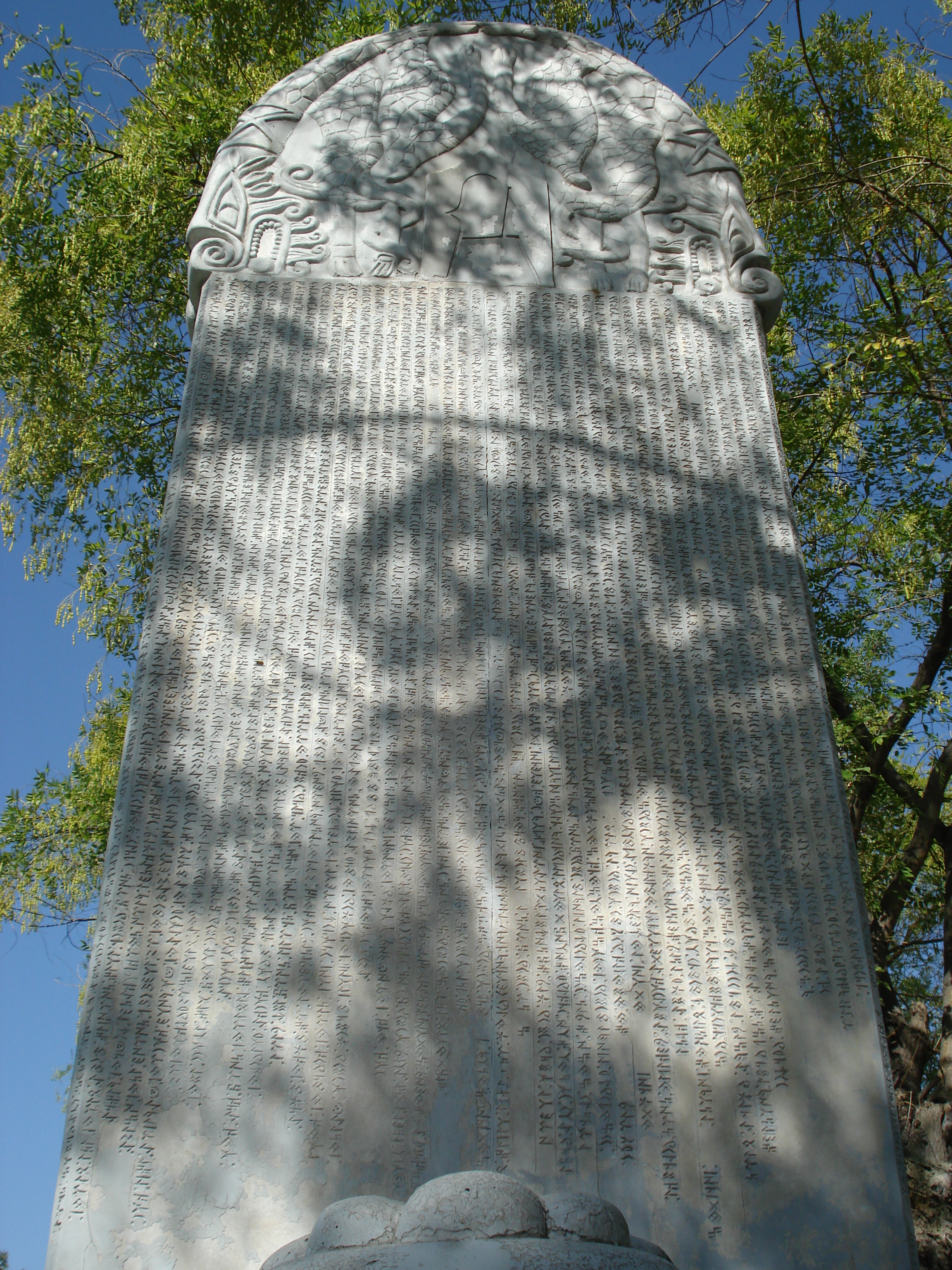
Orkhon inscriptions
Early 8th-century Göktürk memorial steles
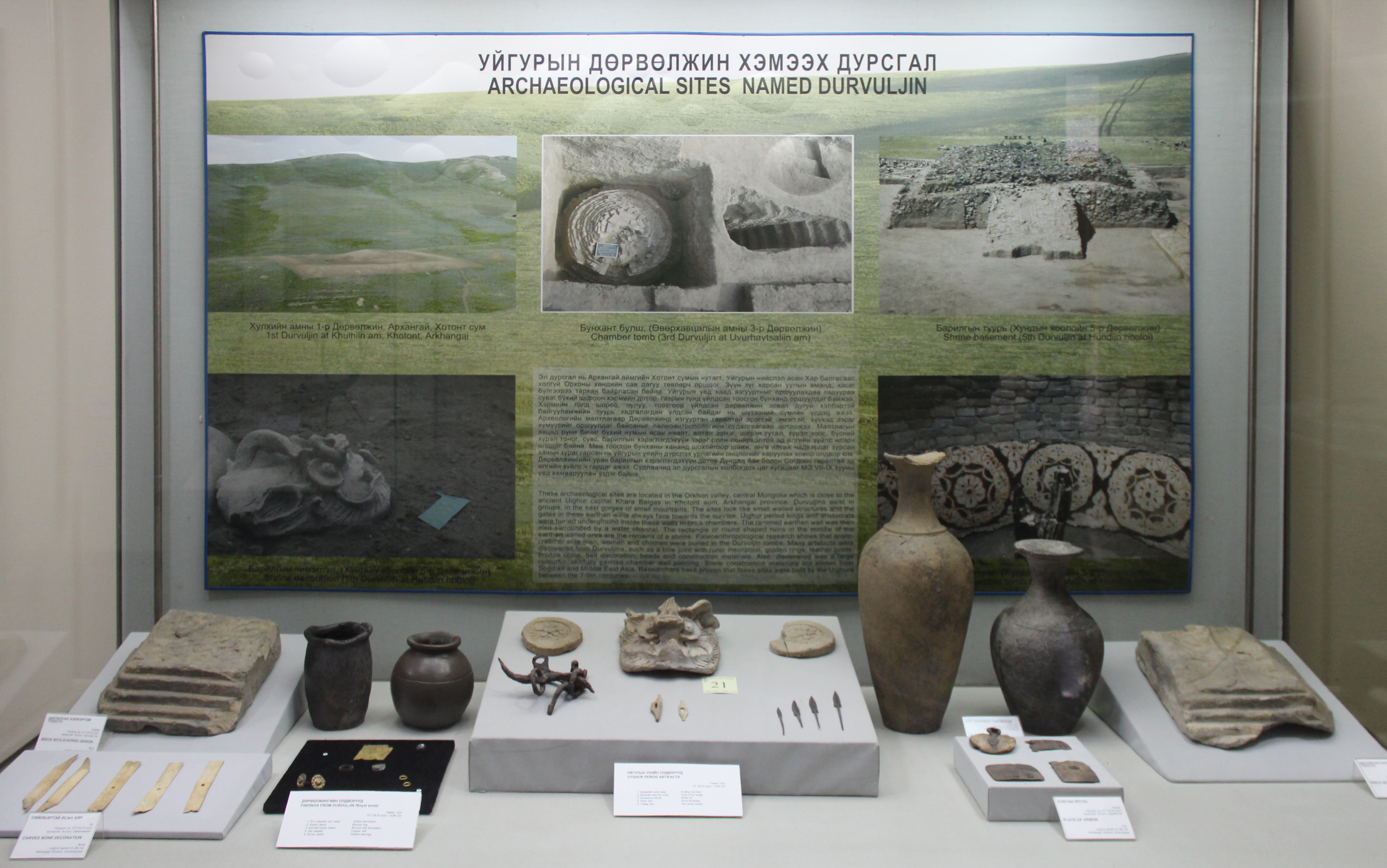
Ordu-Baliq
Ruined Uyghur capital with fortified walls.
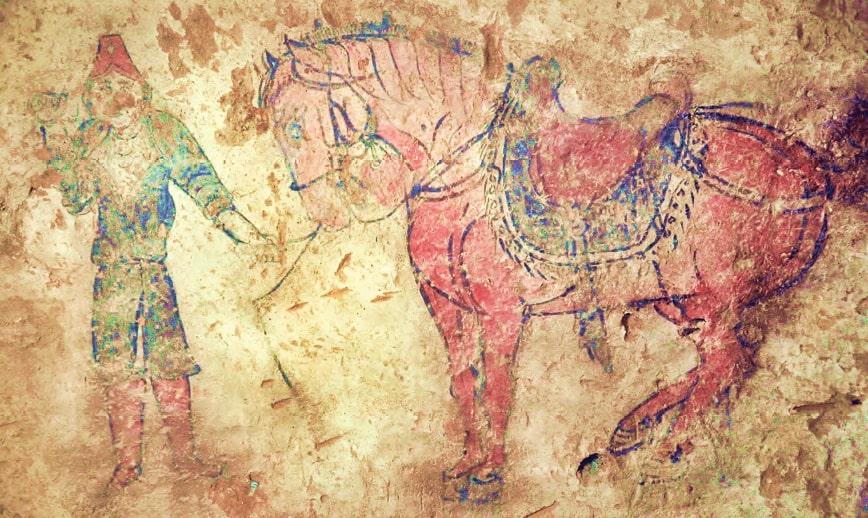
Shoroon Bumbagar tomb
Turkic nobleman tomb with Chinese influence
Karakorum
Ruins of Mongol Empire capital city
Petroglyphic Complexes of the Mongolian Altai
<p>The numerous rock carvings and funerary monuments found in these three sites illustrate the development of culture in Mongolia over a period of 12,000…
Great Burkhan Khaldun Mountain and its surrounding sacred landscape
<p>The site is situated in the north-east of the country in the central part of the Khentii mountain chain where the vast Central Asian steppe meets the…