Explore the Map
Noin-Ula burial site
48.3862° N, 106.7550° E
About
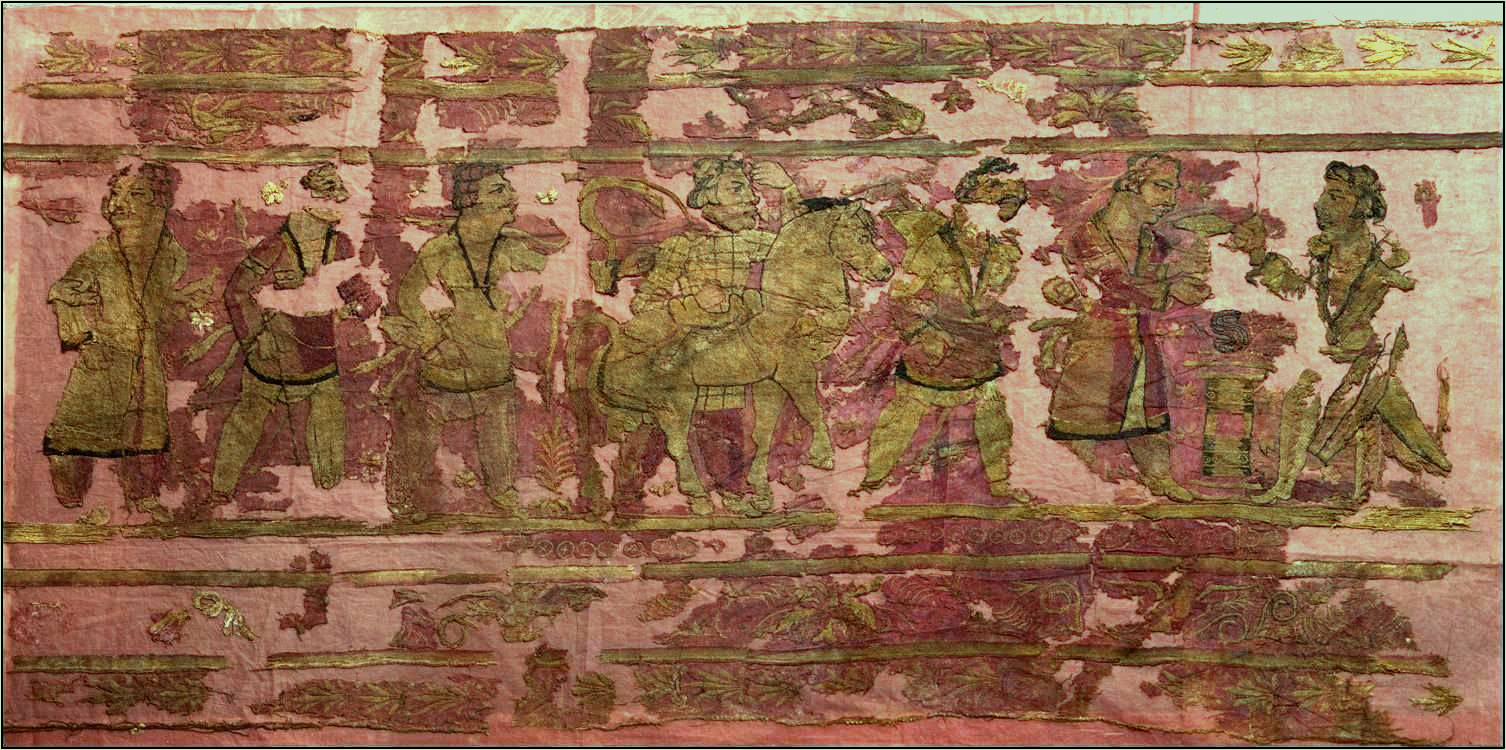
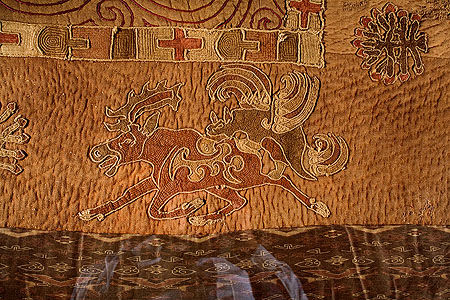
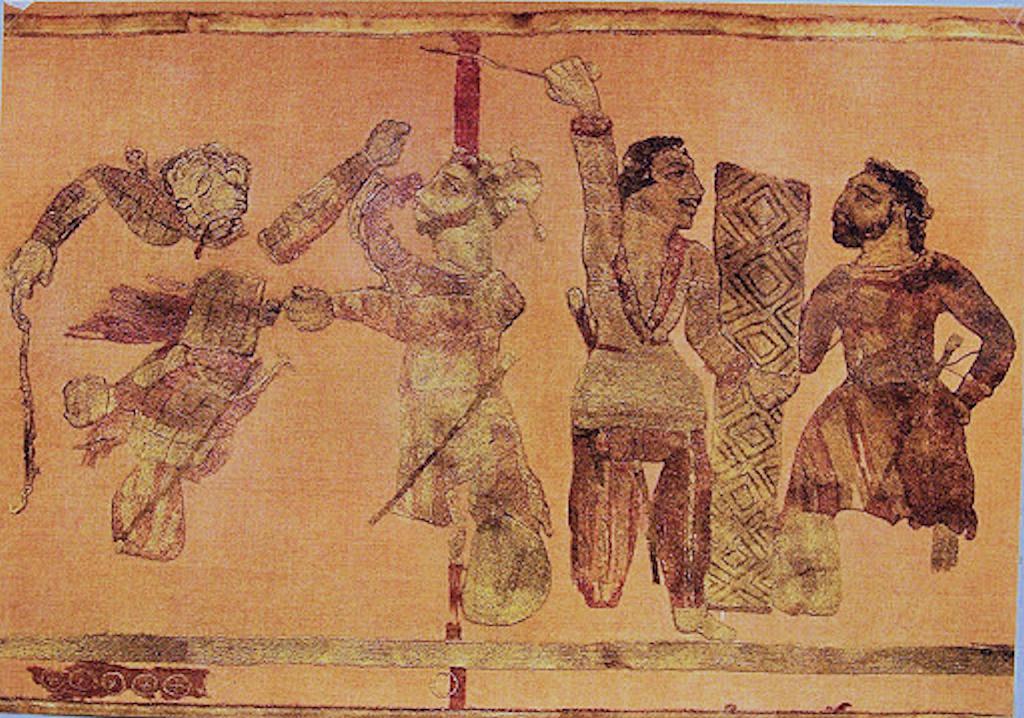
The Noin-Ula burial site, located in northern Mongolia near the Selenga River, is a significant archaeological site consisting of over 200 large burial mounds. These mounds, approximately 2 meters in height, contain timber burial chambers and are associated with the Xiongnu aristocracy. Excavations have revealed exceptionally preserved artifacts due to the unique freezing conditions of the tombs. The site is notably linked to Wuzhuliu, a historically recognized Xiongnu ruler, whose burial included lavish goods of local, Chinese, and Bactrian origin. The presence of imported artifacts and textiles suggests extensive trade networks along the Silk Road. The Noin-Ula site provides valuable insights into the cultural and political dynamics of the Xiongnu and their interactions with neighboring civilizations during the Late Iron Age and early Classical Period.
Gallery
Explore photographs of ancient structures, artifacts, and archaeological excavations
Historical Timeline
Journey through time and discover key events in this site's history
Chinese Cup Inscription
1 BCE
Wuzhuliu's Burial
13 CE
Archaeological Features
Unique architectural and cultural elements found at this historical site
Burial and Funerary Structures
Frequently Asked Questions
Plan Your Visit
Tours, travel arrangements, and practical information


More Sites in Mongolia
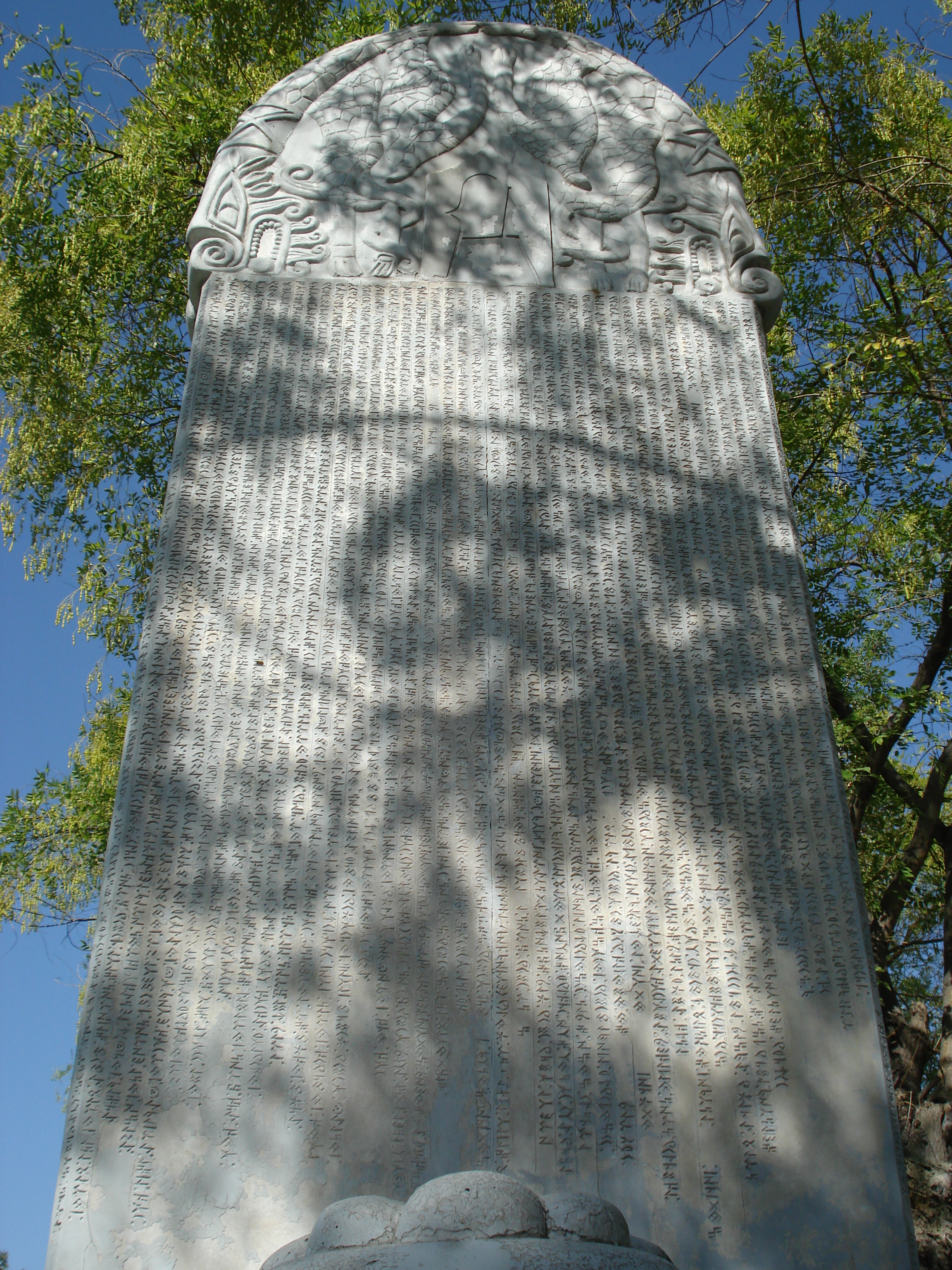
Orkhon inscriptions
Early 8th-century Göktürk memorial steles
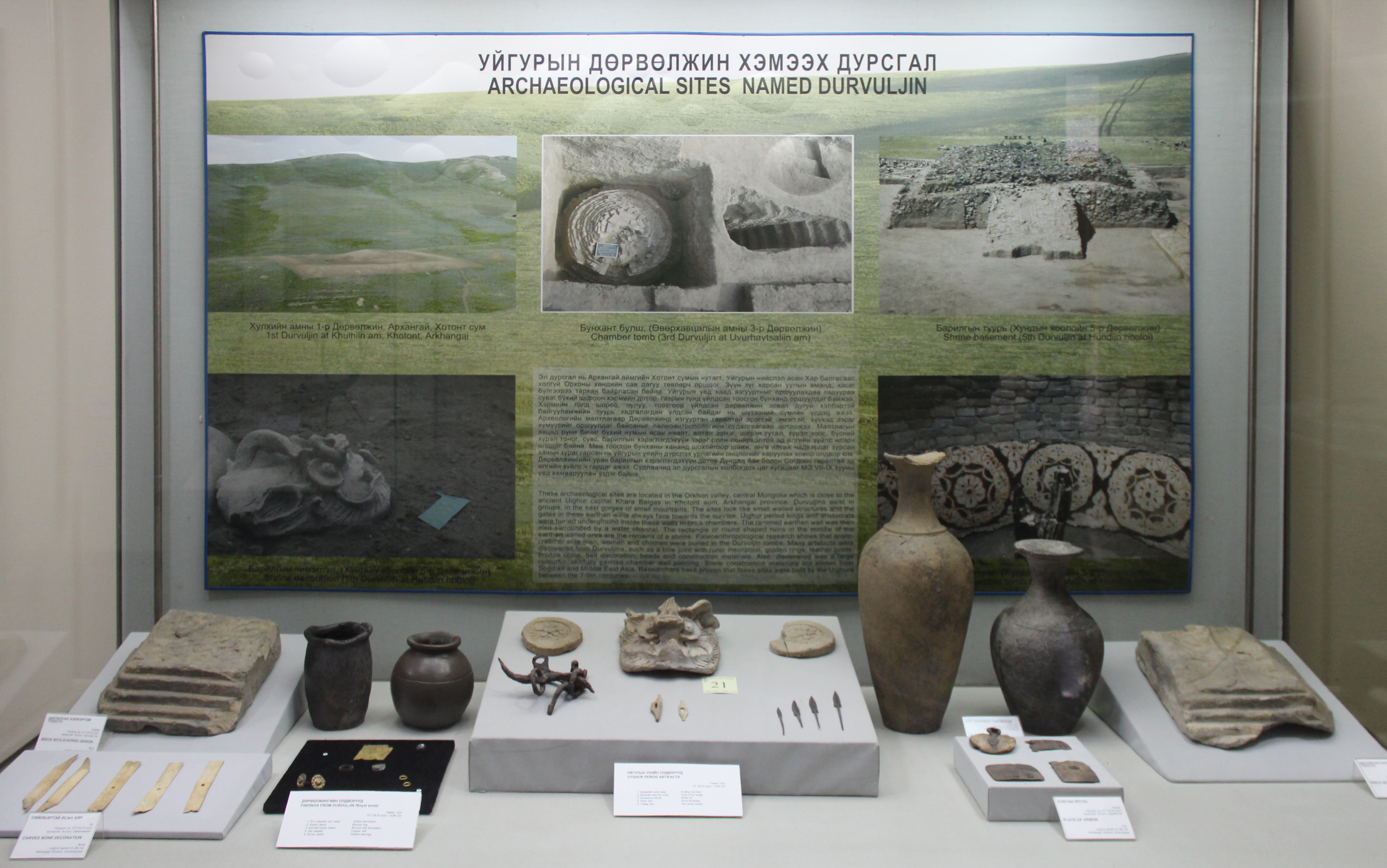
Ordu-Baliq
Ruined Uyghur capital with fortified walls.
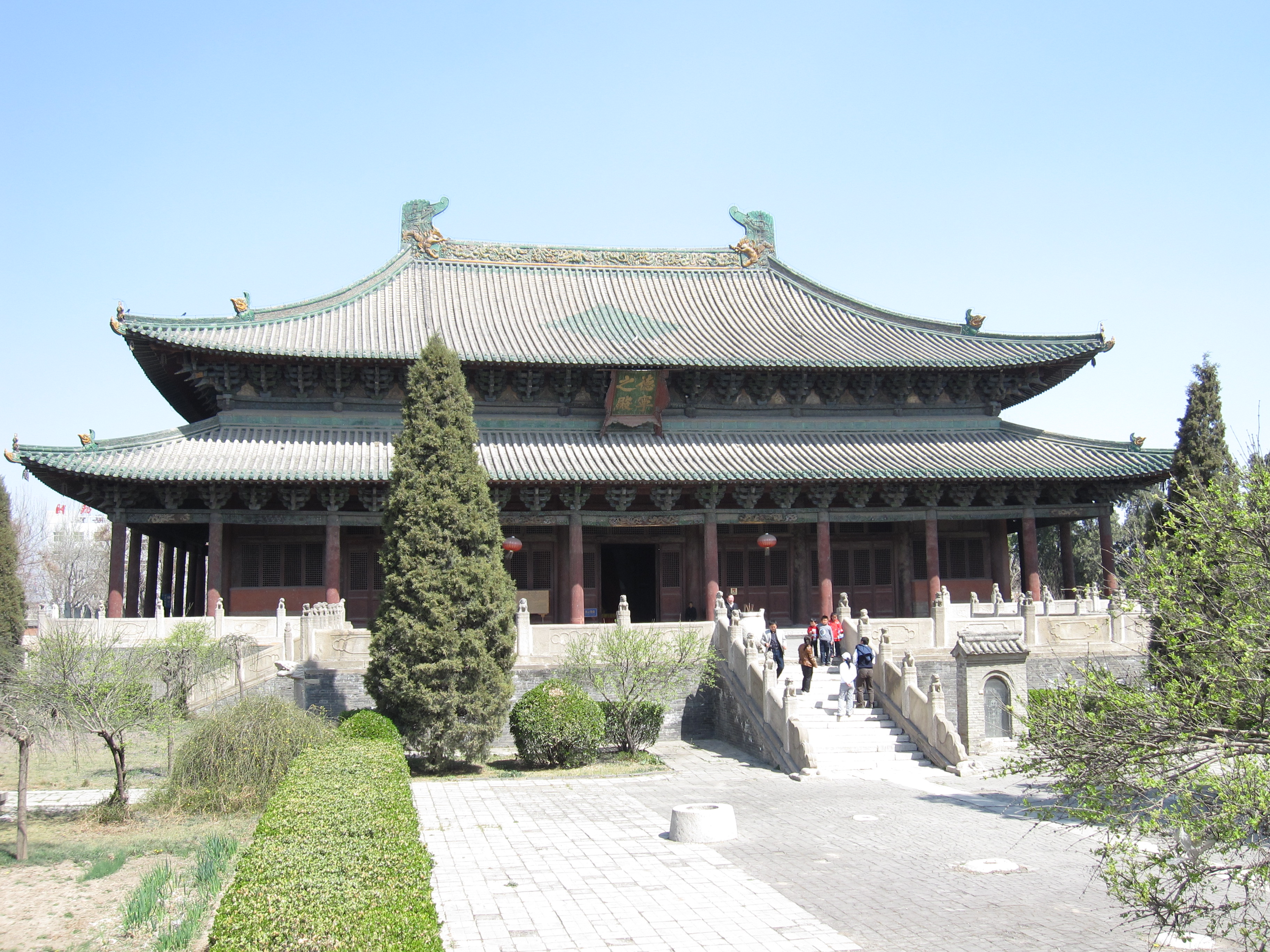
Karakorum
Ruins of Mongol Empire capital city
Deer Stone Monuments and Related Bronze Age Sites
Located on the slopes of the Khangai Ridge in central Mongolia, these deer stones were used for ceremonial and funerary practices. Dating from about 1200 to…
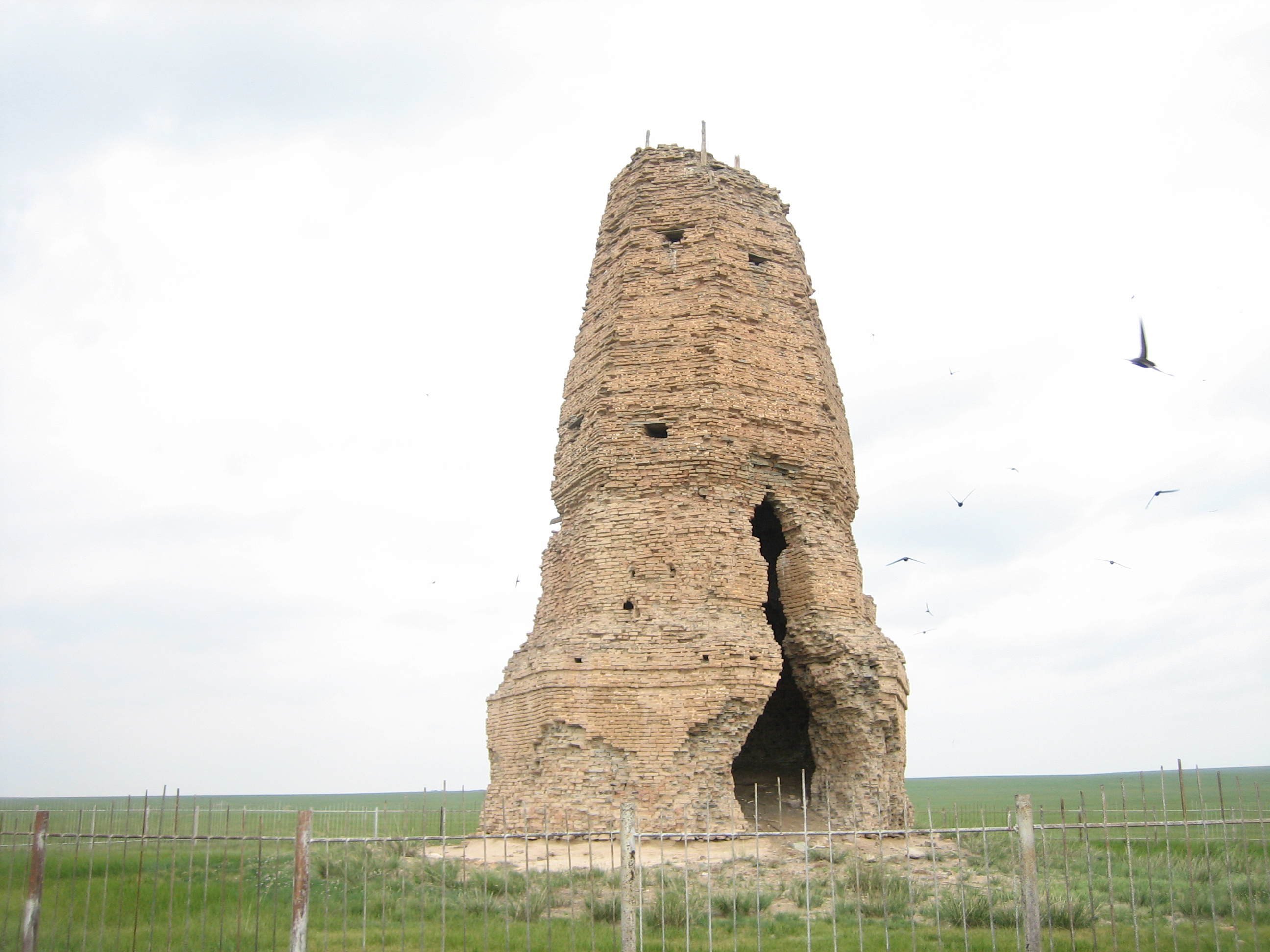
Bars-Hot
Khitan city with mud walls and pagoda.
Petroglyphic Complexes of the Mongolian Altai
<p>The numerous rock carvings and funerary monuments found in these three sites illustrate the development of culture in Mongolia over a period of 12,000…