
Explore the Map
Ordu-Baliq
47.4311° N, 102.6594° E
About
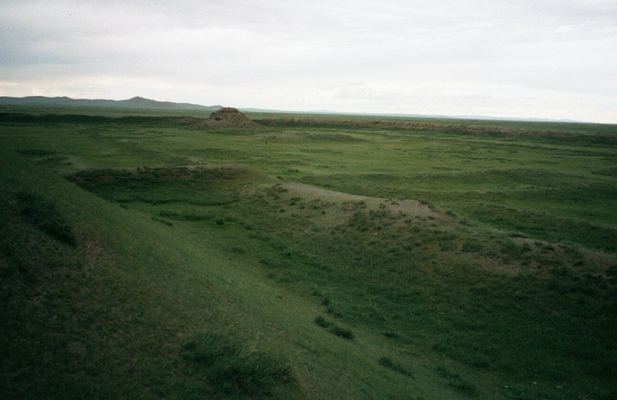
Ordu-Baliq, also known as Mubalik and Karabalghasun, was the capital of the Uyghur Khaganate, strategically located in the Orkhon Valley of Mongolia. Established in 744 CE on the site of the former Göktürk imperial capital, it was a significant cultural and political center until its destruction in 840 CE by the Yenisei Kyrgyz. Archaeologically, the city is notable for its large scale, covering at least 32 square kilometers, and its fortified structures, including double clay walls, watchtowers, and a citadel. The site also featured a palace, temples, a stupa, and robust infrastructure for trade, reflecting its importance on the Silk Road. The architectural style shows influences from T'ang Chinese models, with unique Uyghur elements like the golden yurt.
Gallery
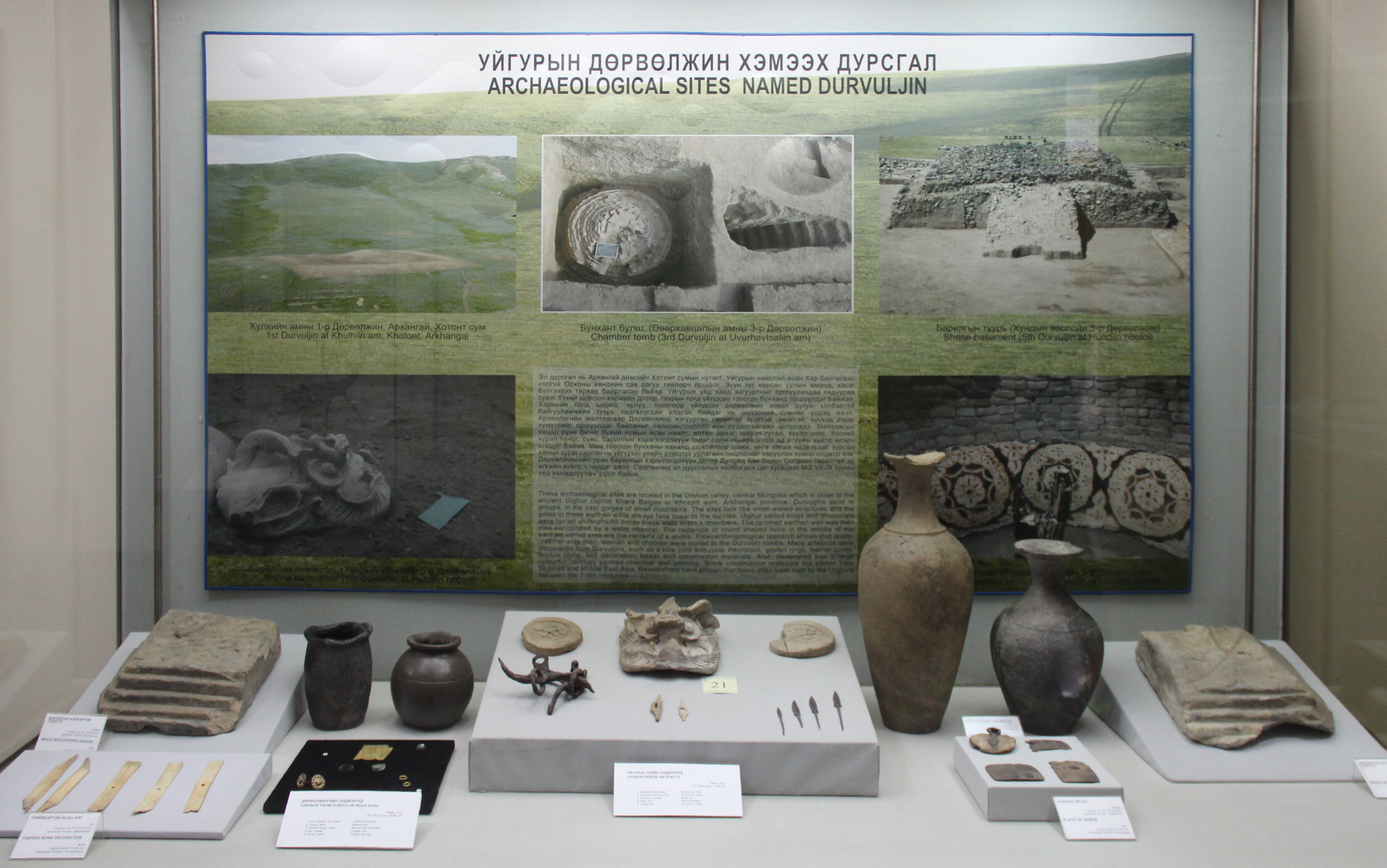
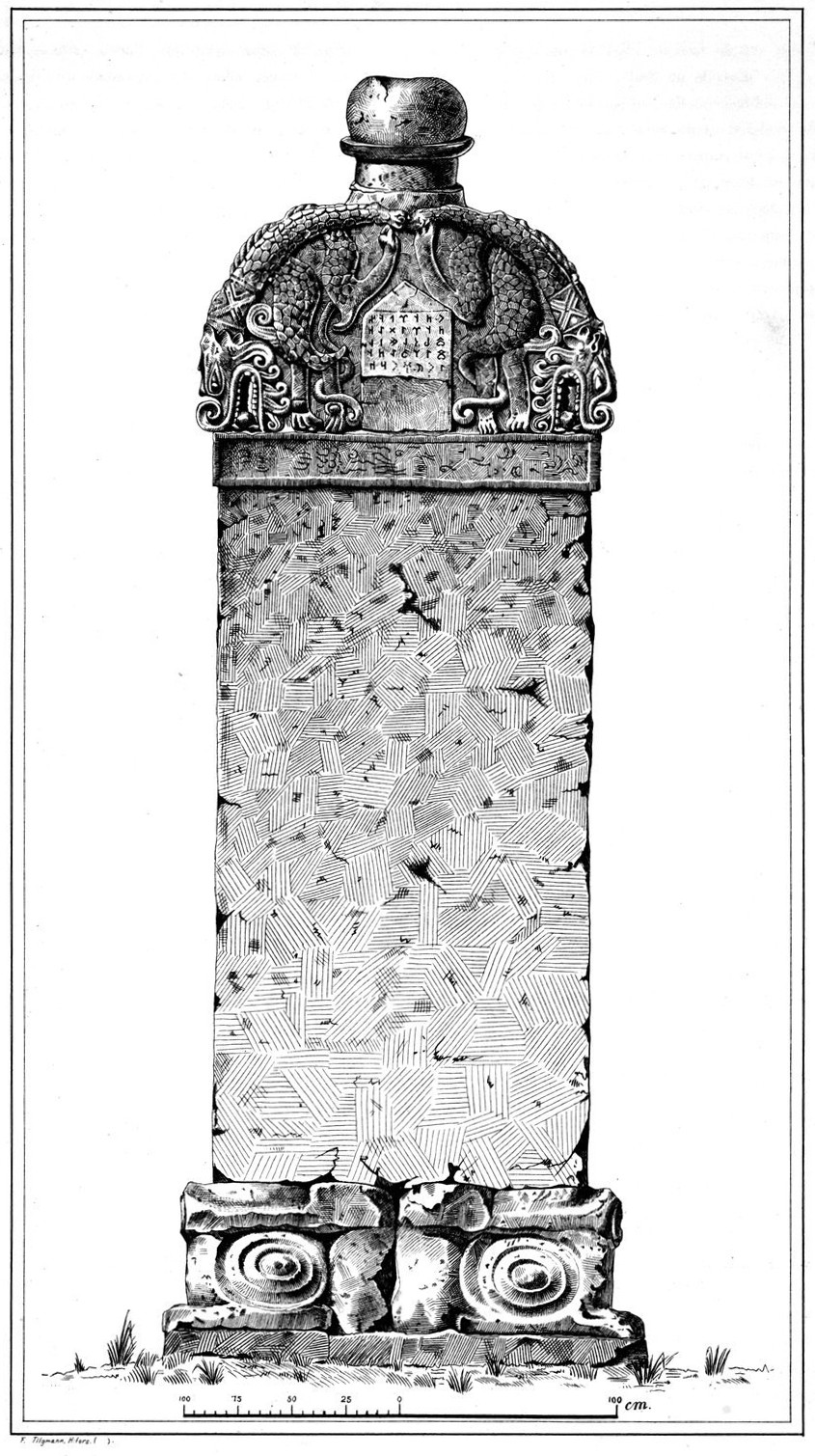
Explore photographs of ancient structures, artifacts, and archaeological excavations
Historical Timeline
Journey through time and discover key events in this site's history
Uyghur Capital Established
744 CE
Destruction by Yenisei Kyrgyz
840 CE
Archaeological Features
Unique architectural and cultural elements found at this historical site
Defensive Structures
Animal Husbandry Features
Water Management Features
Public and Civic Structures
Religious and Ritual Structures
Artistic and Decorative Features
Domestic and Habitation Structures
Frequently Asked Questions
Plan Your Visit
Tours, travel arrangements, and practical information
More Sites in Mongolia
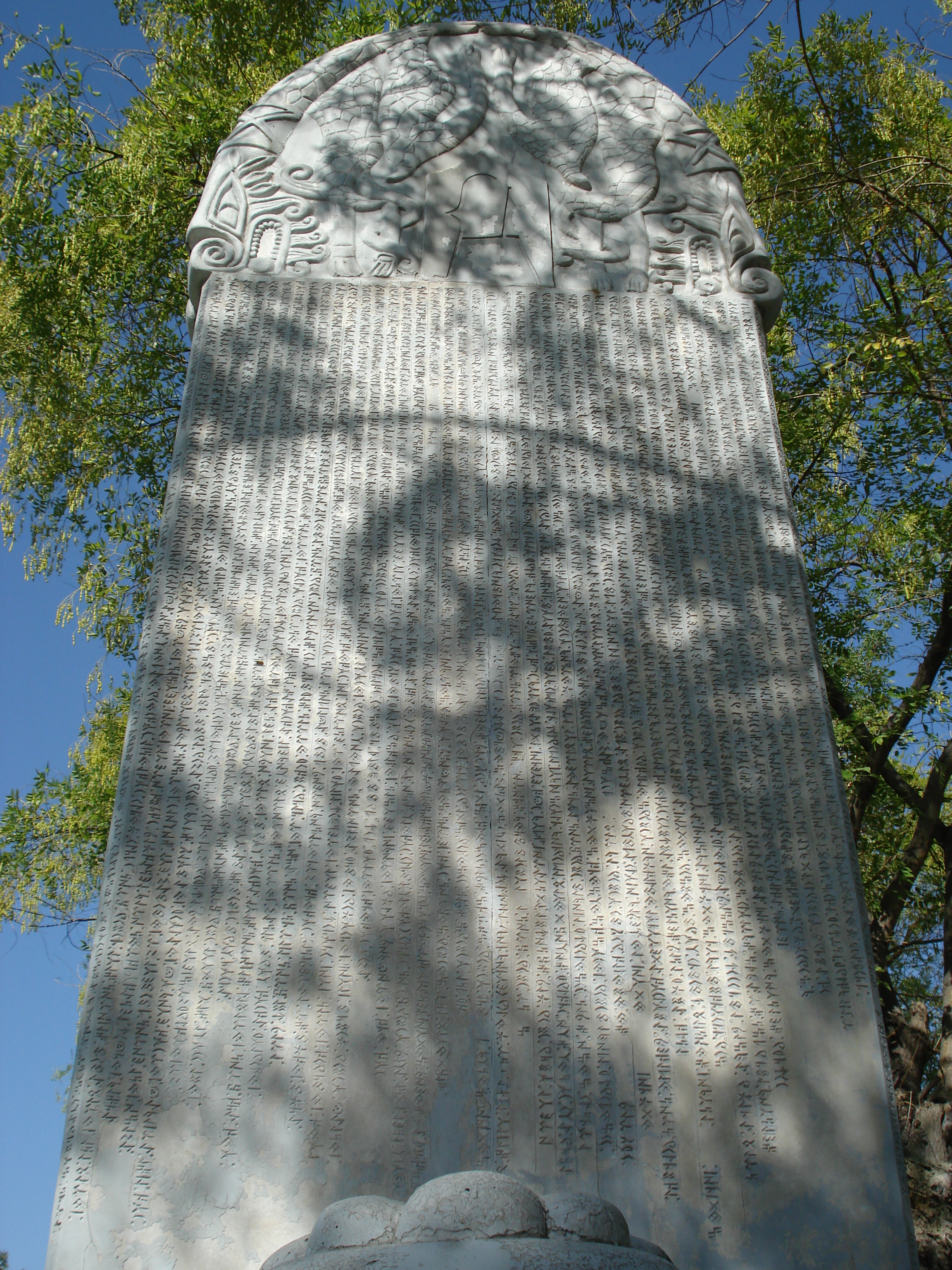
Orkhon inscriptions
Early 8th-century Göktürk memorial steles
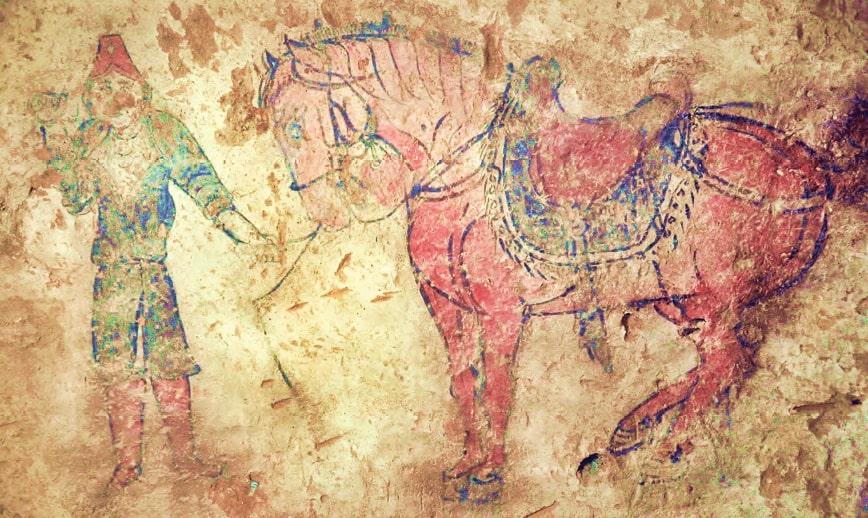
Shoroon Bumbagar tomb
Turkic nobleman tomb with Chinese influence
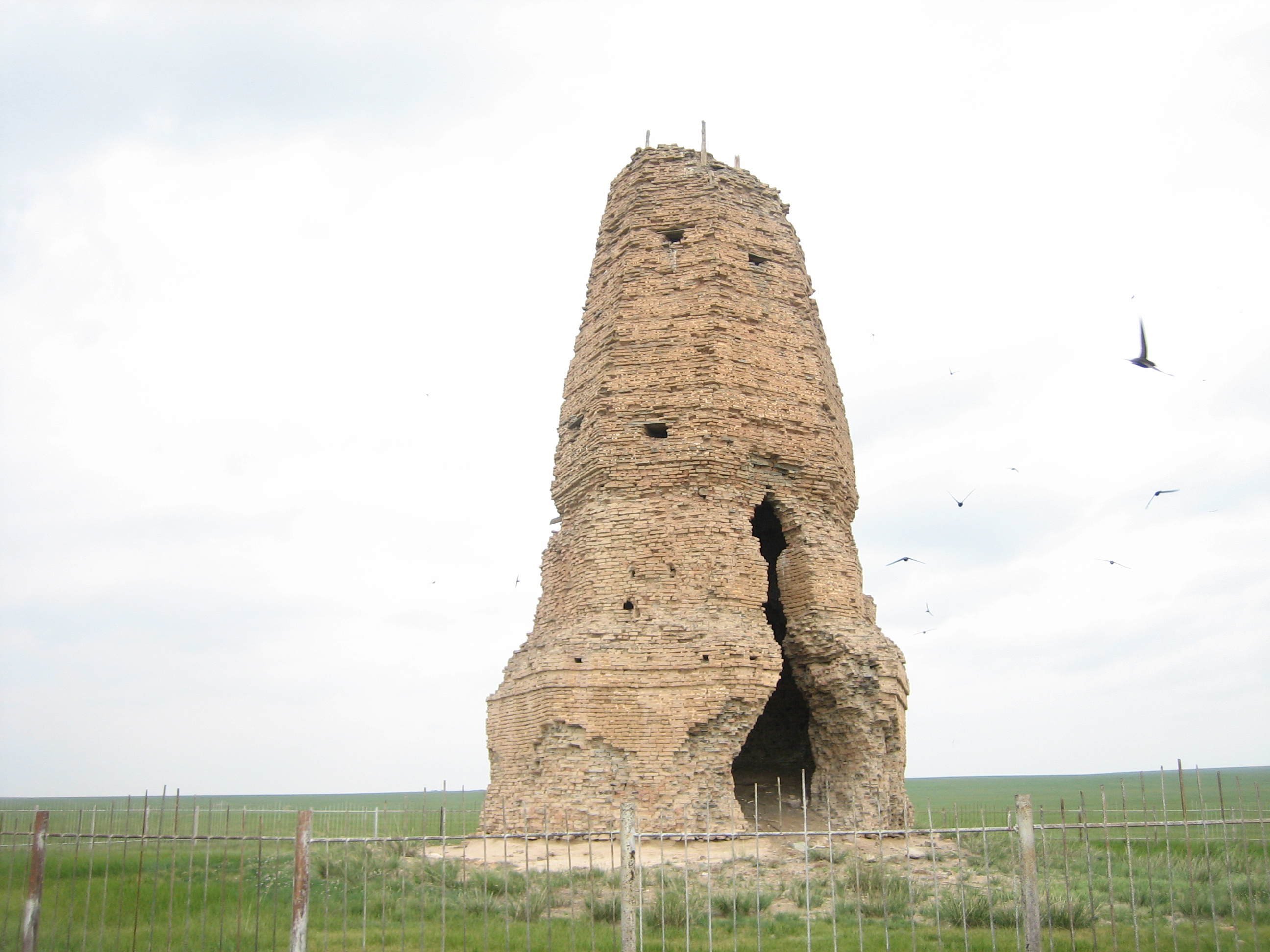
Bars-Hot
Khitan city with mud walls and pagoda.
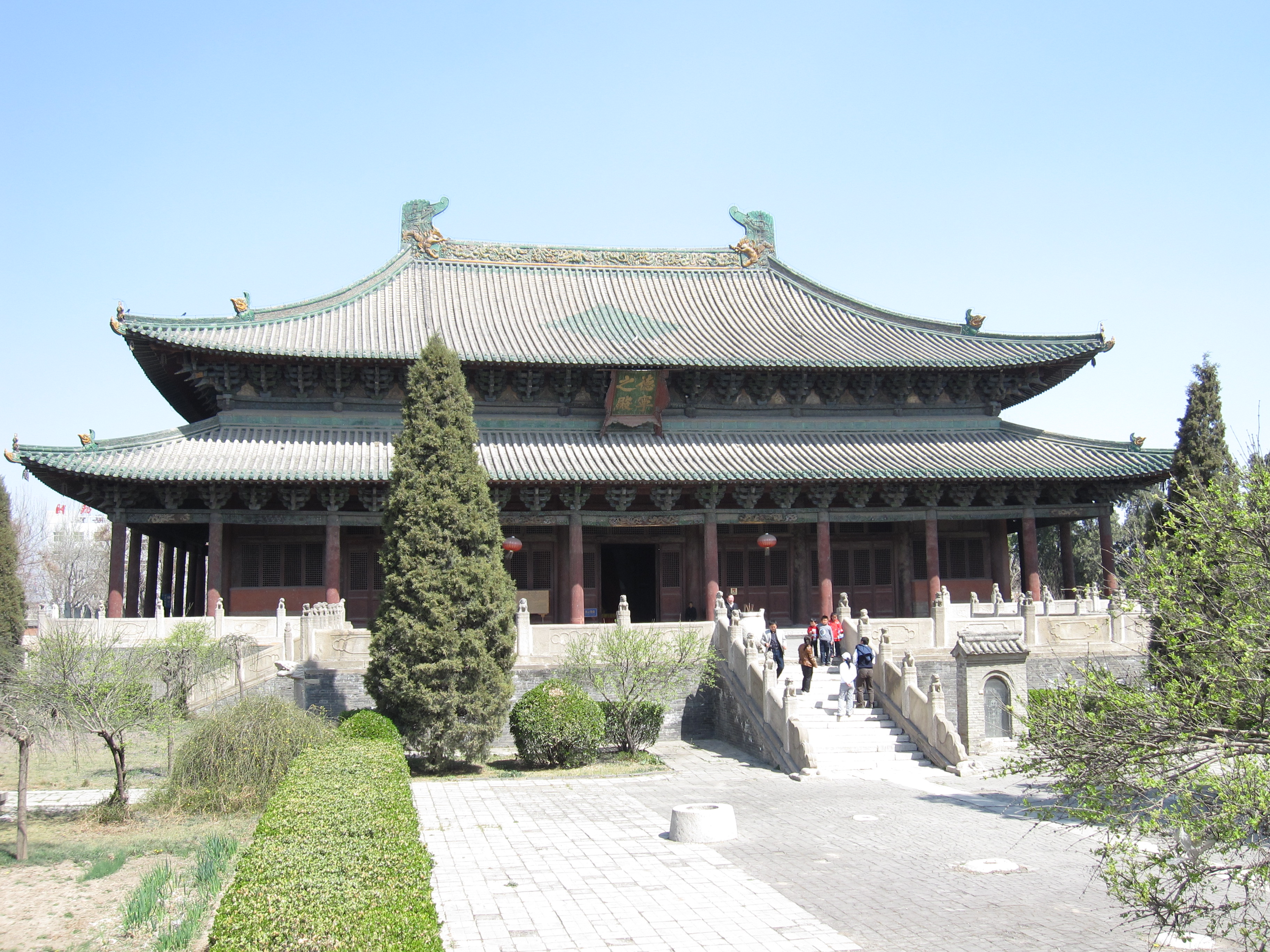
Karakorum
Ruins of Mongol Empire capital city
Petroglyphic Complexes of the Mongolian Altai
<p>The numerous rock carvings and funerary monuments found in these three sites illustrate the development of culture in Mongolia over a period of 12,000…
Deer Stone Monuments and Related Bronze Age Sites
Located on the slopes of the Khangai Ridge in central Mongolia, these deer stones were used for ceremonial and funerary practices. Dating from about 1200 to…