
Explore the Map
Orkhon inscriptions
47.5606° N, 102.8411° E
About
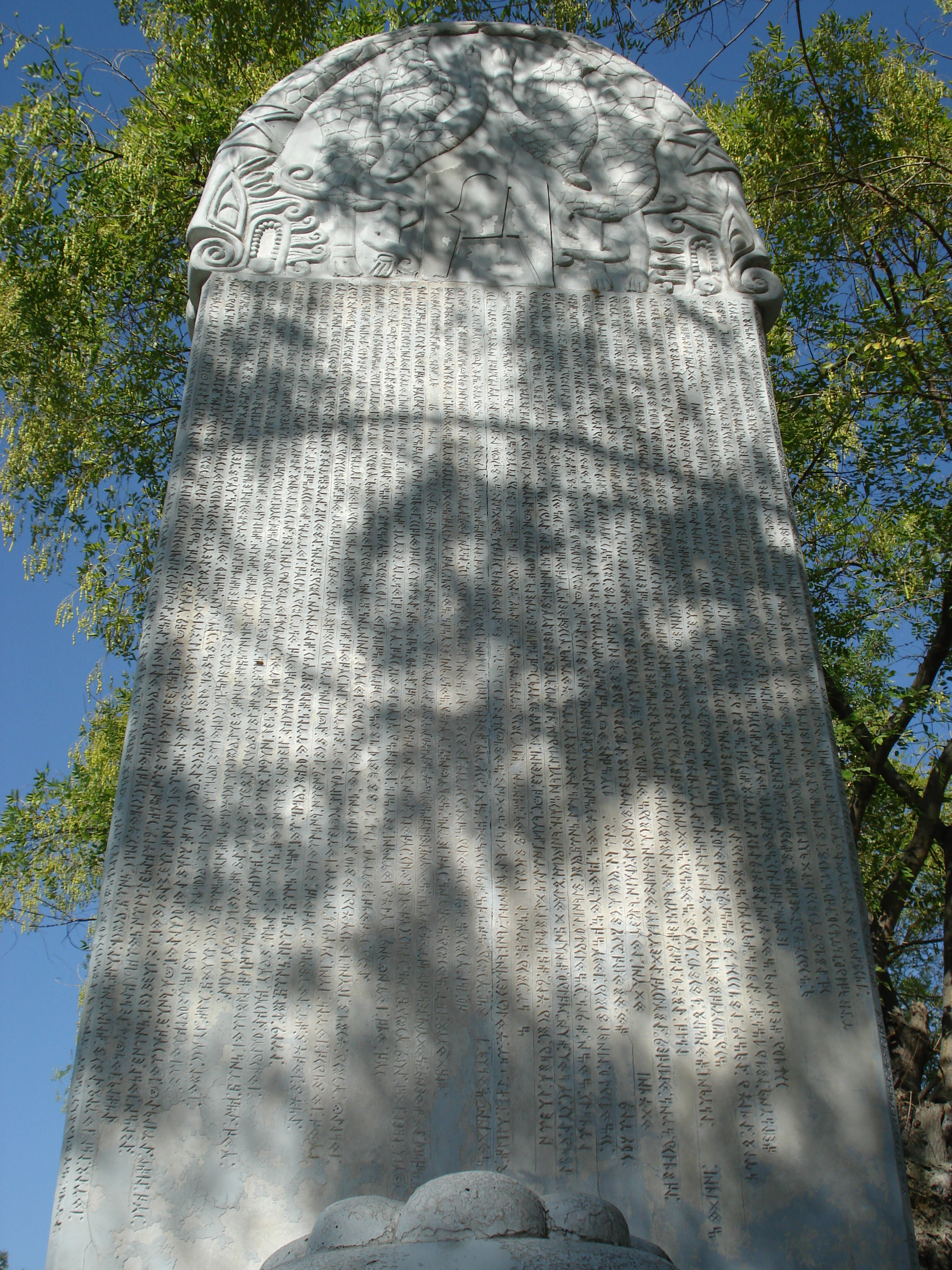
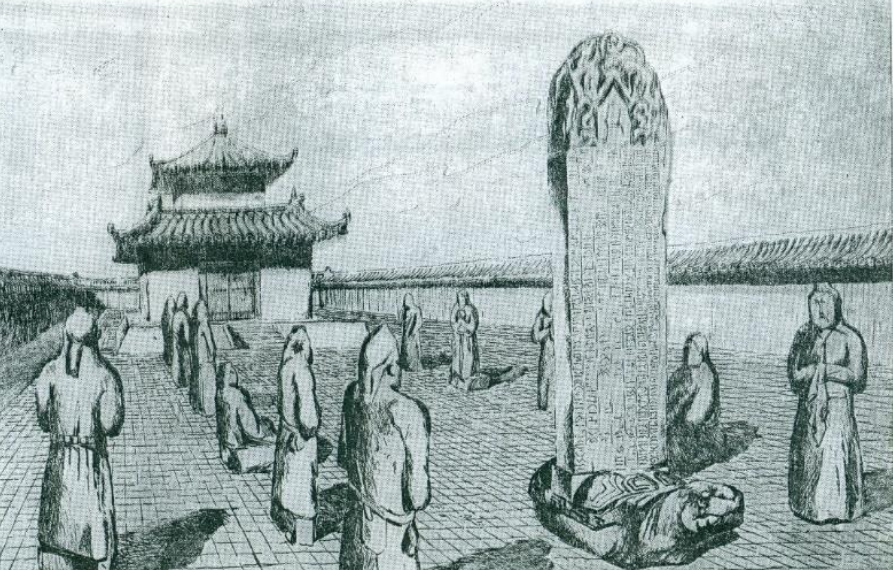
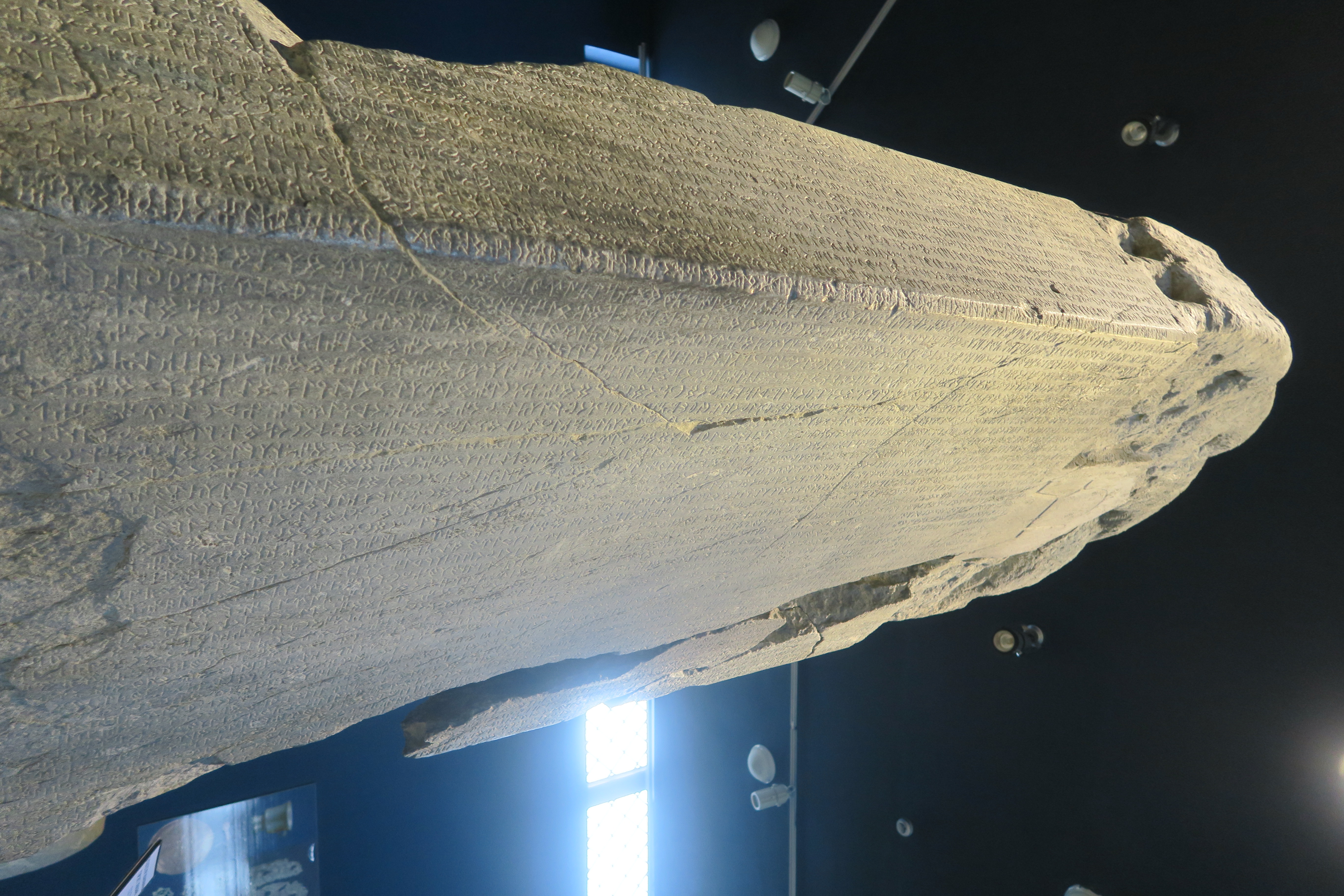
The Orkhon Inscriptions are two monumental steles erected by the Göktürks in the early 8th century CE in Mongolia's Orkhon Valley. These inscriptions, written in Old Turkic and Chinese, commemorate the achievements of the Turkic leaders Kul Tigin and Bilge Khagan. They provide a valuable historical account of the Göktürk Empire's legendary origins, political struggles, and interactions, including conflicts and diplomacy with the Chinese Tang dynasty. The inscriptions are vital for understanding the early use of the Old Turkic script, showcasing a transition from rune-based writing to a structured alphabet influenced by the Sogdian script. These steles are considered significant artifacts reflecting the cultural and political dynamics of the Turkic nomadic society during the Early Post-Classical Period.
Gallery
Explore photographs of ancient structures, artifacts, and archaeological excavations
Historical Timeline
Journey through time and discover key events in this site's history
Erection of Orkhon Inscriptions
early 8th century CE
Archaeological Features
Unique architectural and cultural elements found at this historical site
Religious and Ritual Structures
Artistic and Decorative Features
Frequently Asked Questions
Plan Your Visit
Tours, travel arrangements, and practical information
More Sites in Mongolia
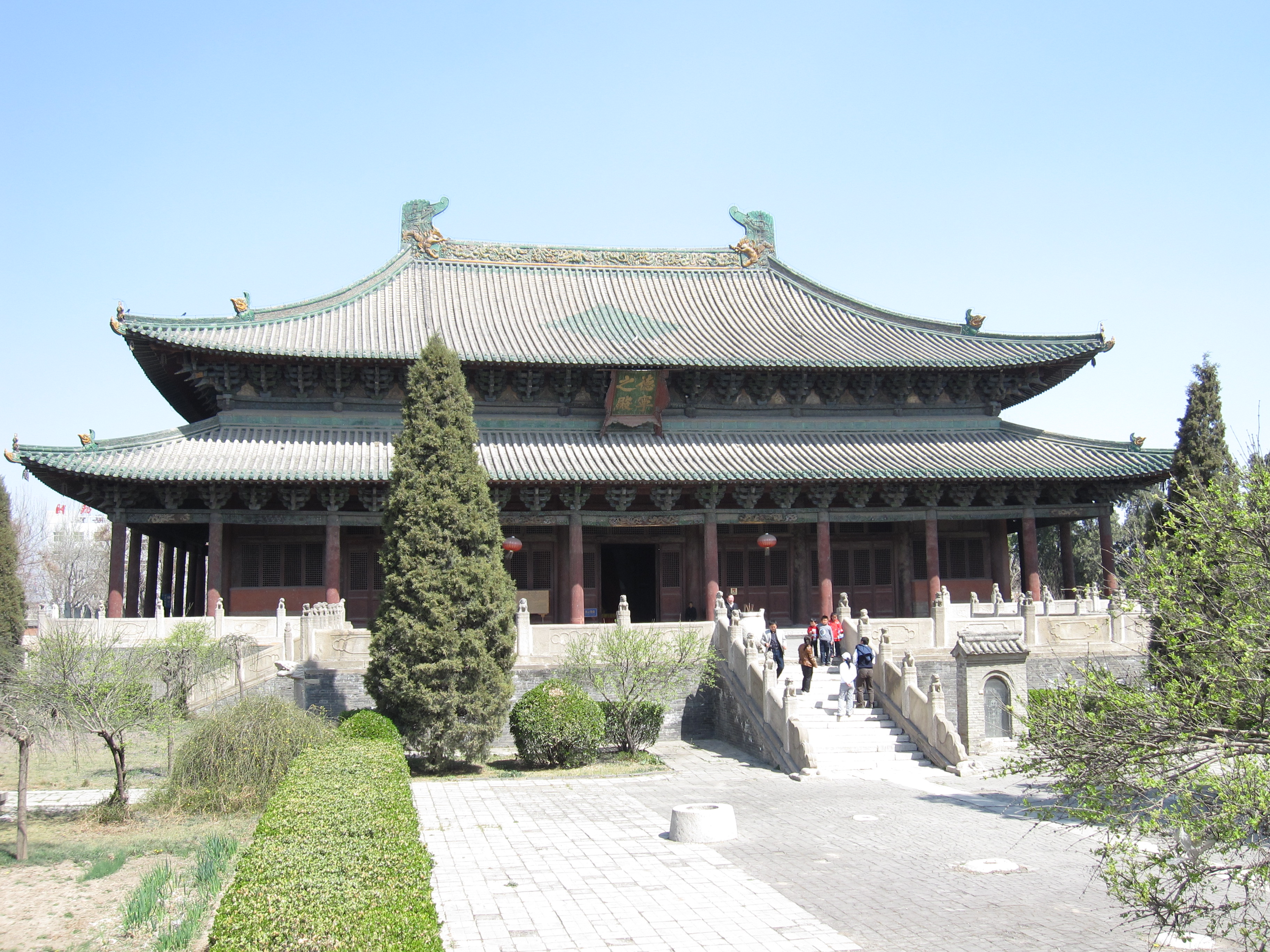
Bars-Hot
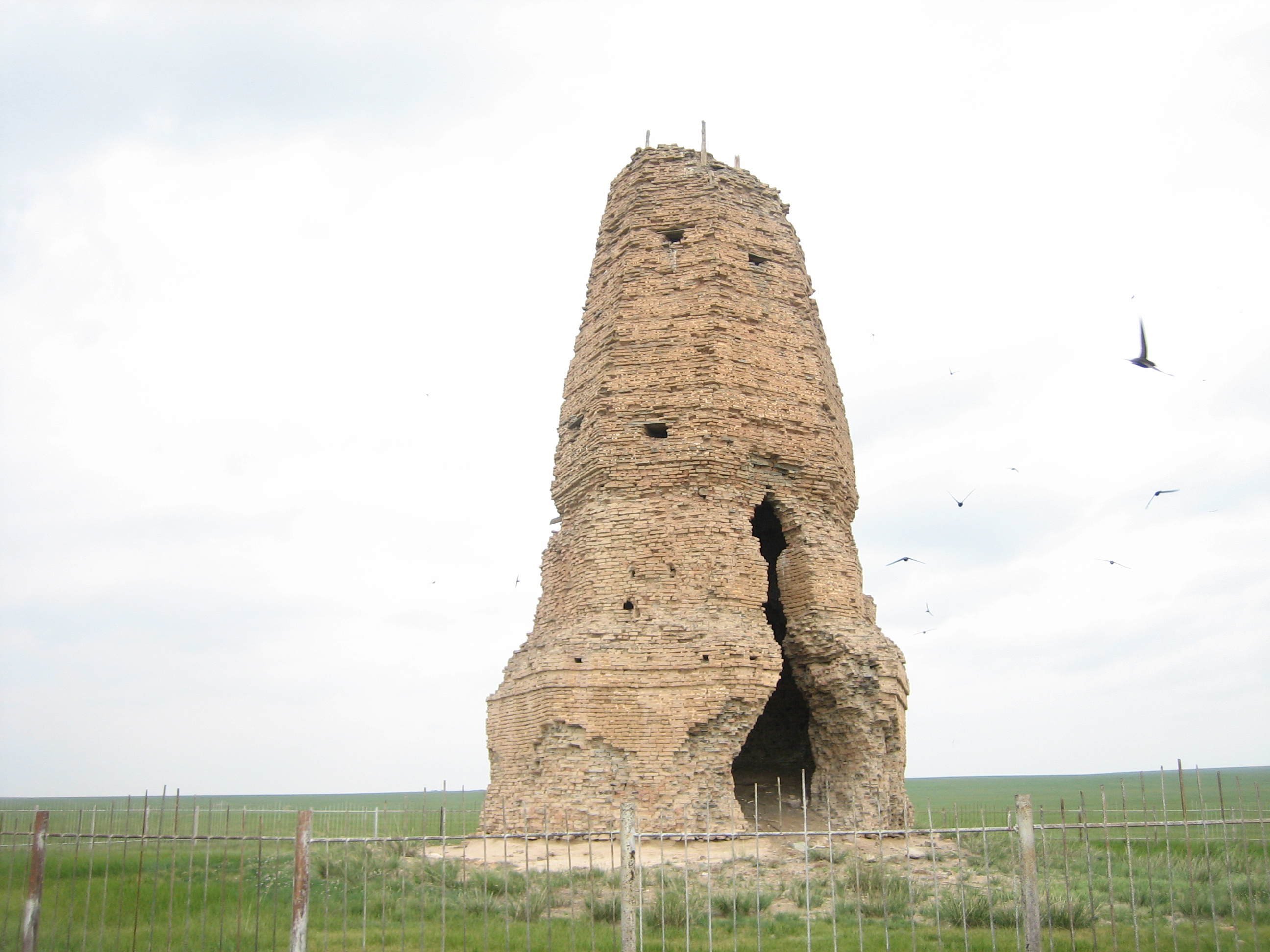
Khitan city with mud walls and pagoda.
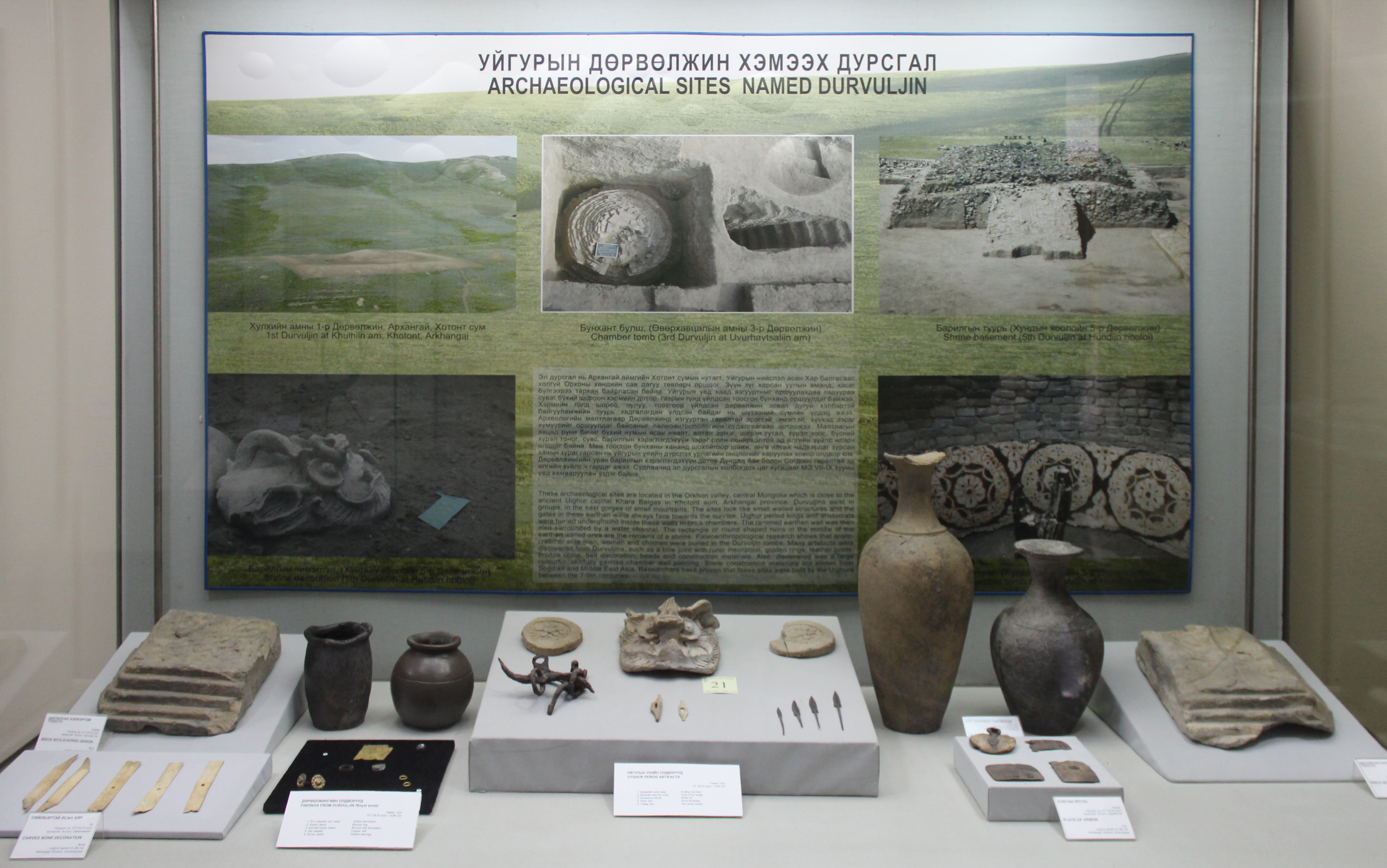
Karakorum
Ruins of Mongol Empire capital city
Ordu-Baliq
Ruined Uyghur capital with fortified walls.
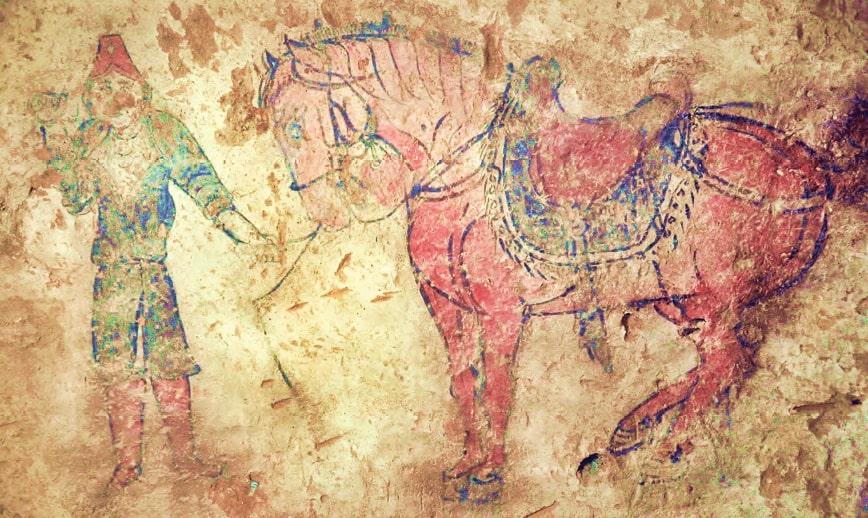
Shoroon Bumbagar tomb
Turkic nobleman tomb with Chinese influence
Deer Stone Monuments and Related Bronze Age Sites
Located on the slopes of the Khangai Ridge in central Mongolia, these deer stones were used for ceremonial and funerary practices. Dating from about 1200 to…
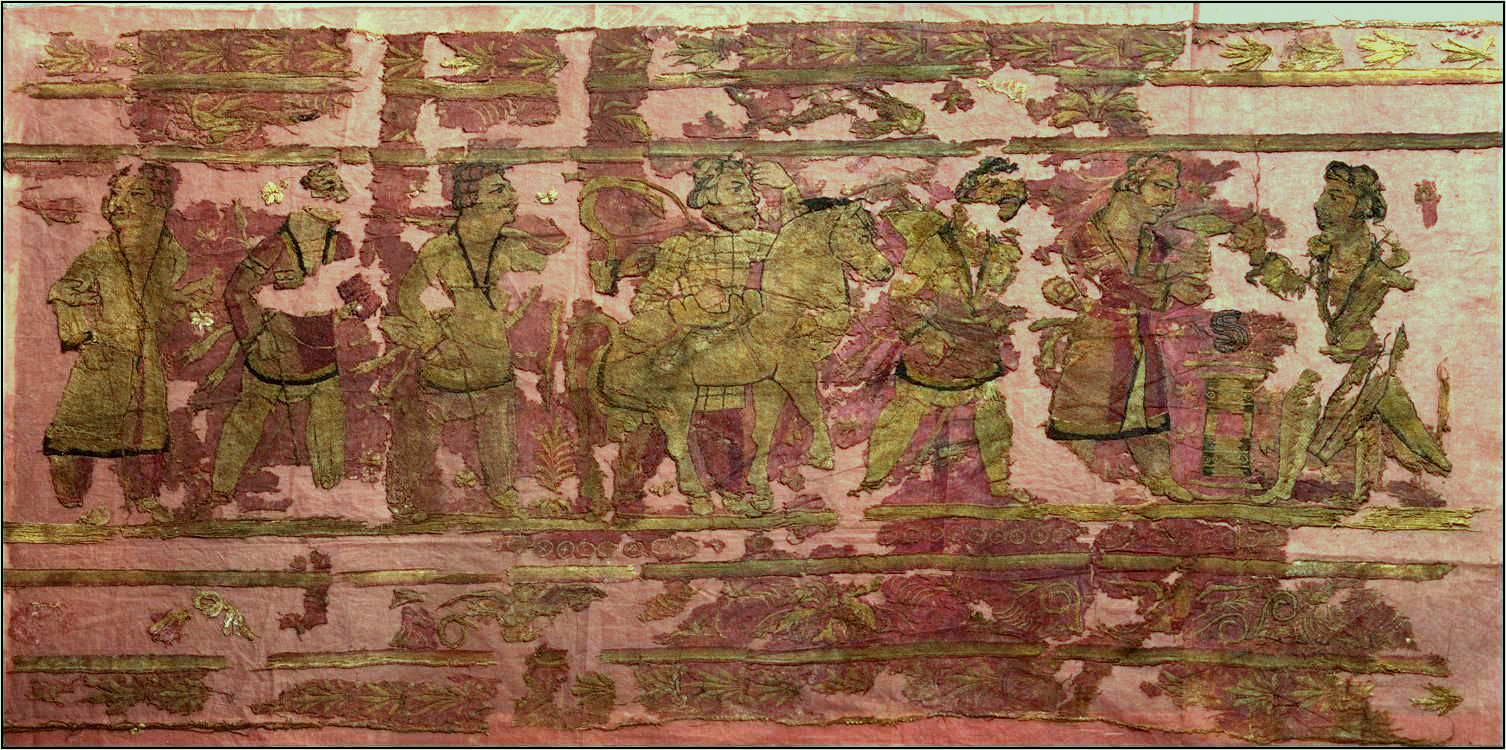
Noin-Ula burial site
Xiongnu burial mounds with preserved artifacts