
Explore the Map
Padah-Lin Caves
21.1000° N, 96.3000° E
About
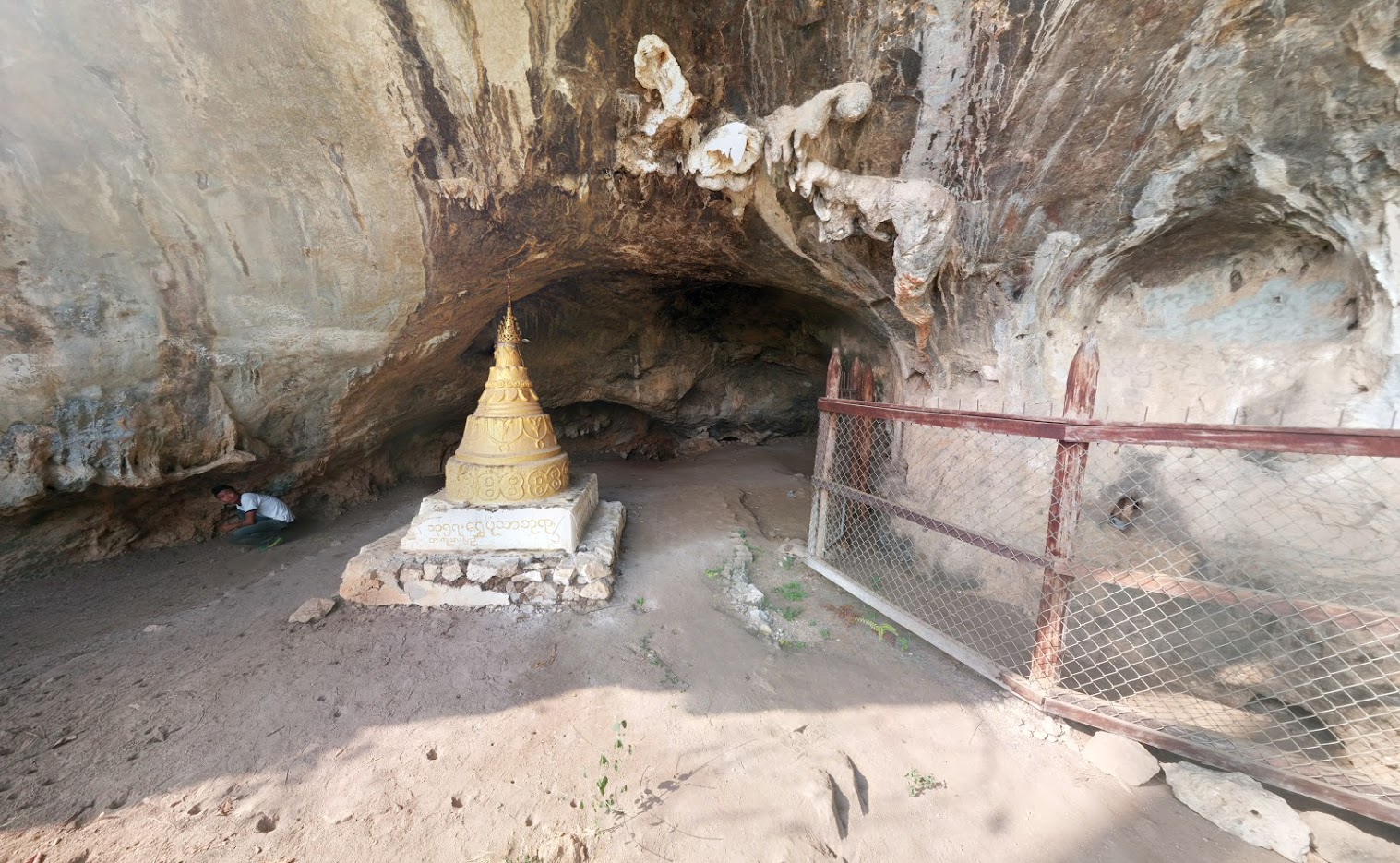
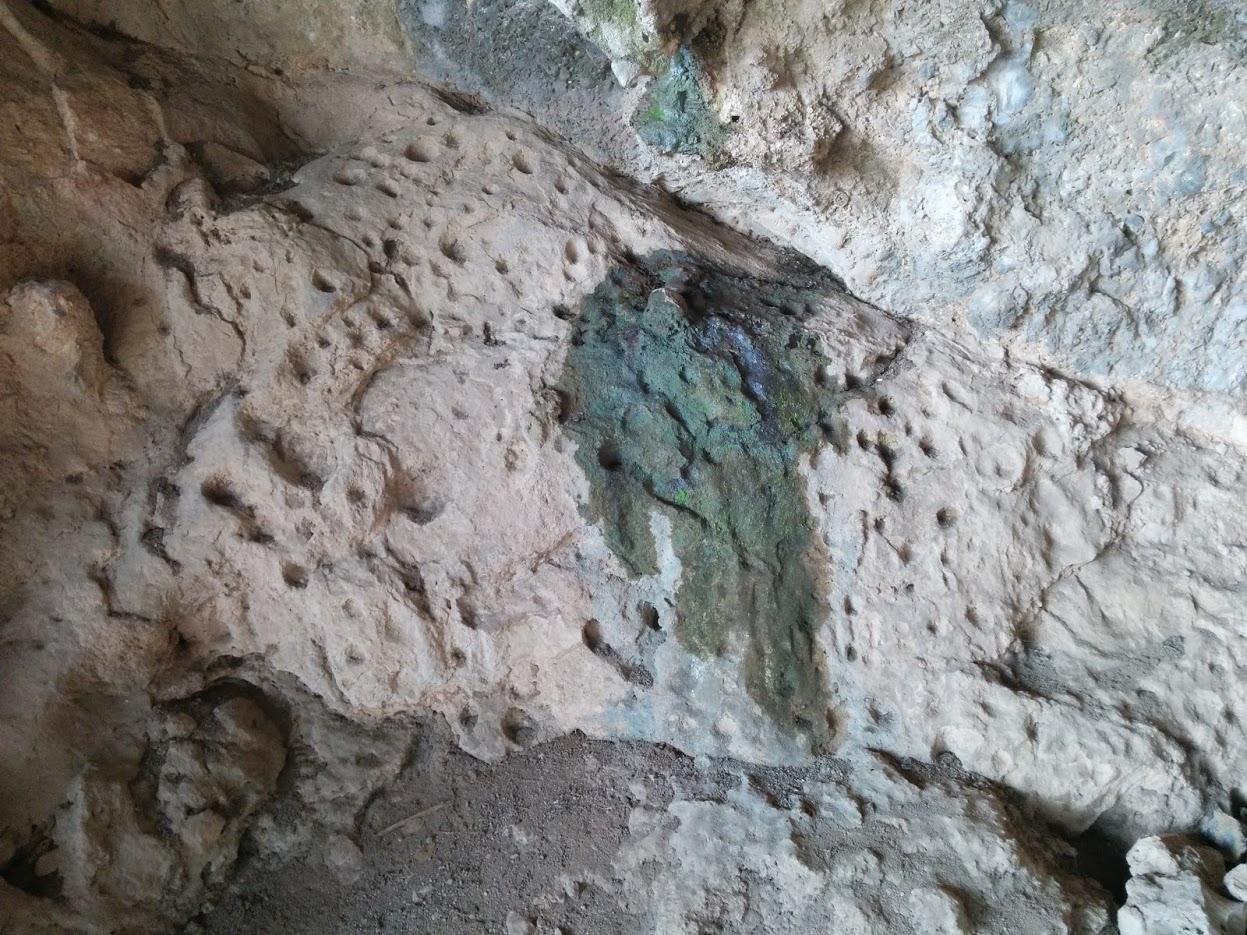
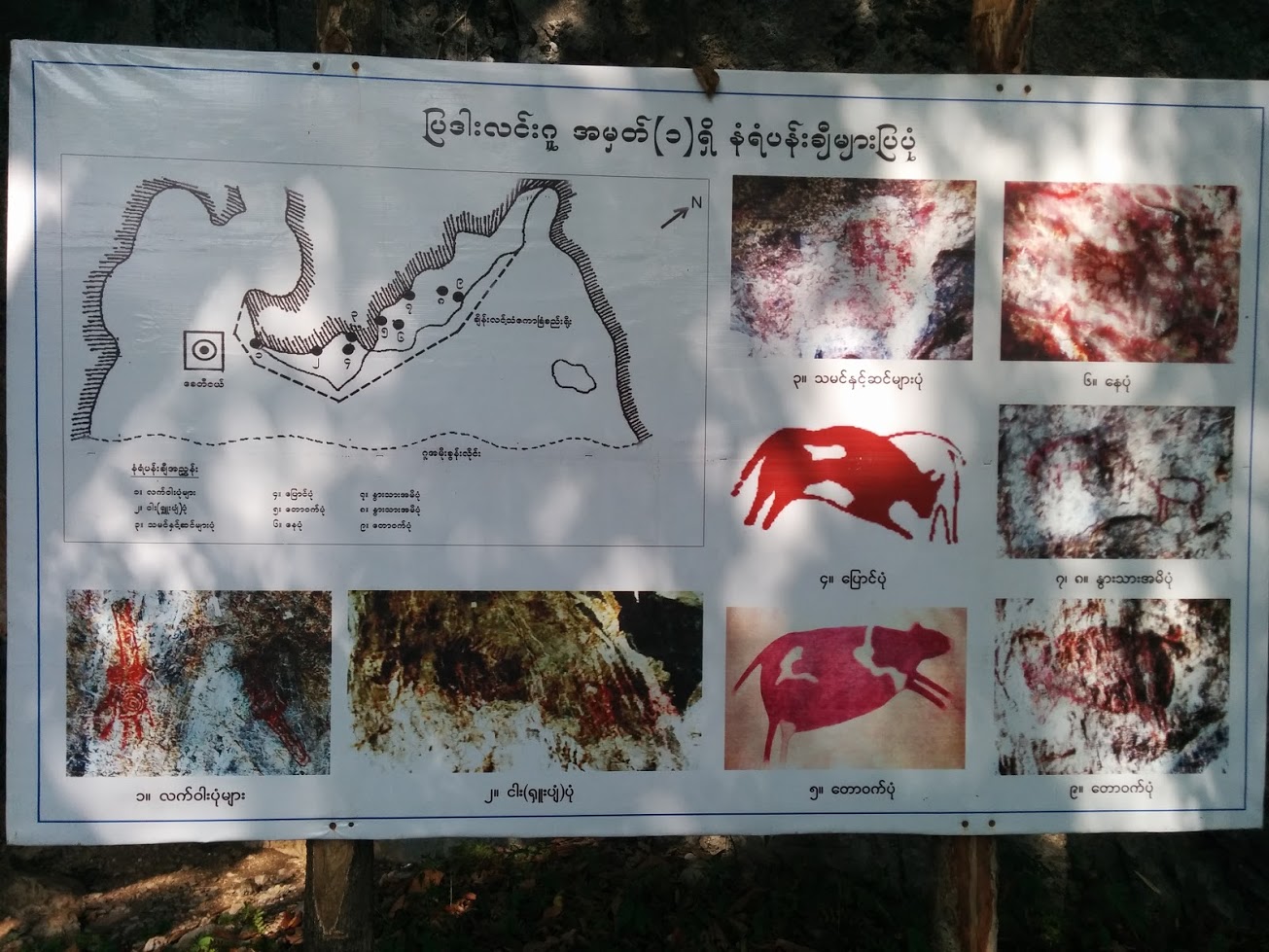
The Padah-Lin Caves, located in Shan State, Myanmar, are a significant archaeological site featuring two limestone caves with a rich history of human occupation. The larger cave contains nine chambers with natural light from sinkholes, active speleothem formations, and artistic decorations. The caves have yielded evidence of human activity dating back to the Upper Paleolithic period, with deposits as old as 65,000 years. Excavations have uncovered a wealth of artifacts, including stone tools and ochre, alongside extensive cave paintings depicting human hands and animals. The site provides a continuous record through the Mesolithic and Neolithic periods, highlighting its importance in understanding prehistoric human activity in Southeast Asia. The presence of a small Buddhist stupa at the site also indicates its cultural and religious significance in more recent history.
Gallery
Explore photographs of ancient structures, artifacts, and archaeological excavations
Historical Timeline
Journey through time and discover key events in this site's history
Mesolithic to Neolithic Period
13,000 to 1,750 years BP
Late Upper Paleolithic Artifacts
25,000 years ago
Upper Paleolithic Occupation
65,000 years ago
Archaeological Features
Unique architectural and cultural elements found at this historical site
Religious and Ritual Structures
Artistic and Decorative Features
Domestic and Habitation Structures
Environmental and Natural Features
Frequently Asked Questions
Plan Your Visit
Tours, travel arrangements, and practical information
More Sites in Myanmar
Waithali
Ruined capital city with Hindu influences.
Beikthano
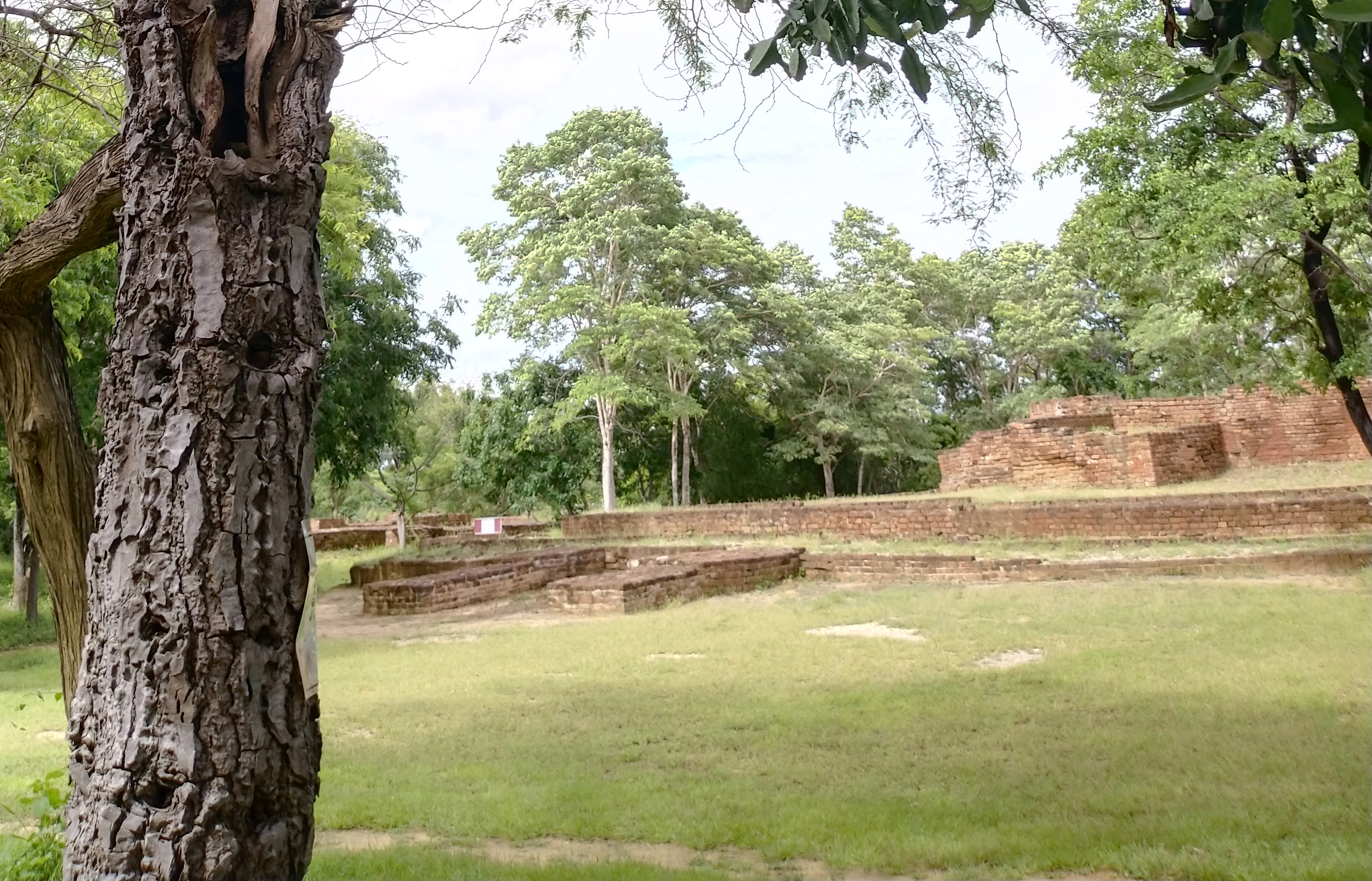
Fortified ancient Pyu city with stupas.
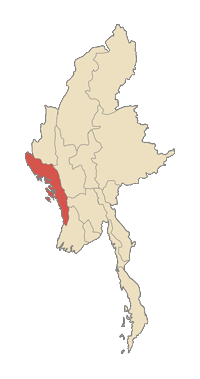
Dhanyawadi
Arakanese capital ruins, 1st–6th century CE, Myanmar
Pyu Ancient Cities
<p>Pyu Ancient Cities includes the remains of three brick, walled and moated cities of Halin, Beikthano and Sri Ksetra located in vast irrigated landscapes…
Bagan
Lying on a bend of the Ayeyarwady River in the central plain of Myanmar, Bagan is a sacred landscape, featuring an exceptional range of Buddhist art and…