Explore the Map
Waithali
20.6627° N, 93.1503° E
About
Waithali, located in northern Rakhine State, Myanmar, served as the capital of the Waithali Kingdom from 370 to 818 CE. The site, now mostly in ruins, is notable for its Indianized architecture, influenced by Hindu and Mahayana Buddhist practices. The city, once a significant trade hub, was strategically positioned on a tidal creek and fortified with brick walls. The Chandra dynasty, known for its early coinage, established its reign here. The Anandachandra Inscription, a unique Sanskrit artifact, provides valuable insights into the political and religious connections of the time. Despite its decline in the 10th century, Waithali remains a key archaeological site for understanding the region's historical trade and cultural exchanges.
Historical Timeline
Journey through time and discover key events in this site's history
Shift to Waithali
370 CE
Establishment of Chandra Dynasty
370 CE
Anandachandra Inscription
729 CE
Decline of Waithali Kingdom
Archaeological Features
Unique architectural and cultural elements found at this historical site
Defensive Structures
Burial and Funerary Structures
Religious and Ritual Structures
Artistic and Decorative Features
Domestic and Habitation Structures
Frequently Asked Questions
Plan Your Visit
Tours, travel arrangements, and practical information
More Sites in Myanmar
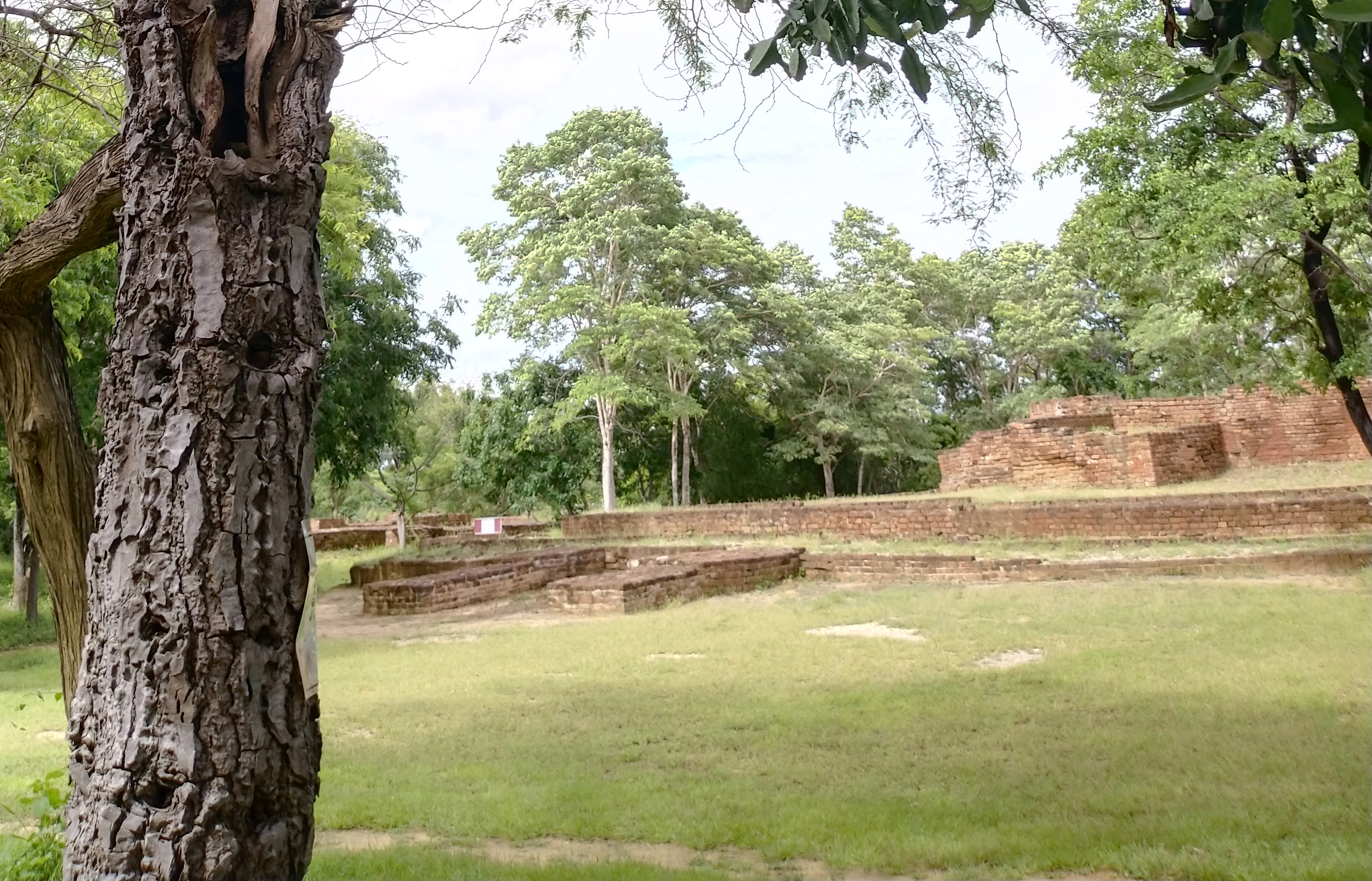
Beikthano
Fortified ancient Pyu city with stupas.
Pyu Ancient Cities
<p>Pyu Ancient Cities includes the remains of three brick, walled and moated cities of Halin, Beikthano and Sri Ksetra located in vast irrigated landscapes…
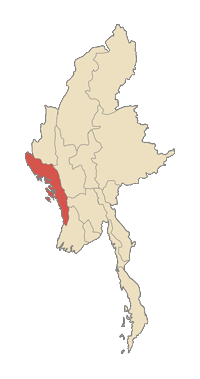
Dhanyawadi
Arakanese capital ruins, 1st–6th century CE, Myanmar
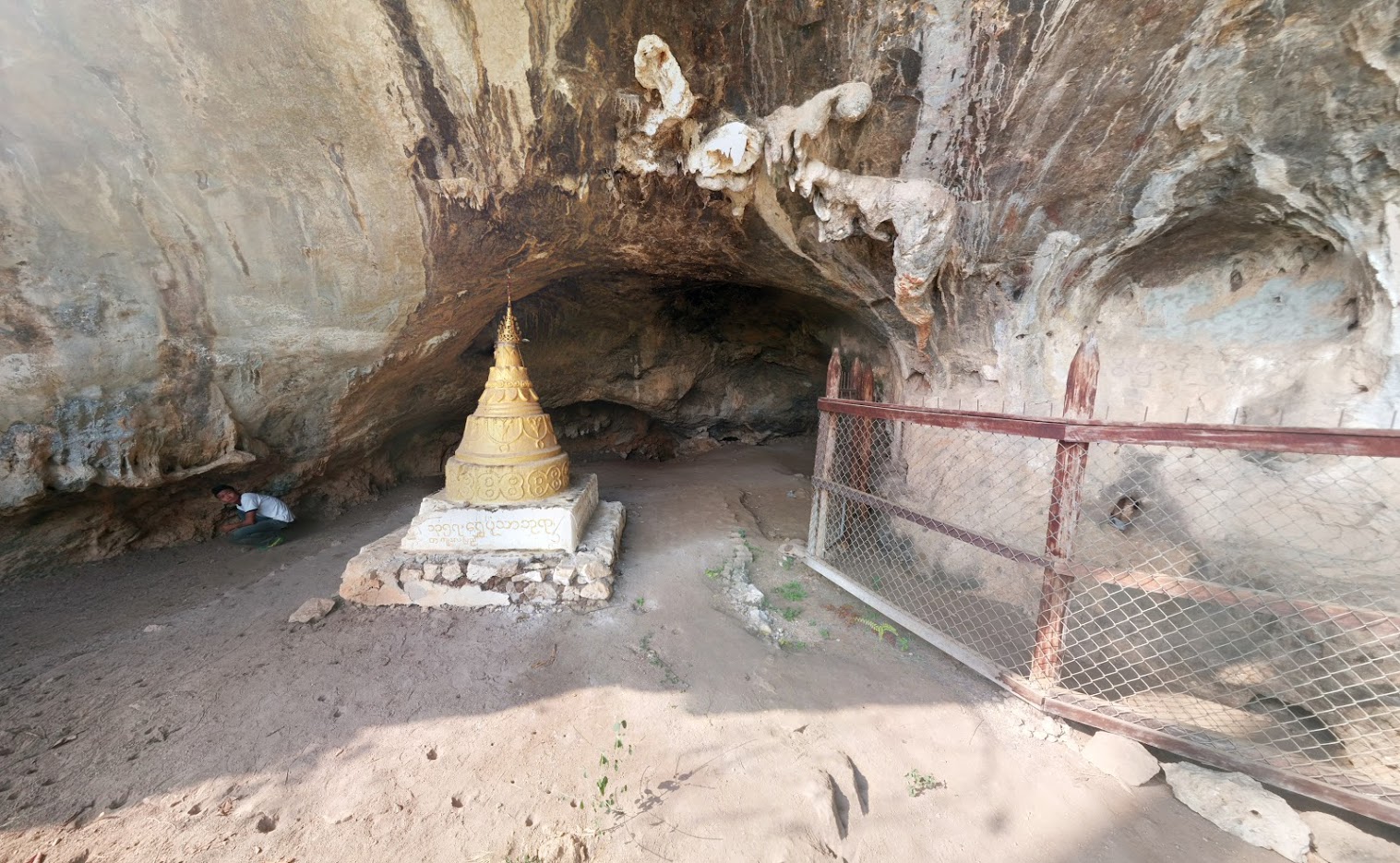
Padah-Lin Caves
Limestone caves with ancient paintings and artifacts
Bagan
Lying on a bend of the Ayeyarwady River in the central plain of Myanmar, Bagan is a sacred landscape, featuring an exceptional range of Buddhist art and…