Explore the Map
Ngodo
5.8558° N, 7.5119° E
About
The Ngodo site in Nigeria's Abia State reveals significant archaeological insights into human habitation and tool-making activities dating back 250,000 years. Located on a dolerite ridge, this site is recognized as the largest Acheulean handaxe factory in Nigeria, possibly the world, containing a vast array of stone-age artifacts across a six-meter-deep stratigraphy. The site exhibits three distinct layers of occupation, with the oldest layer comprising quartz flakes and small stone tools, indicating a Lower and Middle Paleolithic presence. Subsequent layers suggest Neolithic habitation with polished tools and pottery, and the latest occupation features pottery from the Classical Period. This rich stratigraphic evidence highlights Ngodo's importance in understanding human technological development and cultural transitions in prehistoric West Africa.
Historical Timeline
Journey through time and discover key events in this site's history
Neolithic Layer
2935 BCE
Classical Period Pottery
15 CE
Lower Paleolithic Occupation
250,000 years ago
Archaeological Features
Unique architectural and cultural elements found at this historical site
Industrial and Craft Structures
Environmental and Natural Features
Frequently Asked Questions
Plan Your Visit
Tours, travel arrangements, and practical information
More Sites in Nigeria

Taruga
Nok culture site with early iron working
Rop rock shelter
Rock shelter with microlithic tools and pottery
Kwiambana
Ancient granite inselberg settlement ruins
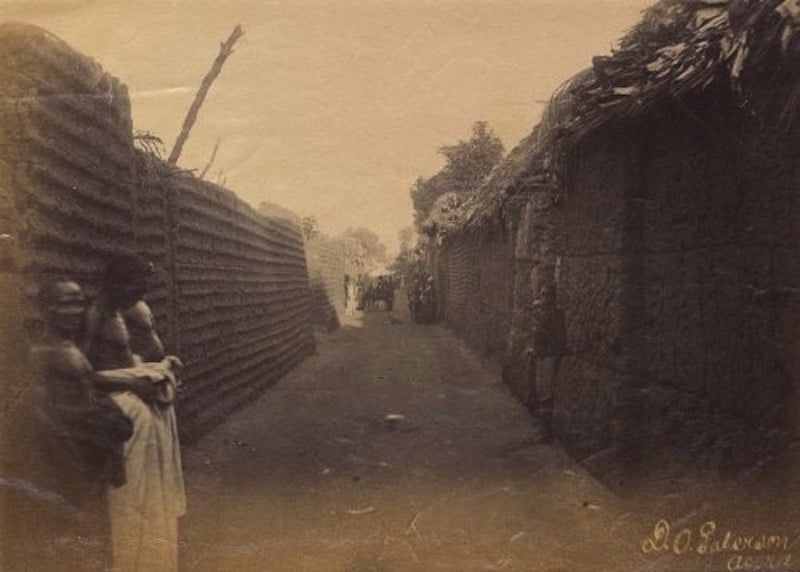
Benin Moat
Massive earthworks encircling Benin City, Nigeria
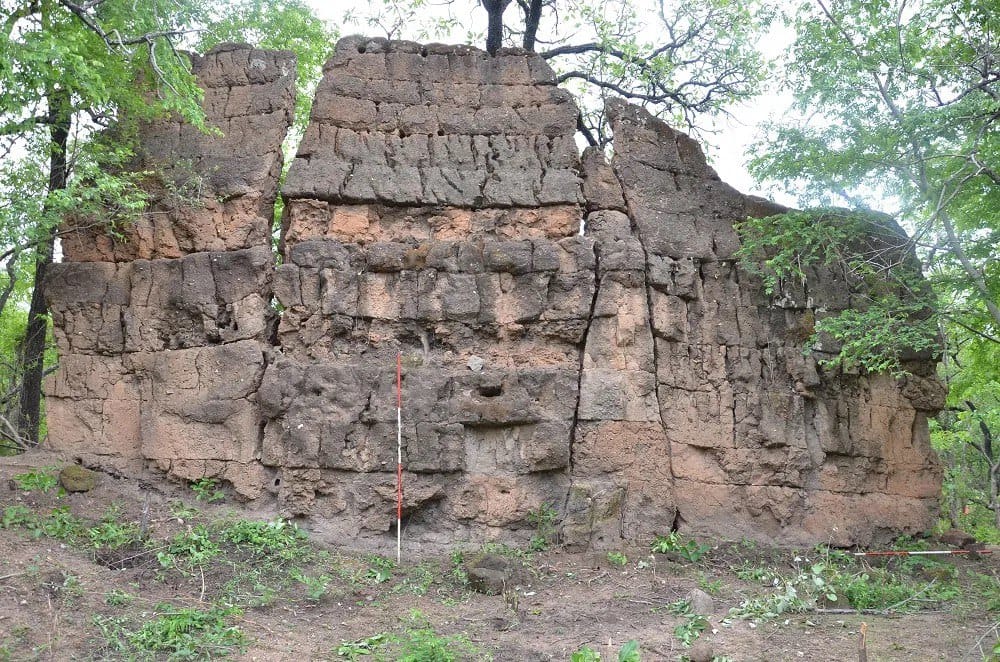
Old Oyo
Ruined medieval Yoruba city and palace.
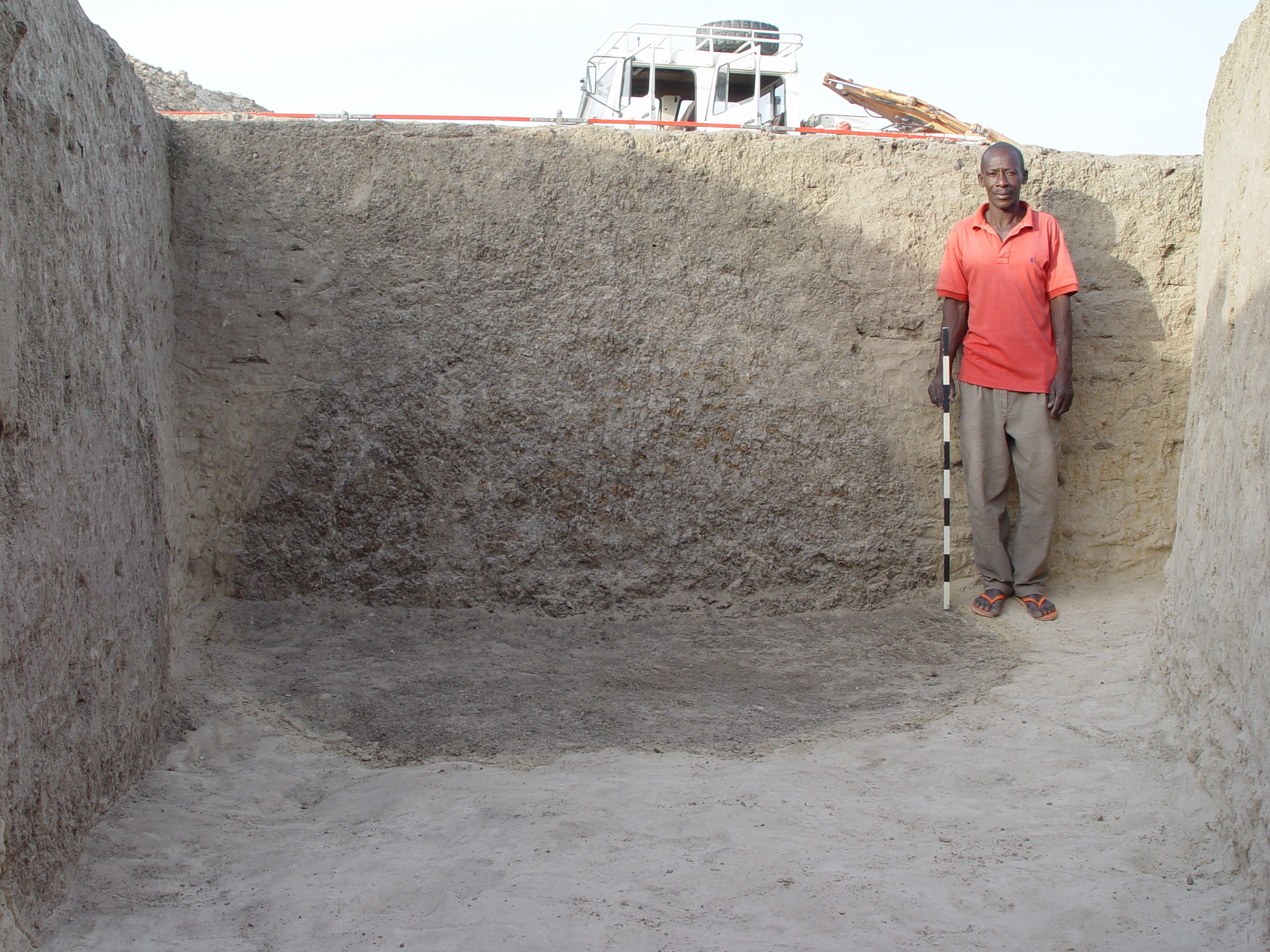
Archaeology of Zilum
Flat settlement on sand ridge with pits.