Explore the Map
Old Oyo
8.9747° N, 4.3075° E
About
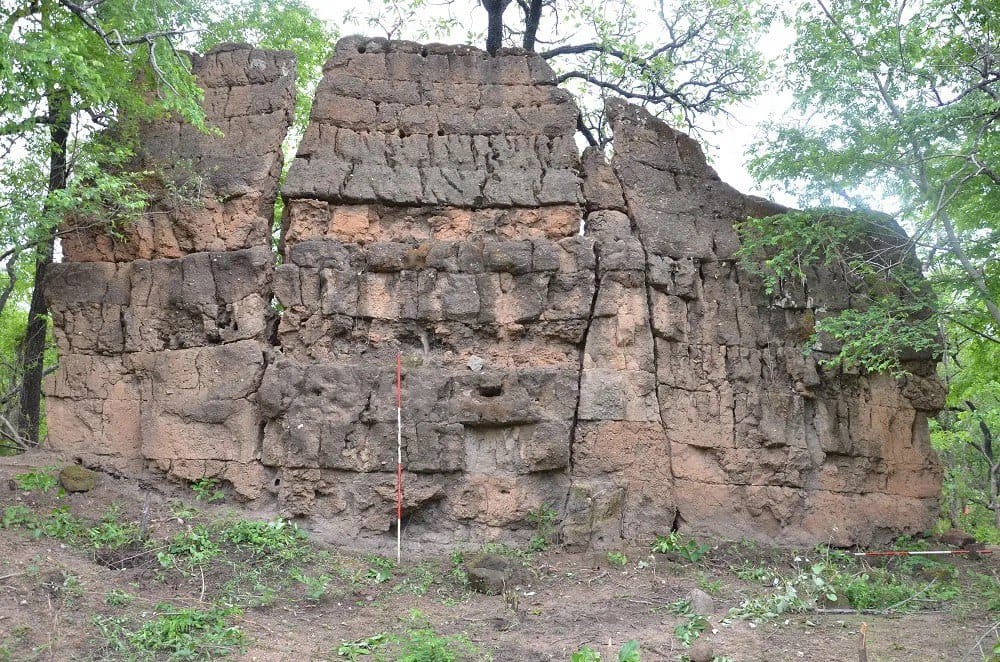
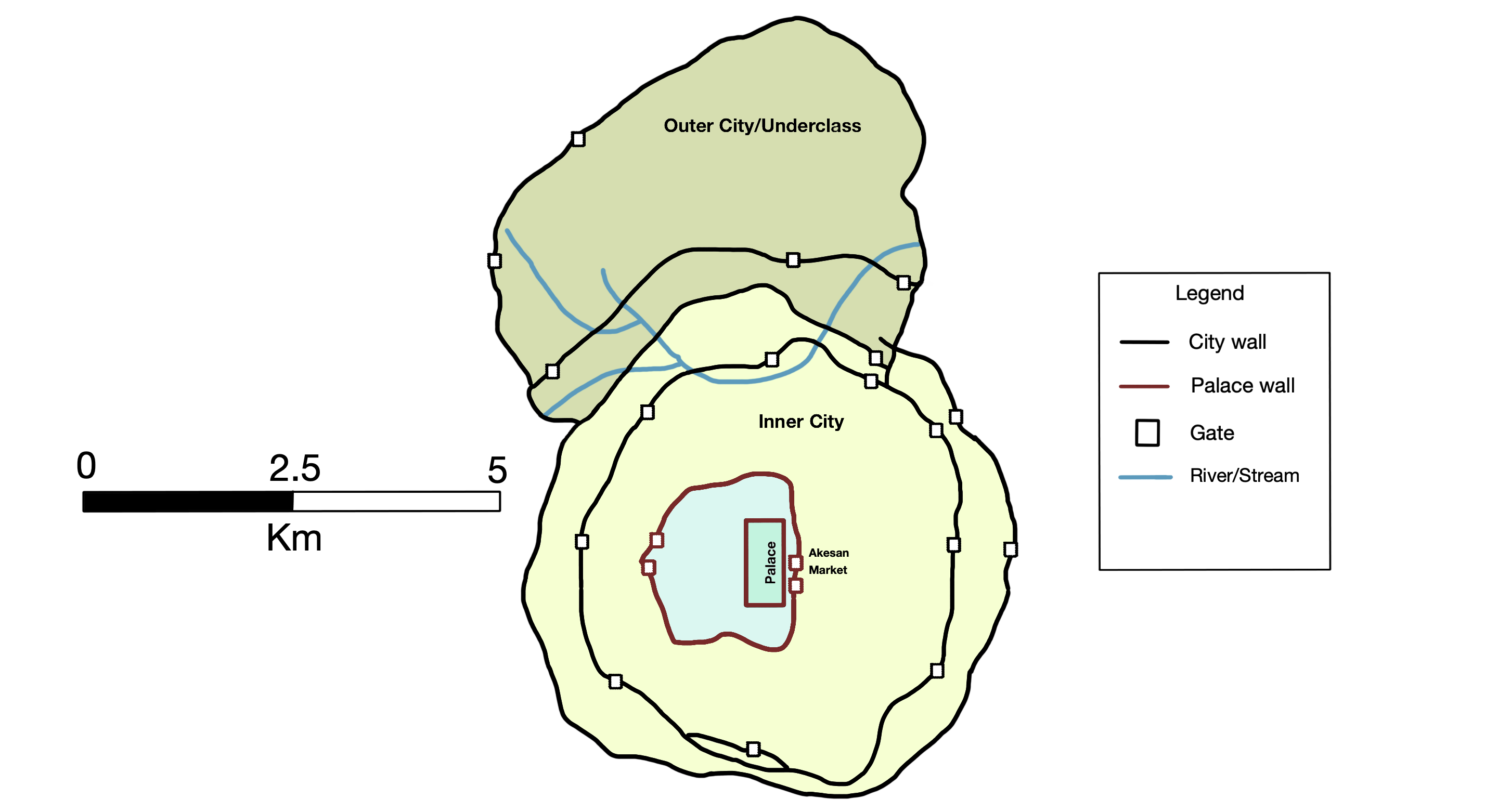
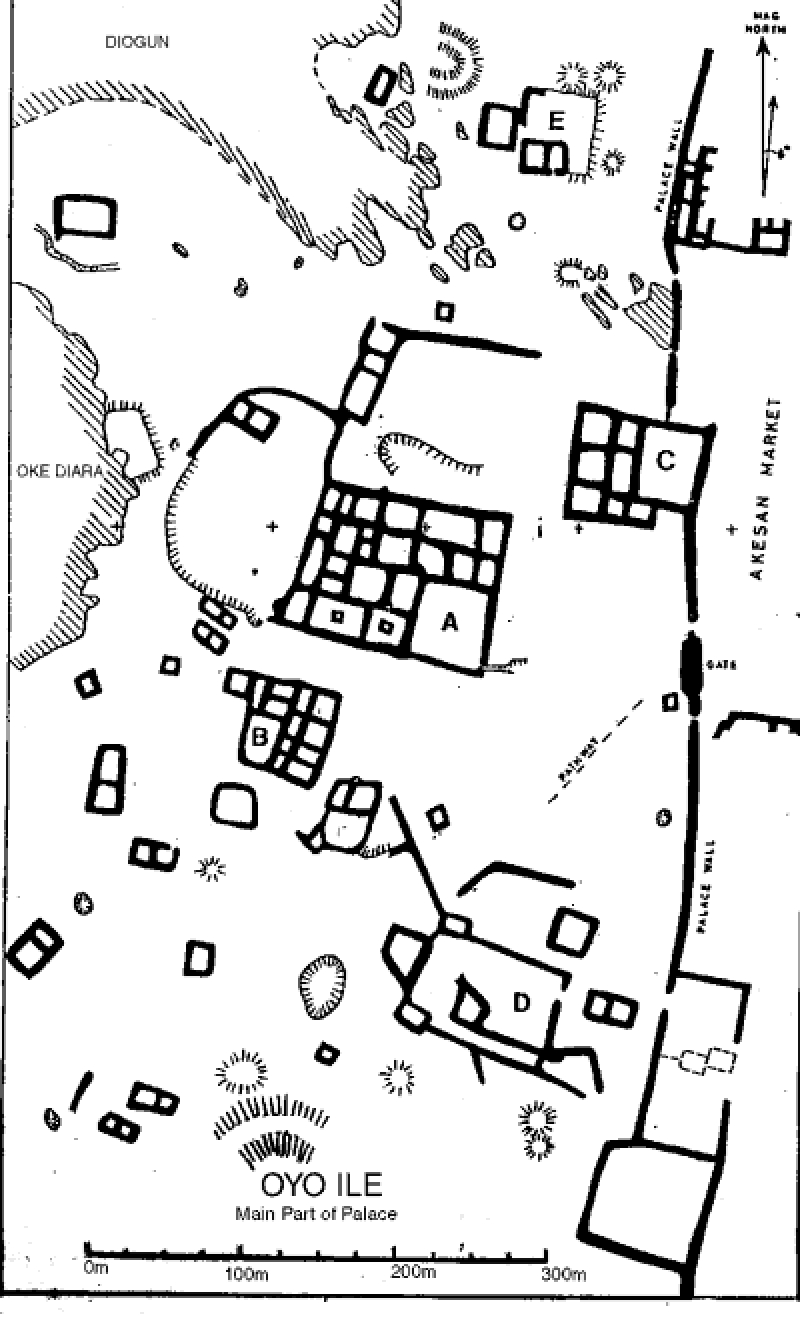
Old Oyo, also known as Oyo-Ile, was the capital of the medieval Oyo Empire in present-day Nigeria. It was a major cultural and political center in West Africa, particularly during the 17th and 18th centuries. The city was organized around a large central palace, known as the Aafin, and featured extensive defensive walls and markets, such as the significant Akesan market. The presence of reservoirs and wells highlights the city's water management strategies. The site has revealed features like walls, pottery, and grindstones, shedding light on the Yoruba civilization's social, economic, and technological aspects. Archaeological evidence indicates the city's establishment by Yoruba groups migrating from Ile-Ife, and it was abandoned in 1835 due to Fulani attacks.
Gallery
Explore photographs of ancient structures, artifacts, and archaeological excavations
Historical Timeline
Journey through time and discover key events in this site's history
Yoruba establishment of Old Oyo
1100 CE
Oyo Empire height
1600 CE
Abandonment of Old Oyo
1835 CE
Archaeological Features
Unique architectural and cultural elements found at this historical site
Defensive Structures
Water Management Features
Public and Civic Structures
Industrial and Craft Structures
Domestic and Habitation Structures
Environmental and Natural Features
Frequently Asked Questions
Plan Your Visit
Tours, travel arrangements, and practical information
More Sites in Nigeria
Kwiambana
Ancient granite inselberg settlement ruins
Ngazargamu
Fortified city with circular walls and palaces.
Benin Moat
Massive earthworks encircling Benin City, Nigeria
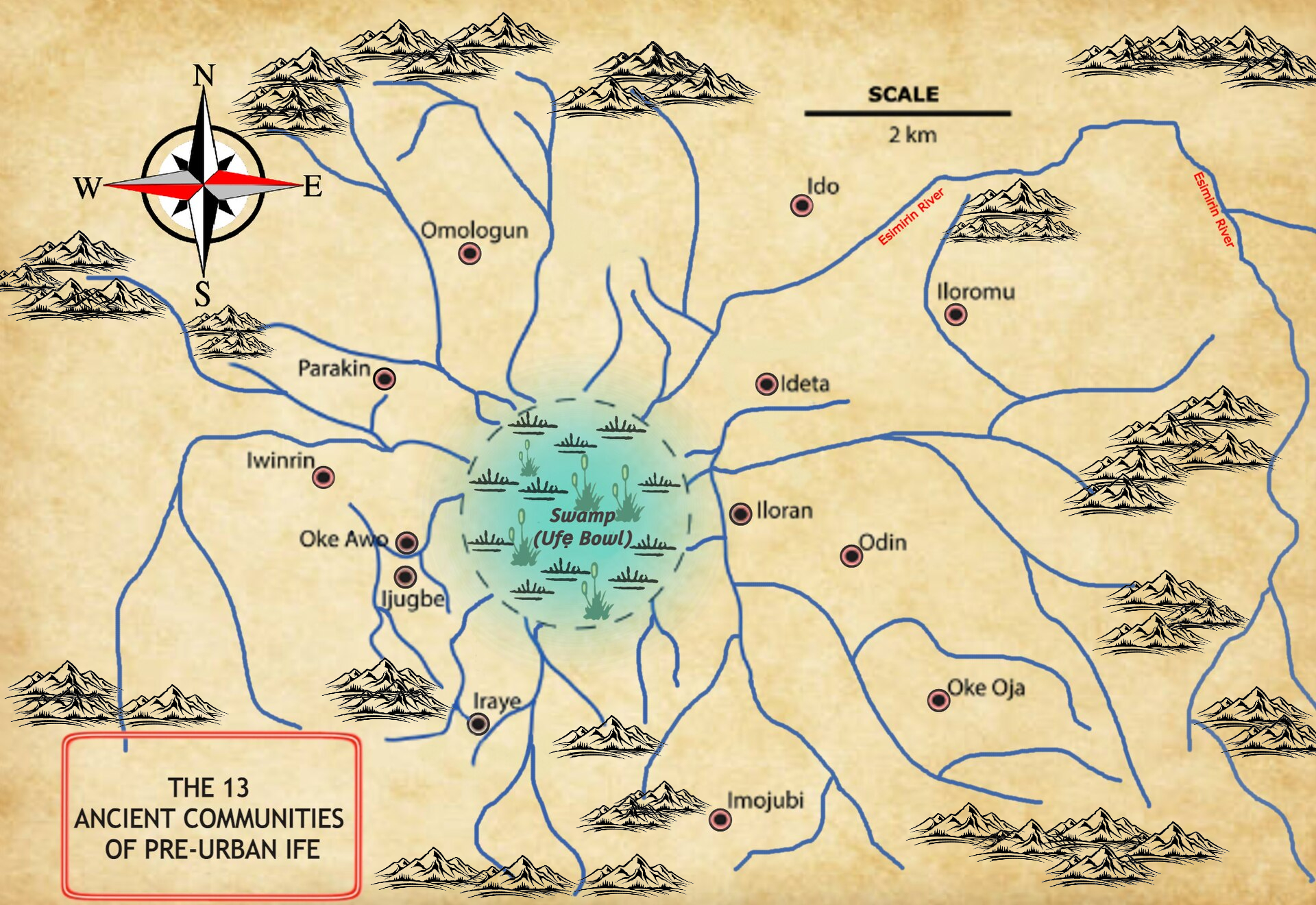
Oke Ora
Ancient Yoruba settlement on a hill.
Archaeology of Igbo-Ukwu
Ancient Igbo-Ukwu bronzes and artifacts site.
Taruga
Nok culture site with early iron working