Explore the Map
Benin Moat
6.3286° N, 5.6189° E
About
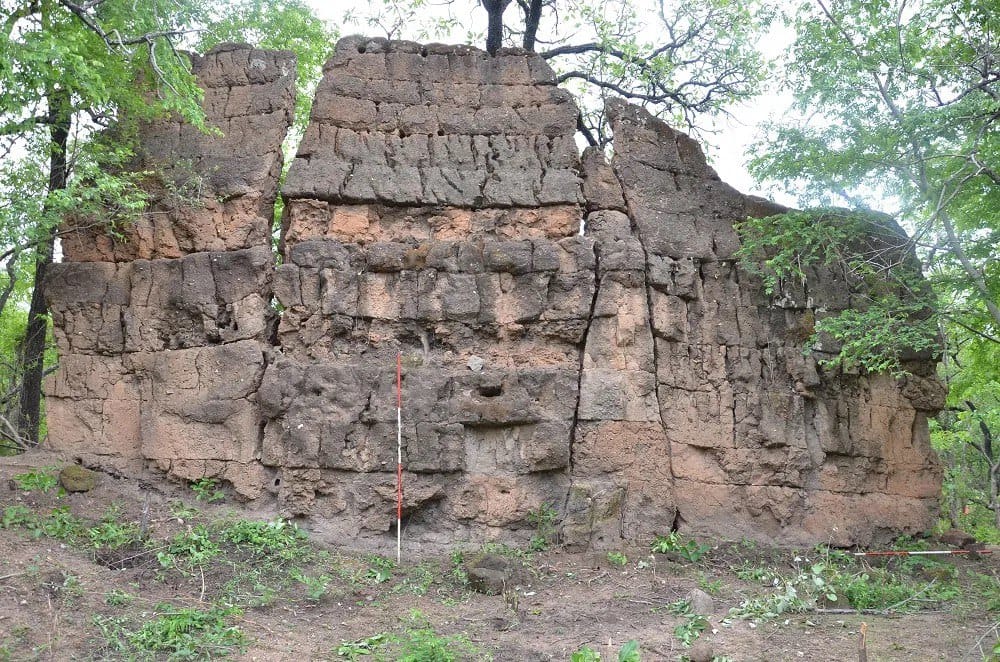
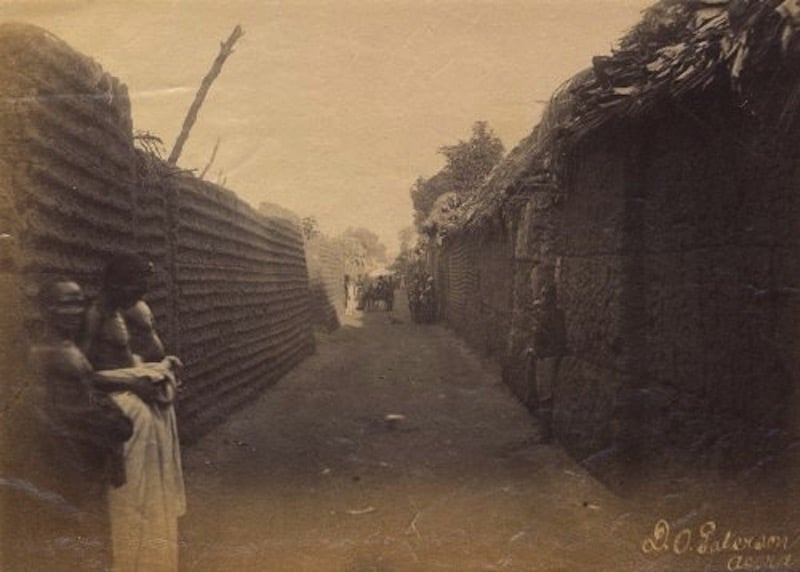
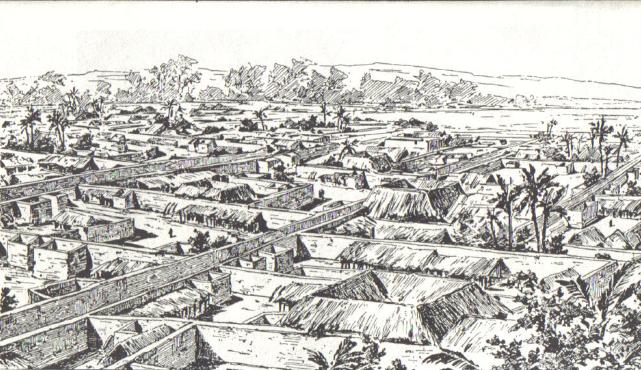
The Benin Moat, also known as the Walls of Benin or Benin Iya, is a significant archaeological site located in Benin City, Nigeria. These earthworks, constructed between 800 CE and 1460 CE, represent one of the most extensive man-made structures in history, second only to the Great Wall of China. Originating before the establishment of the Oba monarchy, the moat system was expanded and deepened by rulers such as Oba Oguola and Oba Ewuare. It served as a formidable defensive mechanism with multiple moats, ramparts, and a series of gates controlling access to the city. Although much of the original structure has been lost due to urban development, the remaining sections are crucial for understanding the socio-political and engineering capabilities of the Benin Kingdom during the Late Iron Age and Post-Classical Period.
Gallery
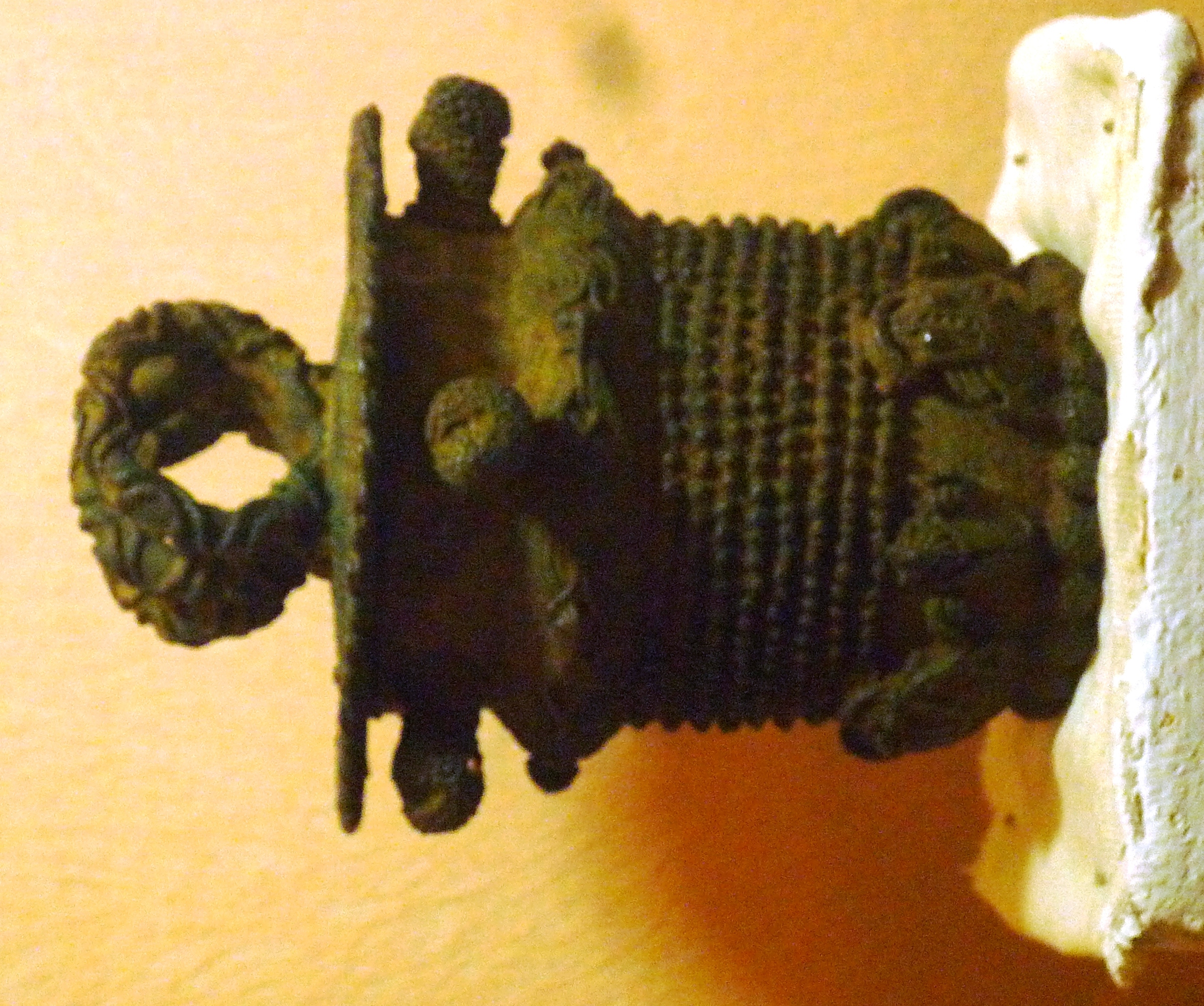
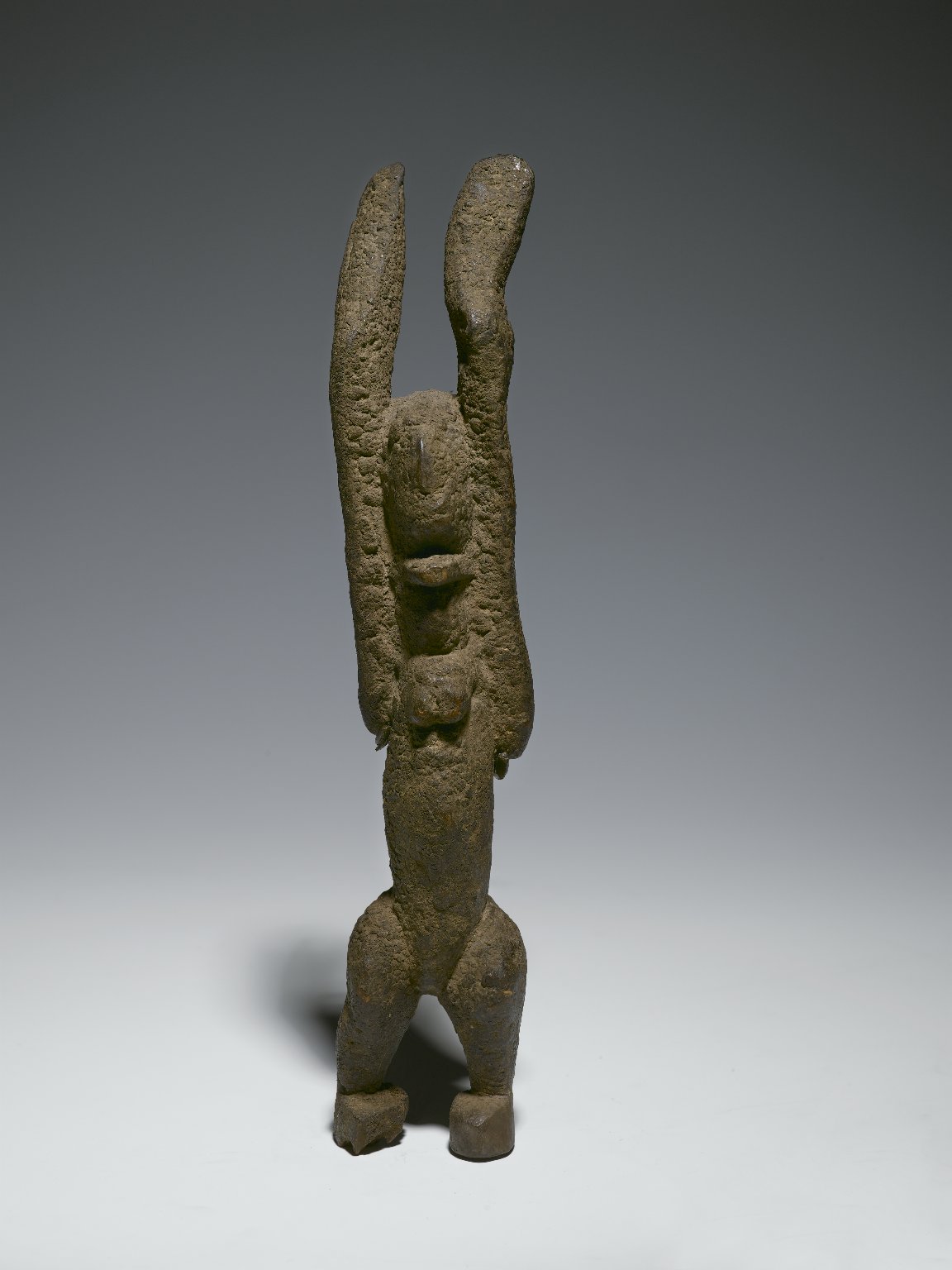
Explore photographs of ancient structures, artifacts, and archaeological excavations
Historical Timeline
Journey through time and discover key events in this site's history
Initial moat construction
800 CE
Oba Oguola's expansion
1280 CE
Oba Ewuare's deepening
1440 CE
Completion of moat construction
1460 CE
Archaeological Features
Unique architectural and cultural elements found at this historical site
Defensive Structures
Domestic and Habitation Structures
Frequently Asked Questions
Plan Your Visit
Tours, travel arrangements, and practical information