Explore the Map
Archaeology of Igbo-Ukwu
6.0167° N, 7.0167° E
About
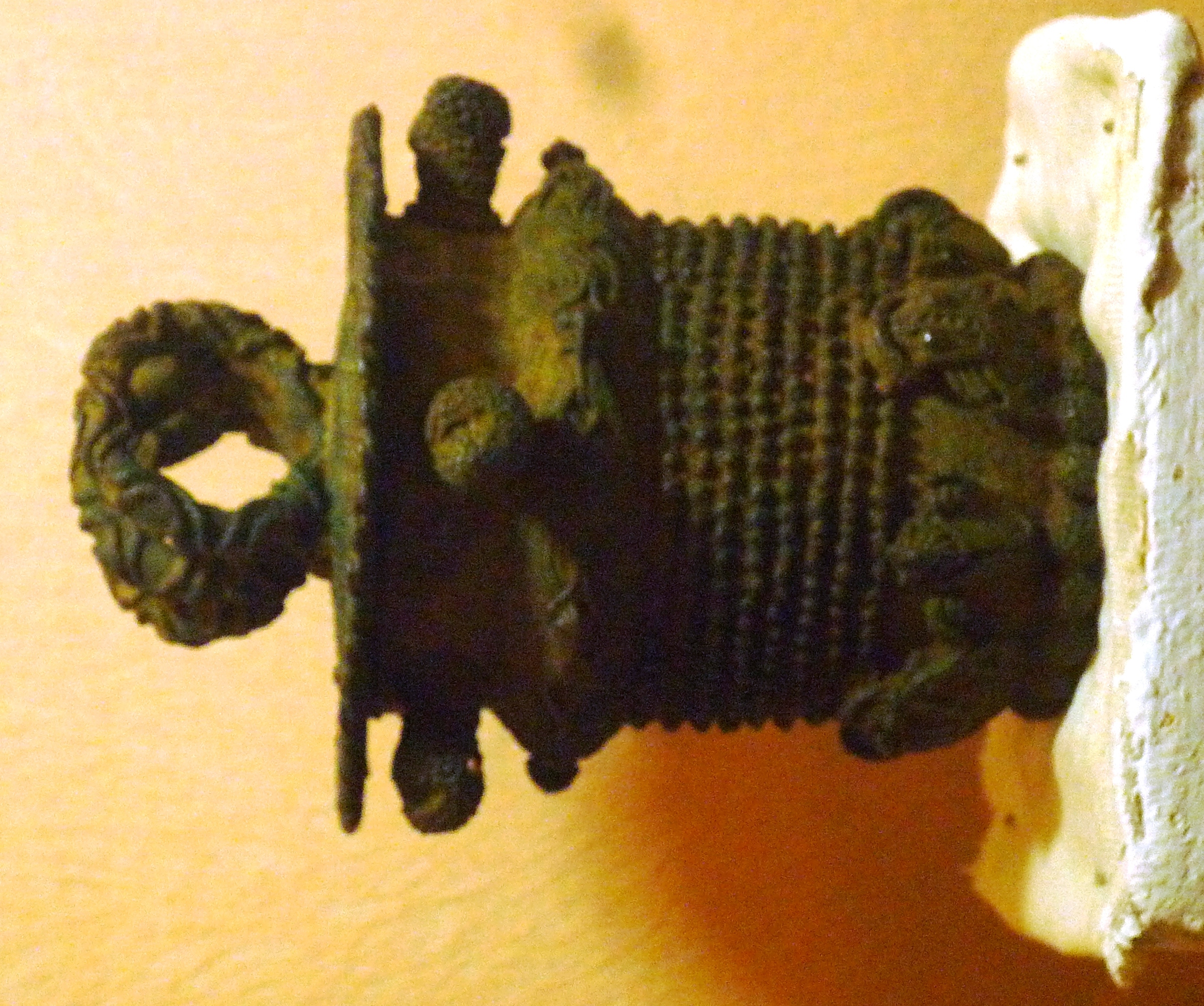
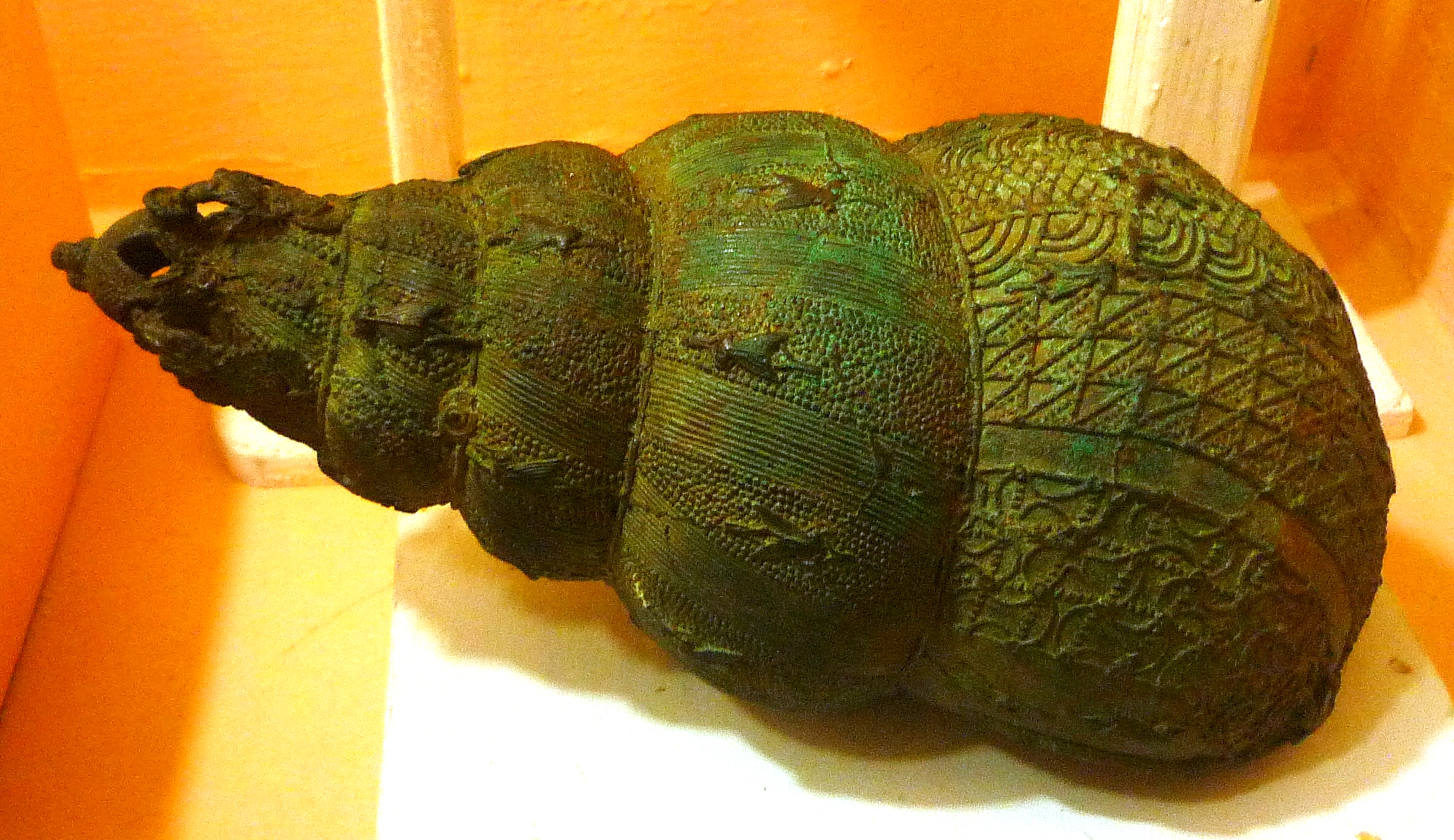
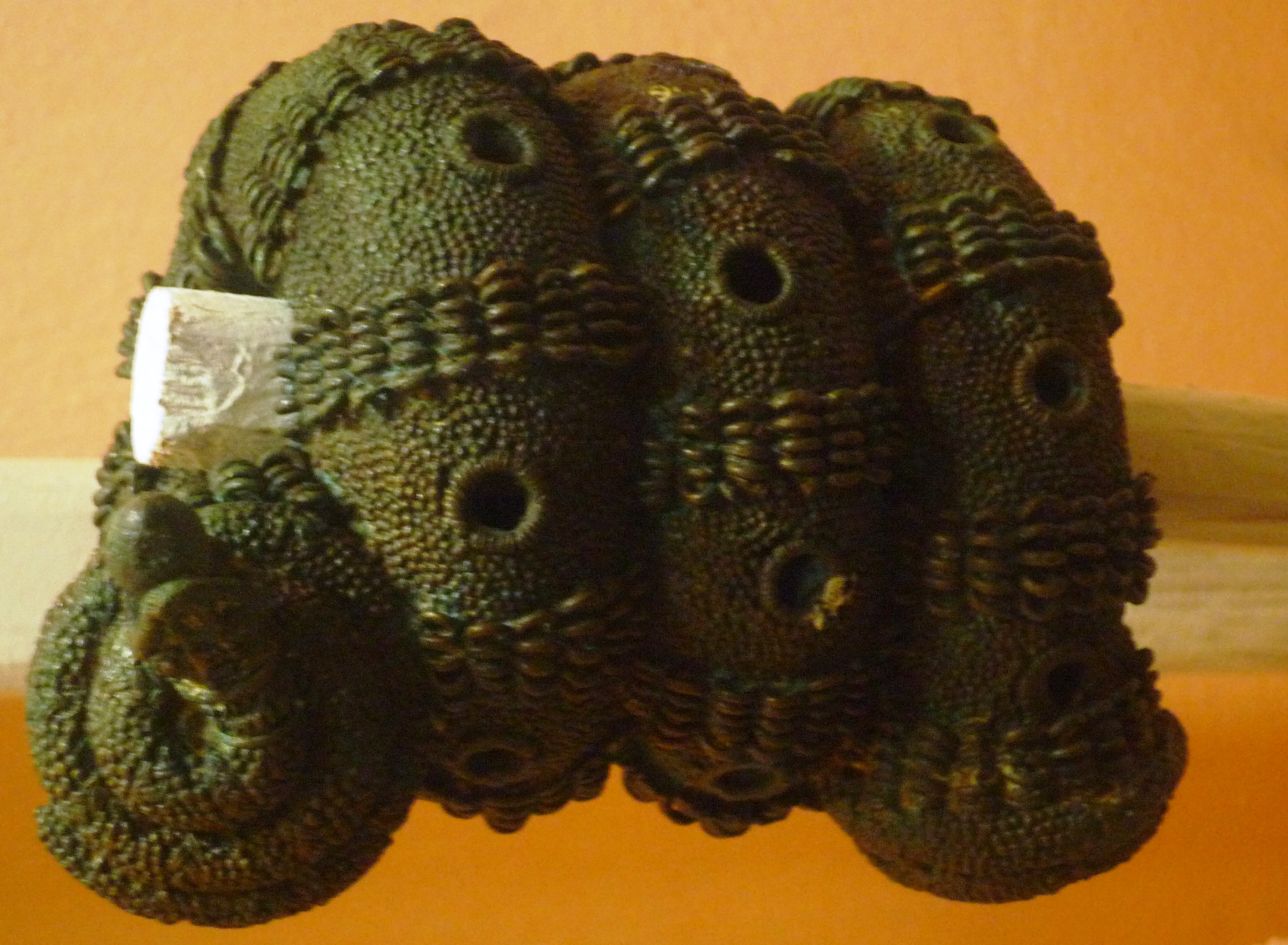
Igbo-Ukwu is an archaeological site in southeastern Nigeria renowned for its exquisite bronzes and artifacts, including copper and iron items, glass and carnelian beads, and textiles. Excavations, primarily conducted by Charles Thurstan Shaw in the mid-20th century, revealed a highly advanced metalworking culture dating back to the 9th century CE. The artifacts, characterized by intricate designs and technical prowess, were initially thought to be influenced by European contact, but isotopic and radiocarbon analysis confirmed their indigenous origins, predating such contact by several centuries. The site's discoveries have significantly contributed to understanding pre-colonial African art and technology, challenging previous assumptions about the region's historical capabilities.
Gallery
Explore photographs of ancient structures, artifacts, and archaeological excavations
Historical Timeline
Journey through time and discover key events in this site's history
Iron Age settlement
850-900 CE
Advanced metalwork and textiles
900-1300 CE
Post-Classical trade connections
900-1000 CE
Archaeological Features
Unique architectural and cultural elements found at this historical site
Burial and Funerary Structures
Industrial and Craft Structures
Religious and Ritual Structures
Artistic and Decorative Features
Domestic and Habitation Structures
Plan Your Visit
Tours, travel arrangements, and practical information


More Sites in Nigeria
Oke Ora
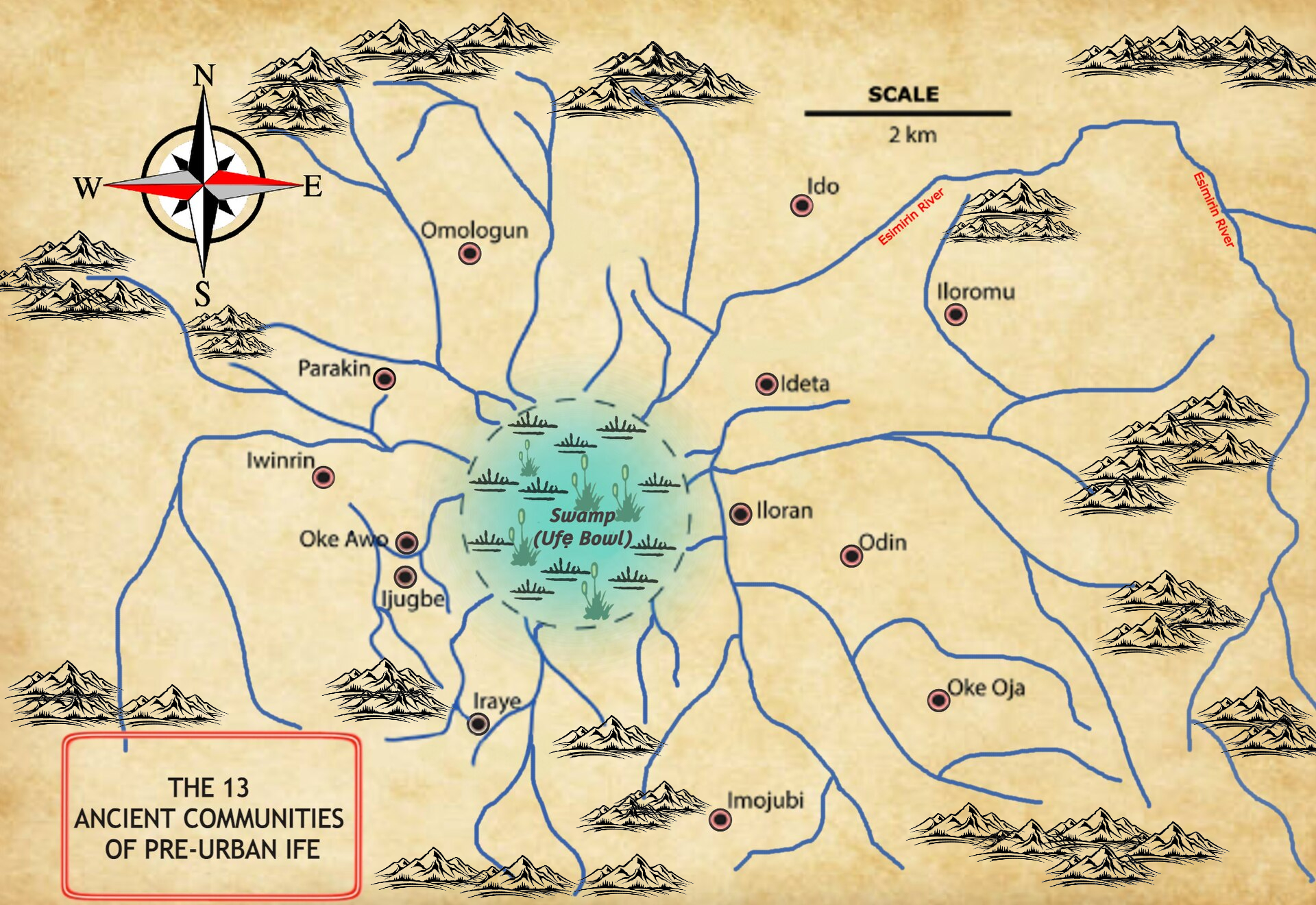
Ancient Yoruba settlement on a hill.
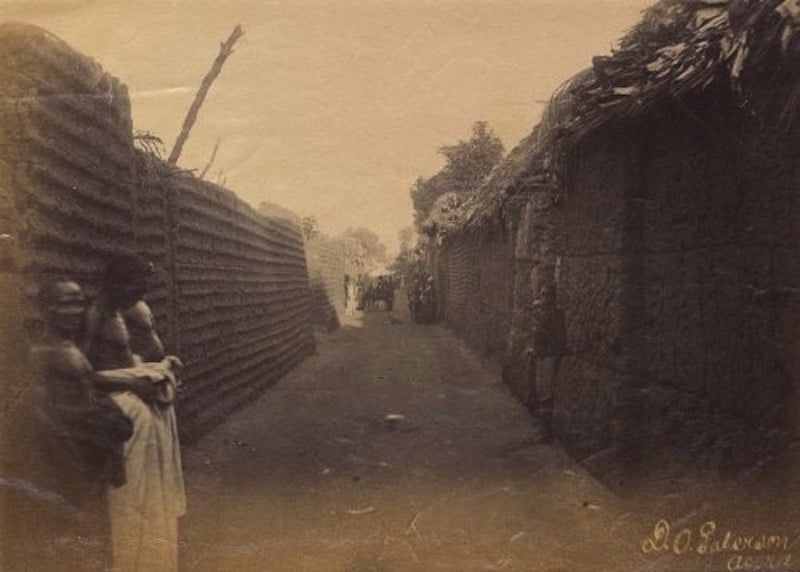
Benin Moat
Massive earthworks encircling Benin City, Nigeria
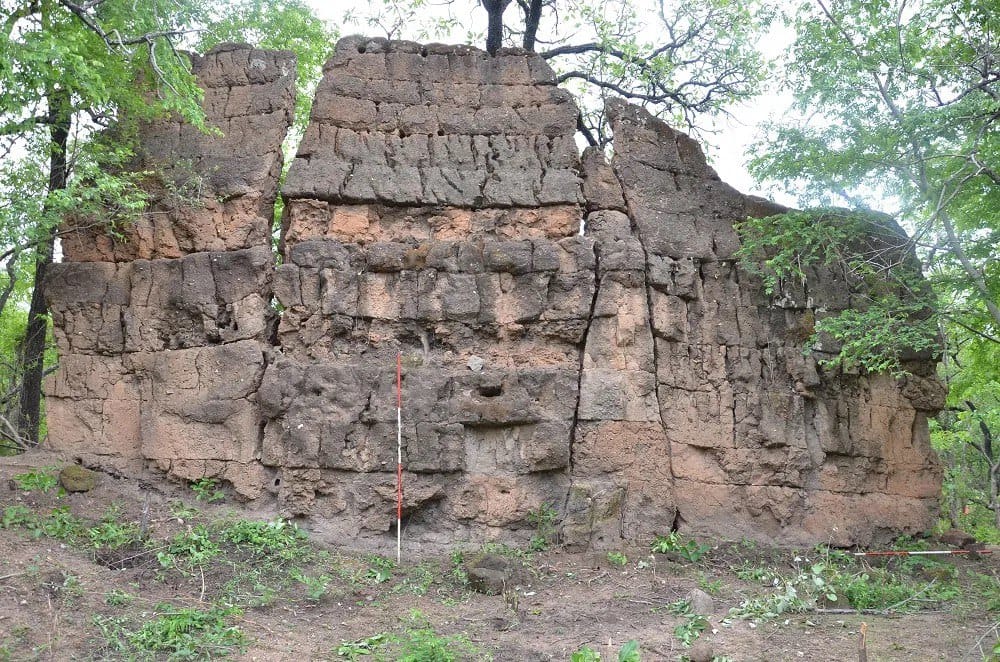
Old Oyo
Ruined medieval Yoruba city and palace.
Ngazargamu
Fortified city with circular walls and palaces.
Samun Dukiya
Nok culture artifacts in Nok valley
Kwiambana
Ancient granite inselberg settlement ruins