Explore the Map
Heraclea Lyncestis
41.0108° N, 21.3425° E
About
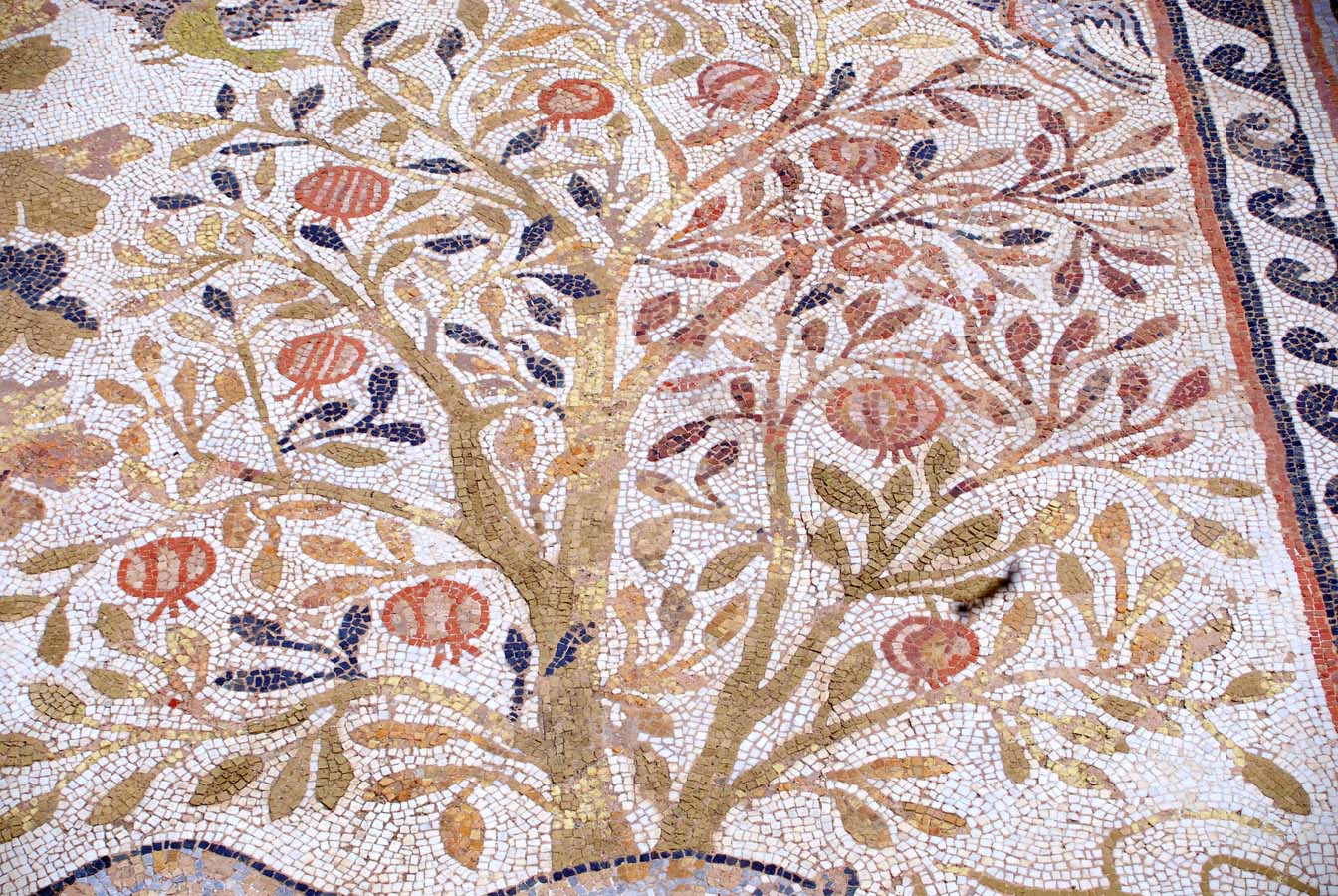
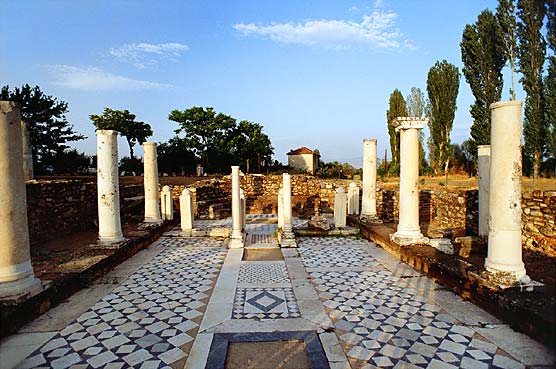
Heraclea Lyncestis, an ancient city founded by Philip II of Macedon in the 4th century BCE, is located near modern-day Bitola in North Macedonia. It was strategically positioned on major trade routes, including the Via Egnatia, facilitating its growth as a significant urban center in classical antiquity. Under Roman rule, the city flourished, featuring structures such as a theatre built by Emperor Hadrian and various public baths. In the early Byzantine period, Heraclea became an important episcopal center, with notable basilicas adorned with intricate mosaics. The city experienced invasions and sackings by Gothic forces in the 5th century and was later damaged by an earthquake in 518 CE, leading to its gradual abandonment. By the late 6th century, Slavic tribes settled in the area, marking the end of its historical prominence.
Gallery
Explore photographs of ancient structures, artifacts, and archaeological excavations
Historical Timeline
Journey through time and discover key events in this site's history
Foundation by Philip II
Middle of the 4th century BCE
Roman conquest and integration
Middle of the 2nd century BCE
Theatre construction by Hadrian
During the reign of Hadrian
Ostrogoth/Visigoth sackings
472 CE, 479 CE
Earthquake and abandonment
518 CE
Slavic settlement
ca. 585 CE
Archaeological Features
Unique architectural and cultural elements found at this historical site
Defensive Structures
Public and Civic Structures
Religious and Ritual Structures
Artistic and Decorative Features
Domestic and Habitation Structures
Transportation and Communication Structures
Plan Your Visit
Tours, travel arrangements, and practical information

More Sites in North Macedonia
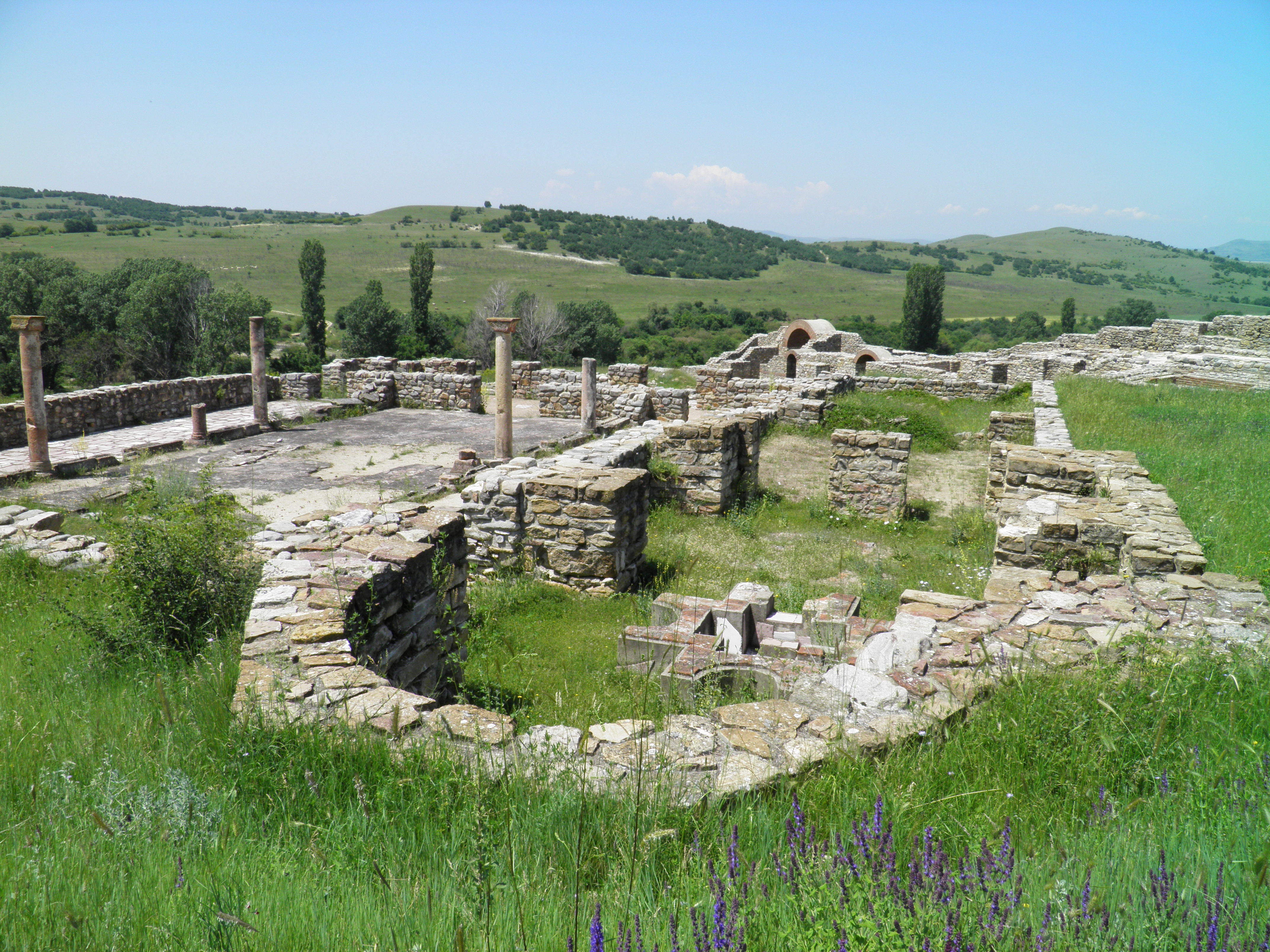
Bargala
Ancient fortified city with basilicas
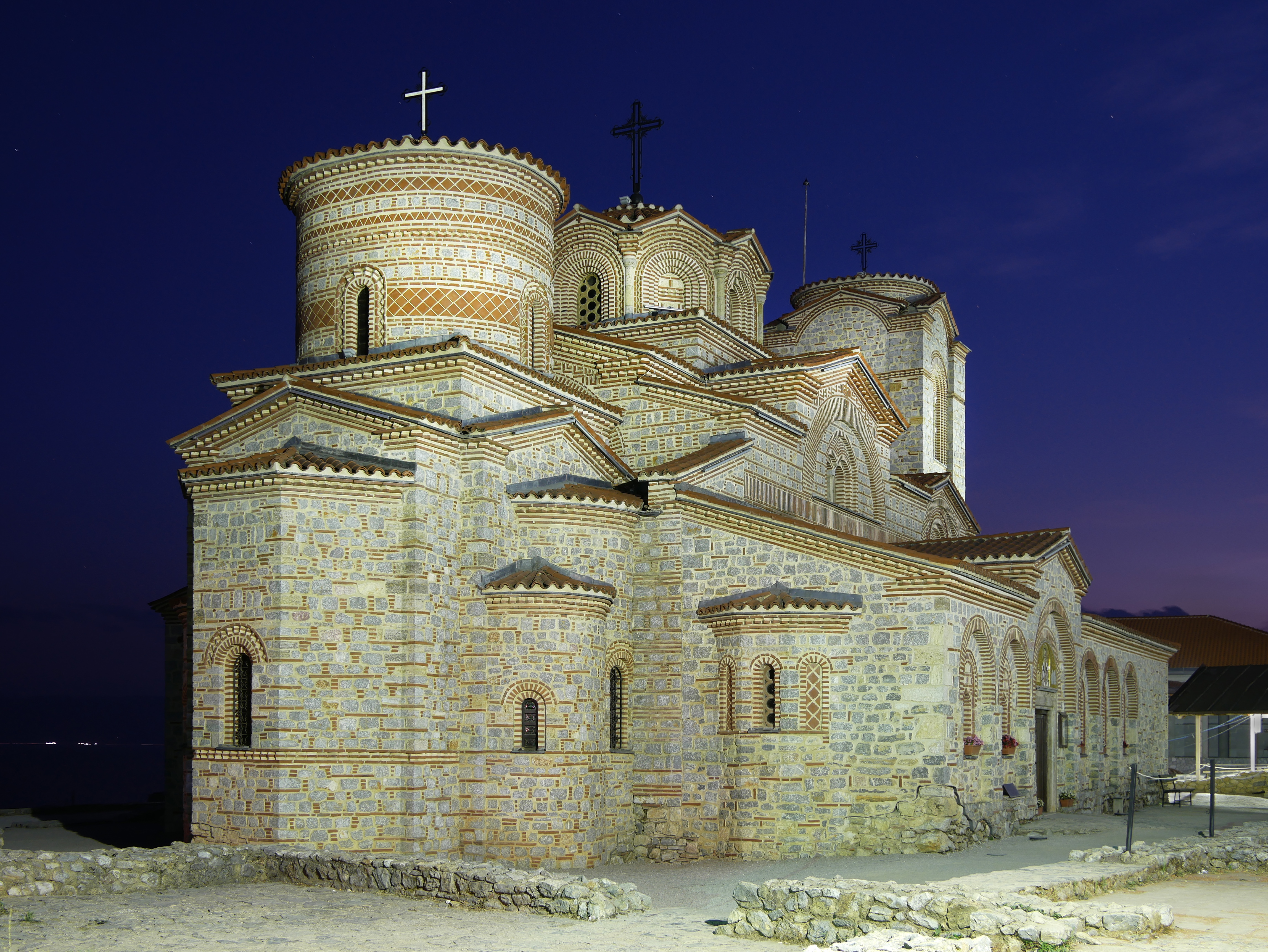
Church of Saints Clement and Panteleimon
Byzantine church with ancient basilica remnants
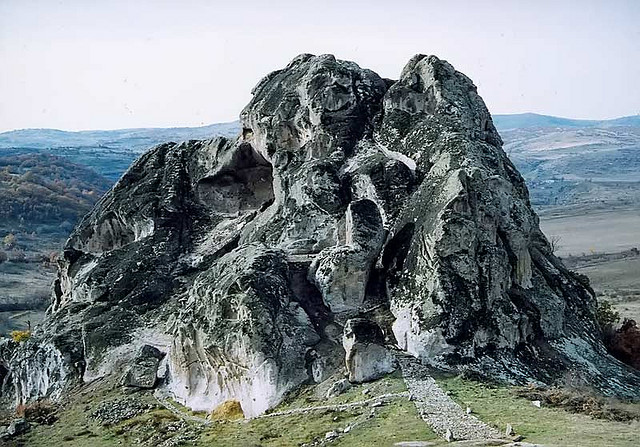
Cocev Kamen
Volcanic-origin hilltop cave with prehistoric art
Bylazora
Largest Paeonian city with strategic fortifications.
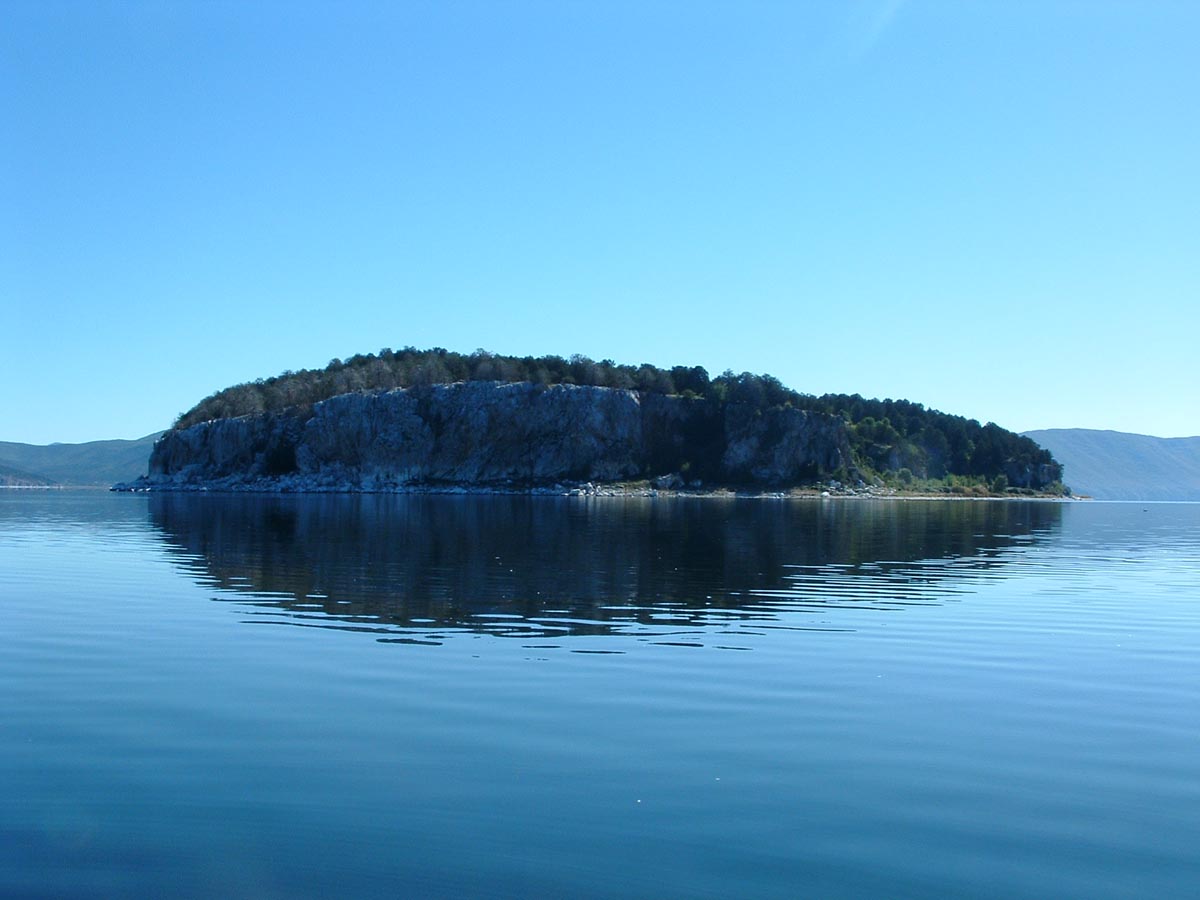
Golem Grad
Uninhabited island with ancient ruins.
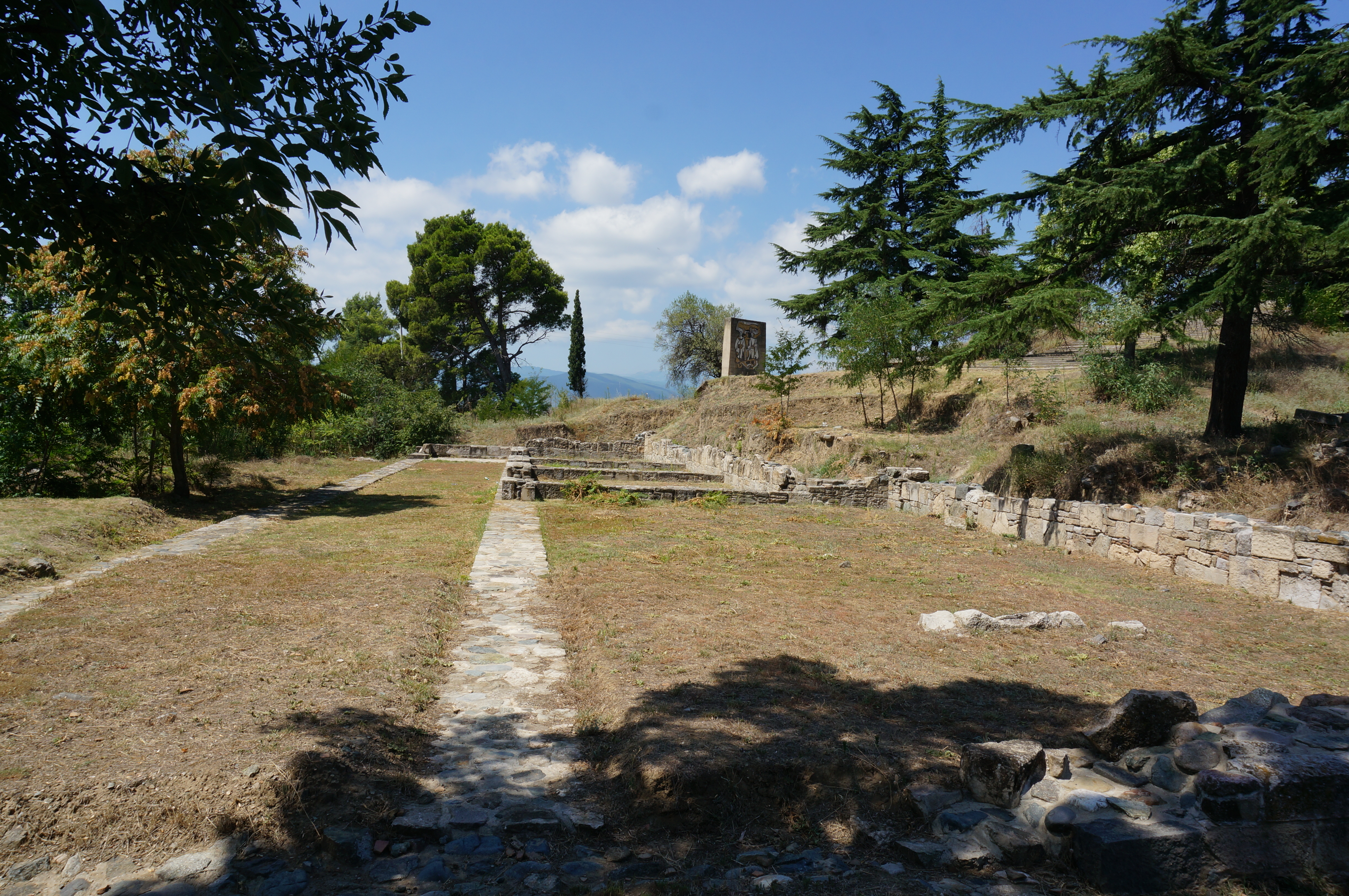
Vardarski Rid
Early Antiquity town with monumental stoa.