Explore the Map
Skopje Aqueduct
42.0235° N, 21.4187° E
About
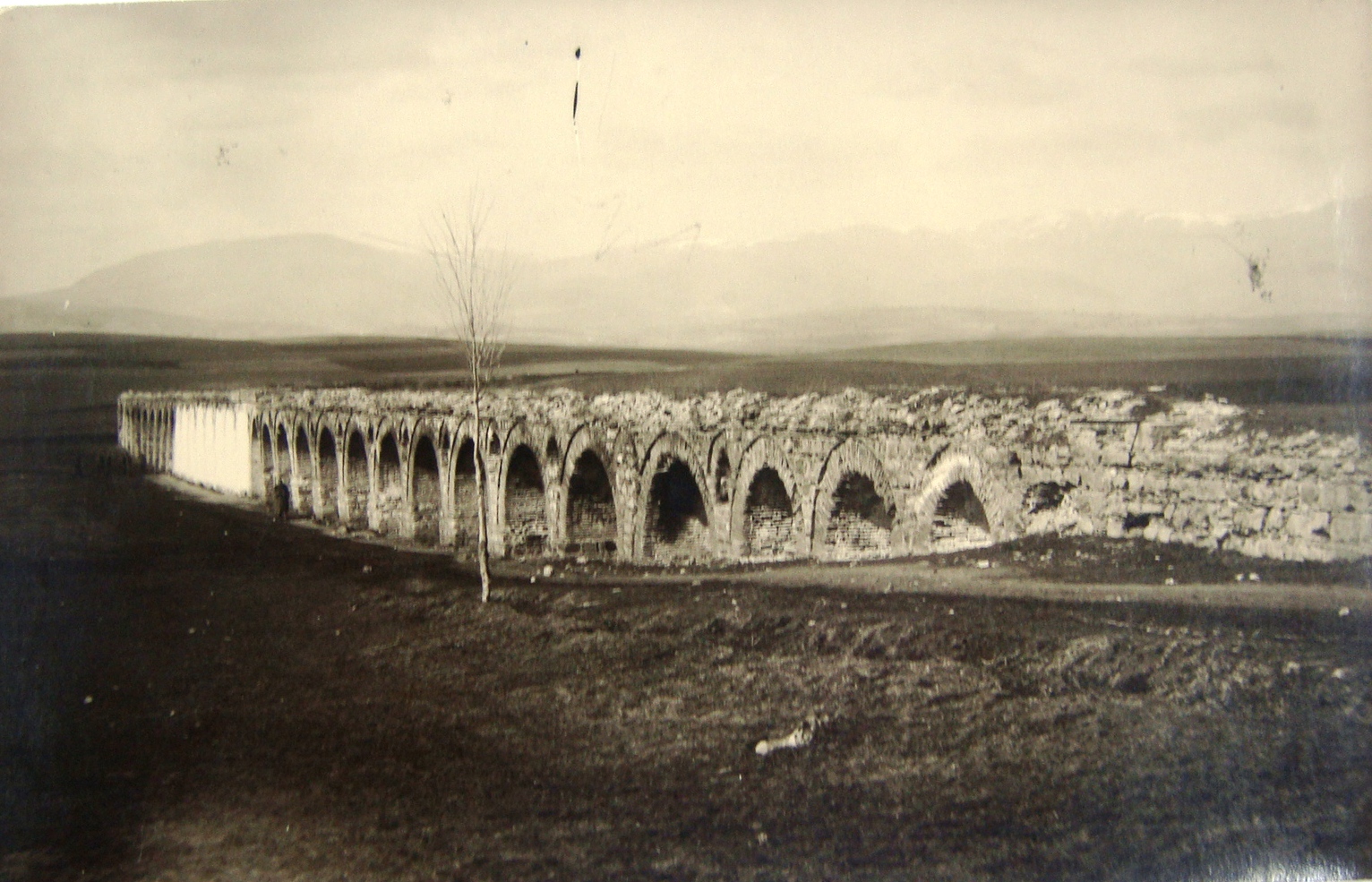
The Skopje Aqueduct is a significant archaeological site located in the vicinity of Skopje, North Macedonia. Constructed with stone and brick, it spans approximately 386 meters and includes 55 arches, showcasing impressive engineering techniques of its time. The aqueduct's exact date of construction is debated, but it served as a vital water management structure, likely transporting water from Lavovec spring to the city center of Skopje. As the only aqueduct in North Macedonia and one of the largest in the former Yugoslavia, it holds substantial historical importance. Restoration efforts began in the 21st century to preserve its structure and historical value. The aqueduct ceased operation in the 18th century, marking the end of its functional period.
Gallery
Explore photographs of ancient structures, artifacts, and archaeological excavations
Historical Timeline
Journey through time and discover key events in this site's history
Aqueduct use until 18th century
18th century CE
Archaeological Features
Unique architectural and cultural elements found at this historical site
Water Management Features
Frequently Asked Questions
Plan Your Visit
Tours, travel arrangements, and practical information


More Sites in North Macedonia
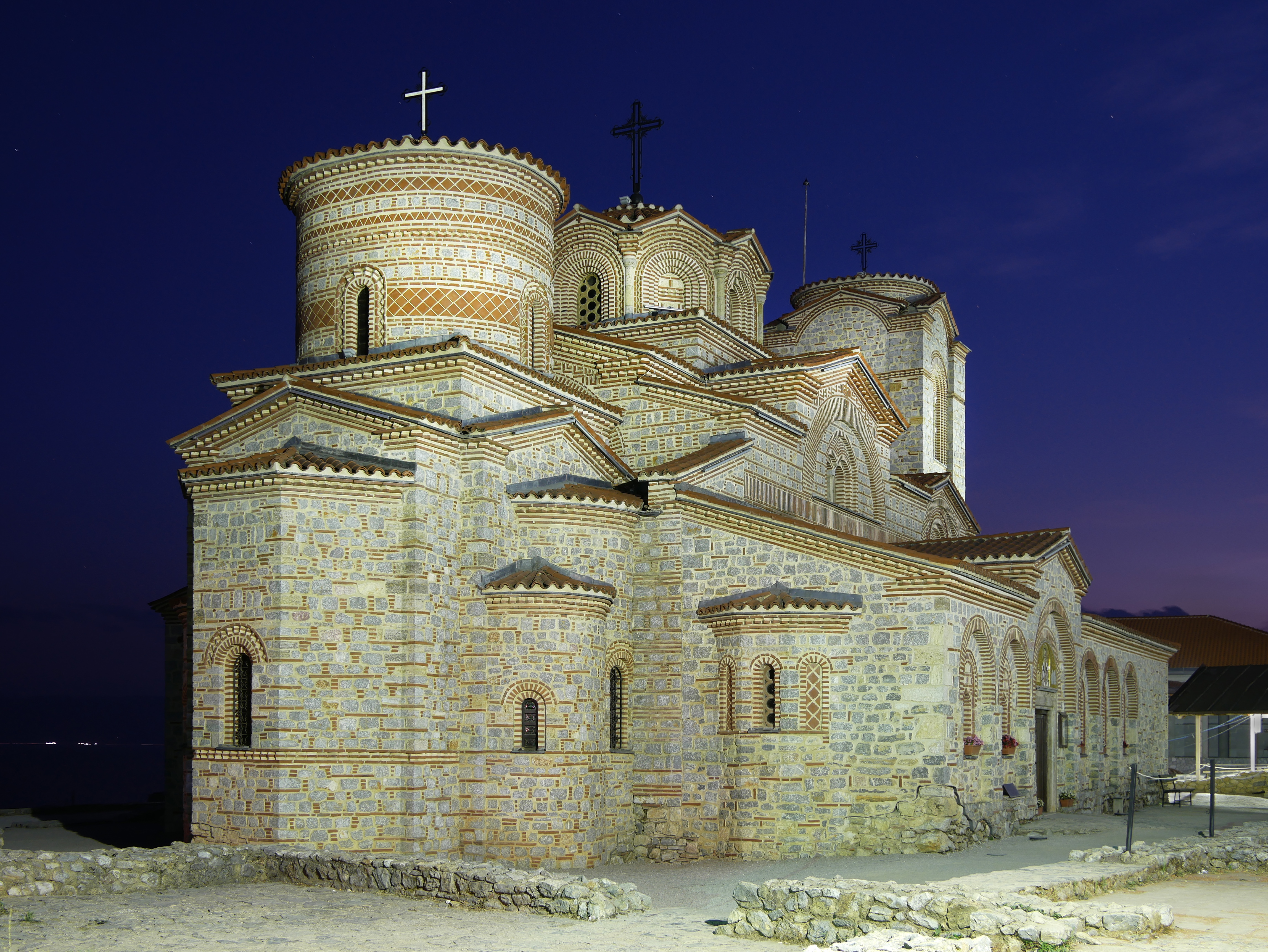
Church of Saints Clement and Panteleimon
Byzantine church with ancient basilica remnants
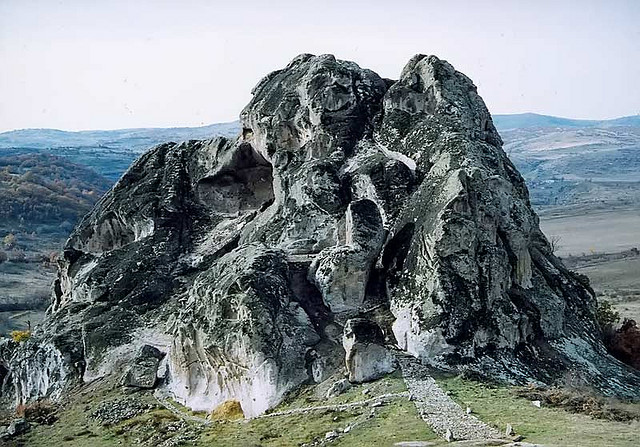
Cocev Kamen
Volcanic-origin hilltop cave with prehistoric art
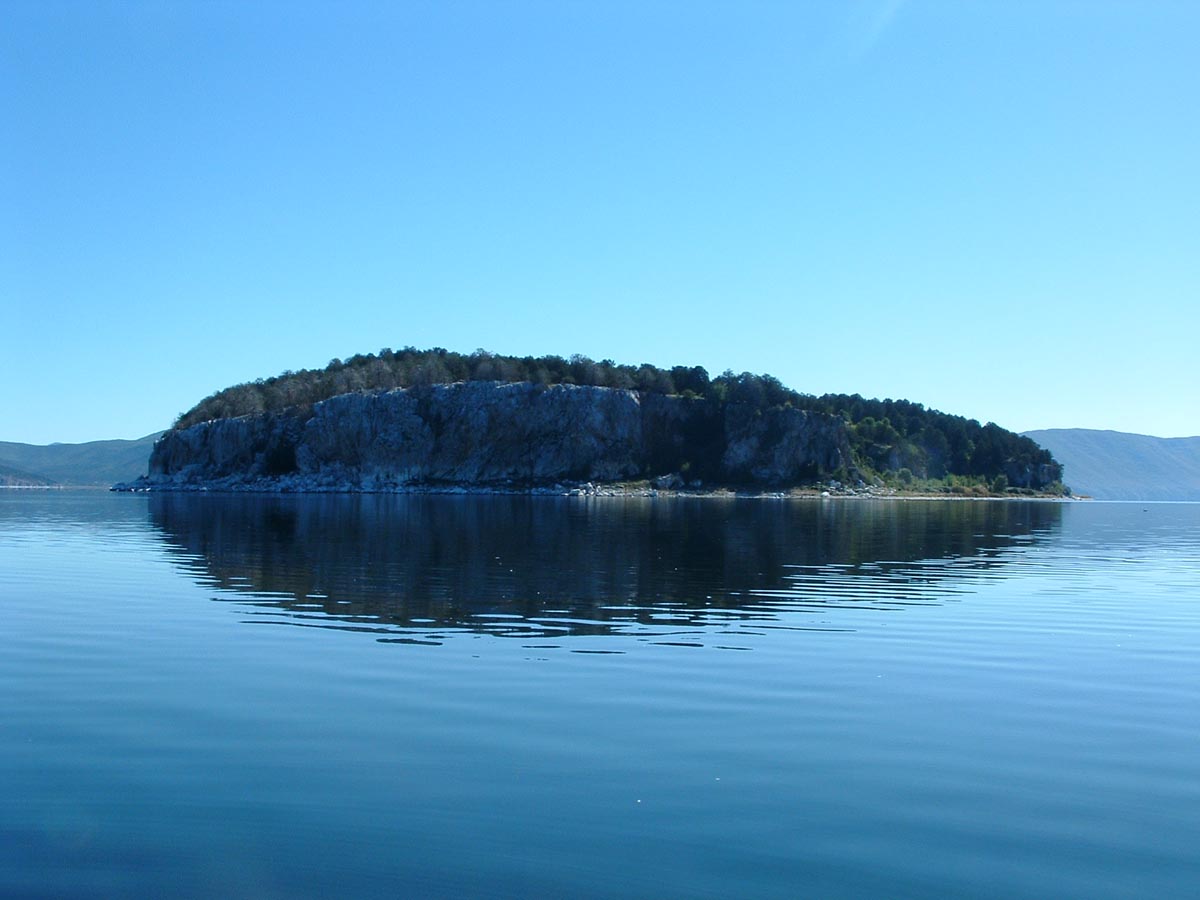
Golem Grad
Uninhabited island with ancient ruins.
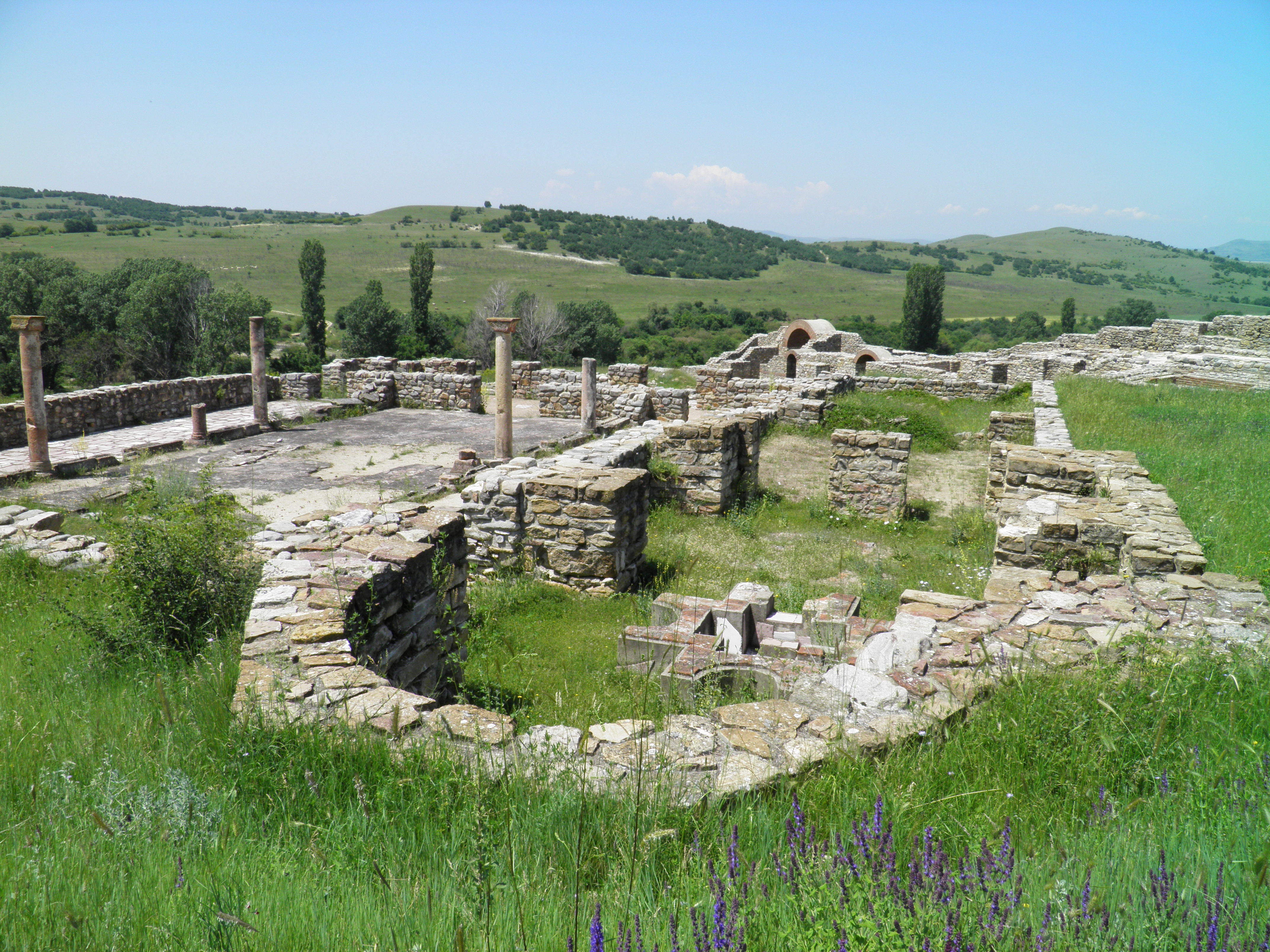
Bargala
Ancient fortified city with basilicas
Kočani medieval towers
Ottoman residential towers, 17th century
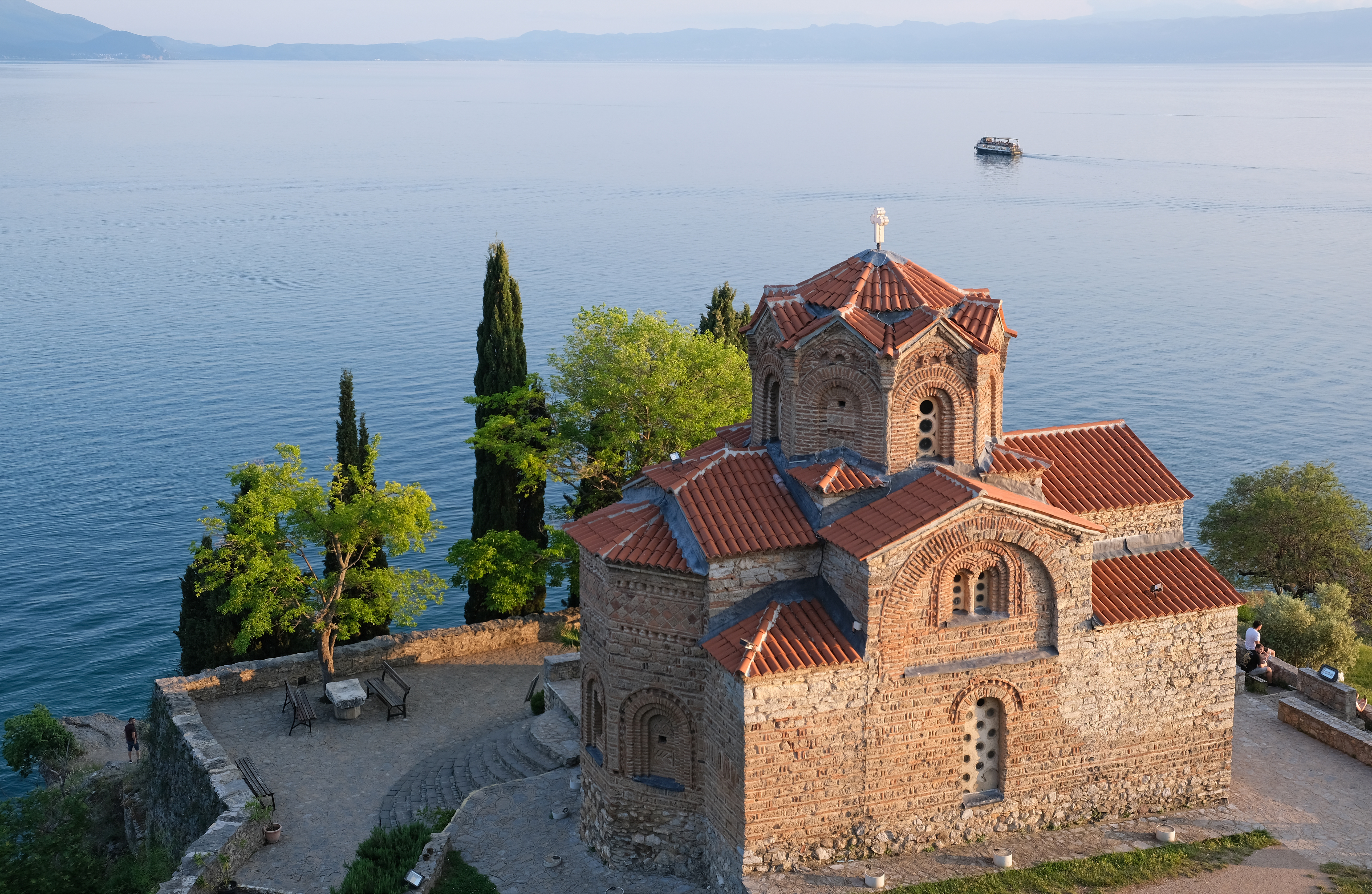
Church of St. John at Kaneo
13th-century Macedonian Orthodox church on cliff