Explore the Map
Cathedral Ruins in Hamar
60.7920° N, 11.0384° E
About
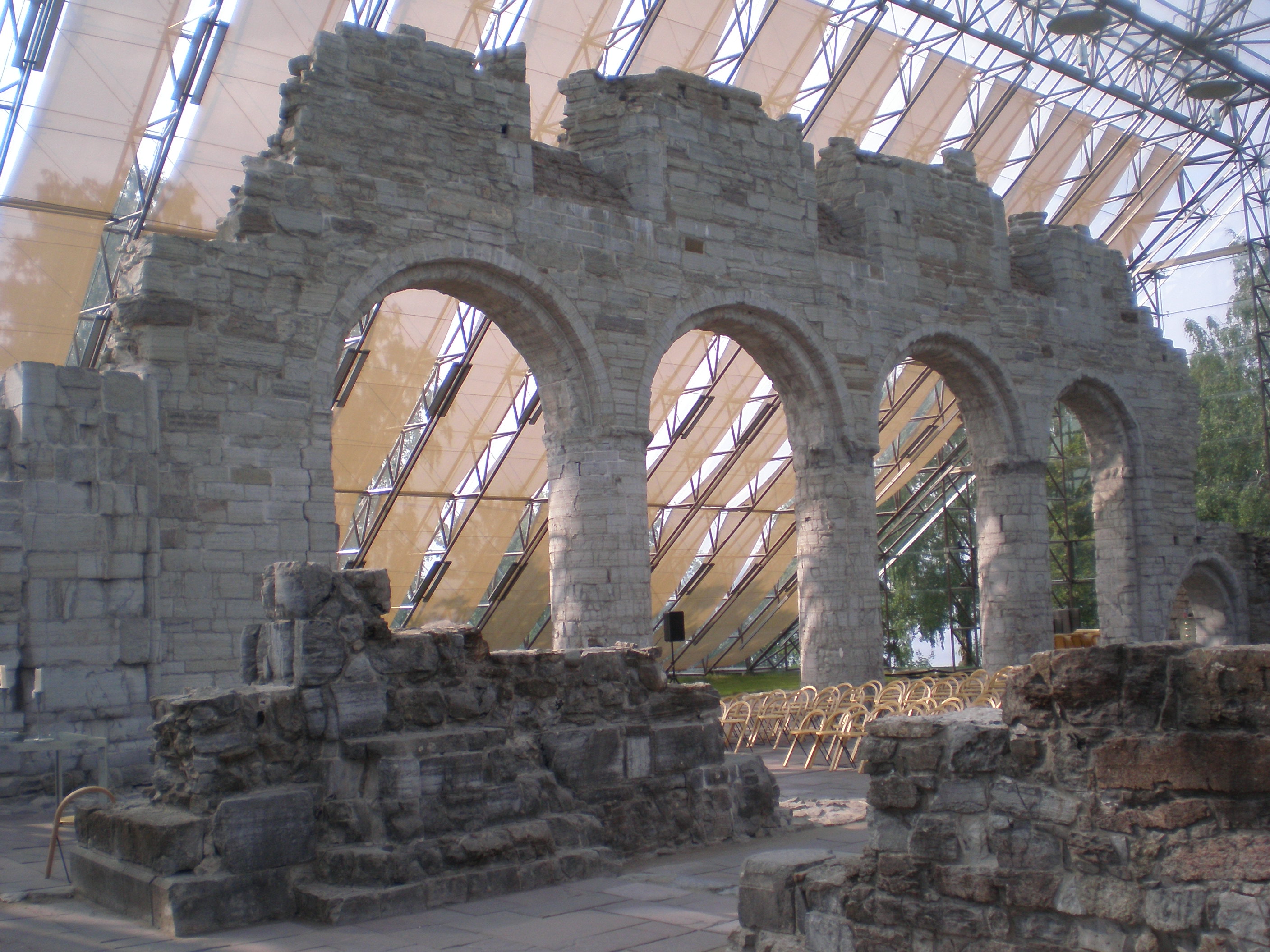
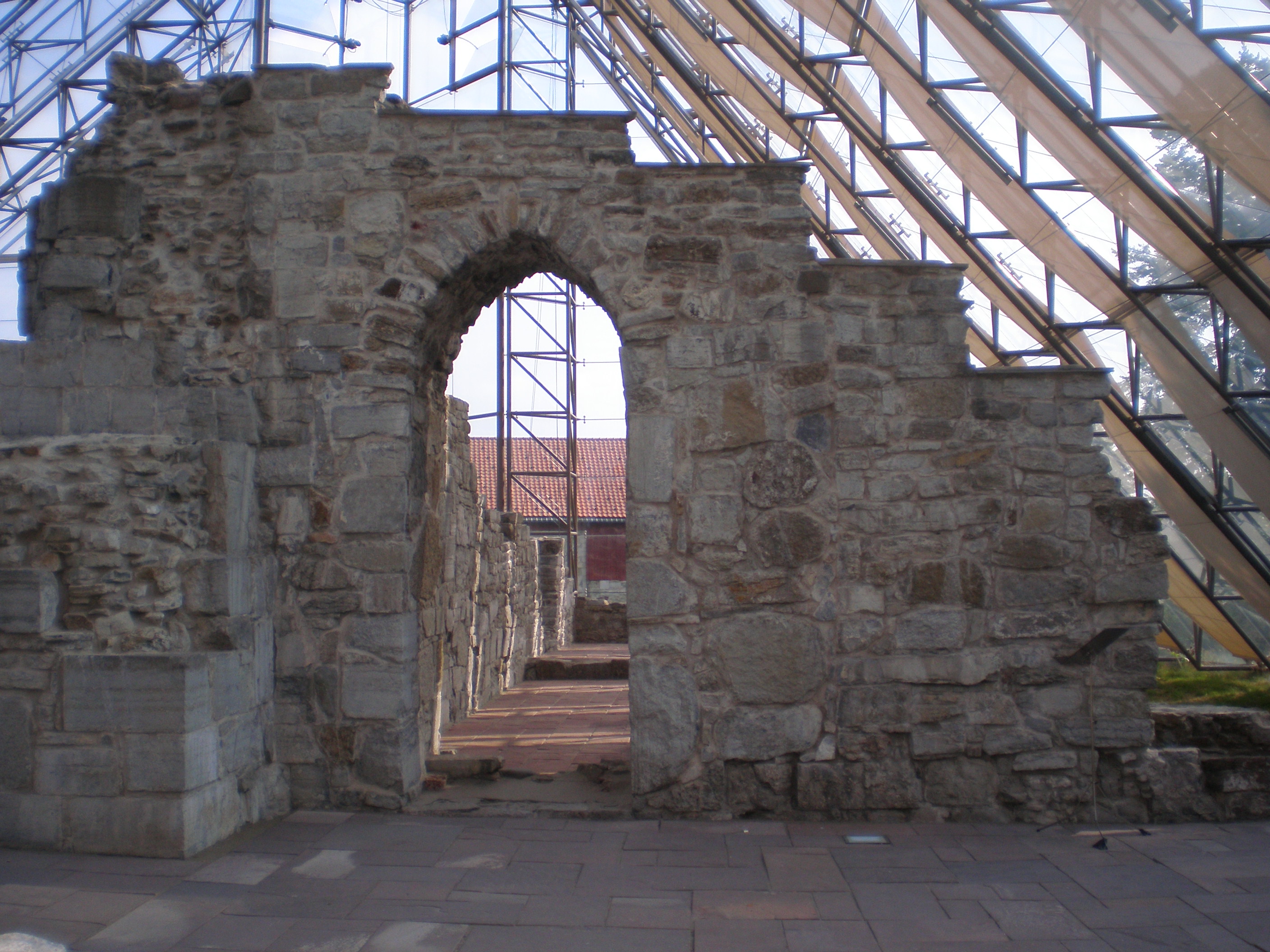
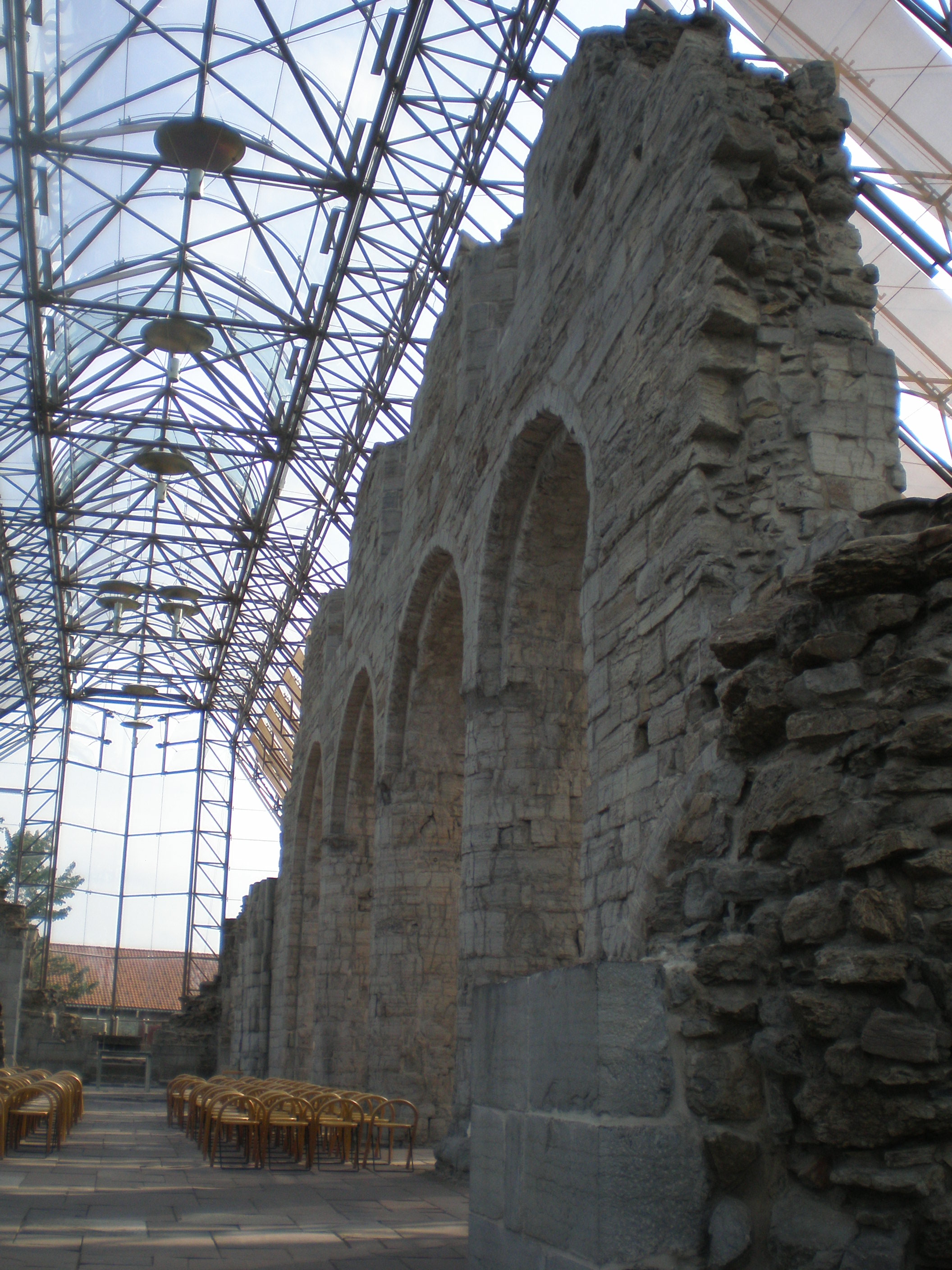
The ruins of Hamar Cathedral in Norway represent a significant medieval religious site. Initially constructed in the Romanesque style beginning in 1150 CE under Bishop Arnaldur, the cathedral was completed by 1232 CE during Bishop Paul's tenure. It underwent architectural transformation to the Gothic style in the late 13th century. Serving as the see of the Ancient Diocese of Hamar, it played a crucial role in the region's religious history. However, the cathedral fell into disrepair and was ultimately destroyed by Swedish forces in 1567 CE during the Northern Seven Years' War. Today, the site is conserved under a protective structure, highlighting the ambitious efforts by the Norwegian government to preserve this historical monument.
Gallery
Explore photographs of ancient structures, artifacts, and archaeological excavations
Historical Timeline
Journey through time and discover key events in this site's history
Construction begins on cathedral
1150 CE
Cathedral completed
1232 CE
Conversion to Gothic style
1278 CE
Destruction during Northern Seven Years' War
1567 CE
Archaeological Features
Unique architectural and cultural elements found at this historical site
Religious and Ritual Structures
Plan Your Visit
Tours, travel arrangements, and practical information


More Sites in Norway
Lunner Church
Medieval stone church with unique circular tower.
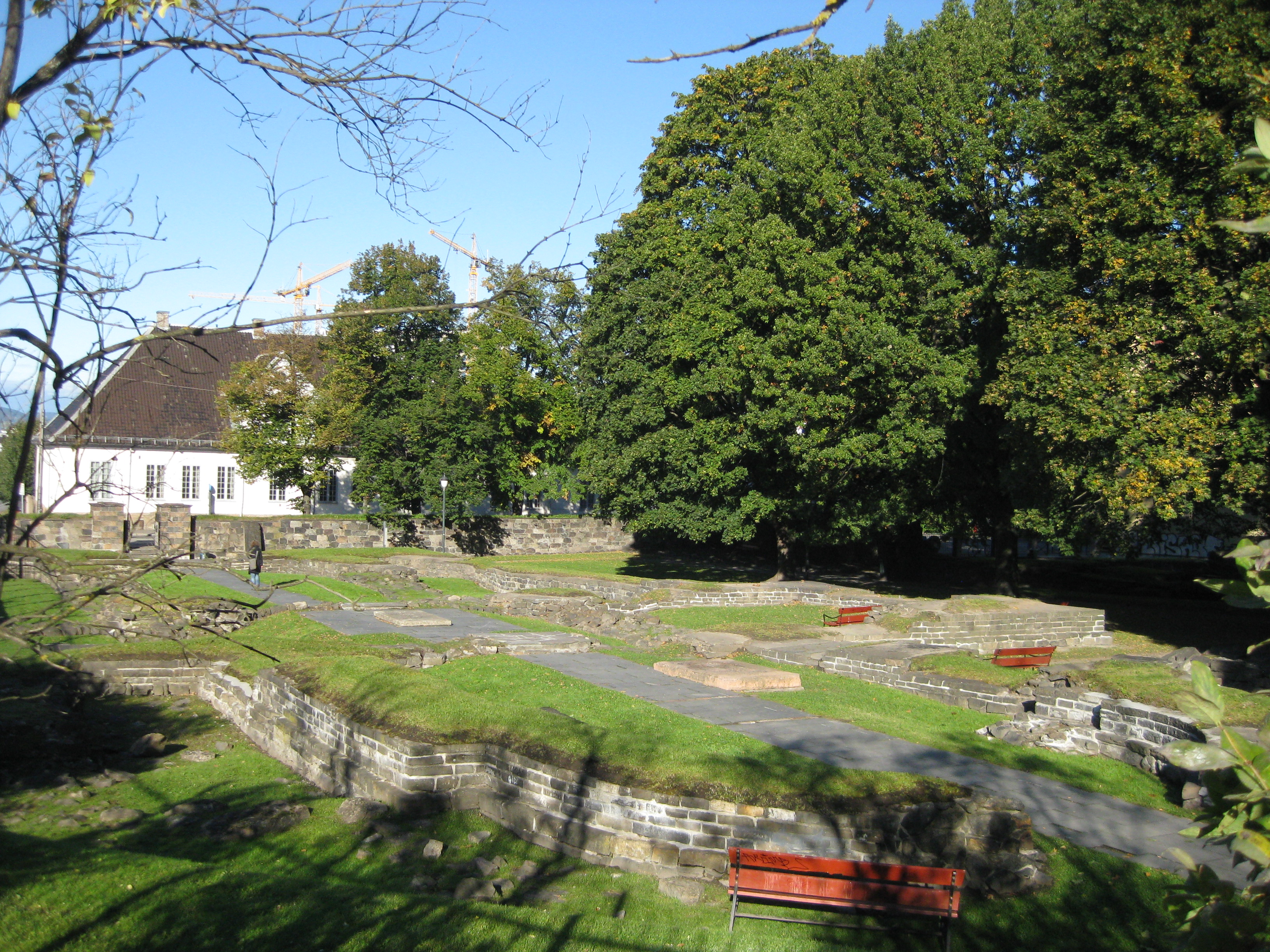
St. Hallvard's Cathedral
Early 12th-century cathedral ruins in Oslo.
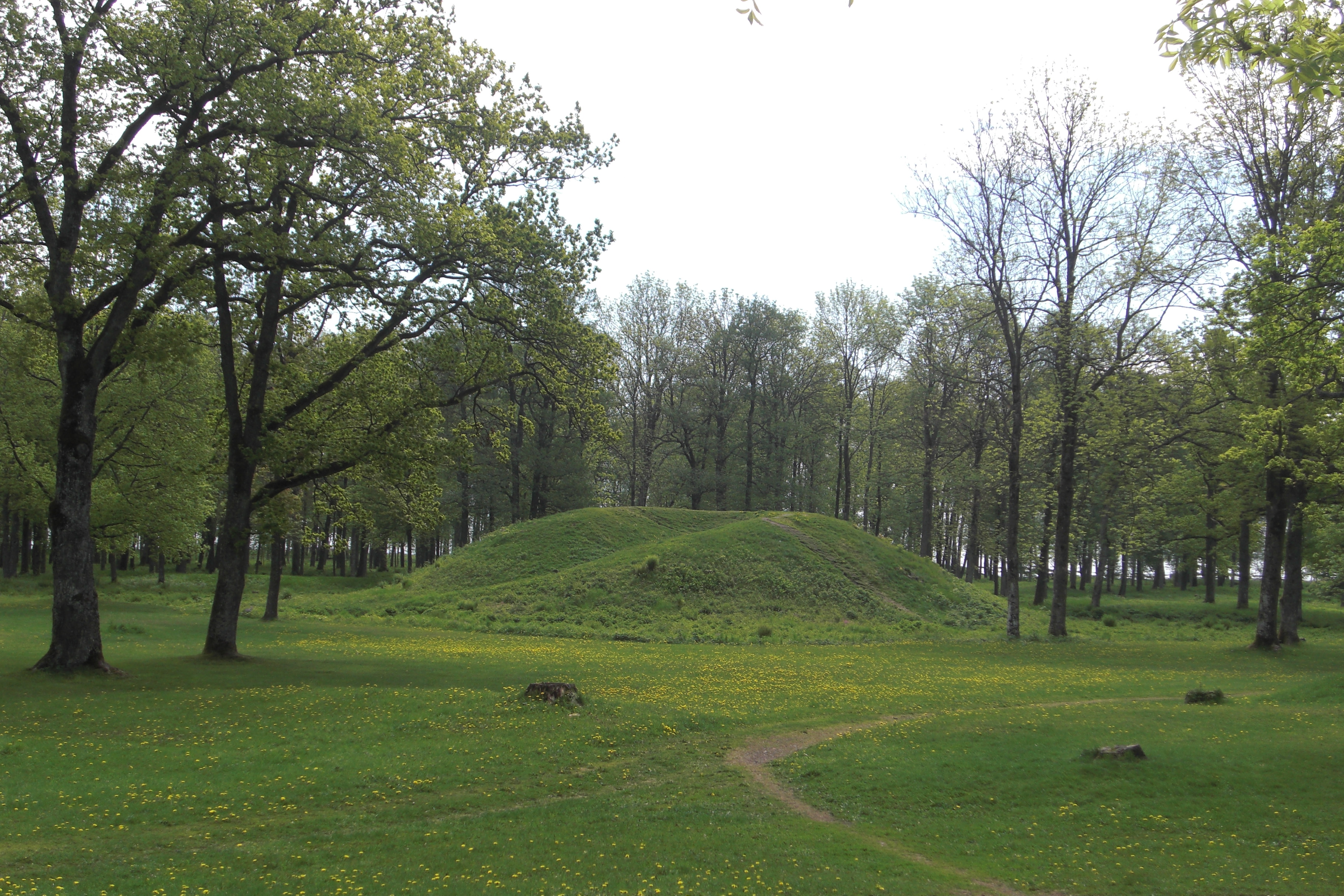
Borre mound cemetery
Scandinavian burial mounds and cairns site
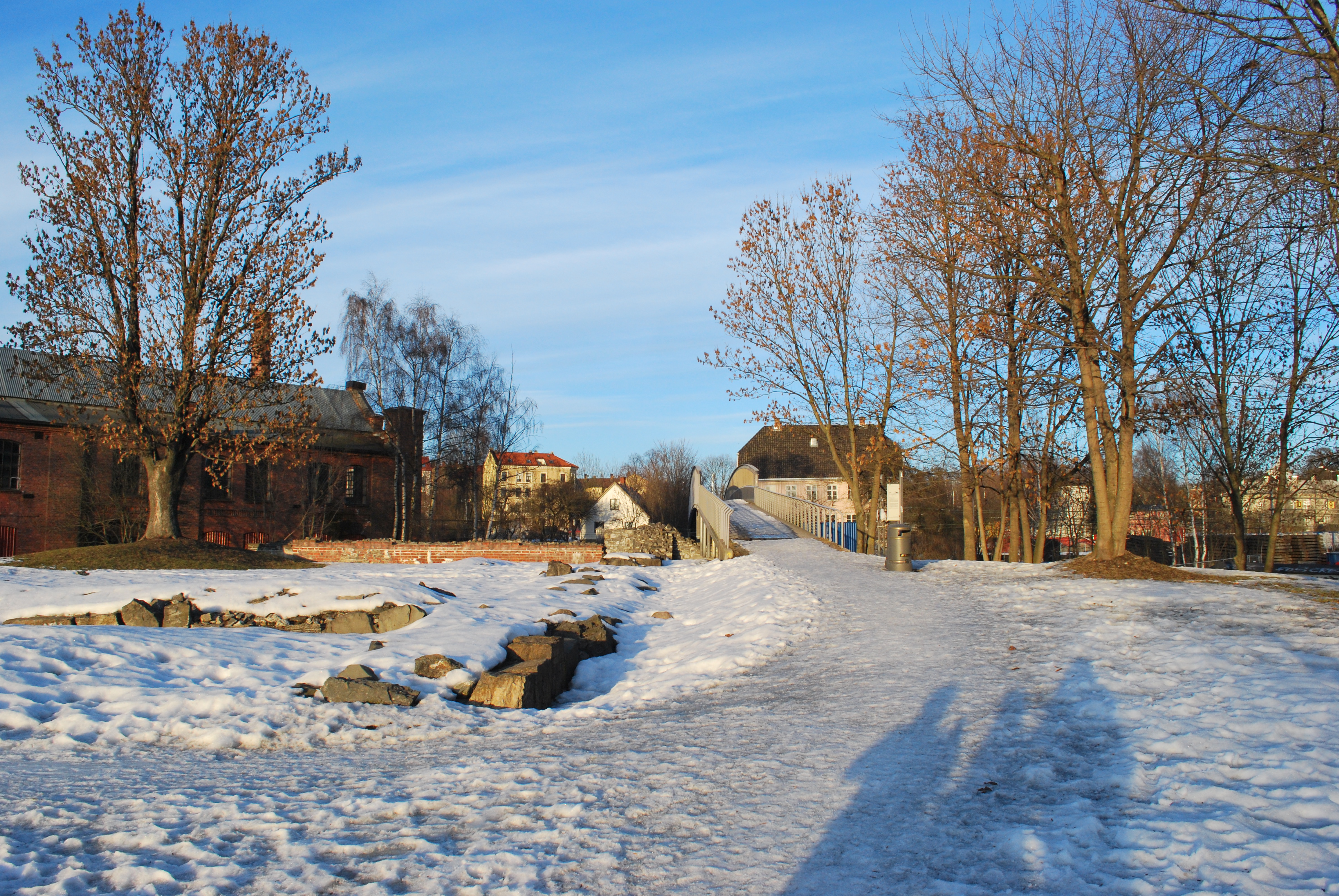
Middelalderparken
Medieval park with church ruins and estate.
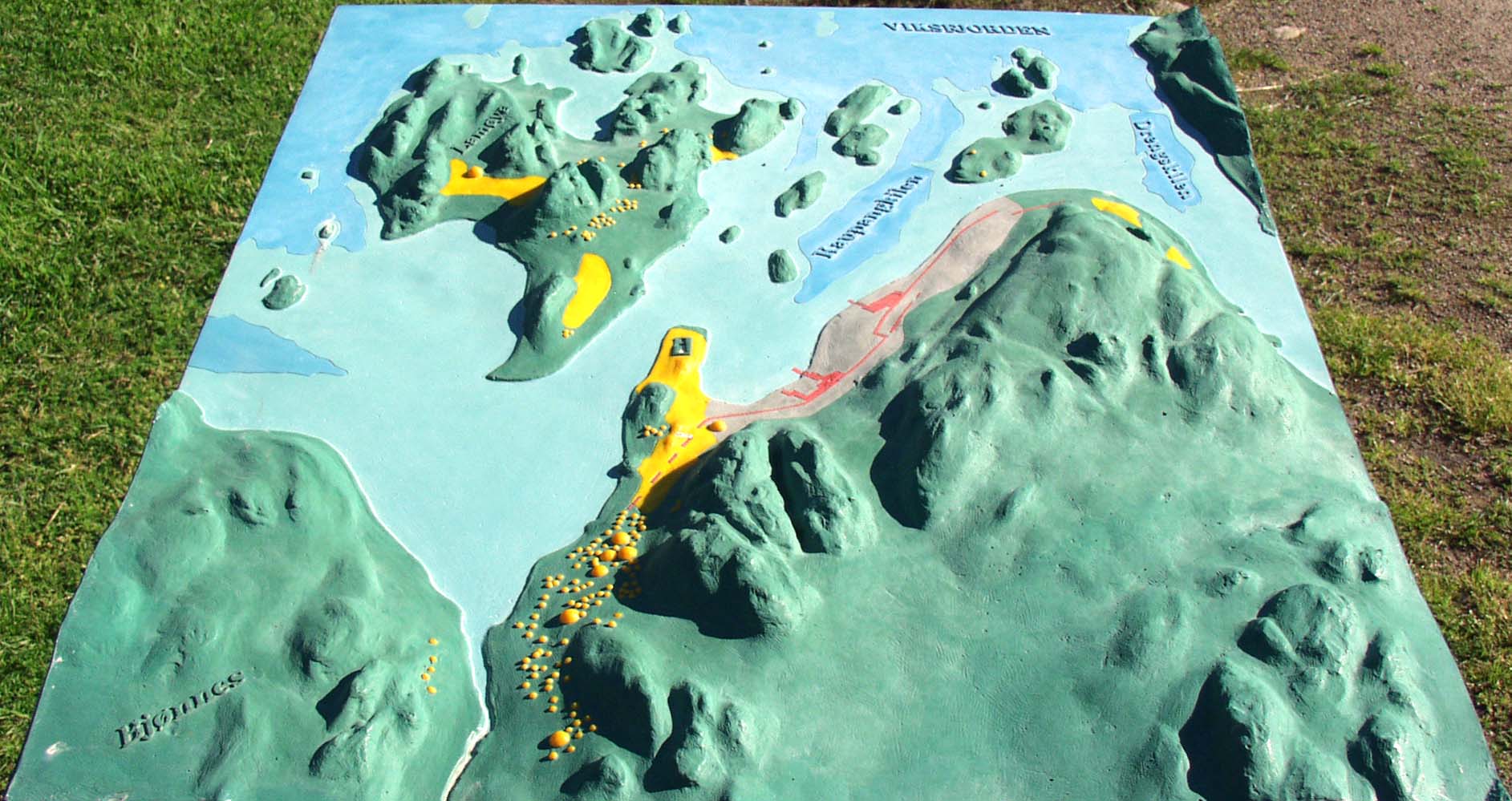
Kaupang
Viking Age town with trading significance.
St. Clement's Church, Oslo
Ruins of medieval double-nave stone church