Explore the Map
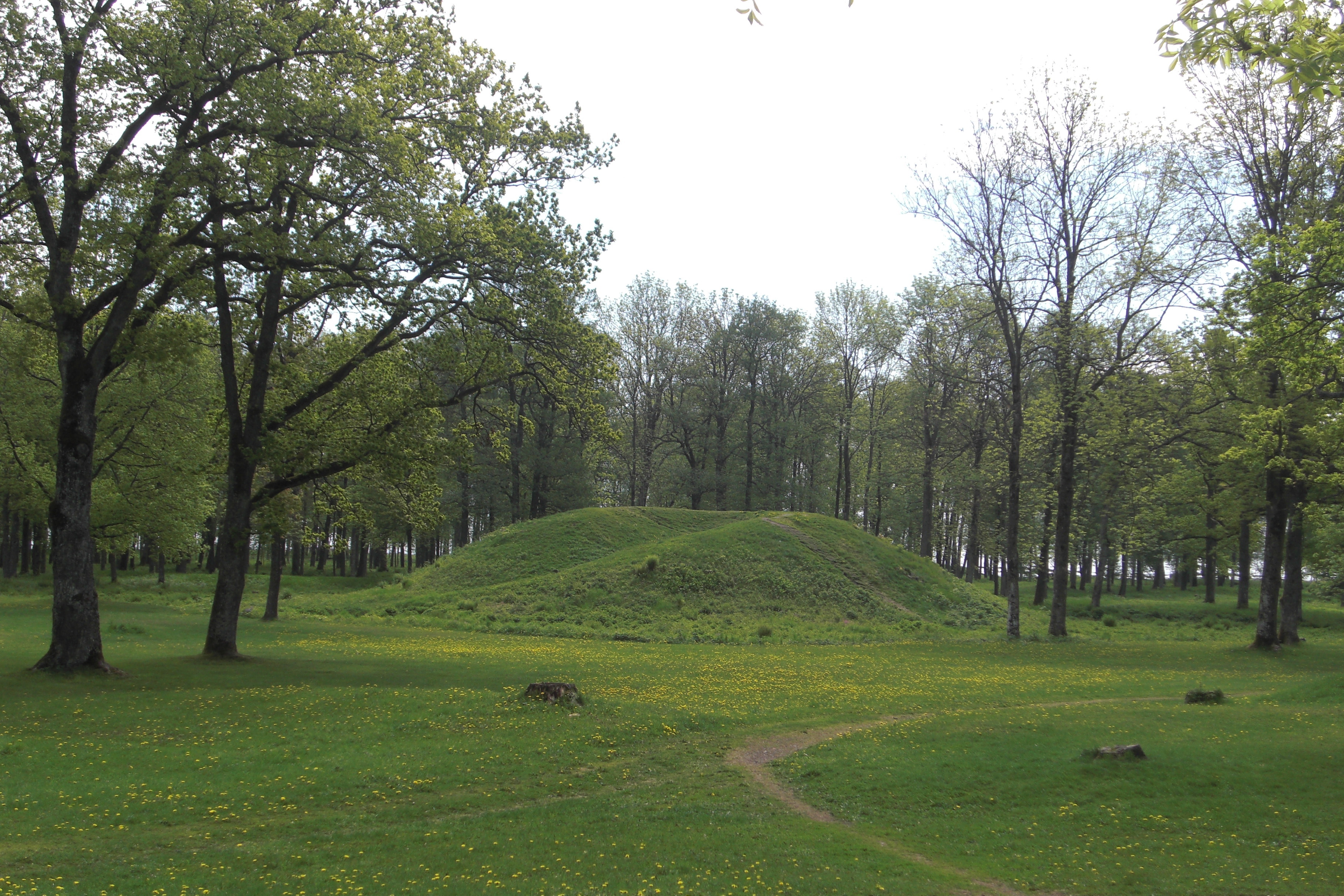
Borre mound cemetery
59.3825° N, 10.4594° E
About
The Borre mound cemetery in Vestfold, Norway, is a significant archaeological site that comprises seven large and 21 smaller burial mounds, dating back to the Merovingian period around 600 CE. This site offers evidence of a local power center in Scandinavia, preceding the Viking Age. Its burial mounds, some up to 45 meters in diameter and 6 meters high, are notable for their scale and the rich grave goods, including weapons and craftwork indicative of the Borre style. Recent discoveries have expanded the understanding of the site's historical significance, revealing potential hall buildings and a prehistoric harbor. The site stands as a testament to the cultural and ceremonial practices of the early post-classical period in Scandinavia.
Gallery
Explore photographs of ancient structures, artifacts, and archaeological excavations
Historical Timeline
Journey through time and discover key events in this site's history
Merovingian period burial mounds
600 CE
Viking Age ship burial
800 CE
Archaeological Features
Unique architectural and cultural elements found at this historical site
Water Management Features
Burial and Funerary Structures
Artistic and Decorative Features
Plan Your Visit
Tours, travel arrangements, and practical information
More Sites in Norway
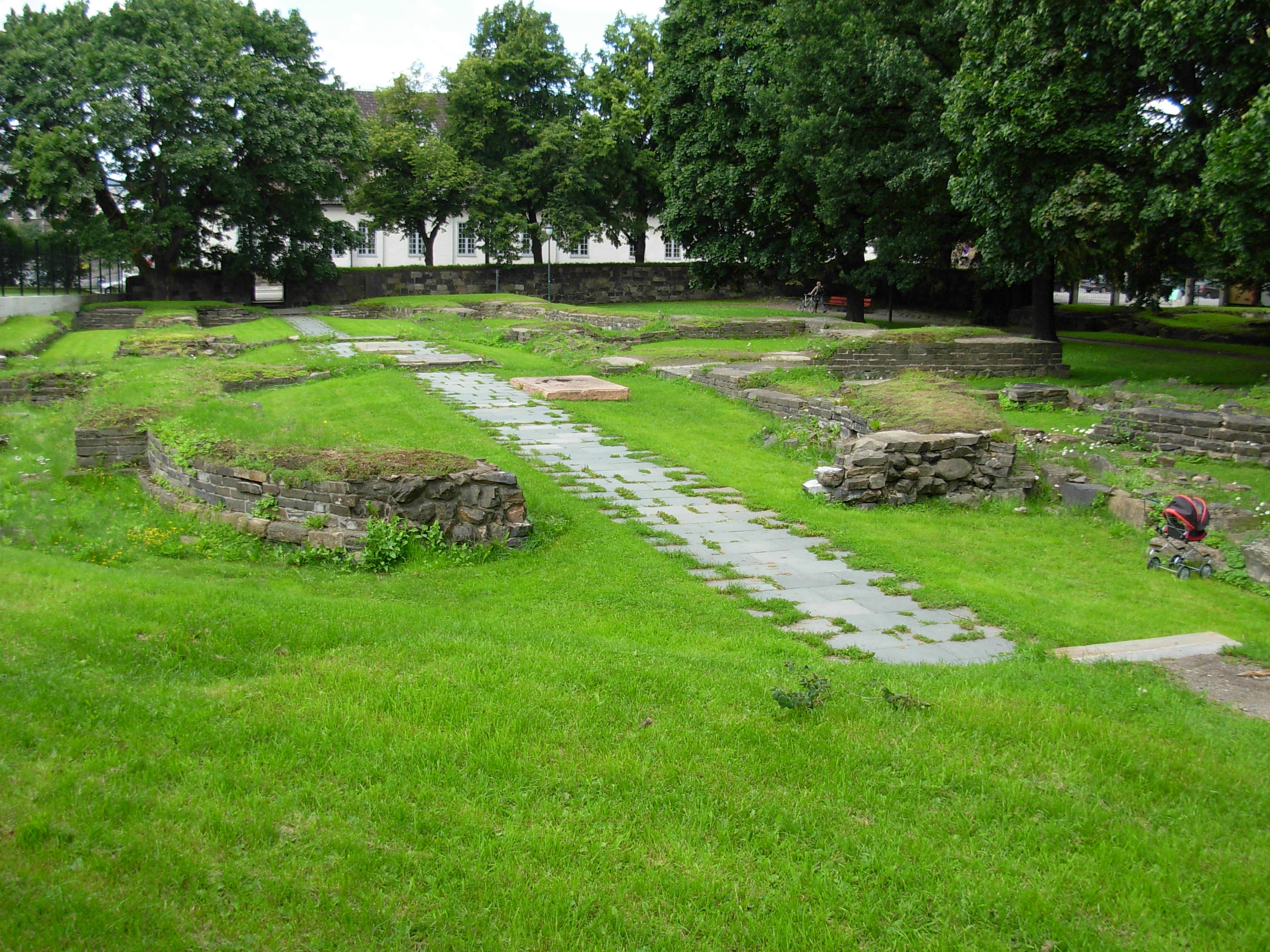
Minneparken
Ruins of medieval buildings in Oslo.
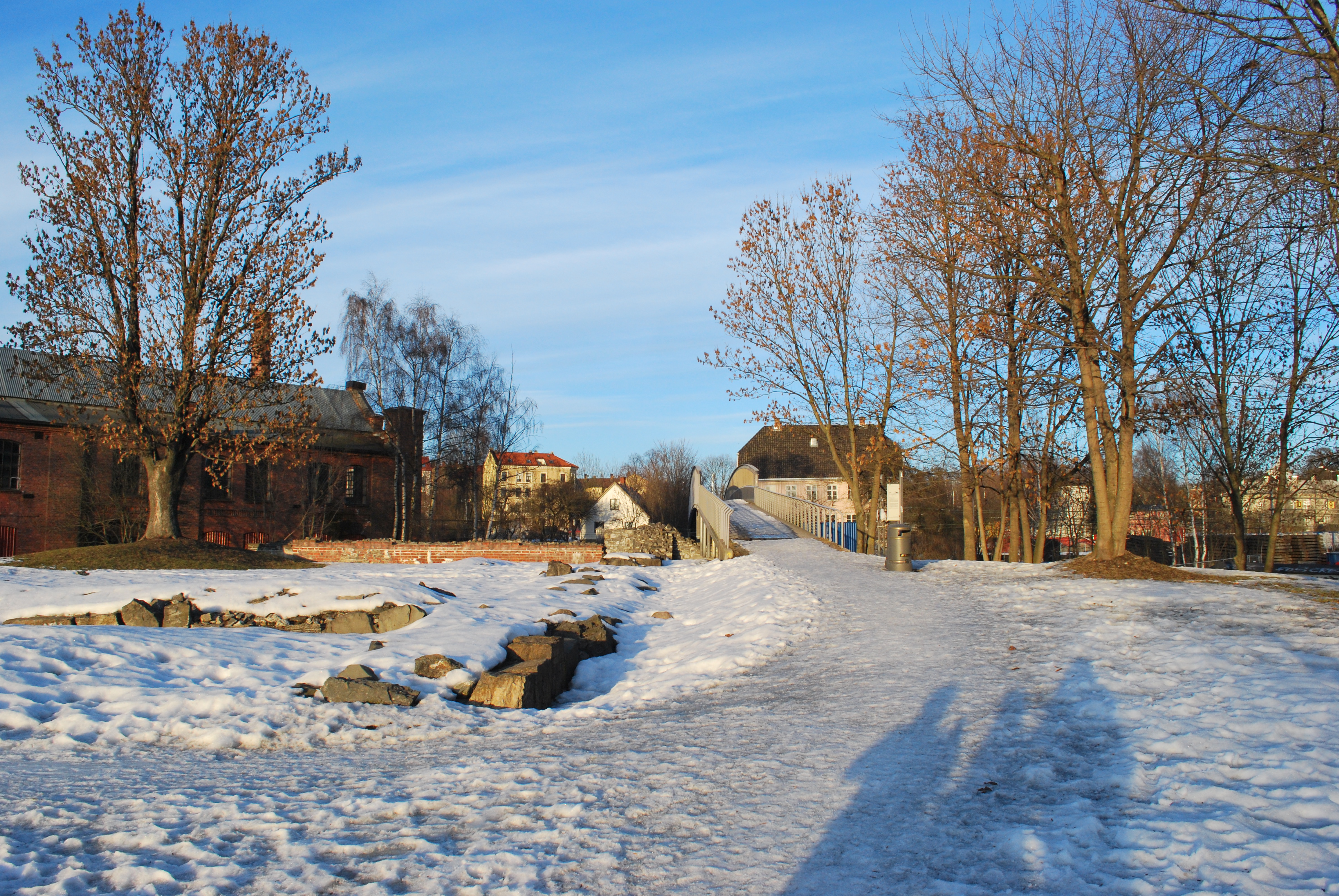
Middelalderparken
Medieval park with church ruins and estate.
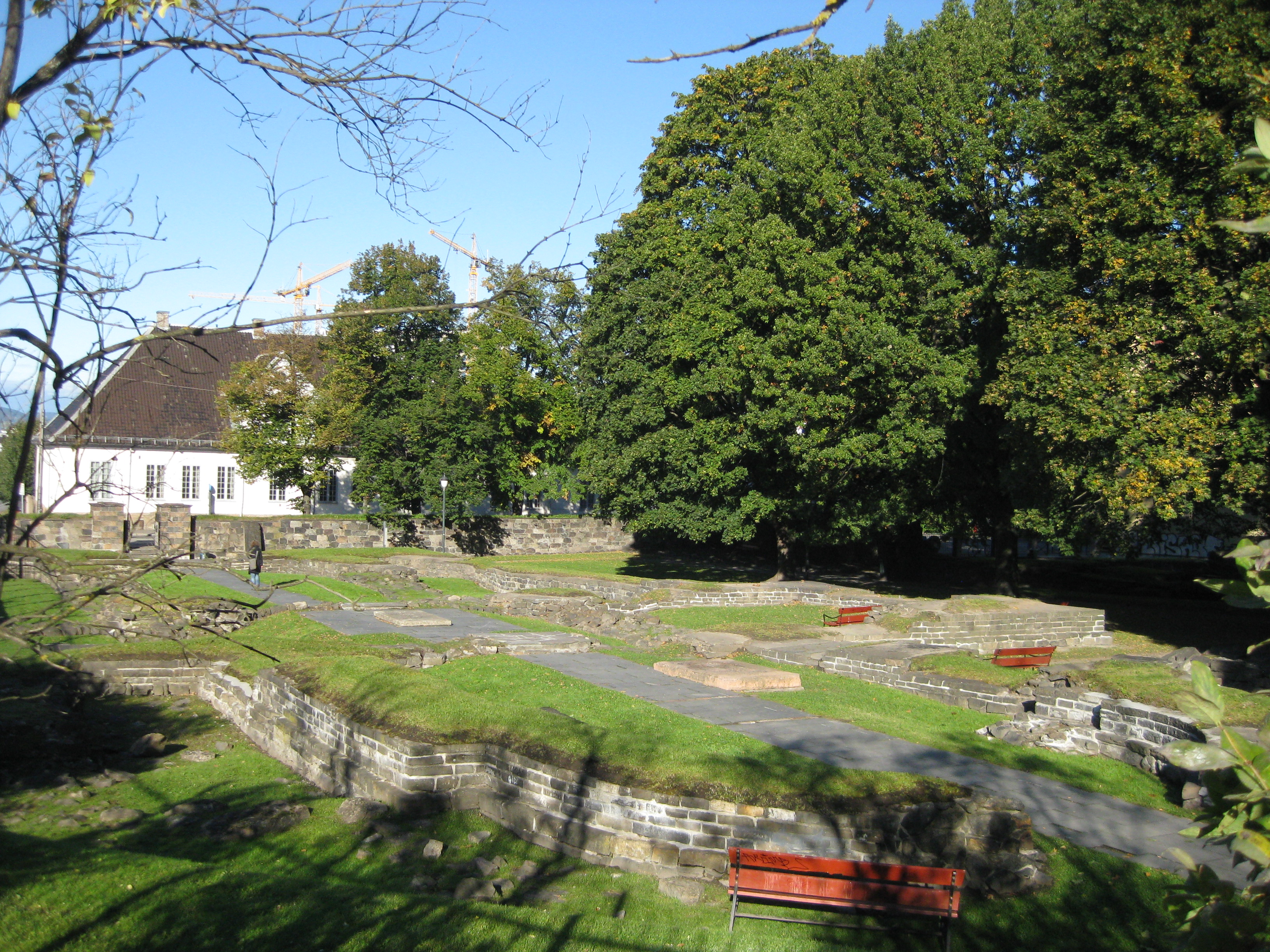
St. Hallvard's Cathedral
Early 12th-century cathedral ruins in Oslo.
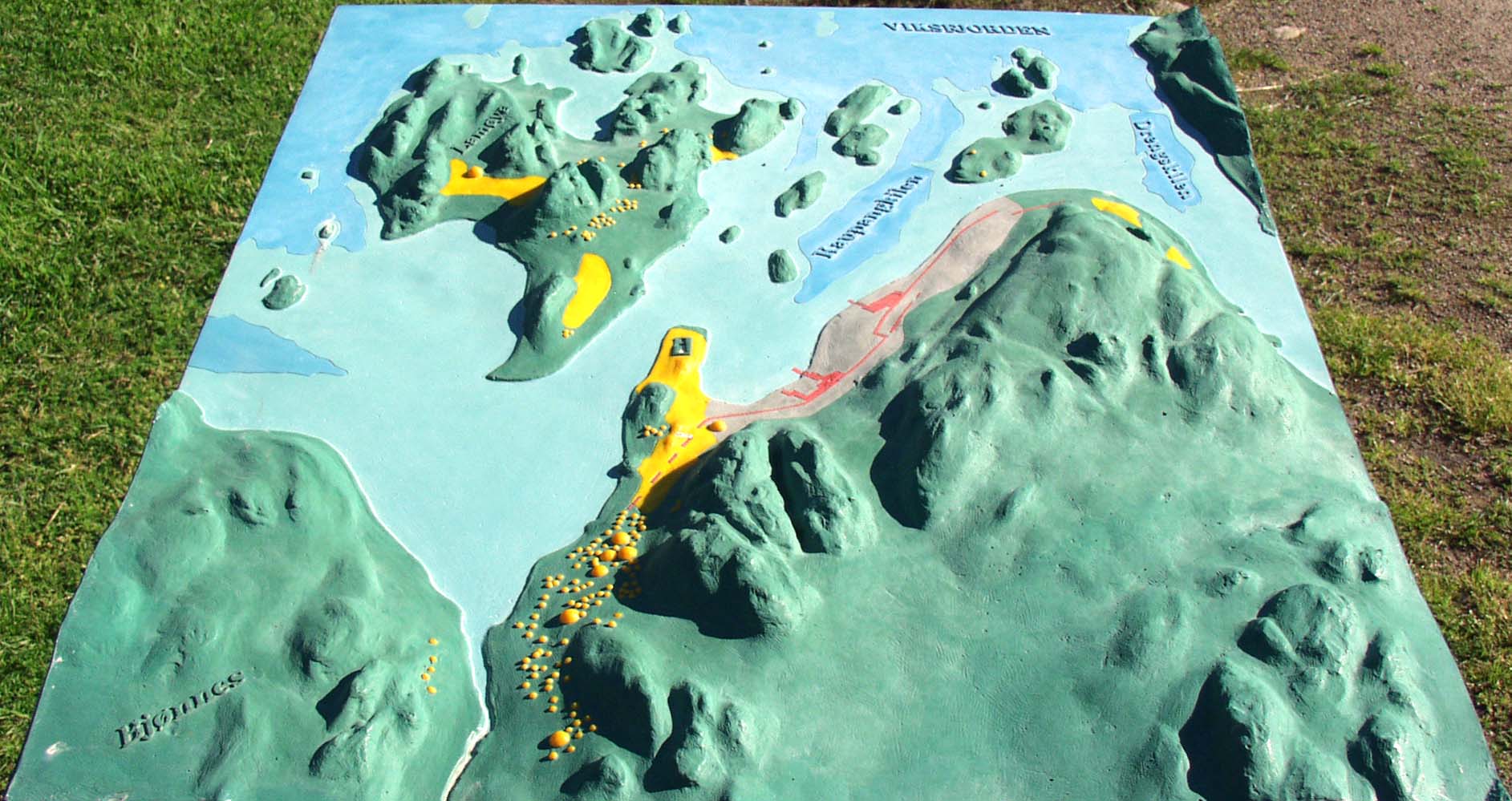
Kaupang
Viking Age town with trading significance.
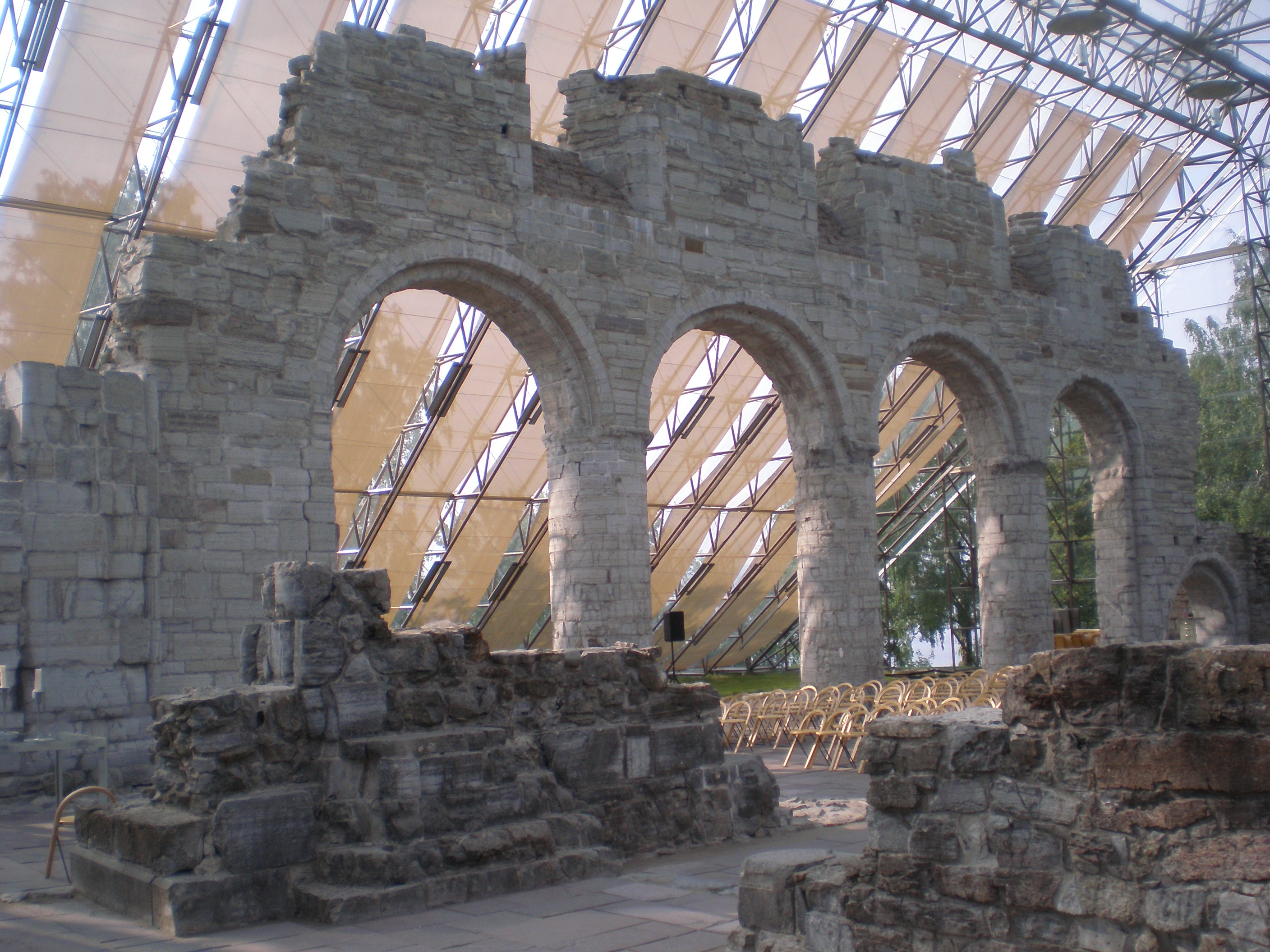
Cathedral Ruins in Hamar
Medieval Hamar Cathedral ruins in Norway
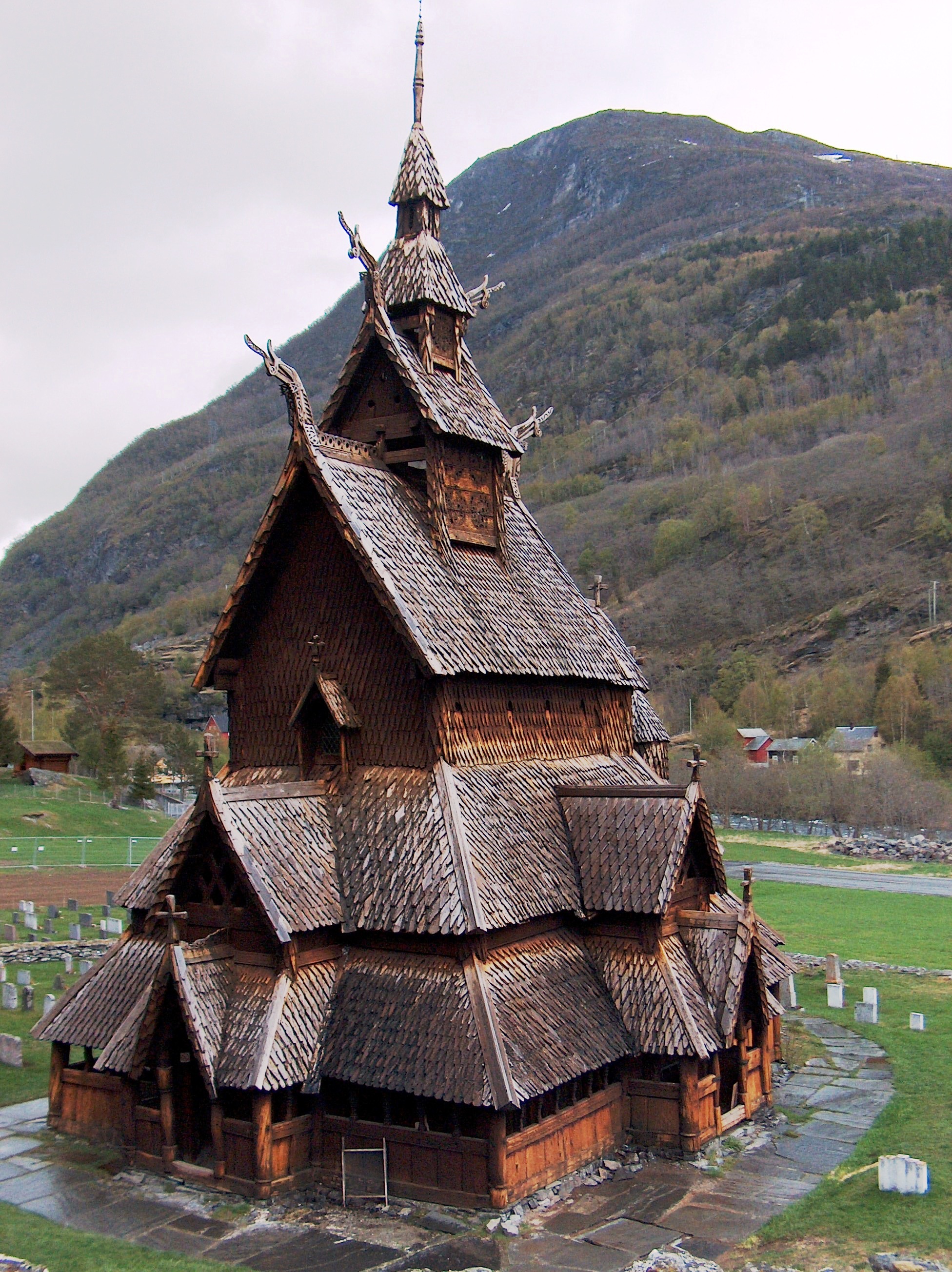
St. Margaret's Church, Oslo
Medieval stone church ruins in Oslo