Time Periods
Paleolithic
Mesolithic
Neolithic
Chalcolithic
Bronze Age
Iron Age
Classical Period
Post-Classical Period
Early Modern Period
Industrial Period
Contemporary Period
Time Periods
Paleolithic
Mesolithic
Neolithic
Chalcolithic
Bronze Age
Iron Age
Classical Period
Post-Classical Period
Early Modern Period
Industrial Period
Contemporary Period
Location
About
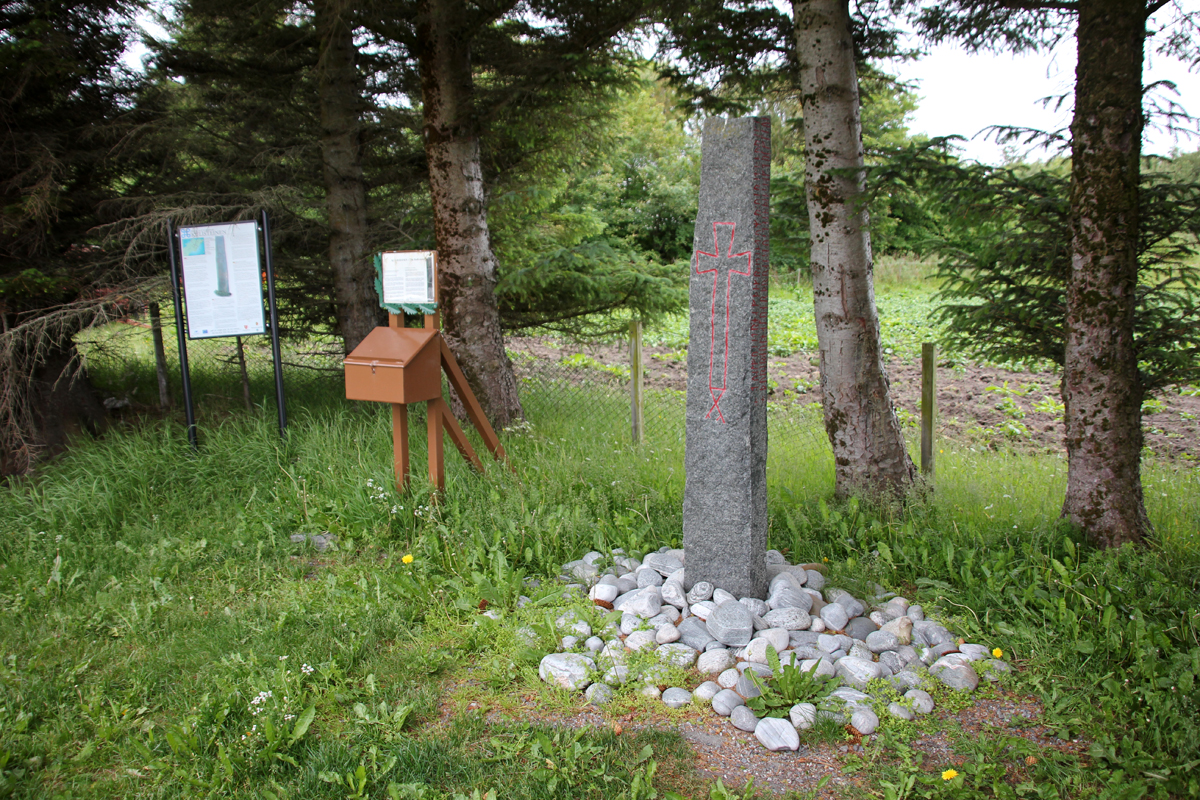
The Kulisteinen, also known as the Kuli stone, is a significant archaeological artifact featuring a runic inscription from the Viking Age, located in Norway. The stone originally stood on Kuløy in Smøla municipality but was moved to the Vitenskapsmuseet in Trondheim in 1913. It bears a Christian cross, indicating its use as a religious marker, and an inscription that marks one of the earliest references to Christianity in Norway. The text suggests that Christianity had been present for twelve years, possibly referring to a national event such as the Moster Thing where Christianity was established as the official religion. Dated to approximately 1034 CE, the stone represents a pivotal moment in Norway's religious and cultural history, highlighting the transition from paganism to Christianity.
Gallery
Explore photographs of ancient structures, artifacts, and archaeological excavations at Kulisteinen
Archaeological Features
Explore the unique architectural and cultural elements found at this historical site
Religious and Ritual Structures
Artistic and Decorative Features
Historical Timeline
Journey through time and discover key events in this site's archaeological history
Plan Your Visit
Details
- Country
- Norway
- Source
- Wikipedia
More Sites in Norway

Kaupang
Viking Age town with trading significance.
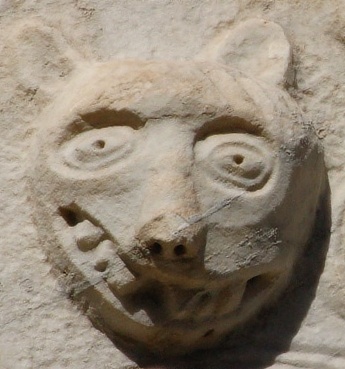
Lunner Church
Medieval stone church with unique circular tower.
Værne Kloster
Ruins of medieval monastery in Norway.
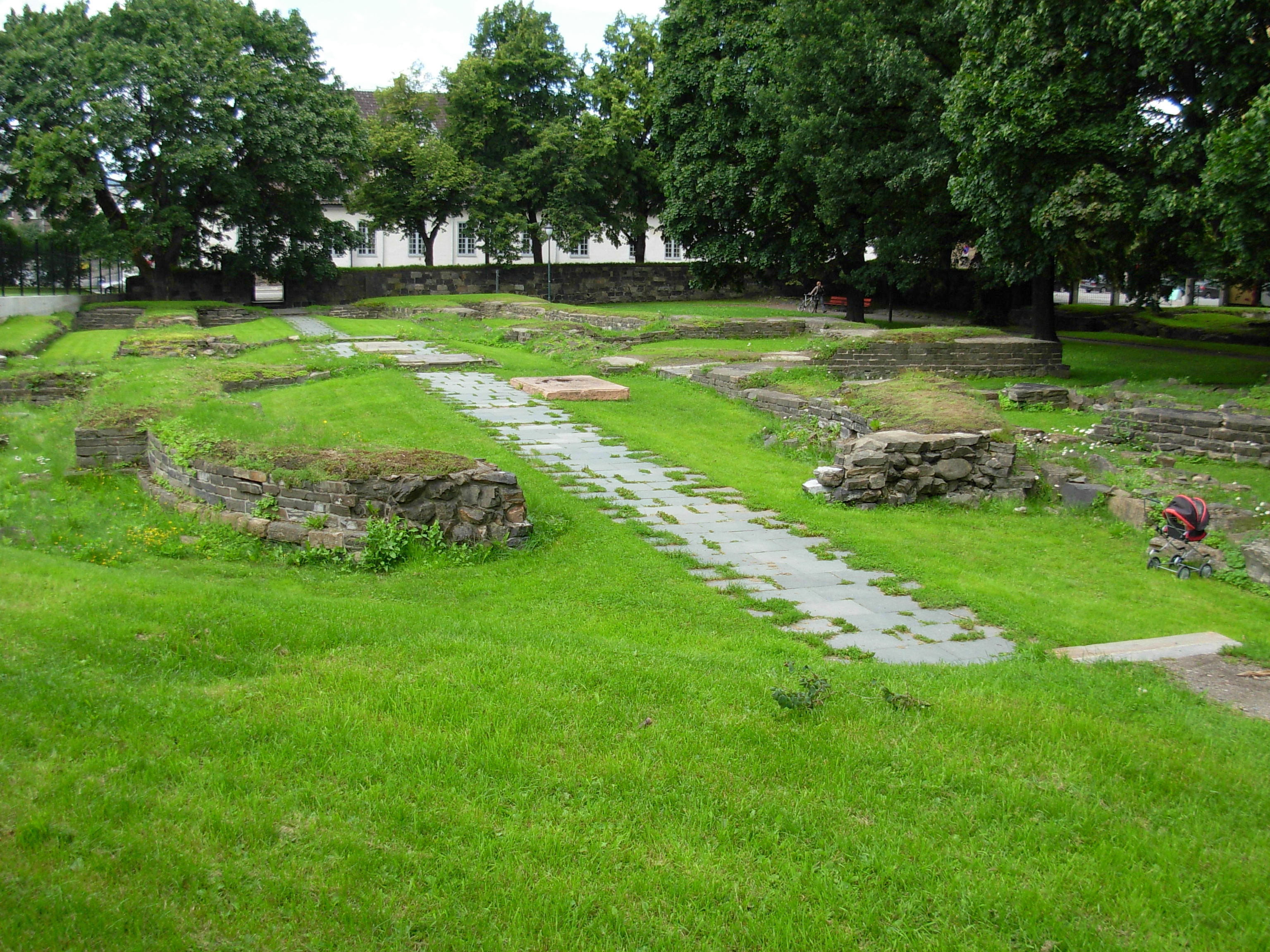
Minneparken
Ruins of medieval buildings in Oslo.
St. Margaret's Church, Oslo
Medieval stone church ruins in Oslo
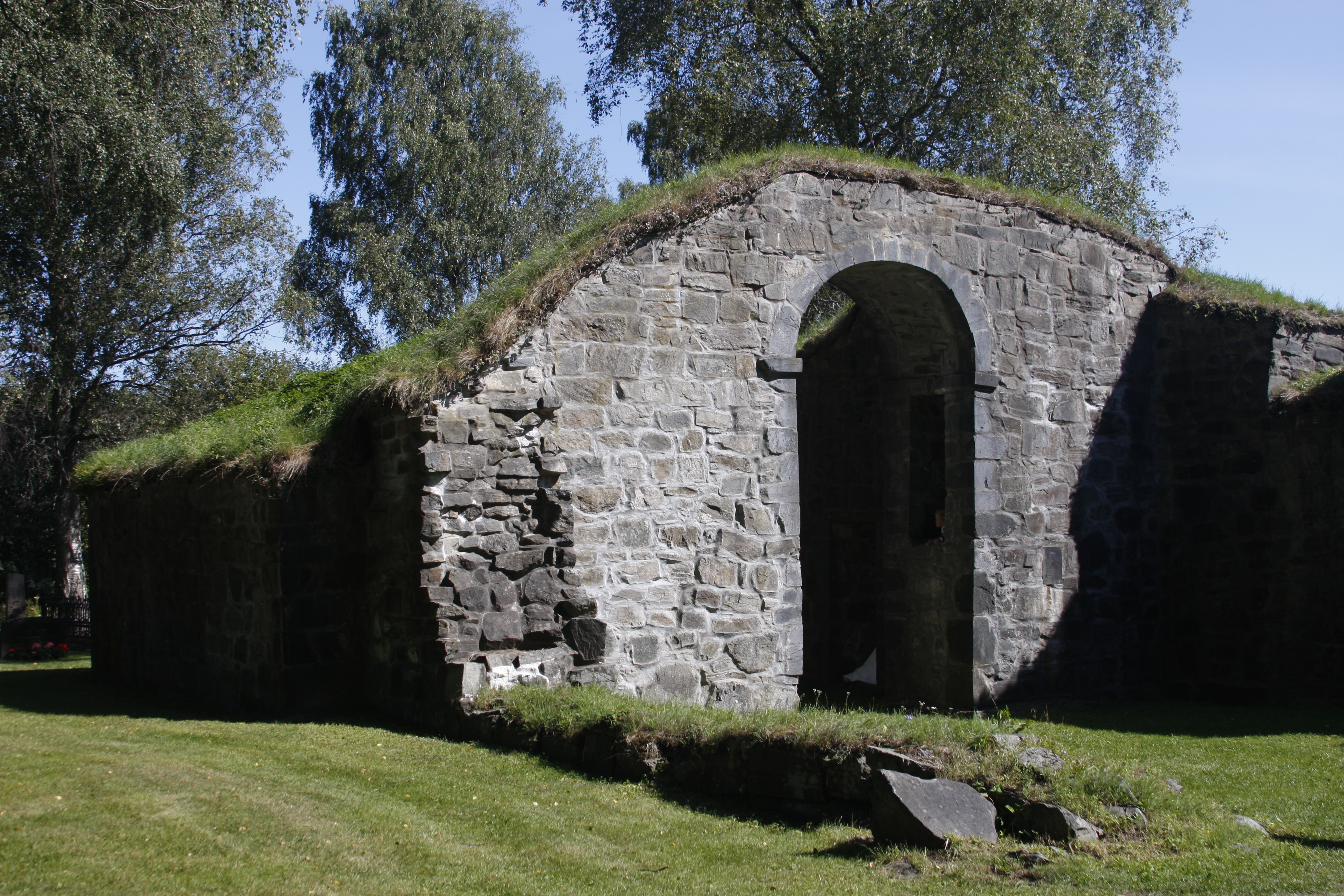
St. Olav's Church (ruin)
Partially restored 12th-century stone church ruins