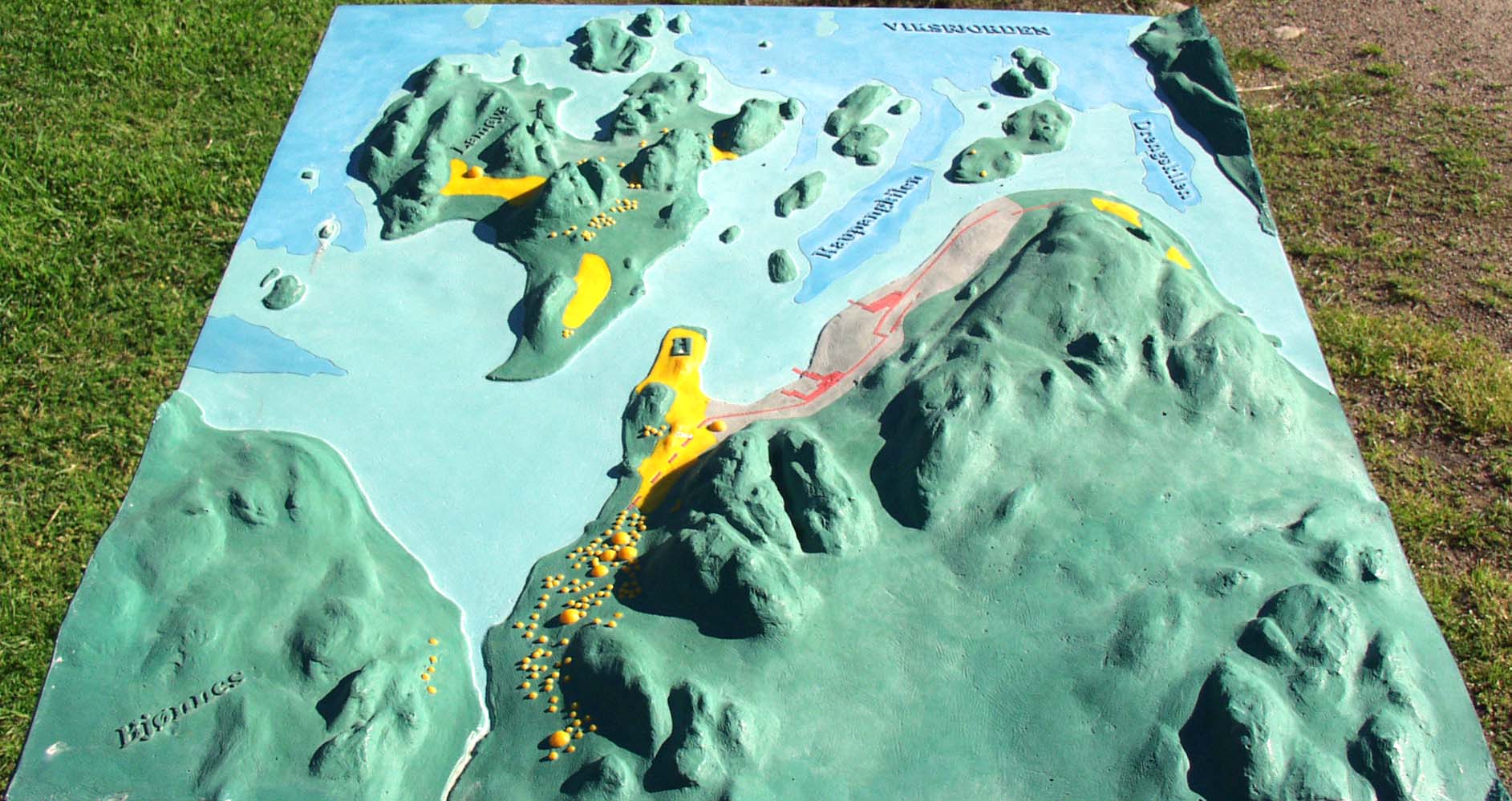
Explore the Map
Kaupang
59.0308° N, 10.1075° E
About
Kaupang, located near present-day Tjøllingvollen in Norway, is an archaeologically significant site as one of Scandinavia's earliest urban settlements, dating back to the Viking Age. Established around the year 800 CE, it served as a crucial trading hub with an estimated population of 1,000 inhabitants. The site featured a marketplace, workshops, and a diverse range of craft production. Trade was extensive, involving commodities such as iron and soapstone. The settlement was strategically situated along the Viksfjorden, facilitating trade with foreign lands. By the mid-10th century, Kaupang was abandoned for reasons not yet fully understood. The site's archaeological significance is underscored by numerous finds, including coins, jewelry, and tools, providing insight into the early urban and commercial activities in Norway during the Viking Age.
Gallery
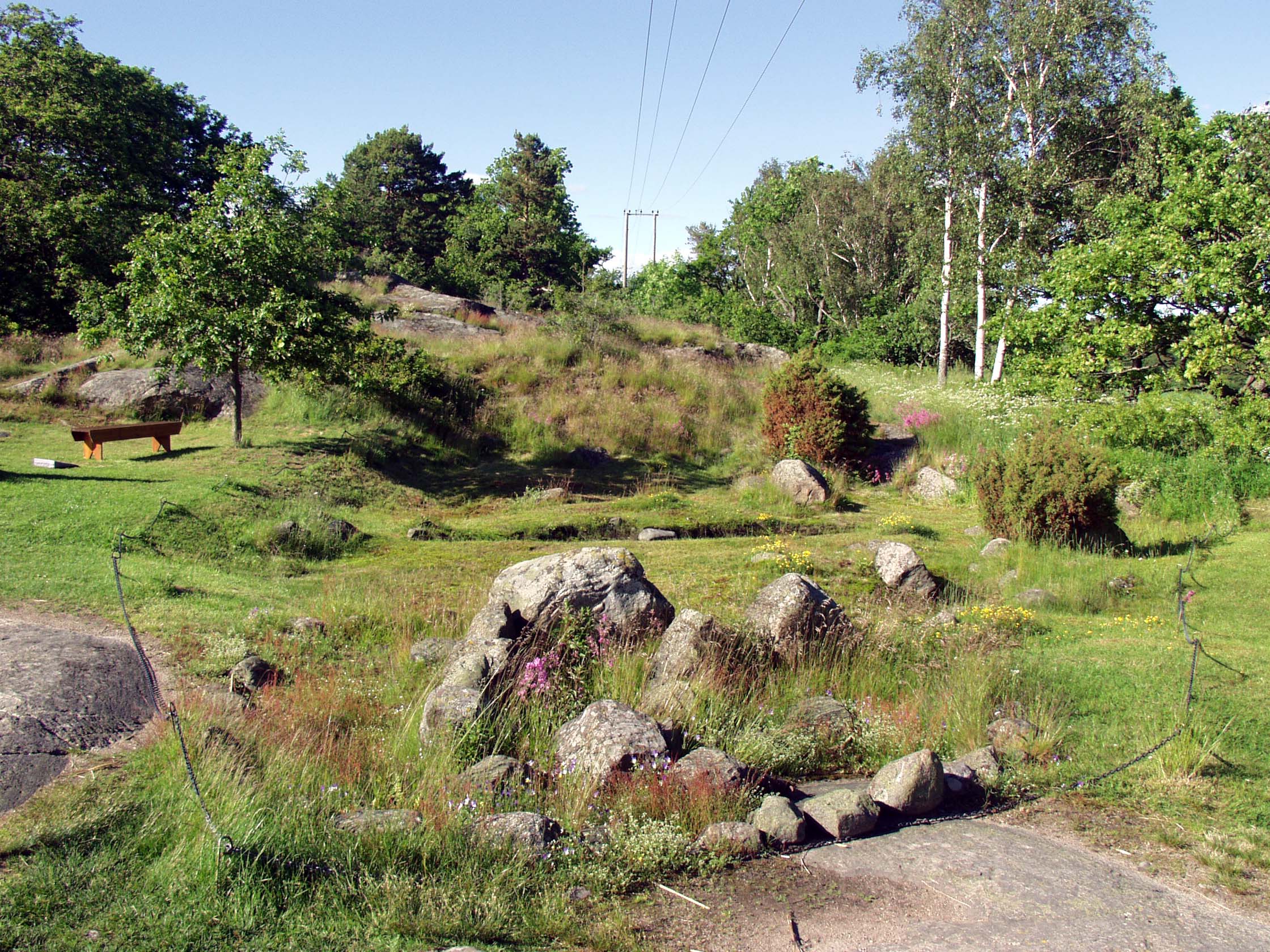
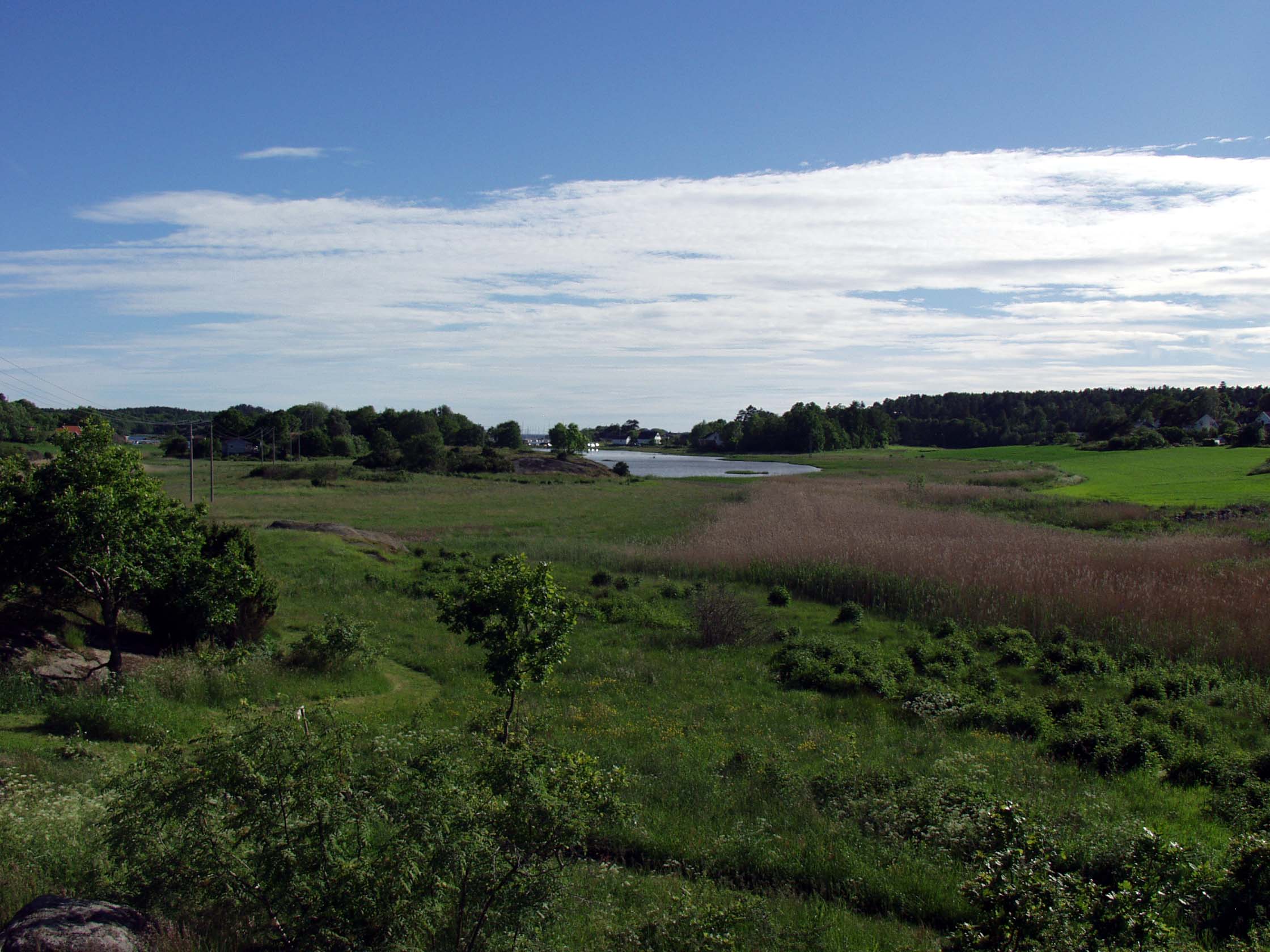
Explore photographs of ancient structures, artifacts, and archaeological excavations
Historical Timeline
Journey through time and discover key events in this site's history
Establishment of Kaupang
800 CE
Abandonment of Kaupang
900 CE
Archaeological Features
Unique architectural and cultural elements found at this historical site
Public and Civic Structures
Burial and Funerary Structures
Industrial and Craft Structures
Domestic and Habitation Structures
Transportation and Communication Structures
Frequently Asked Questions
Plan Your Visit
Tours, travel arrangements, and practical information
More Sites in Norway
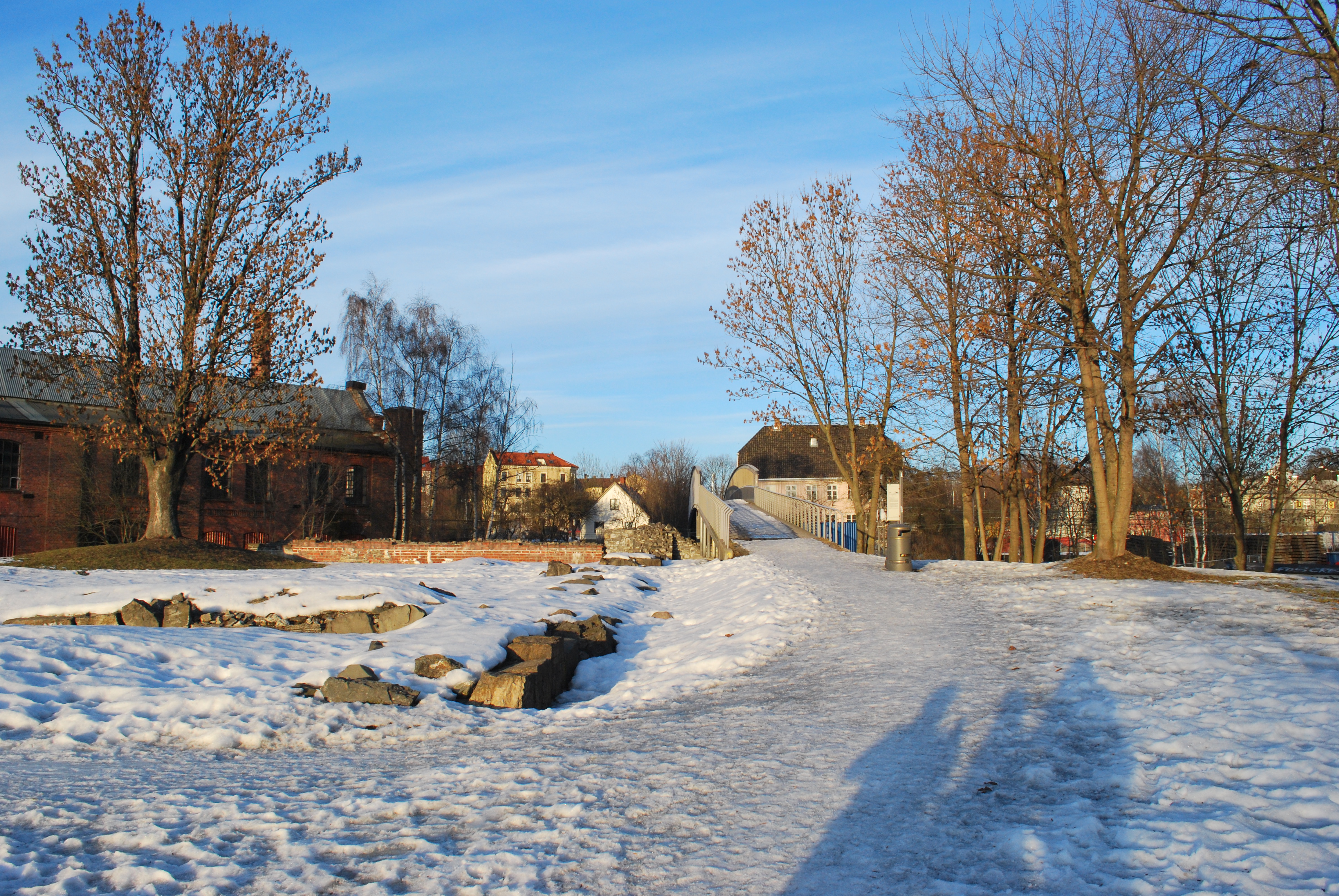
Middelalderparken
Medieval park with church ruins and estate.
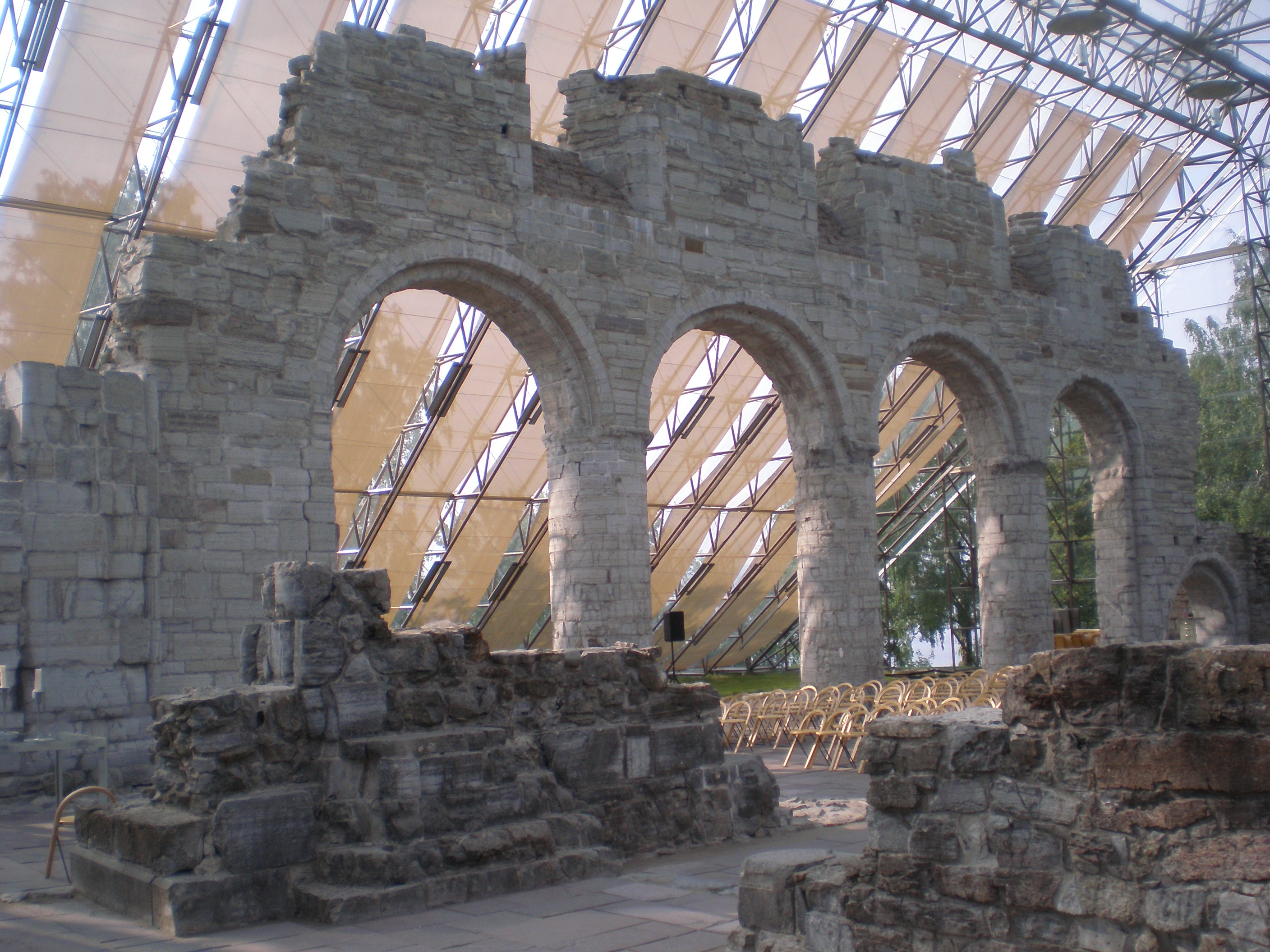
Cathedral Ruins in Hamar
Medieval Hamar Cathedral ruins in Norway
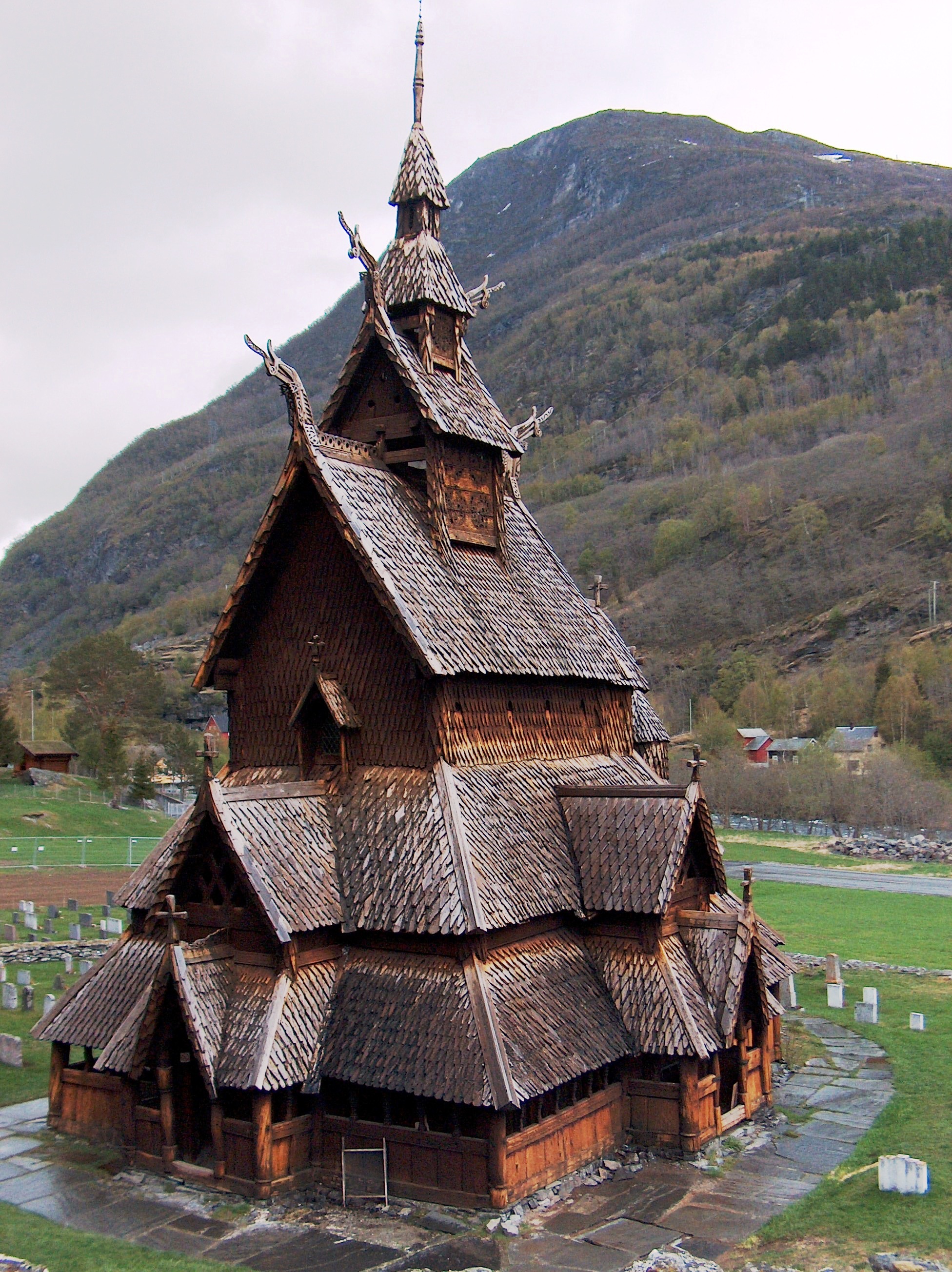
St. Margaret's Church, Oslo
Medieval stone church ruins in Oslo
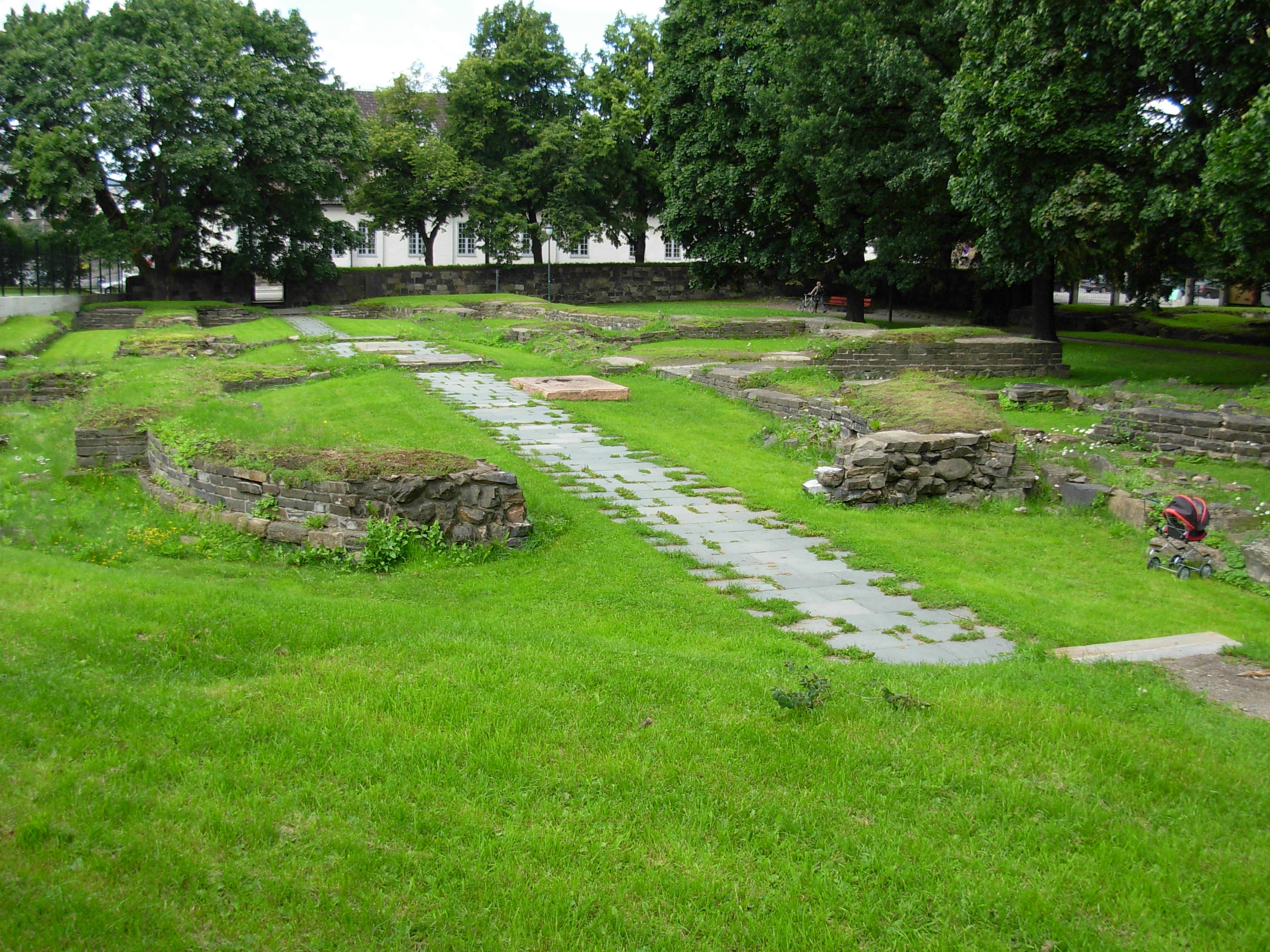
Minneparken
Ruins of medieval buildings in Oslo.
Avaldsnes Kongsgård estate
Viking royal estate in Rogaland, Norway

Lunner Church
Medieval stone church with unique circular tower.