Explore the Map
St. Hallvard's Cathedral
59.9059° N, 10.7688° E
About
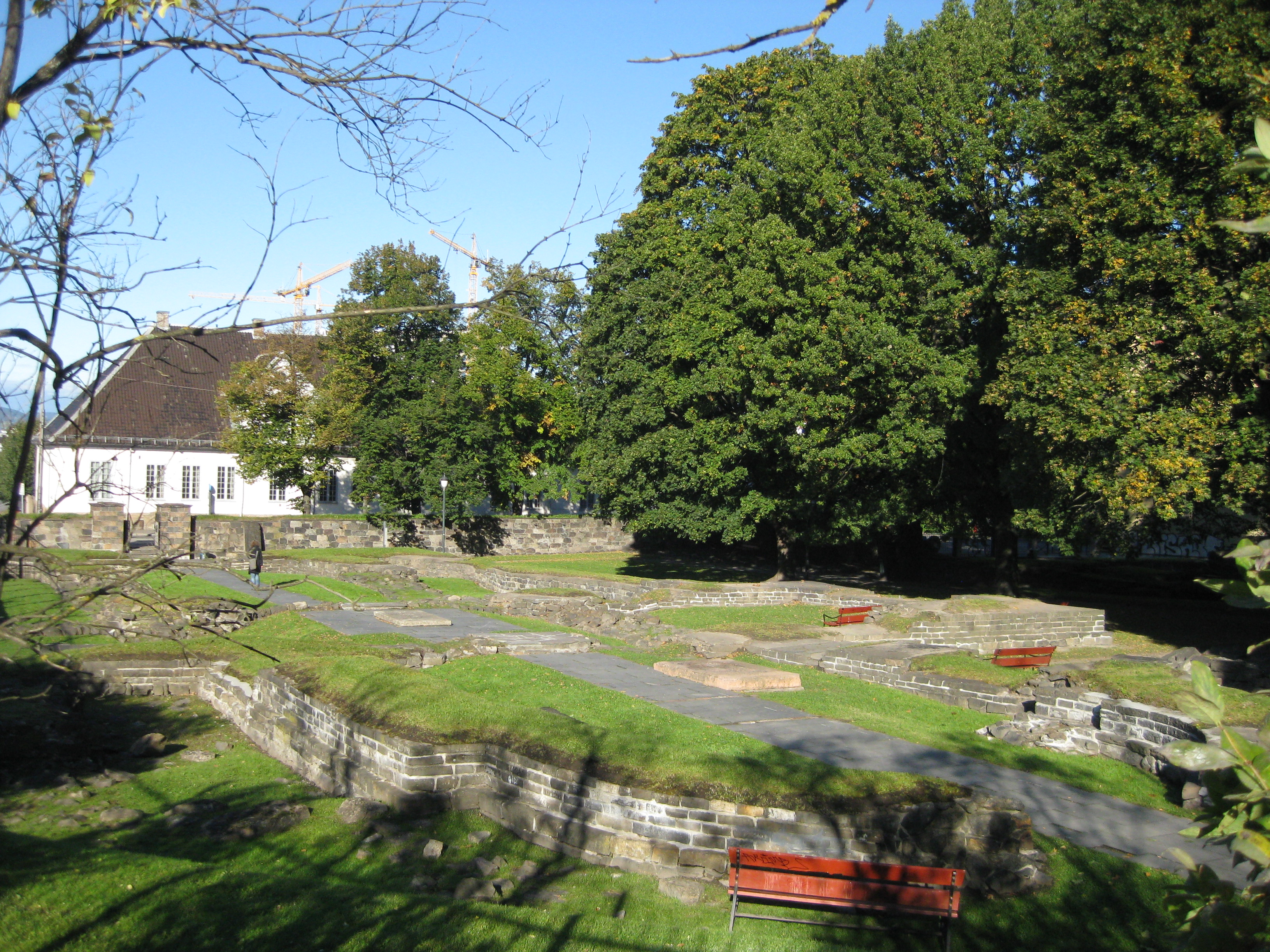
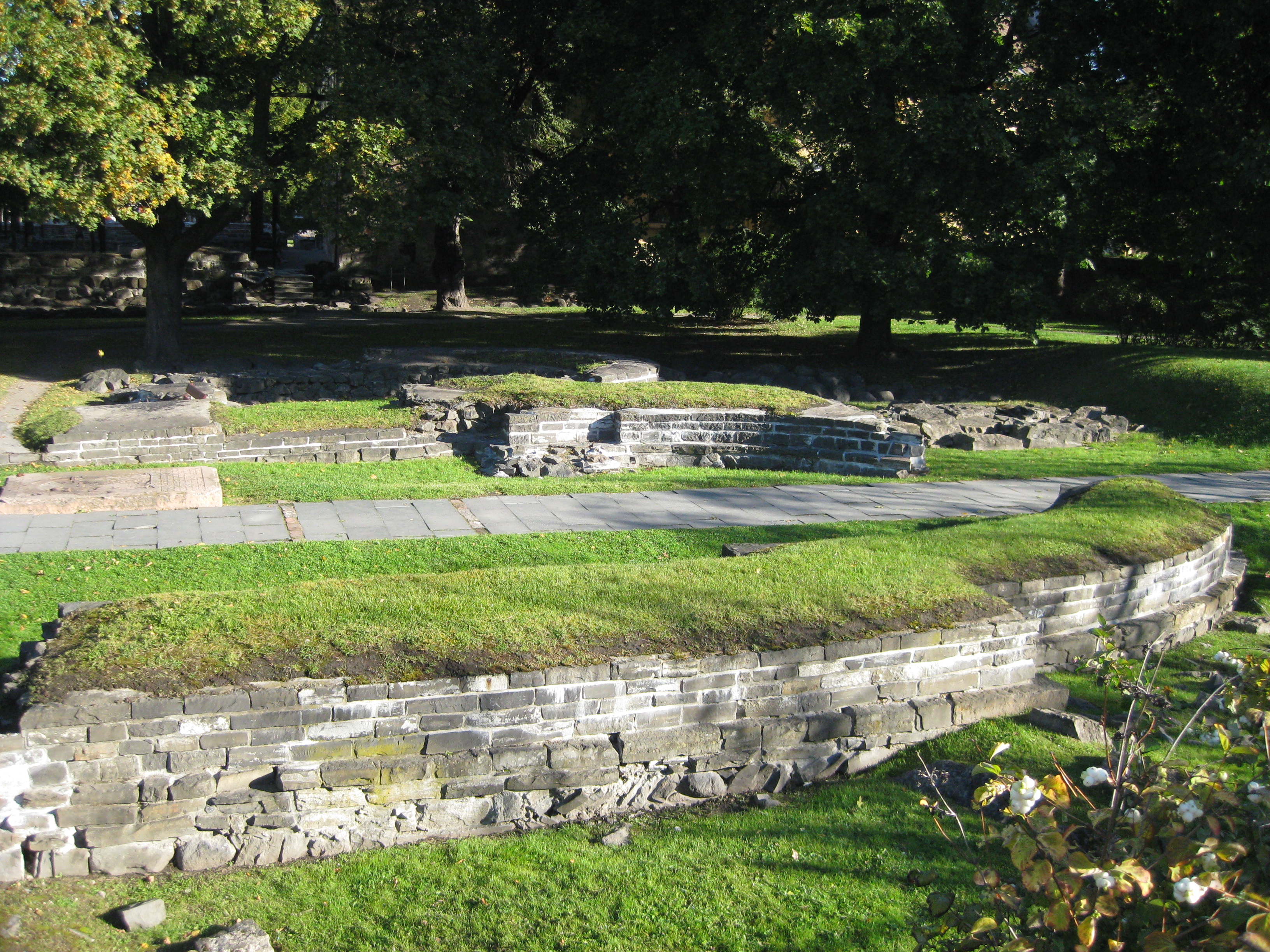
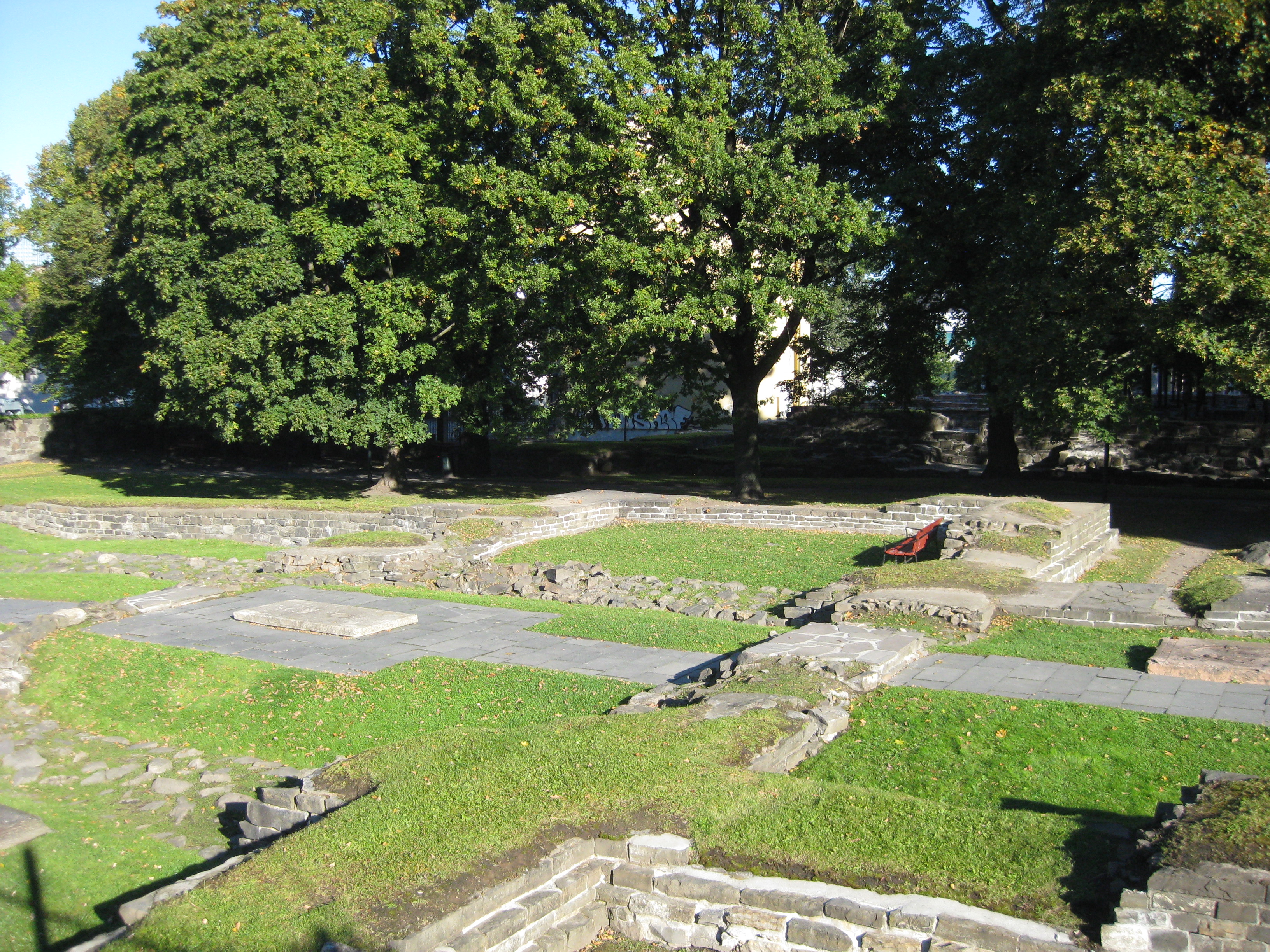
St. Hallvard's Cathedral, built in the early 12th century, served as the earliest cathedral in Oslo, Norway. This prominent religious structure was the bishop's seat and a center of pilgrimage in eastern Norway for approximately 500 years. It played significant roles in royal ceremonies, including coronations and weddings. The cathedral is now in ruins, located between Bispegata and St. Halvards gate in Oslo. The site also included a cemetery where notable individuals, including bishops and Norwegian kings, were interred. Oslo's abandonment in 1624, following a massive fire, led to the cathedral's decline, and it ceased functioning as a church by 1655. The site is an important archaeological location, offering insight into Norway's medieval ecclesiastical architecture and religious practices.
Gallery
Explore photographs of ancient structures, artifacts, and archaeological excavations
Historical Timeline
Journey through time and discover key events in this site's history
Construction of St. Hallvard's Cathedral
early 12th century CE
Oslo Fire and Abandonment
1624 CE
End of Cathedral Use
1655 CE
Archaeological Features
Unique architectural and cultural elements found at this historical site
Burial and Funerary Structures
Religious and Ritual Structures
Frequently Asked Questions
Plan Your Visit
Tours, travel arrangements, and practical information
Recommended Tours

More Sites in Norway
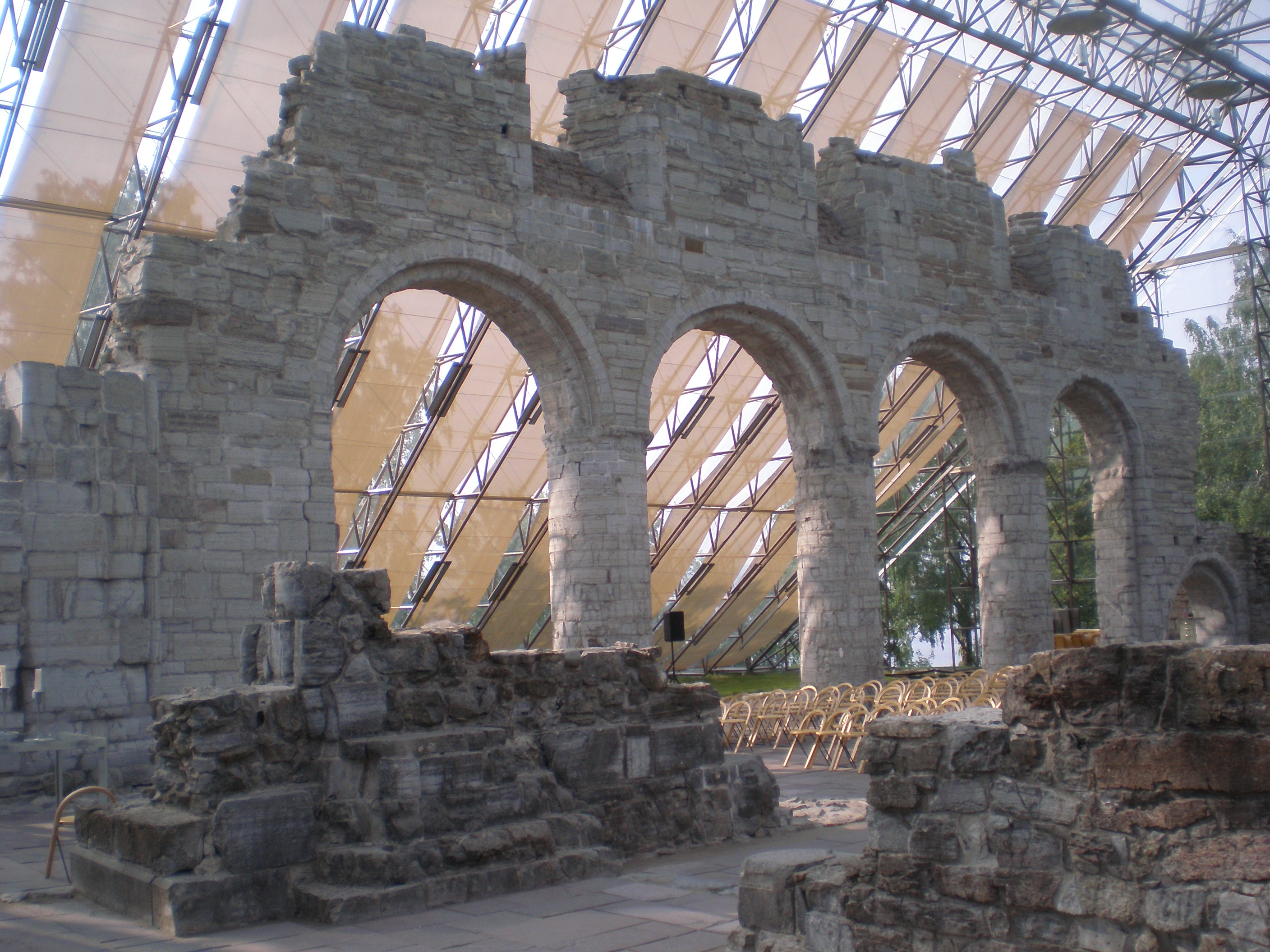
Cathedral Ruins in Hamar
Medieval Hamar Cathedral ruins in Norway

Lunner Church
Medieval stone church with unique circular tower.
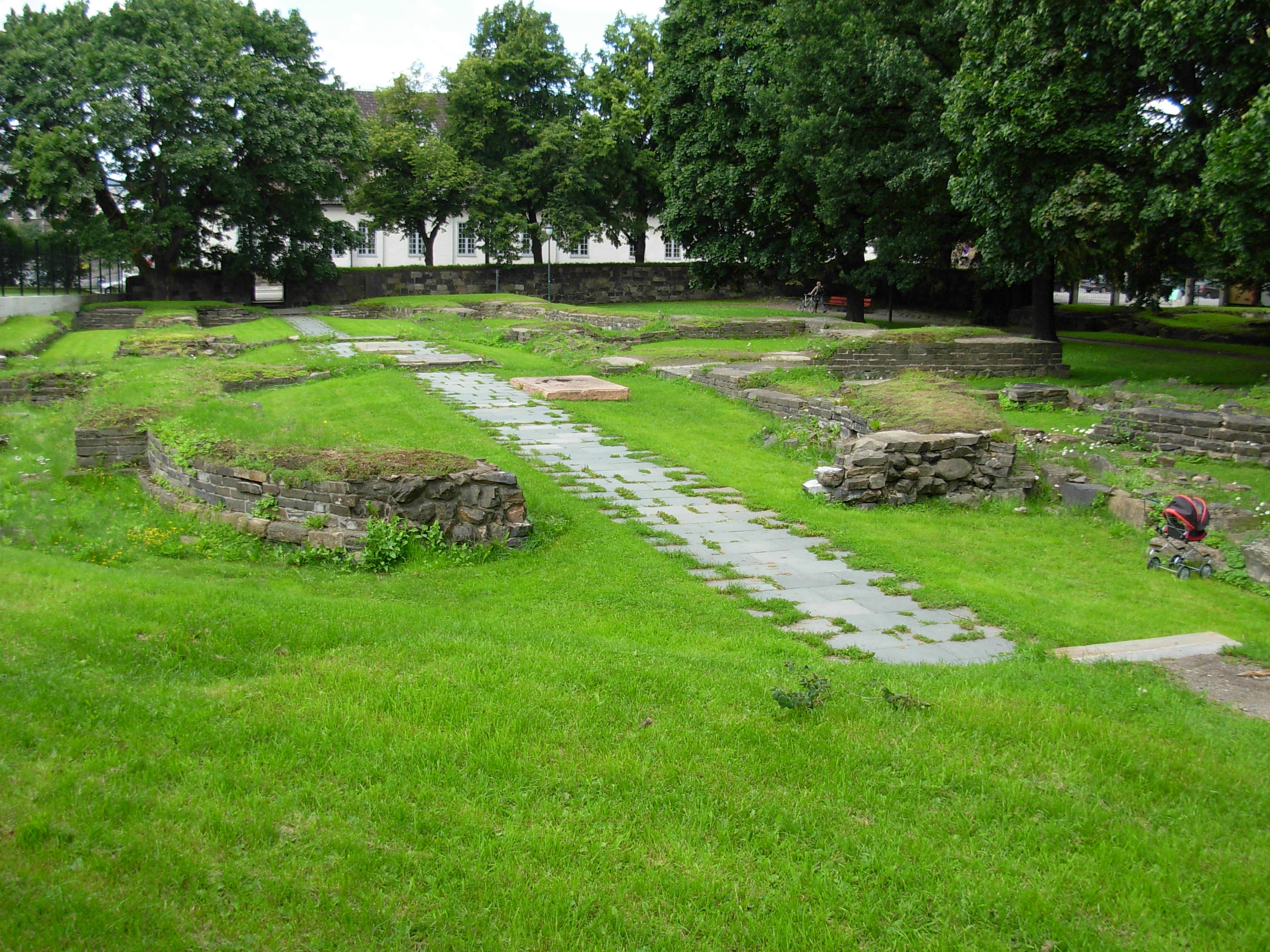
Minneparken
Ruins of medieval buildings in Oslo.

Kaupang
Viking Age town with trading significance.
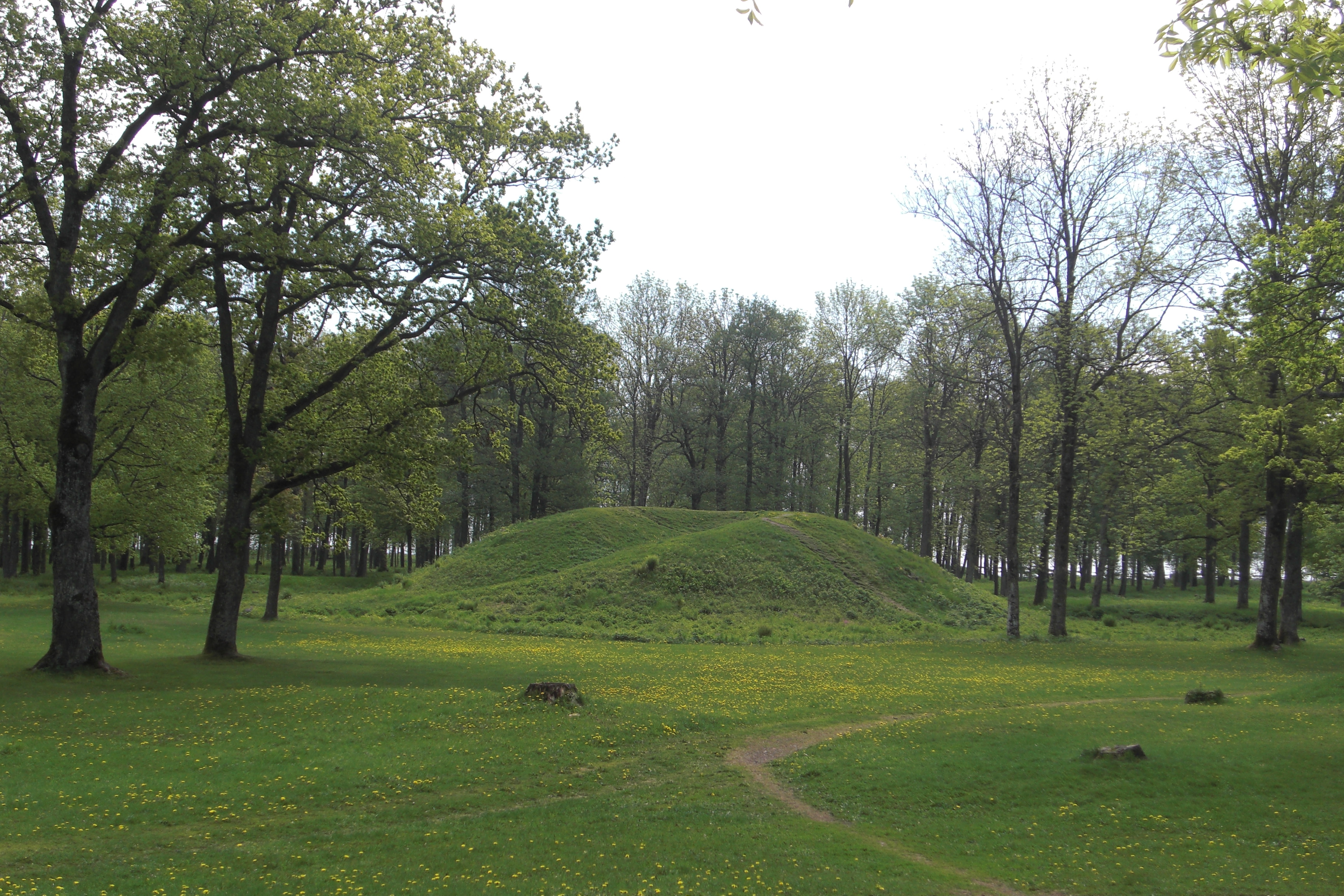
Borre mound cemetery
Scandinavian burial mounds and cairns site
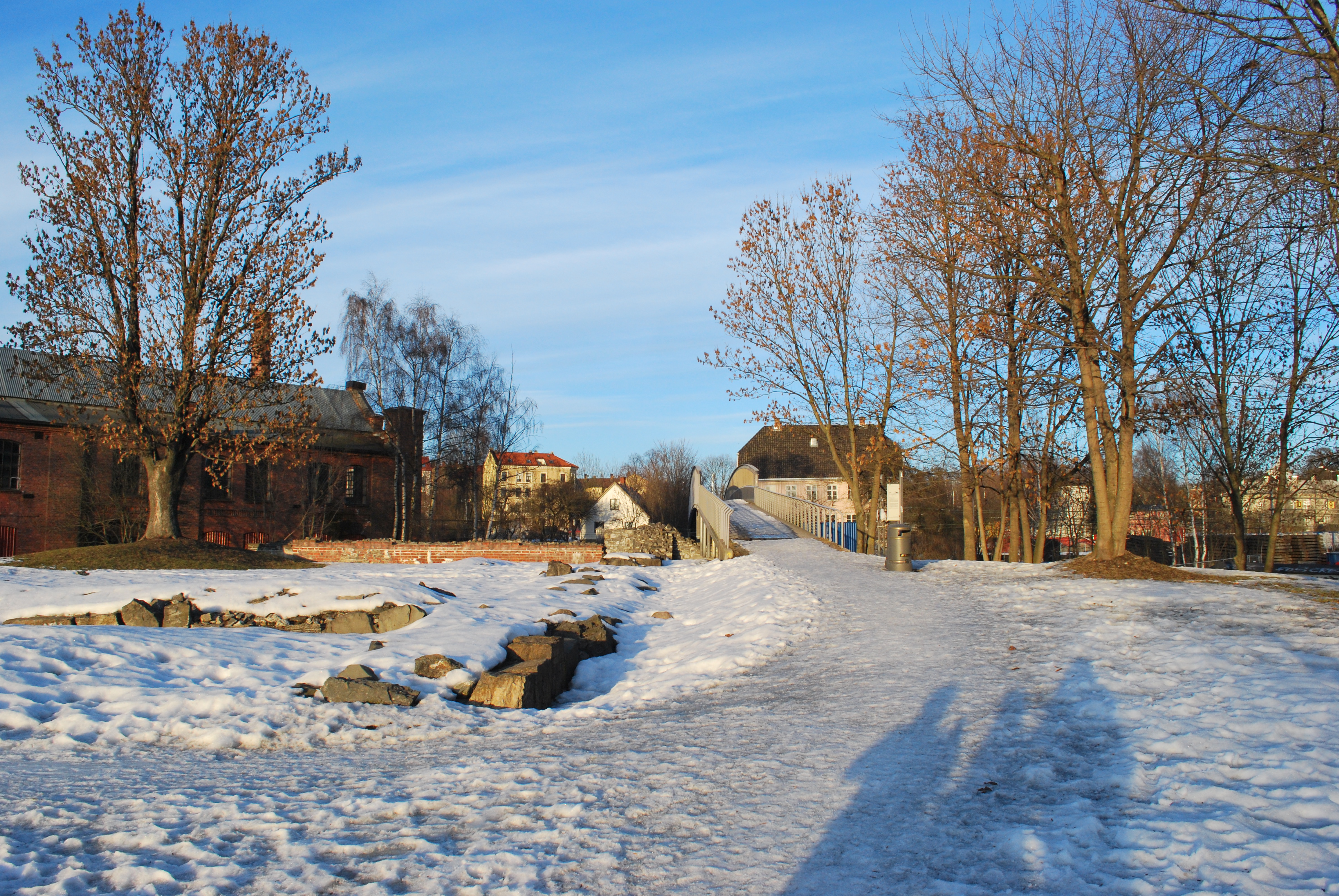
Middelalderparken
Medieval park with church ruins and estate.