Explore the Map
Oslo Kongsgård estate
59.9035° N, 10.7634° E
About
The Oslo Kongsgård estate, located in Oslo, Norway, is an important archaeological site that provides insight into medieval Norwegian architecture and history. Initially constructed in the mid-11th century during King Harald Hardrada's rule, the estate featured classic motte-and-bailey walls, serving as a defensive stronghold. In the 13th century, under King Haakon Haakonsson's reign, the estate underwent significant expansion, transforming into a more fortified, castle-like residence. This included the construction of stronger walls and a great hall inspired by Haakon's hall, making it a significant royal residence. The estate's proximity to St Mary's Church further highlights its strategic and religious importance. Eventually, the estate transitioned from a royal palace to the residence of the Chancellor of Norway, indicating its continued relevance in Norwegian governance and society during the late Middle Ages.
Historical Timeline
Journey through time and discover key events in this site's history
Chancellor's residence
Harald Hardrada's reign
1040 CE, 1060 CE
Haakon Haakonsson's expansion
Archaeological Features
Unique architectural and cultural elements found at this historical site
Defensive Structures
Religious and Ritual Structures
Domestic and Habitation Structures
Frequently Asked Questions
Plan Your Visit
Tours, travel arrangements, and practical information
More Sites in Norway

Kaupang
Viking Age town with trading significance.
Avaldsnes Kongsgård estate
Viking royal estate in Rogaland, Norway
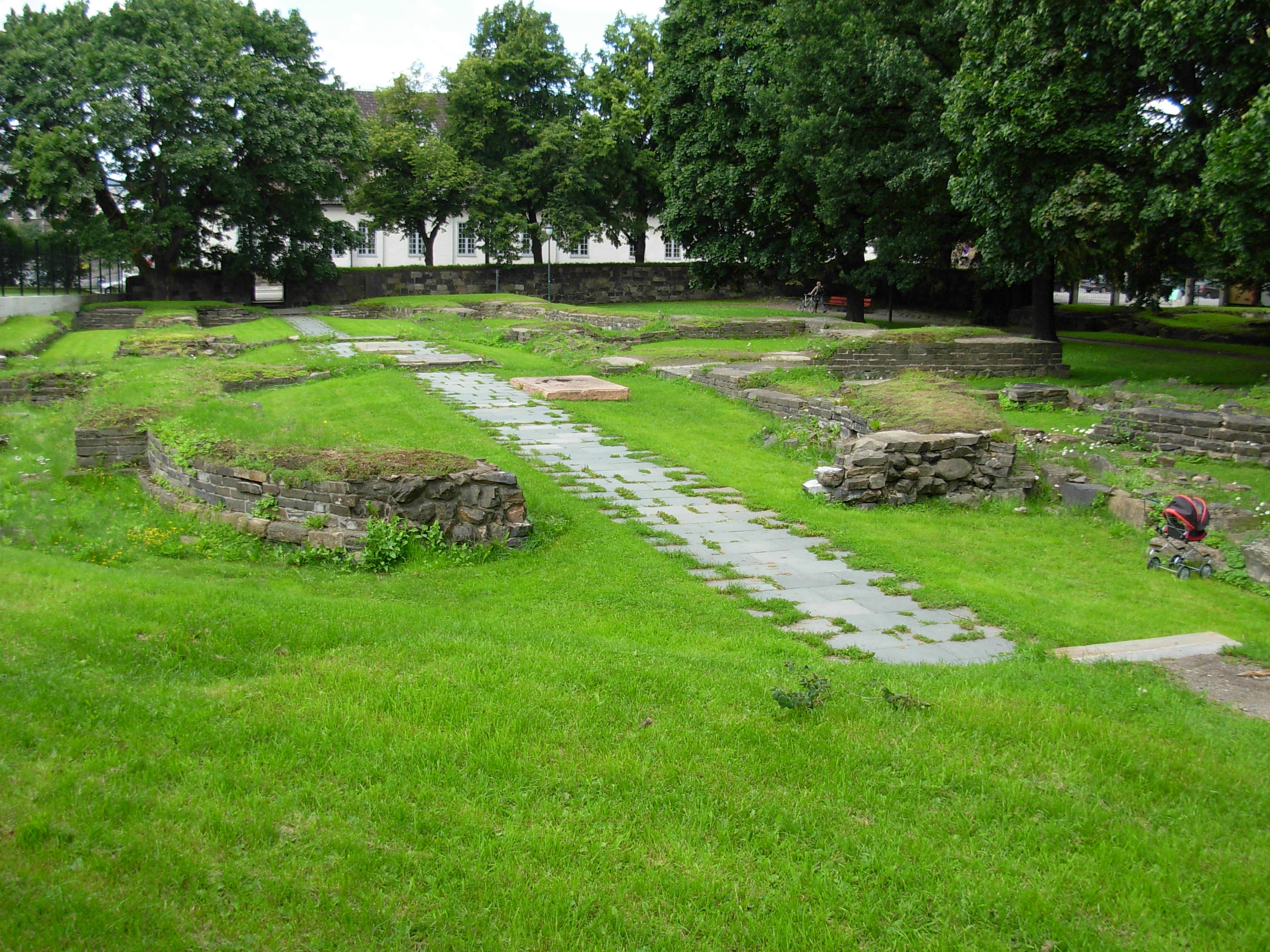
Minneparken
Ruins of medieval buildings in Oslo.
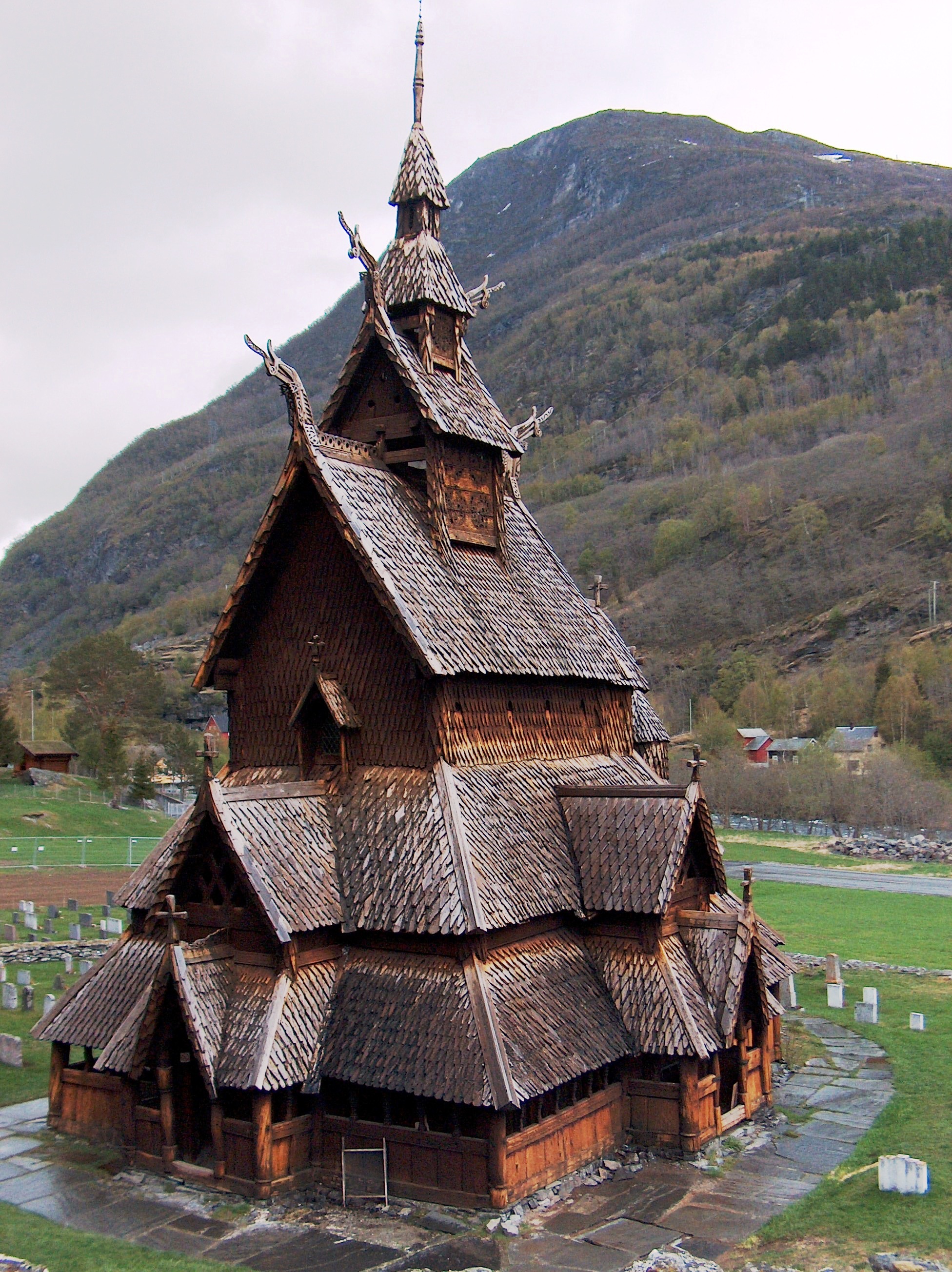
St. Margaret's Church, Oslo
Medieval stone church ruins in Oslo
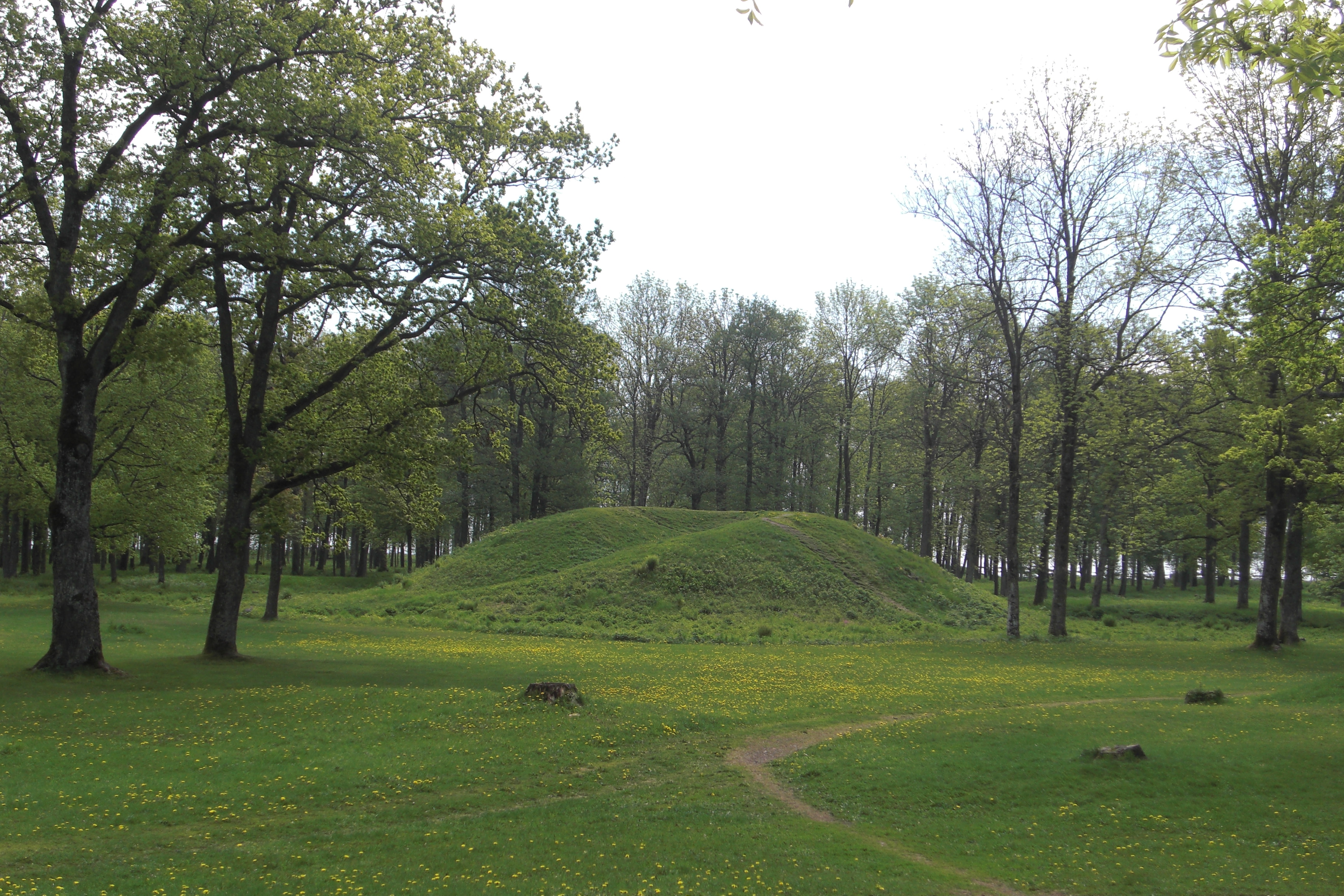
Borre mound cemetery
Scandinavian burial mounds and cairns site
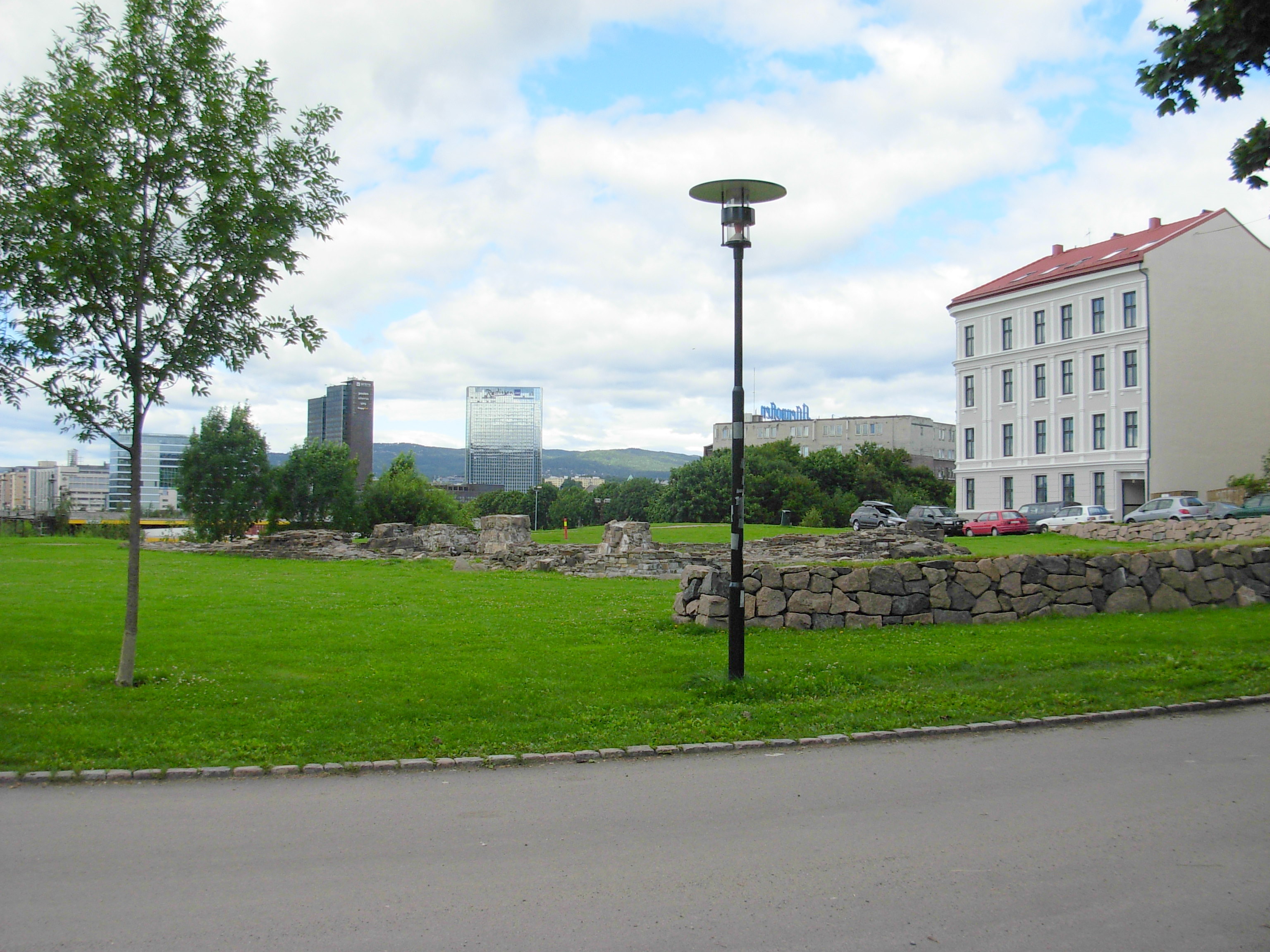
St. Clement's Church, Oslo
Ruins of medieval double-nave stone church