
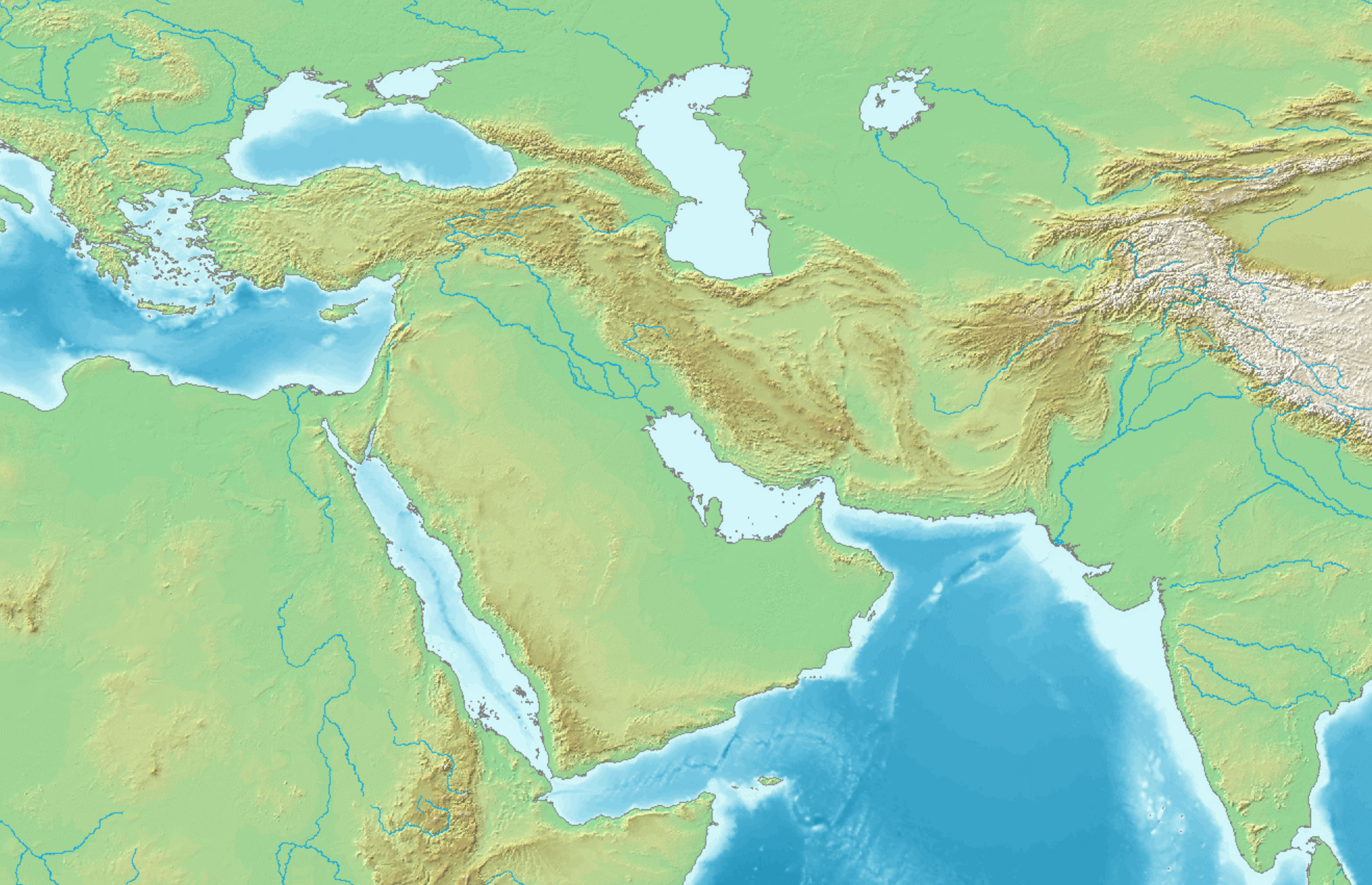
Explore the Map
Archaeological Sites of Bat, Al-Khutm and Al-Ayn
23.2699° N, 56.7450° E
About
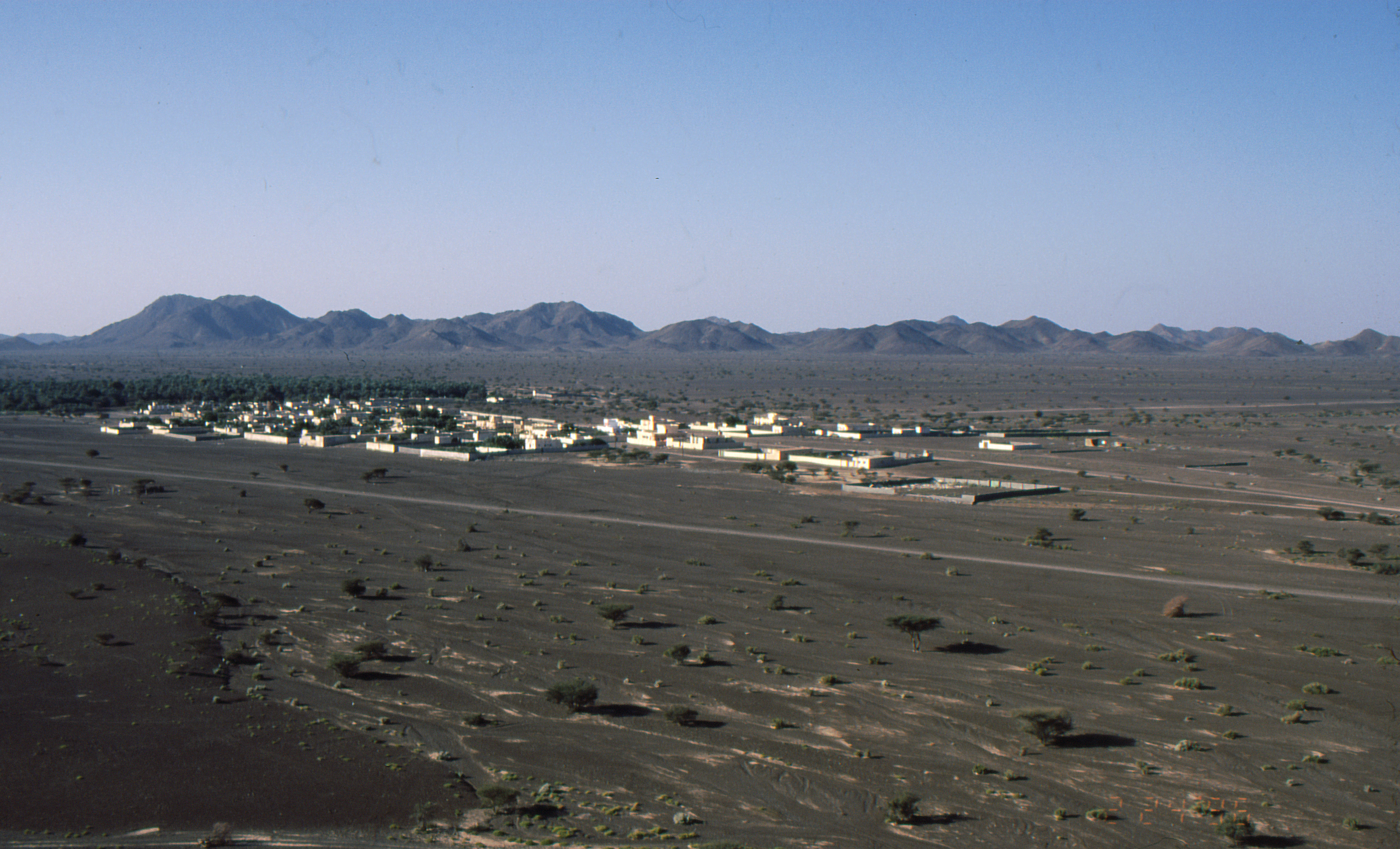
The archaeological sites of Bat, Al-Khutm, and Al-Ayn in Oman are significant for their well-preserved beehive tombs and necropolises dating back to the Early Bronze Age. Located near palm groves, these sites represent a key phase in prehistoric Oman, marked by the trade of locally extracted copper and possibly diorite with the Sumerians around 3000 BCE. The site of Bat contains approximately 100 graves and circular buildings, while Al-Khutm is characterized by the ruins of a stone tower, possibly a fort. Al-Ayn, though smaller, is the best-preserved necropolis among the three. These sites were recognized as UNESCO World Heritage sites in 1988, highlighting their global archaeological importance and the need for their preservation in the face of local construction practices.
Gallery
Explore photographs of ancient structures, artifacts, and archaeological excavations
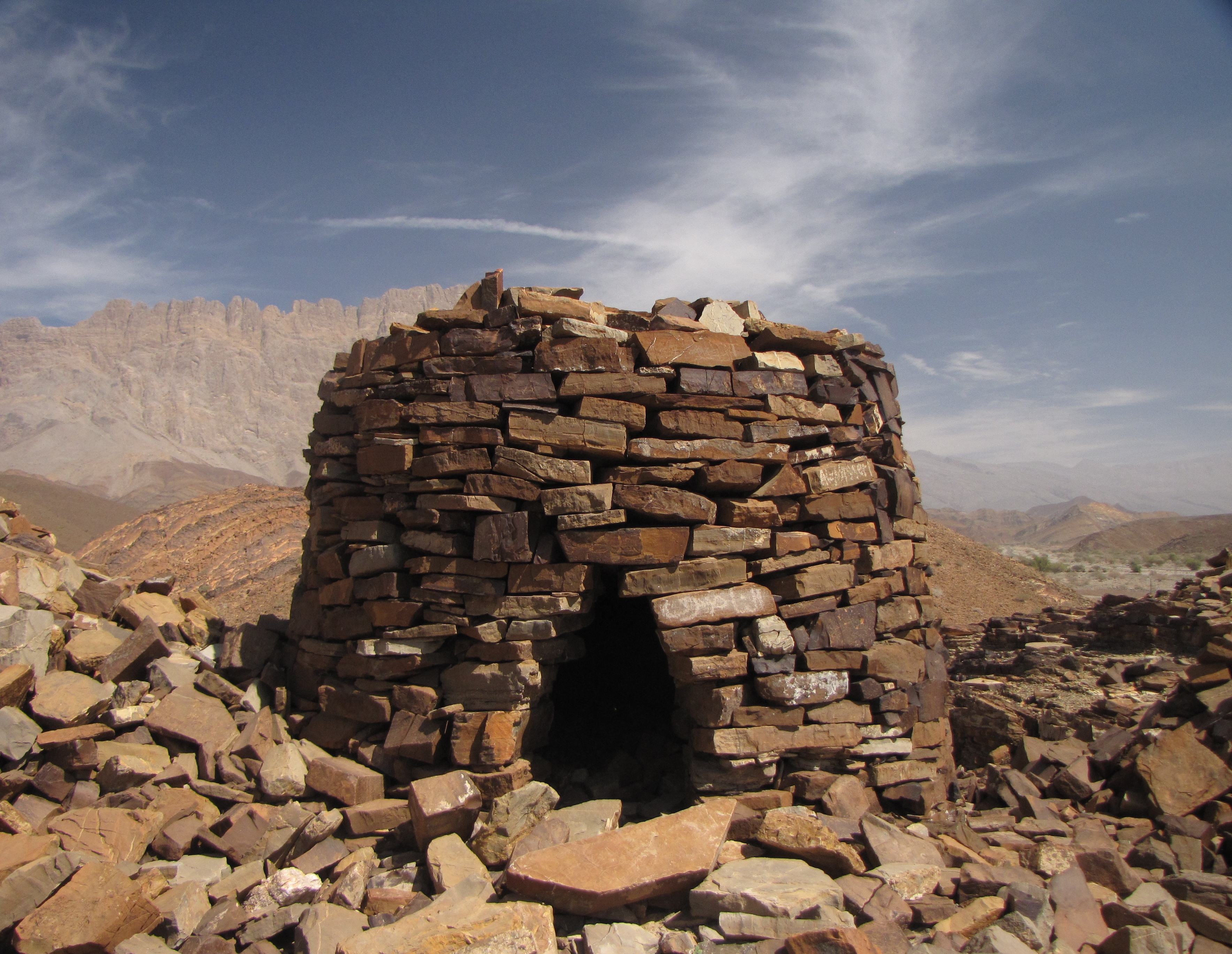
Historical Timeline
Journey through time and discover key events in this site's history
Copper trade with Sumerians
3000 BCE
Archaeological Features
Unique architectural and cultural elements found at this historical site
Storage Structures
Defensive Structures
Burial and Funerary Structures
Frequently Asked Questions
Plan Your Visit
Tours, travel arrangements, and practical information
More Sites in Oman
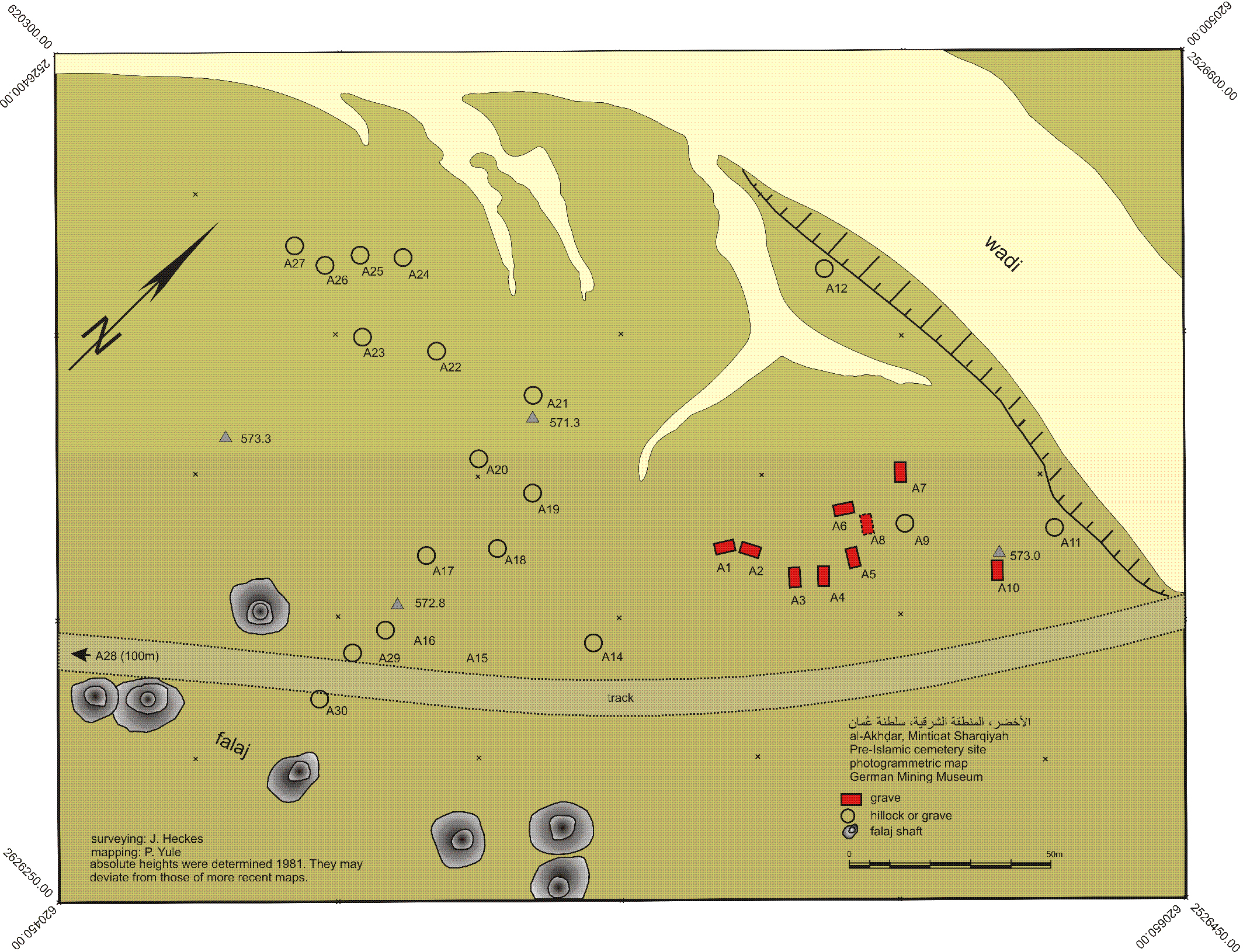
Al-Akhdhar, Oman
Cemetery with multi-period graves in Oman.
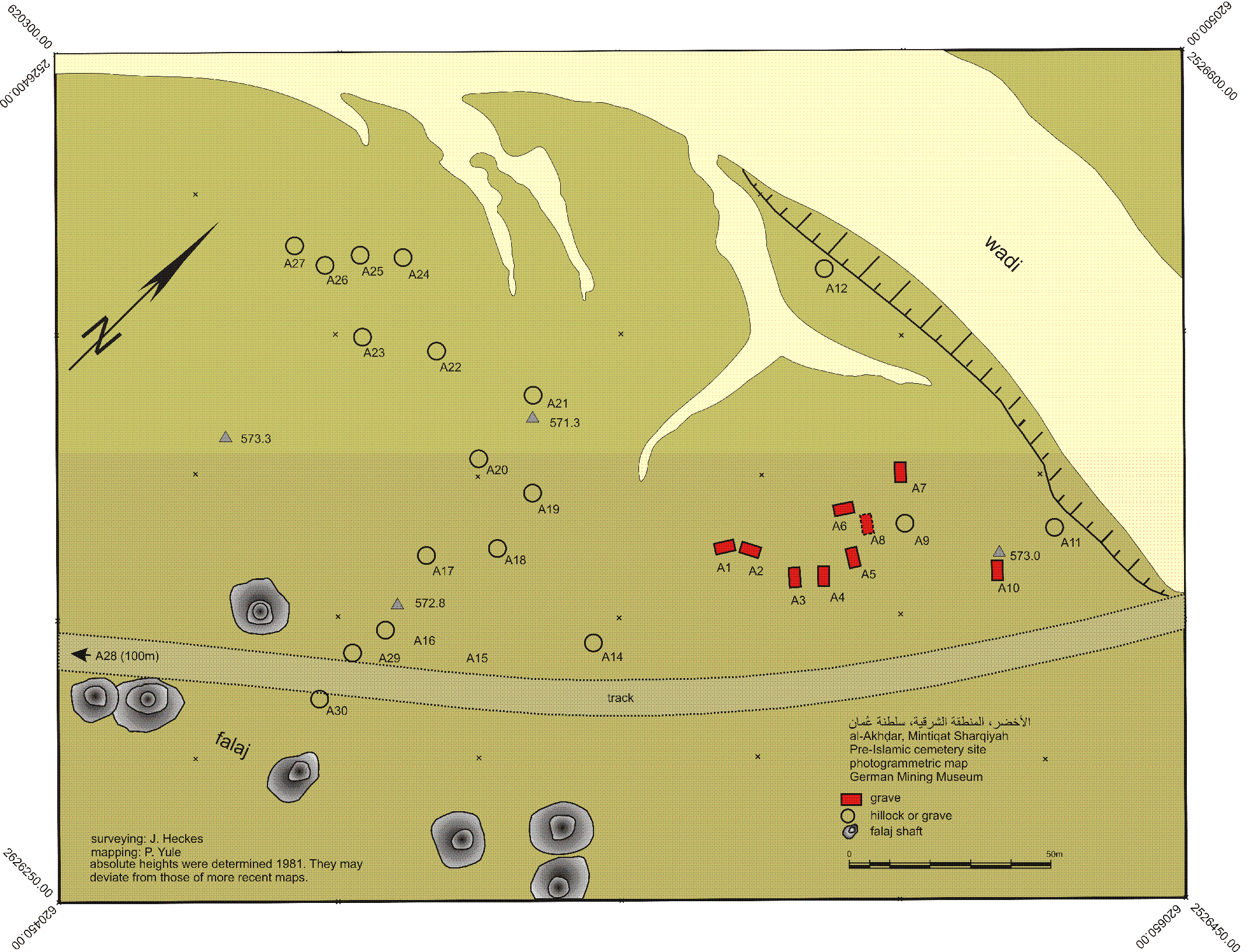
Al-Akhdhar
Cemetery with multiple period occupations
Al-Moyassar
Oman's pre-Islamic archaeological zone.

Ras al-Jinz
Bronze Age harbour with Indus trade links
Wooden Churches of Maramureş
<p>These eight churches are outstanding examples of a range of architectural solutions from different periods and areas. They show the variety of designs…
Samad al-Shan
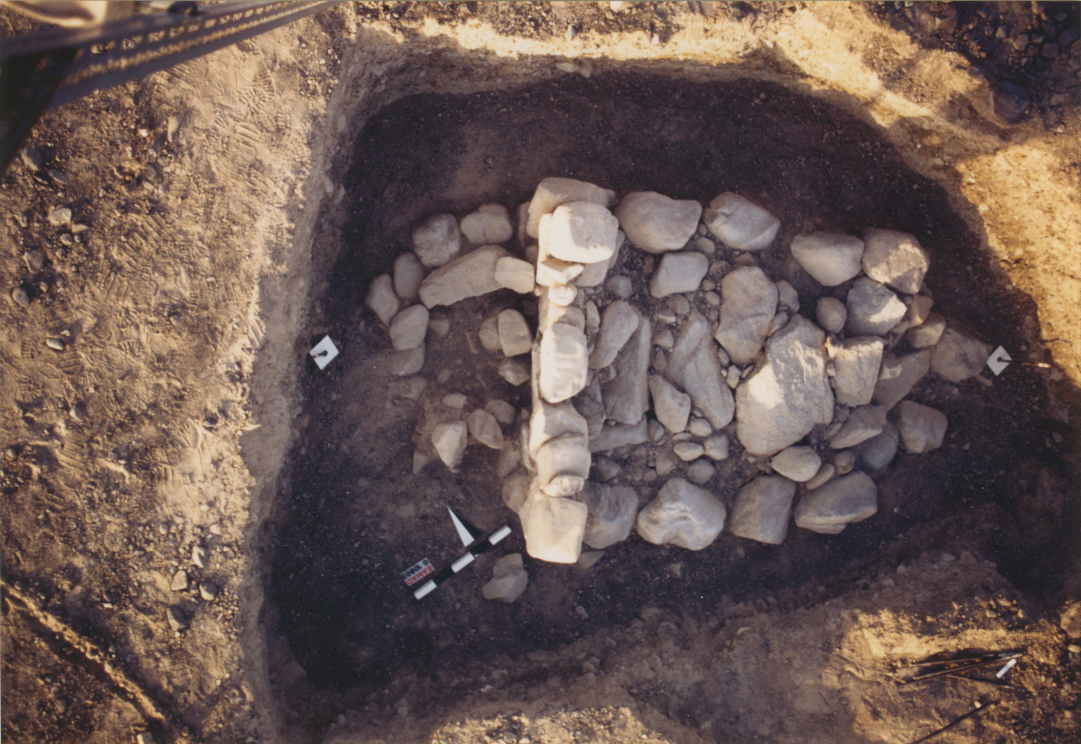
Late Iron Age stone graves in Oman