
Explore the Map
Qalhat
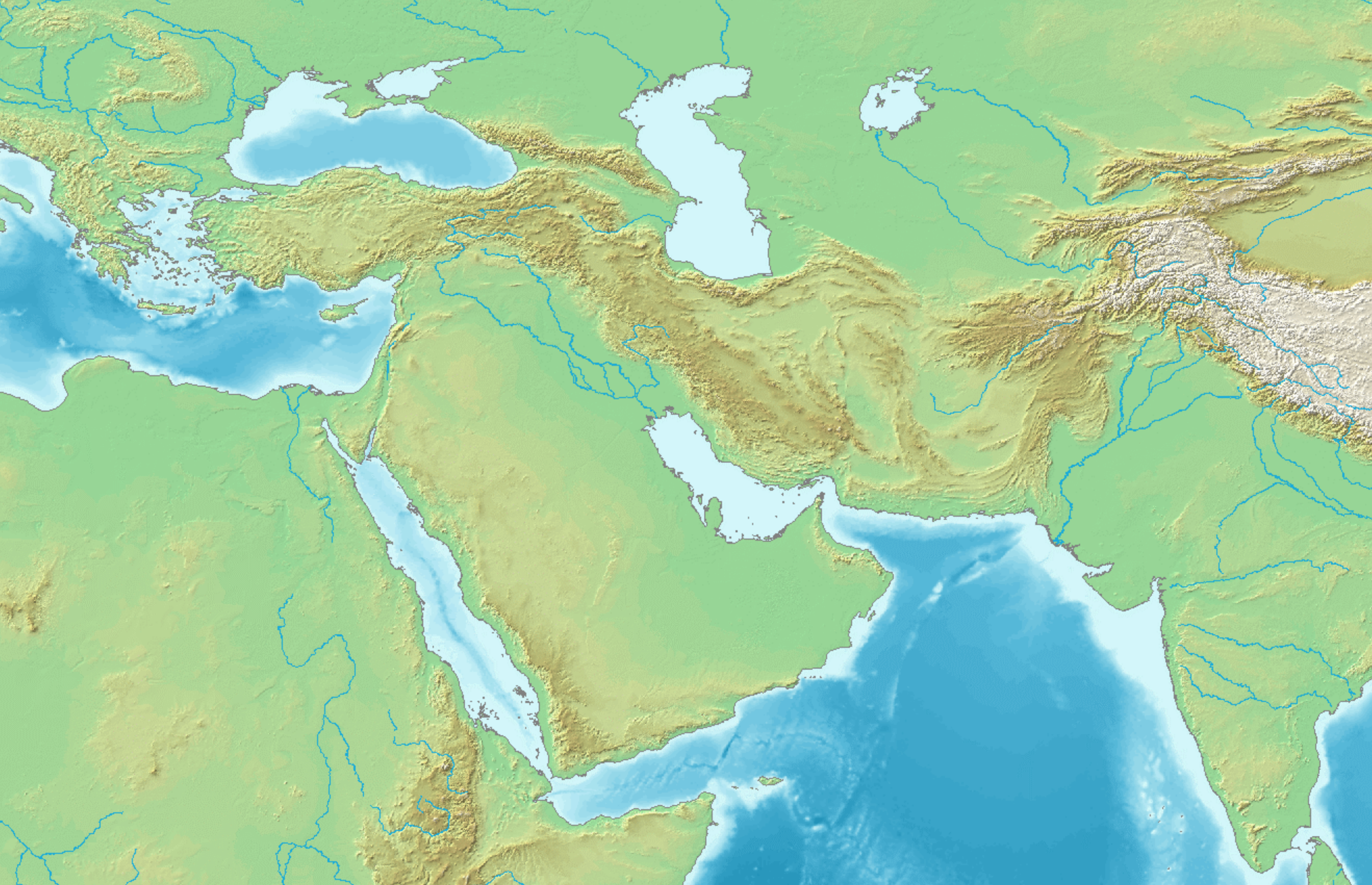
22.7000° N, 59.3667° E
About
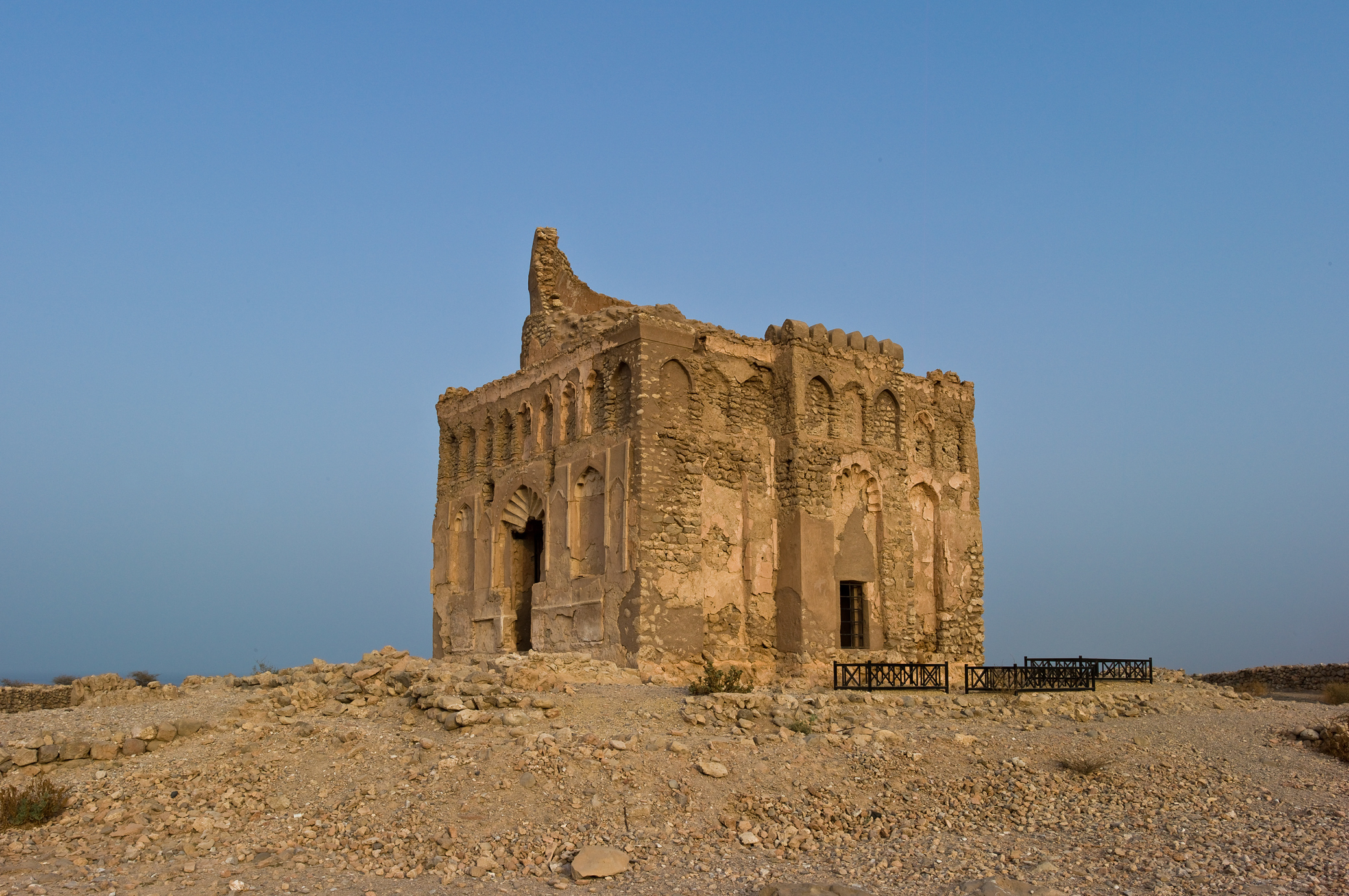
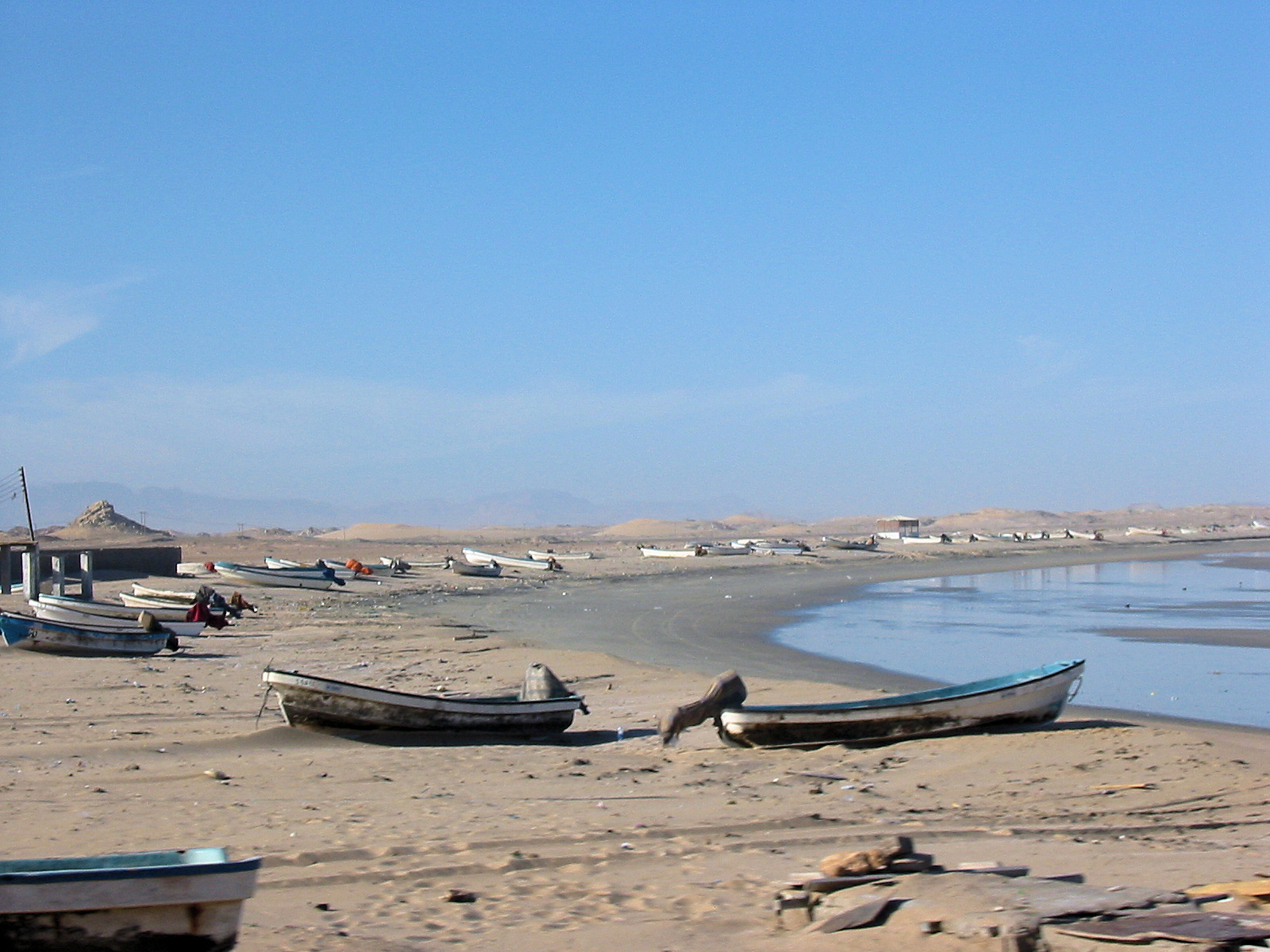
Qalhat, an ancient city in Oman, played a significant role in the Indian Ocean trade network and was known as the second city of the Kingdom of Ormus. The city gained historical prominence through visits by notable figures such as Marco Polo in the 13th century, who referred to it as Calatu, and Ibn Battuta in the 14th century, who admired its fine bazaars and a beautiful mosque built by Bibi Maryam. Despite its thriving trade and cultural exchanges with regions as far as Persia and China, the city faced decline in the 16th century when trade shifted to Muscat and following its capture by Afonso de Albuquerque for the Portuguese Empire. Recent research suggests seismic activity along the Qalhat Fault may have contributed to its decline. The city was recognized as a UNESCO World Heritage Site in 2018, highlighting its historical and archaeological significance.
Gallery
Explore photographs of ancient structures, artifacts, and archaeological excavations
Historical Timeline
Journey through time and discover key events in this site's history
Marco Polo visits Qalhat
1200s CE
Ibn Battuta visits Qalhat
1300s CE
Rule of Bibi Maryam
1311 CE
Zheng He visits Qalhat
1400s CE
Afonso de Albuquerque captures city
1507 CE
Archaeological Features
Unique architectural and cultural elements found at this historical site
Defensive Structures
Burial and Funerary Structures
Religious and Ritual Structures
Domestic and Habitation Structures
Plan Your Visit
Tours, travel arrangements, and practical information
More Sites in Oman
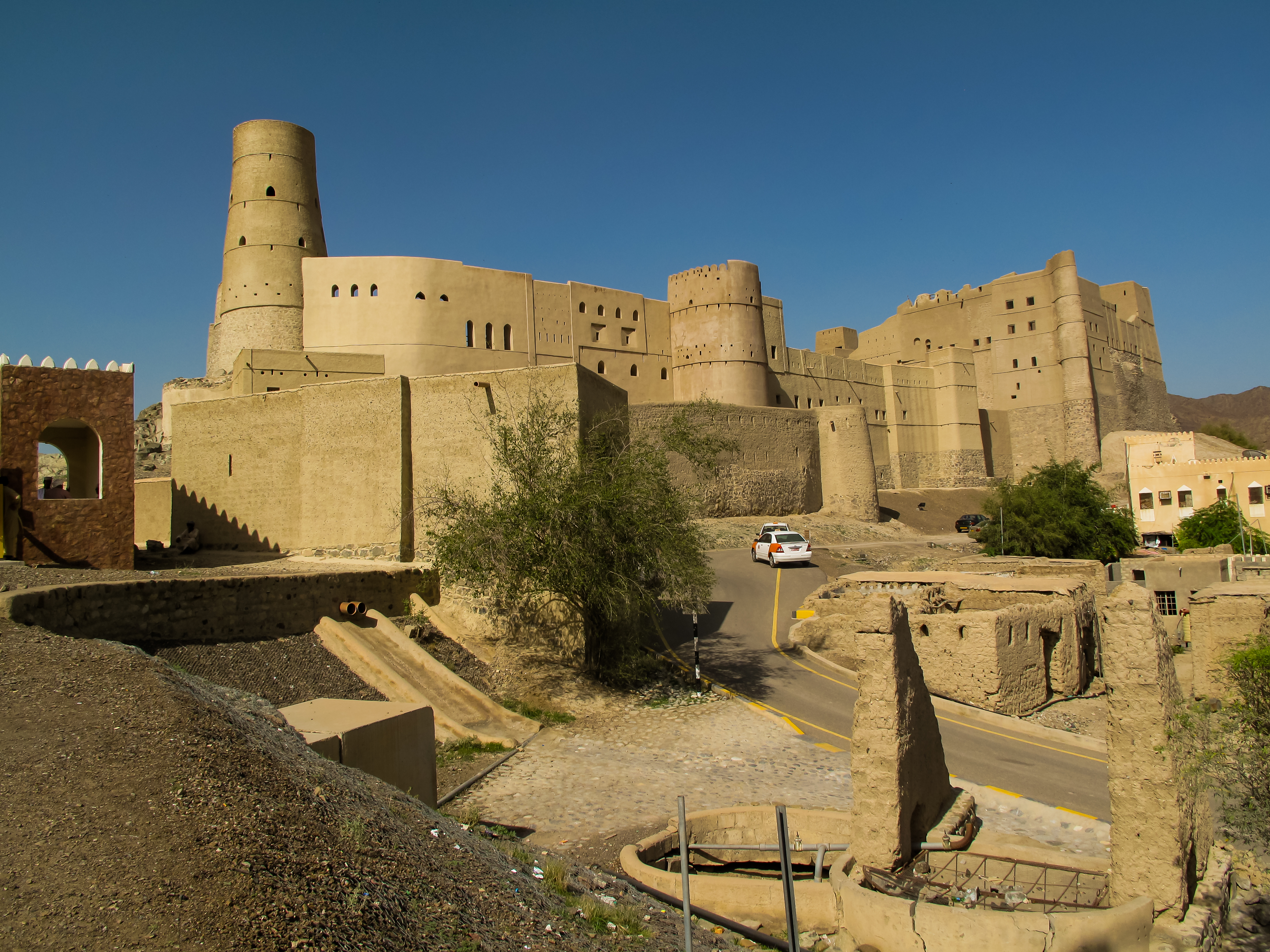
Bahla Fort
Historic mud-brick fort with ancient walls.
Qaryat al-Saih
Fortified village with Late Iron Age origins
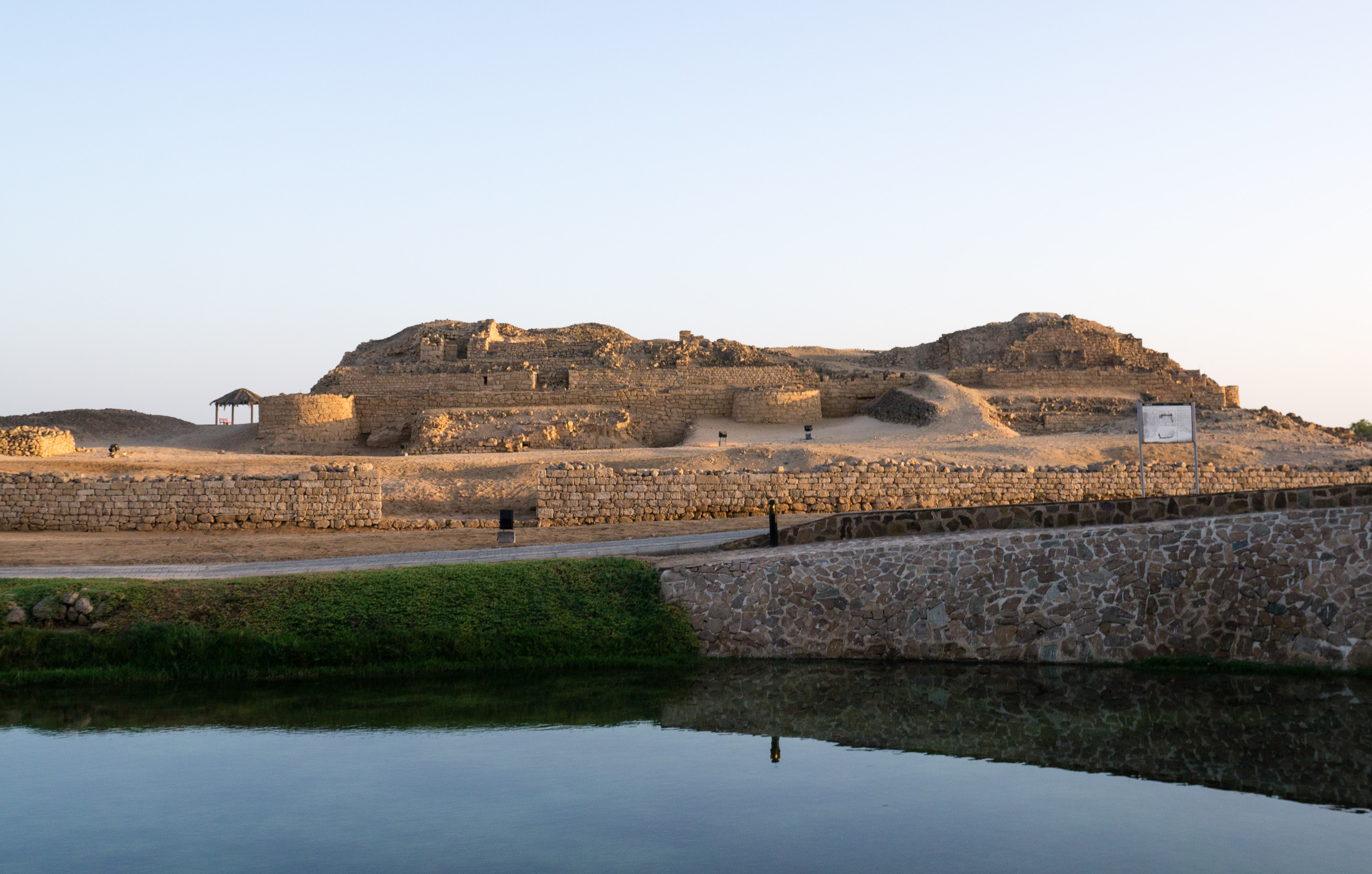
Land of Frankincense
Caravan oasis with frankincense trees.
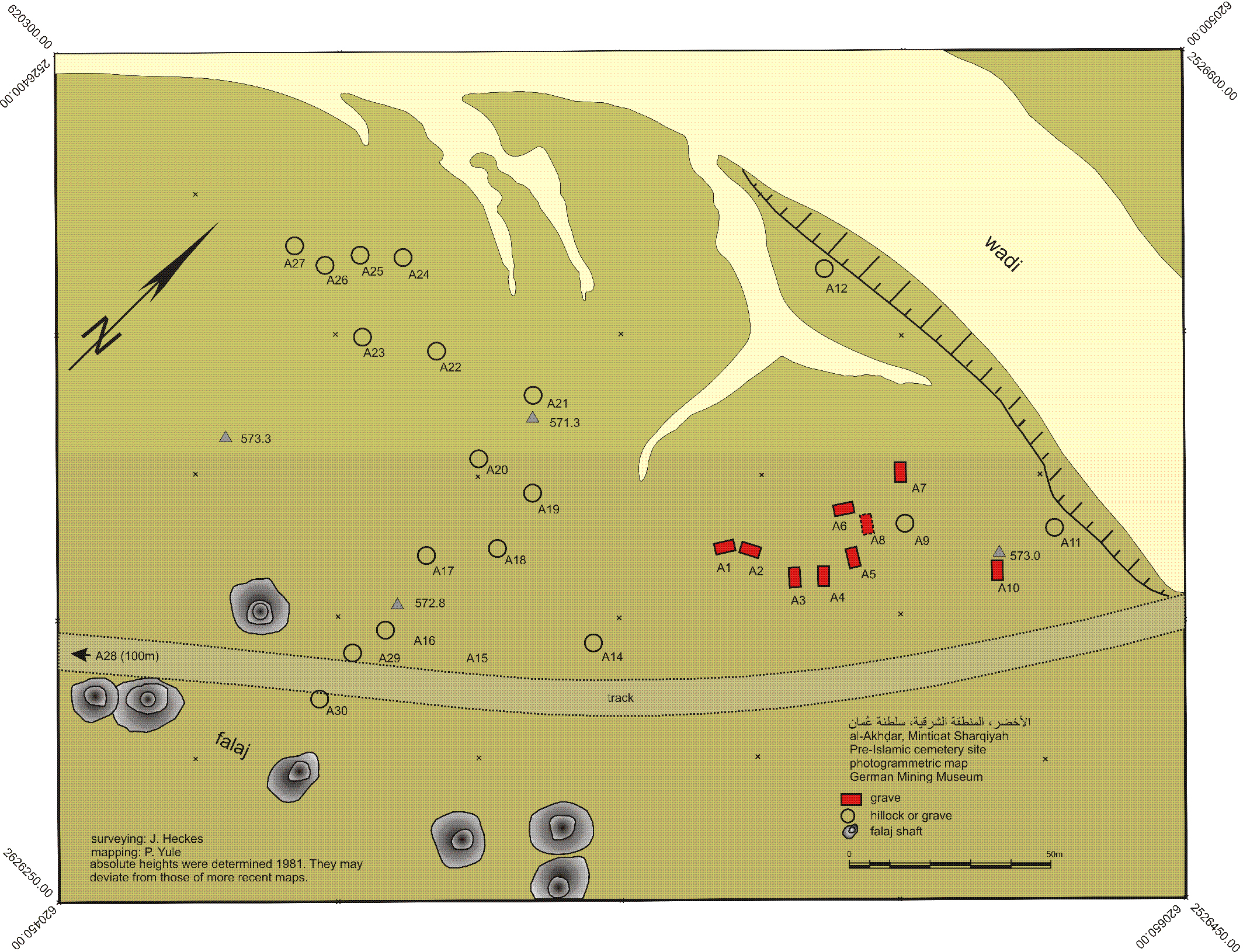
Al-Akhdhar, Oman
Cemetery with multi-period graves in Oman.
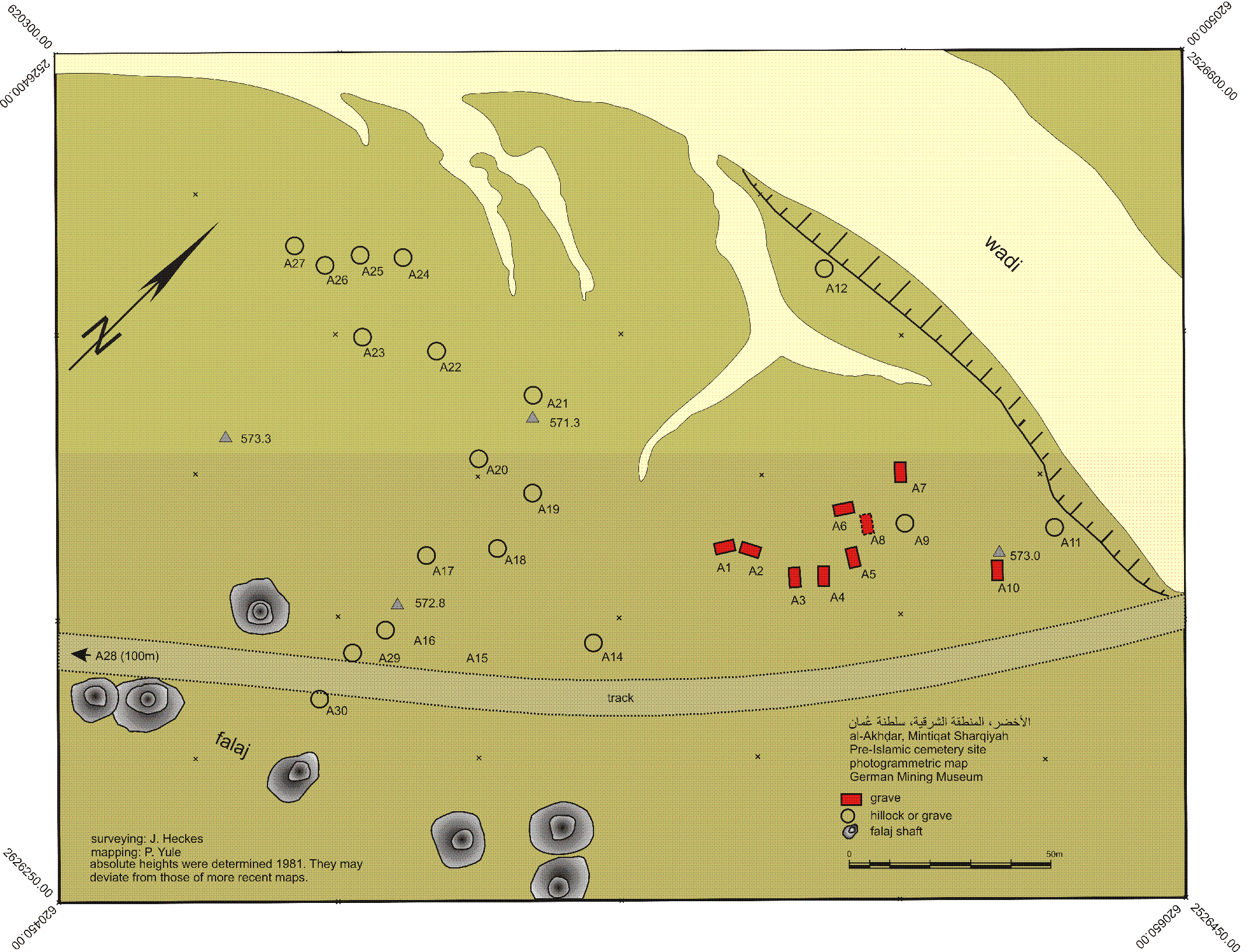
Al-Akhdhar
Cemetery with multiple period occupations
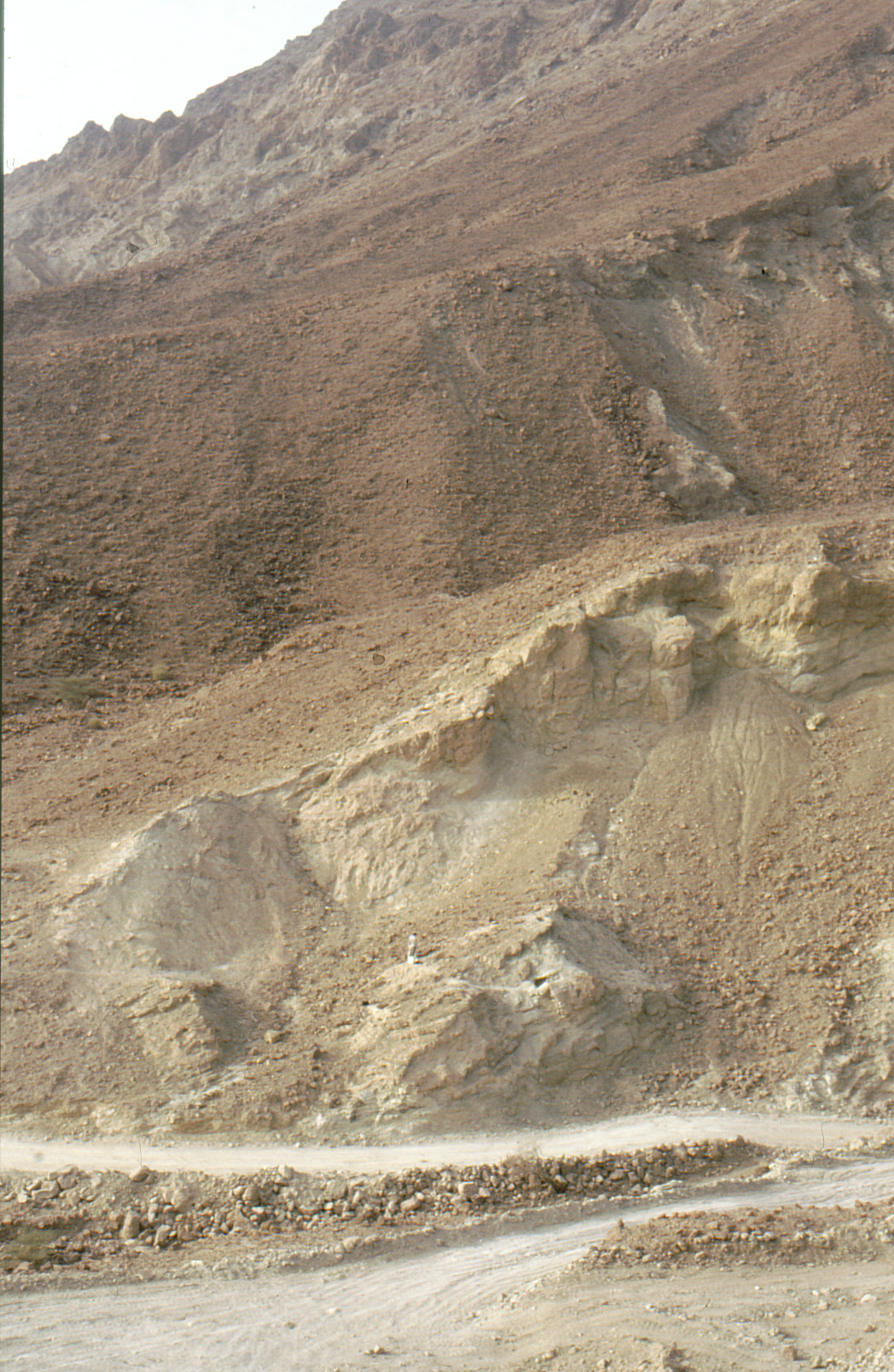
Al-Amqat
Unrobbed Late Iron Age cemetery in Oman