

Explore the Map
Caral
-10.8936° N, -77.5203° E
About
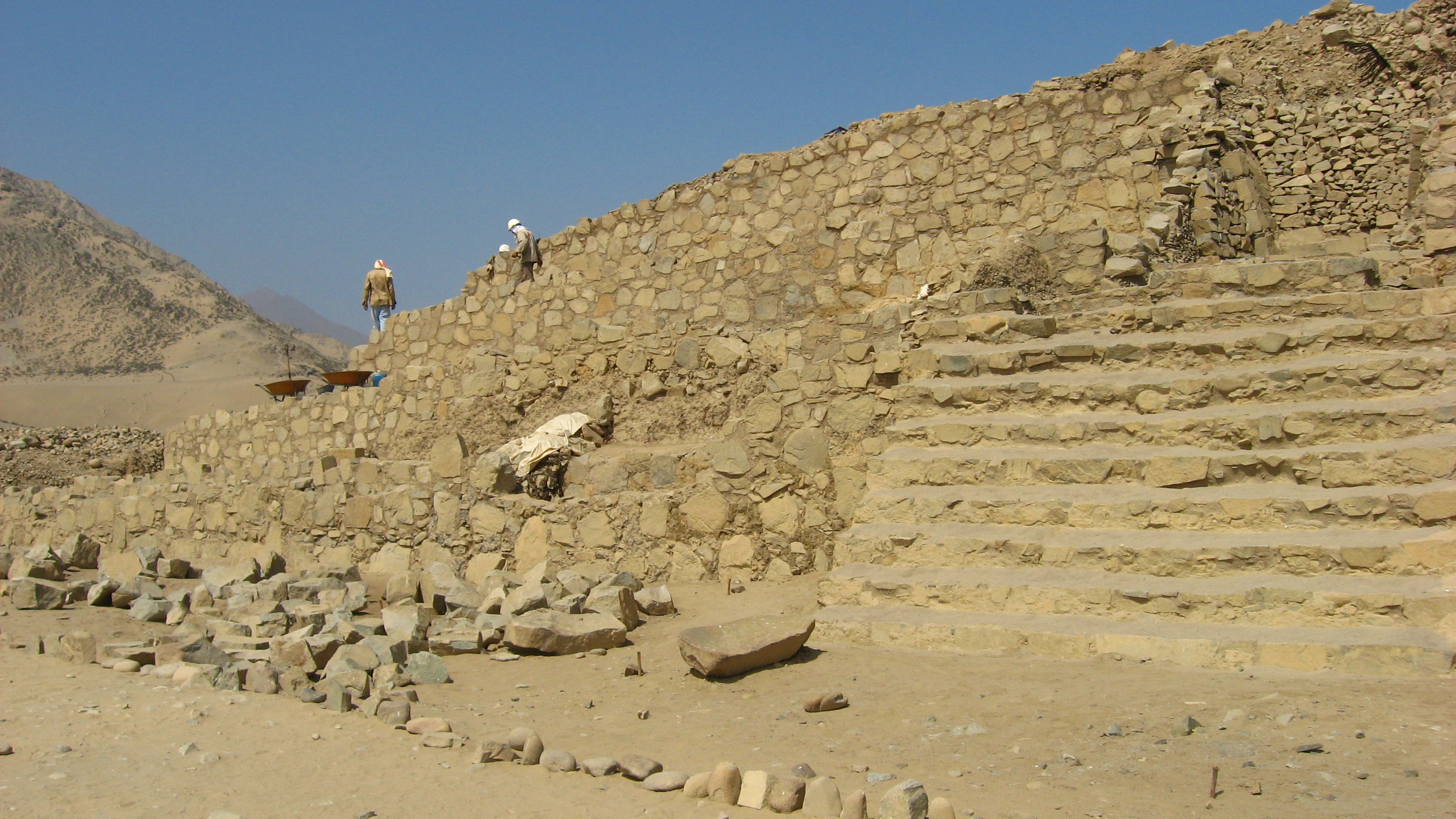
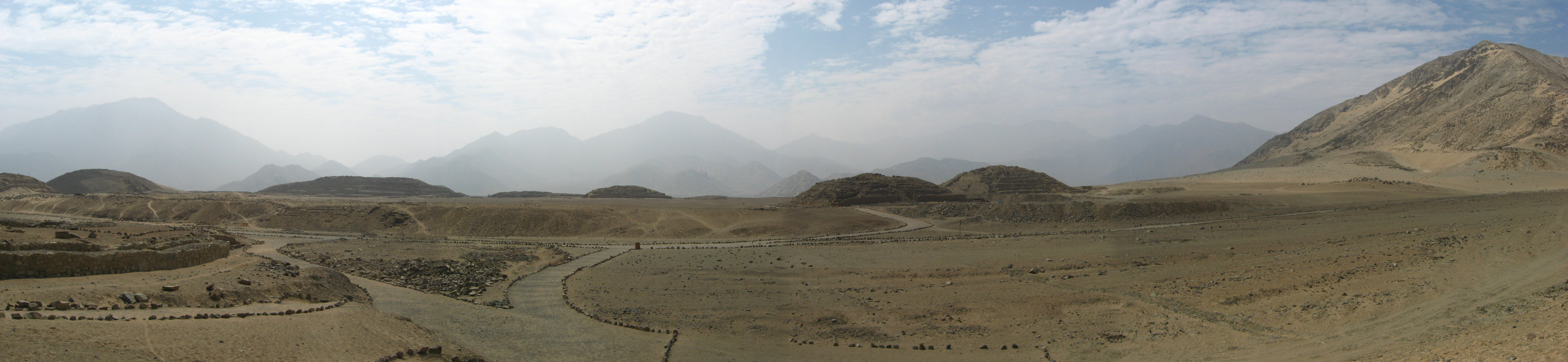
The Sacred City of Caral-Supe, or simply Caral, is an archaeological site in Peru where the remains of the main city of the Caral civilization are found. It is located in the Supe valley of Peru, near the current town of Caral, 182 kilometers north of Lima, 23 km from the coast and 350 metres above sea level. It is attributed an antiquity of 5,000 years and it is considered the oldest city in the Americas and one of the oldest in the world. No other site has been found with such a diversity of monumental buildings or different ceremonial and administrative functions in the Americas as early as Caral. It has been declared a Humanity Cultural Heritage site by UNESCO. The Caral culture developed between 3000 and 1800 B.C (Late Archaic and Lower Formative periods). In America, it is the oldest of the pre-Hispanic civilizations, developing 1,500 years earlier than the Olmec civilization, the first Mesoamerican complex society. Closely related to the city of Caral was an early fishing city, Áspero or El Áspero, located on the coast near the mouth of the Supe River. There, remains of human sacrifices (two children and a newborn) have been found. In 2016, the remains were found of a woman, who presumably belonged to the local elite of 4,500 years ago.
Gallery
Explore photographs of ancient structures, artifacts, and archaeological excavations
Historical Timeline
Journey through time and discover key events in this site's history
Radiocarbon date from carrying bags
c. 2627 BCE
Bone flutes radiocarbon date
c. 2170 BCE
Occupation period
26th–20th century BCE
Initial discovery by Paul Kosok
1948
Valley survey by Carlos Williams
1975
Geoglyph discovery
2000
UNESCO World Heritage inscription
2009
Elite woman remains at Áspero
2016
Land tensions and encroachment reported
early 2021
Archaeological Features
Unique architectural and cultural elements found at this historical site
Storage Structures
Public and Civic Structures
Burial and Funerary Structures
Religious and Ritual Structures
Artistic and Decorative Features
Domestic and Habitation Structures
Environmental and Natural Features
Frequently Asked Questions
Plan Your Visit
Tours, travel arrangements, and practical information


More Sites in Peru
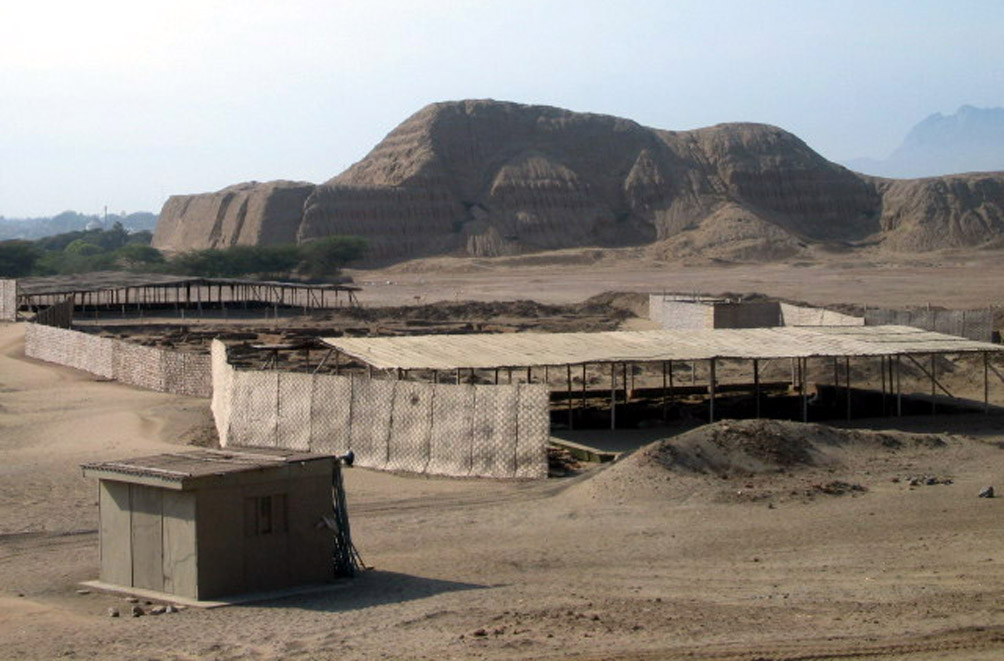
Huaca del Sol
Largest pre-Columbian adobe pyramid in Peru
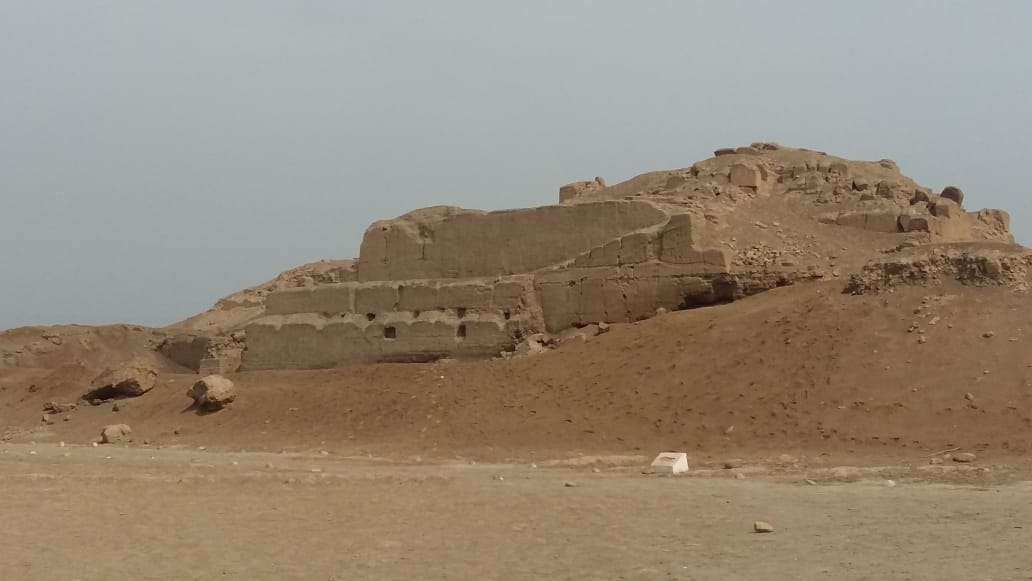
La Centinela
Adobe pyramids in Chincha Valley, Peru.
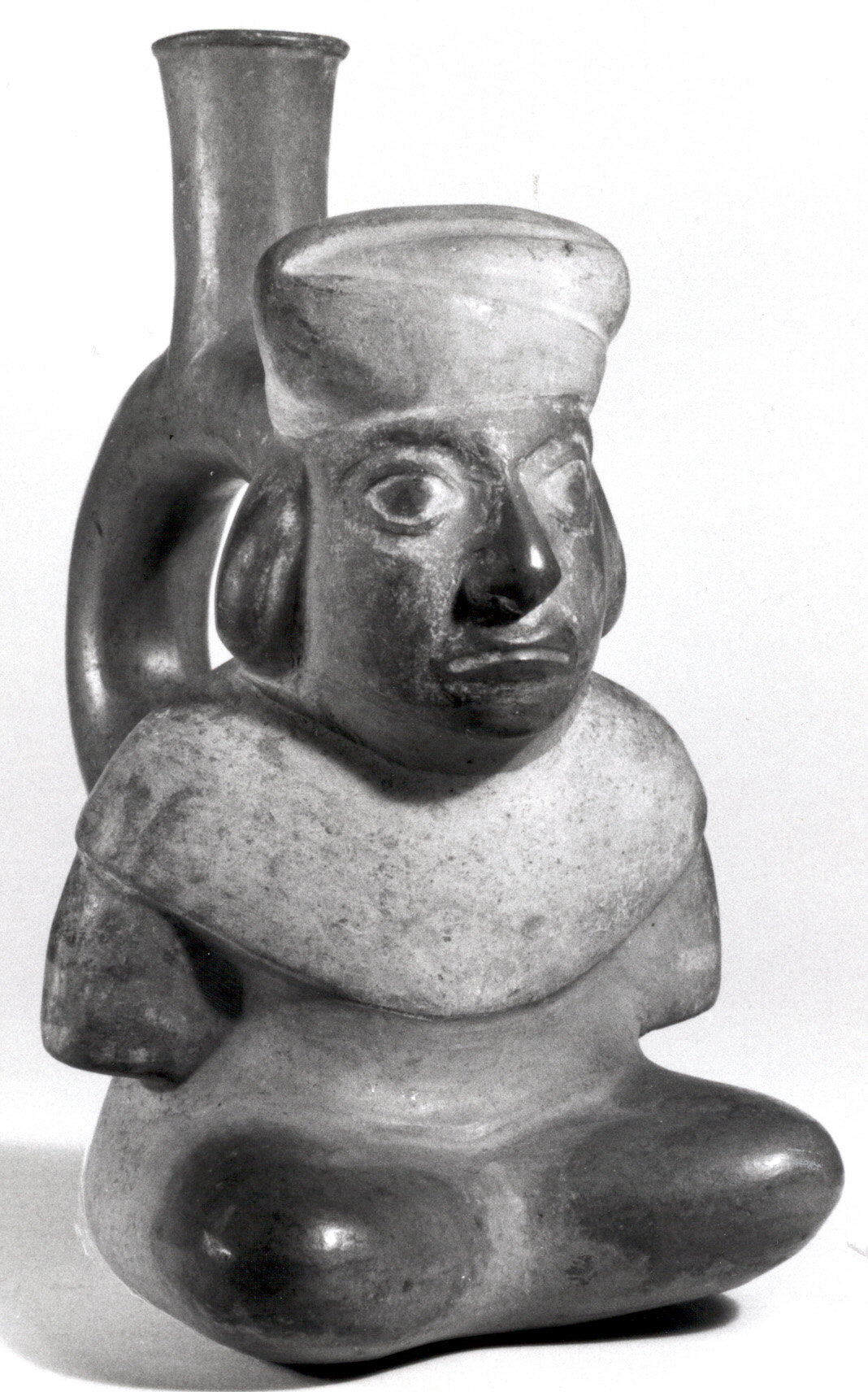
Tinyaq
Inca period storehouses on a mountain
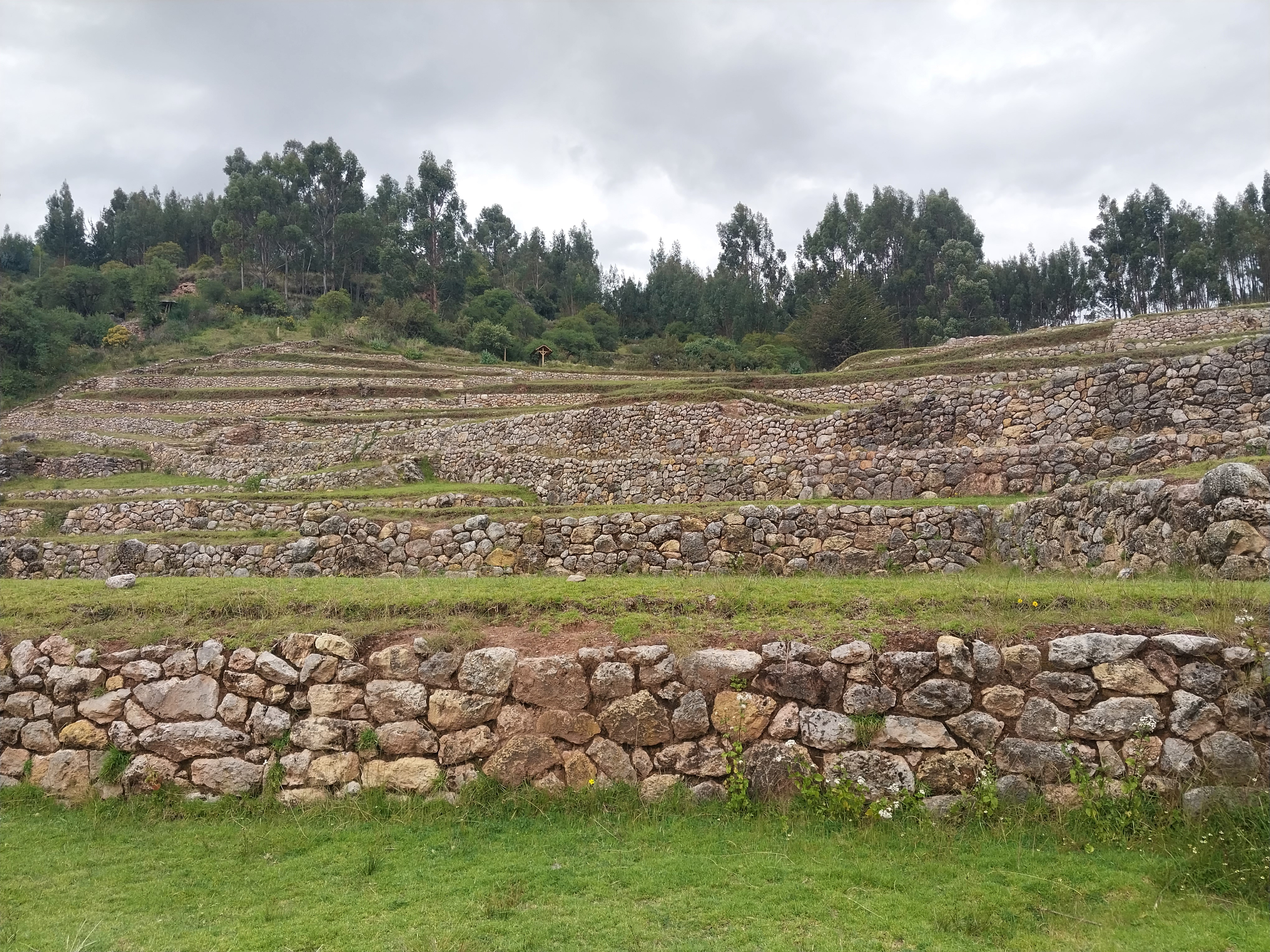
Inkilltambo
Ancient Peruvian site with cultivated terrain.
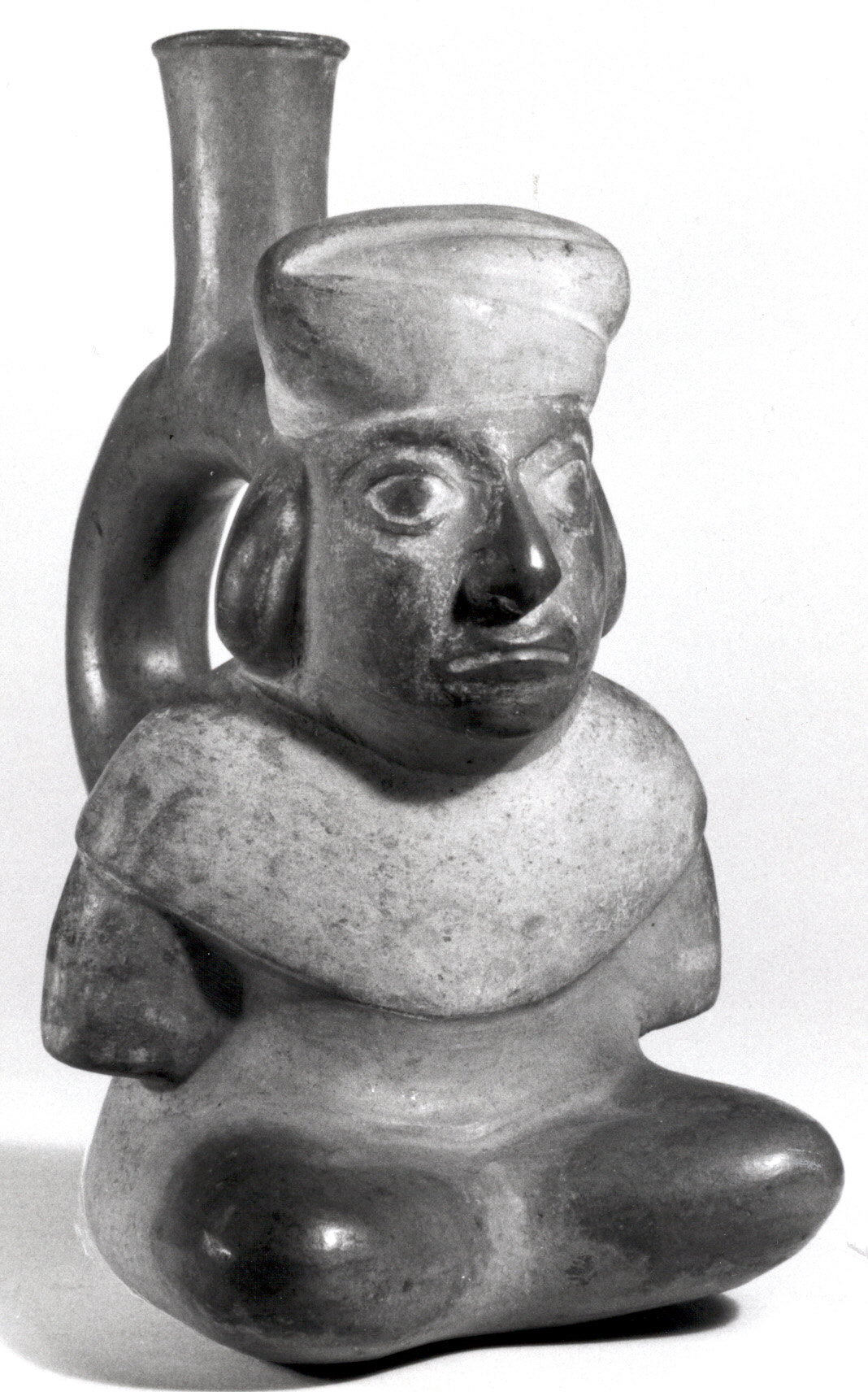
Taqrachullu
Rocky confluence site with cultural heritage.
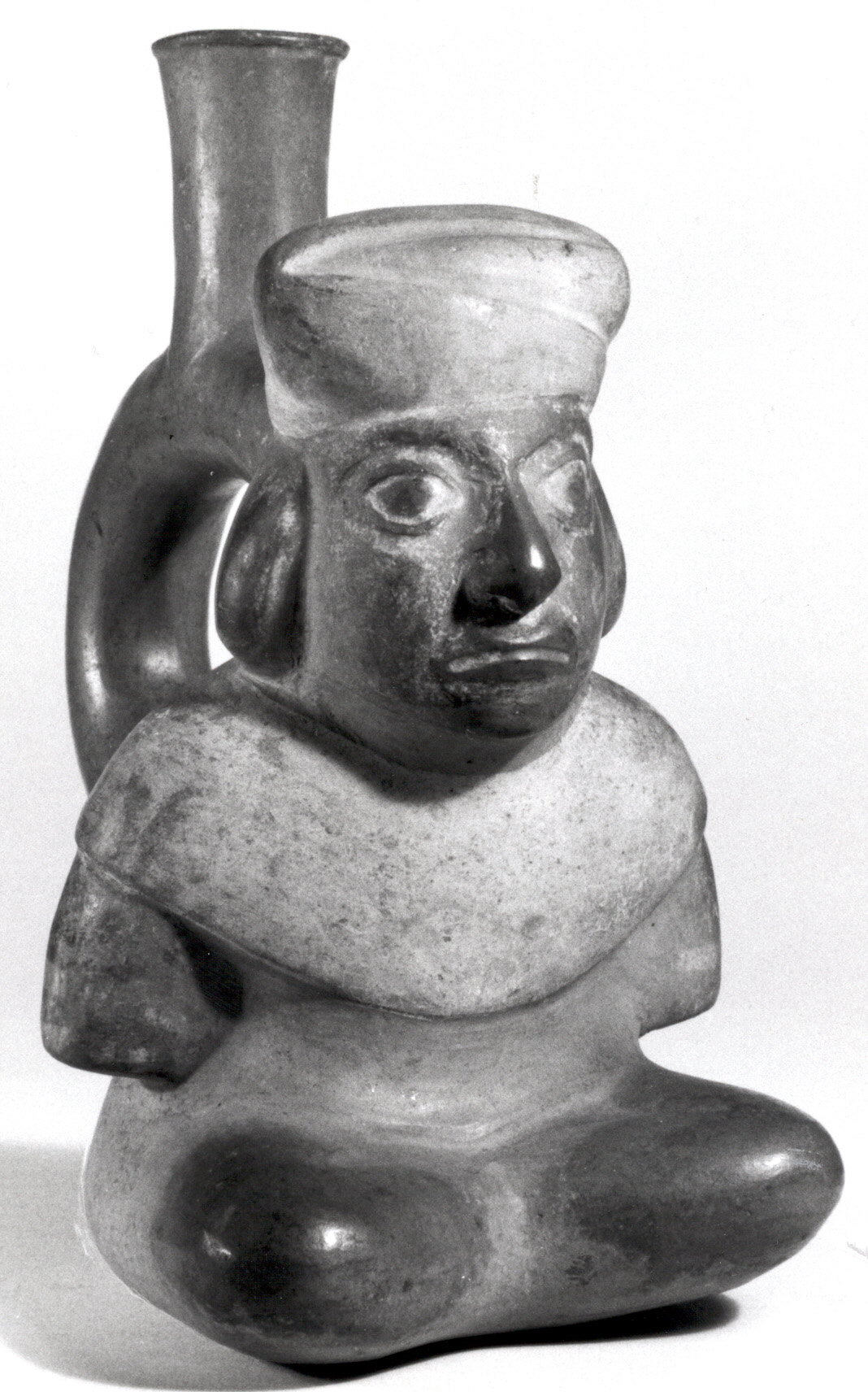
Tunanmarca
Hilltop archaeological site with ancient structures