Explore the Map
Huayuri
-14.5300° N, -75.2700° E
About
Huayuri, also called the Lost City of Huayuri, is a large pre-Columbian archaeological site which flourished from 1150 to 1450 CE in the Late Intermediate Period (1000 - 1476 CE) of Peru. Huayuri is located in the Peruvian coastal desert in Ica Region. Its prominence was probably dependent upon an climatic phase in which the area received greater precipitation than at earlier and later periods. The site may have been abandoned in the 16th century because of water shortages, conflict with the expanding Inca Empire, or epidemics of European diseases. The town (or city) of stone houses was located in a ravine between two mountain ridges, a location possibly dictated by a need for defense. Archaeological evidence indicates Huayari relied upon rainfall harvesting for its drinking water and some of the irrigated agriculture the town needed for the subsistence of the inhabitants.
Historical Timeline
Journey through time and discover key events in this site's history
Peak occupation
1150–1450 CE
Start of rainfall harvesting
c. 1260–1290 CE
Inca influence established
1470s
Decline of rainfall harvesting
16th century
European epidemics begin
1520s
Spanish conquest begins
1532
Archaeological Features
Unique architectural and cultural elements found at this historical site
Storage Structures
Water Management Features
Agricultural and Land Use Features
Domestic and Habitation Structures
Environmental and Natural Features
Transportation and Communication Structures
Frequently Asked Questions
Plan Your Visit
Tours, travel arrangements, and practical information
Recommended Tours

More Sites in Peru
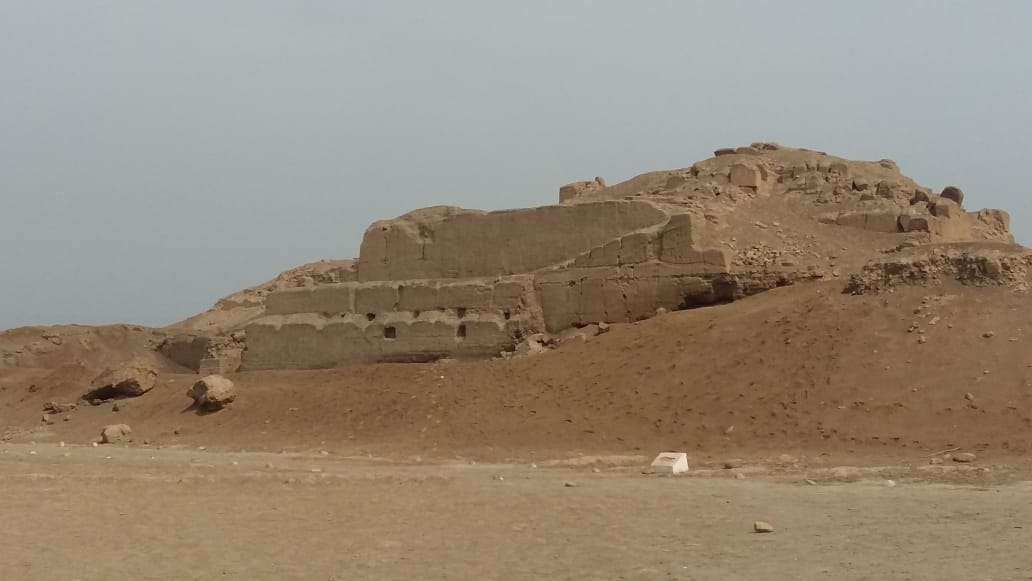
La Centinela
Adobe pyramids in Chincha Valley, Peru.
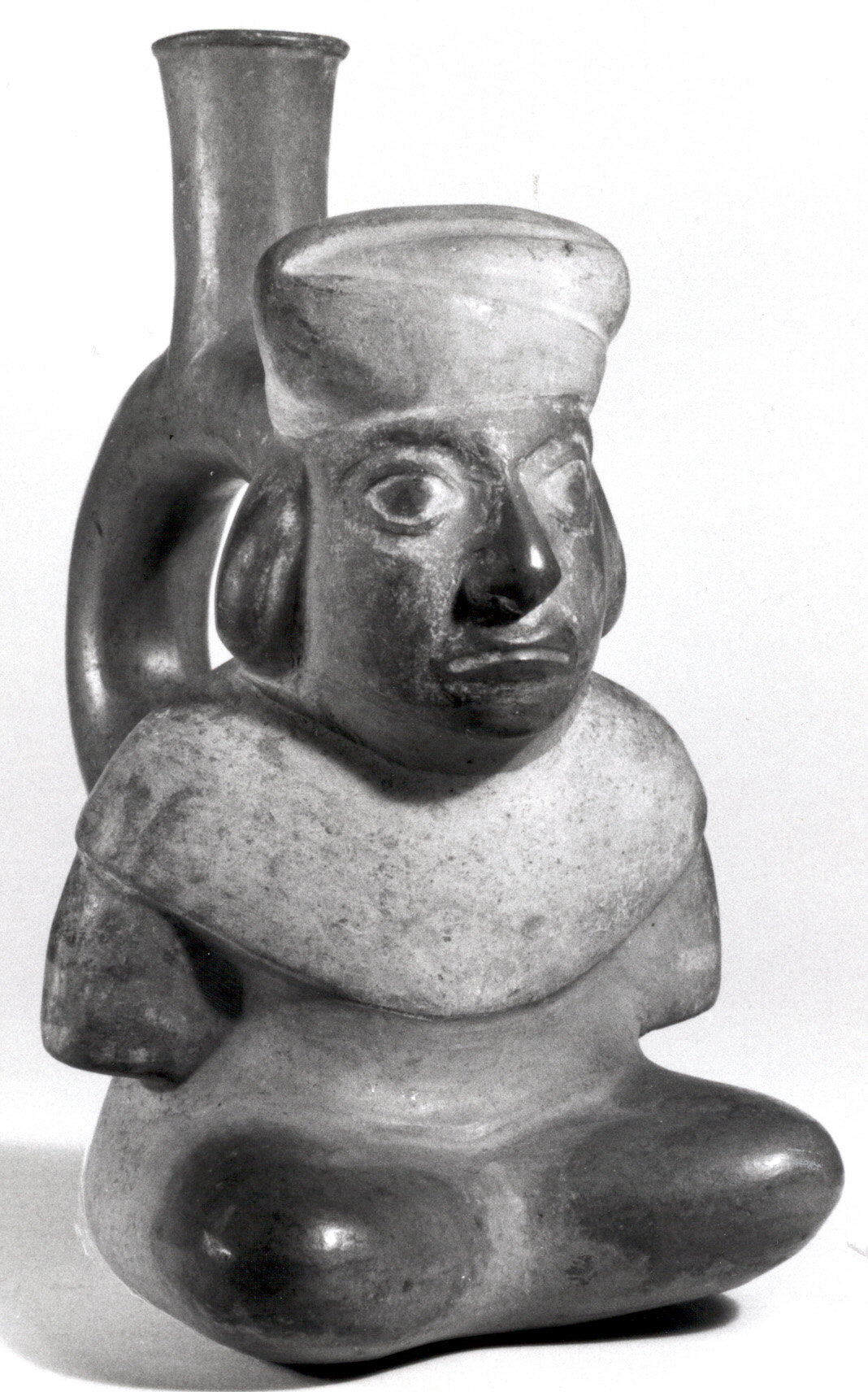
Tinyaq
Inca period storehouses on a mountain
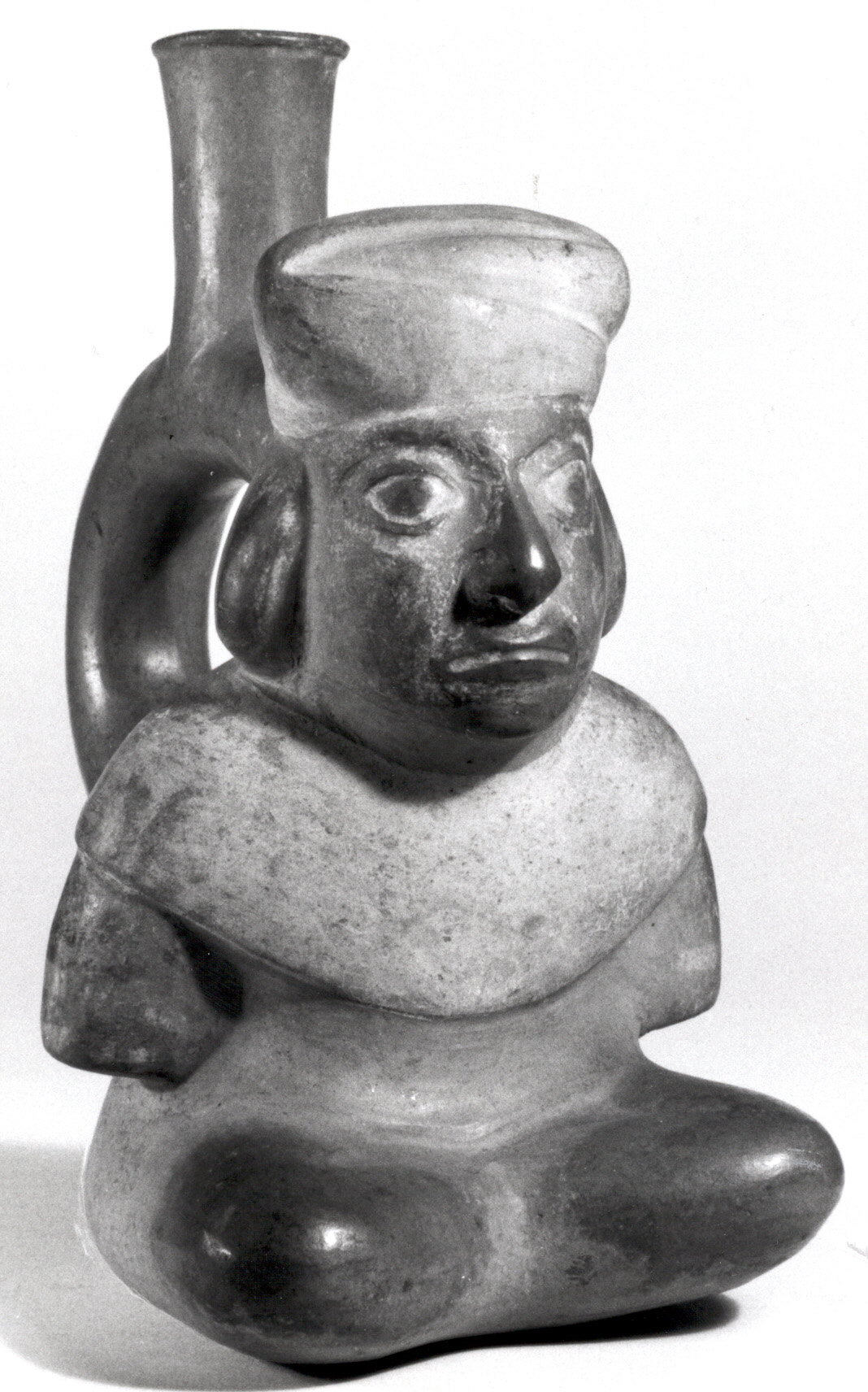
Tikra
Circular buildings and burial towers in Peru
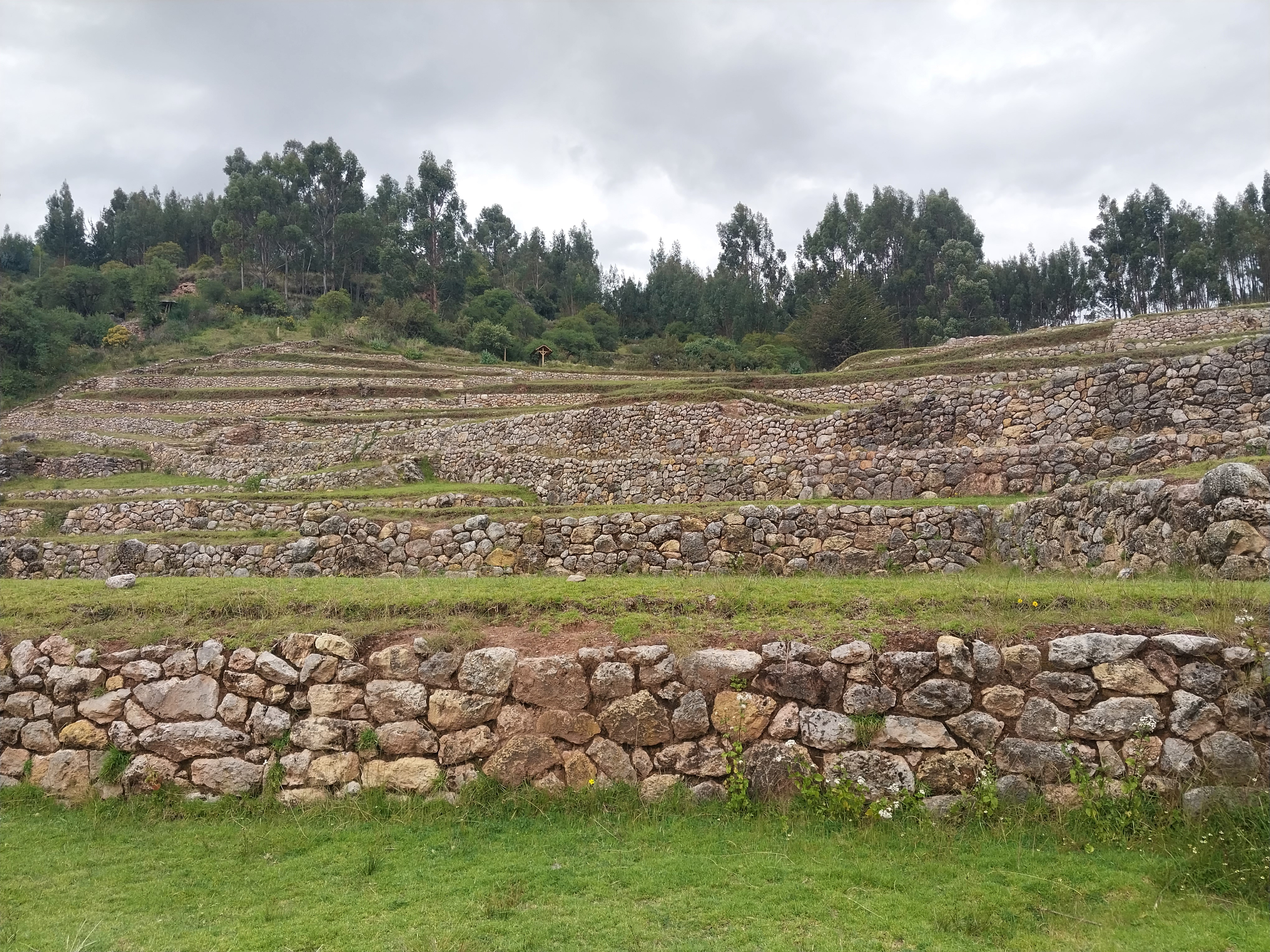
Inkilltambo
Ancient Peruvian site with cultivated terrain.
Markapukyu
Peruvian high-altitude archaeological site.
Tunanmarca
Hilltop archaeological site with ancient structures