Time Periods
Paleolithic
Mesolithic
Neolithic
Chalcolithic
Bronze Age
Iron Age
Classical Period
Post-Classical Period
Early Modern Period
Industrial Period
Contemporary Period
Time Periods
Paleolithic
Mesolithic
Neolithic
Chalcolithic
Bronze Age
Iron Age
Classical Period
Post-Classical Period
Early Modern Period
Industrial Period
Contemporary Period
Location
About
The Nanchoc District in Peru is home to archaeological findings of the earliest known irrigation canals in the Americas. Situated in a fertile valley near the Nanchoc River, these canals date back to at least 3400 BCE with potential origins as far back as 4700 BCE. The ancient inhabitants of Nanchoc utilized these canals to sustain the agriculture of vital crops including peanuts, squash, manioc, and chenopods. These findings provide critical insights into early agricultural practices and water management in the Neolithic period, highlighting the ingenuity of early societies in adapting to their environment. The discovery of these canals underscores the significance of Nanchoc as an important archaeological site in understanding the development of early agriculture in the Americas.
Archaeological Features
Explore the unique architectural and cultural elements found at this historical site
Water Management Features
Historical Timeline
Journey through time and discover key events in this site's archaeological history
Plan Your Visit
Details
- Country
- Peru
- Source
- Wikipedia
More Sites in Peru
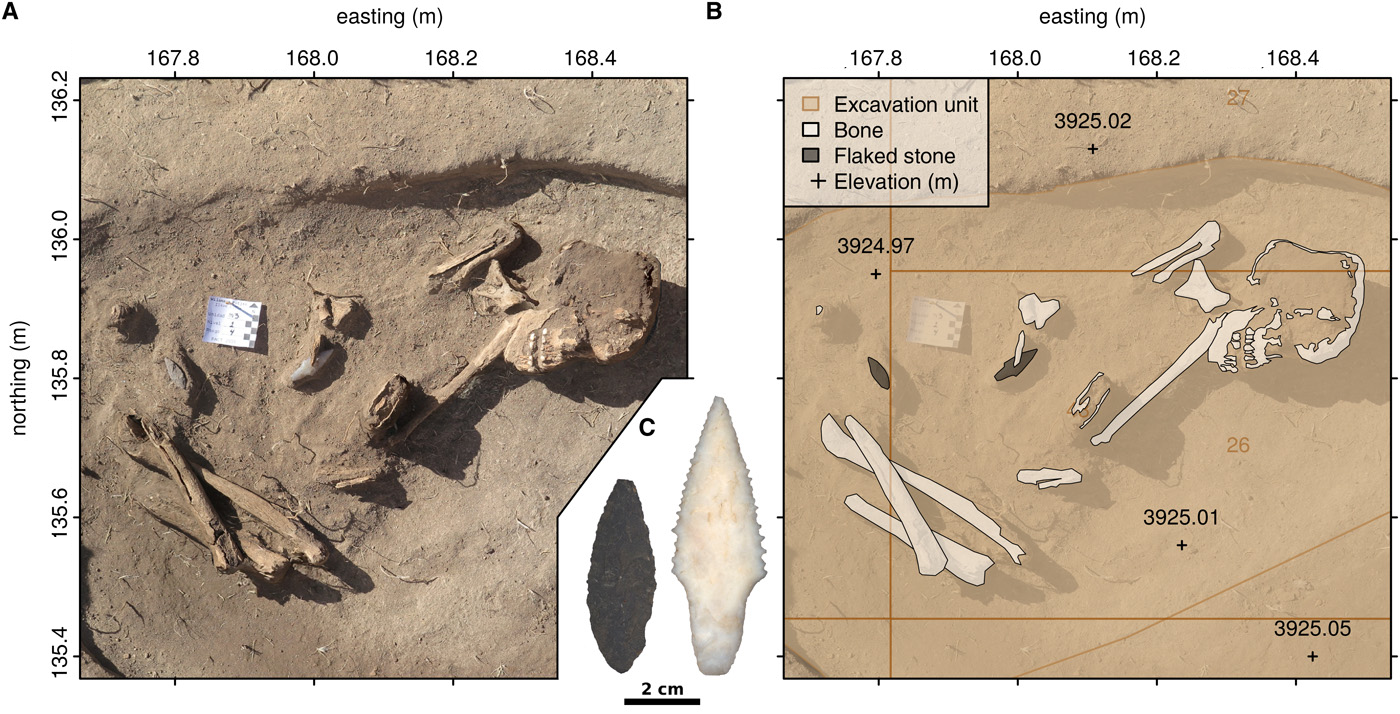
Wilamaya Patjxa
High-altitude mobile forager settlement site.
Qillqatani
Peruvian site with rock art and habitation
Zaña Valley (archaeology)
Ancient canals and megalithic temples
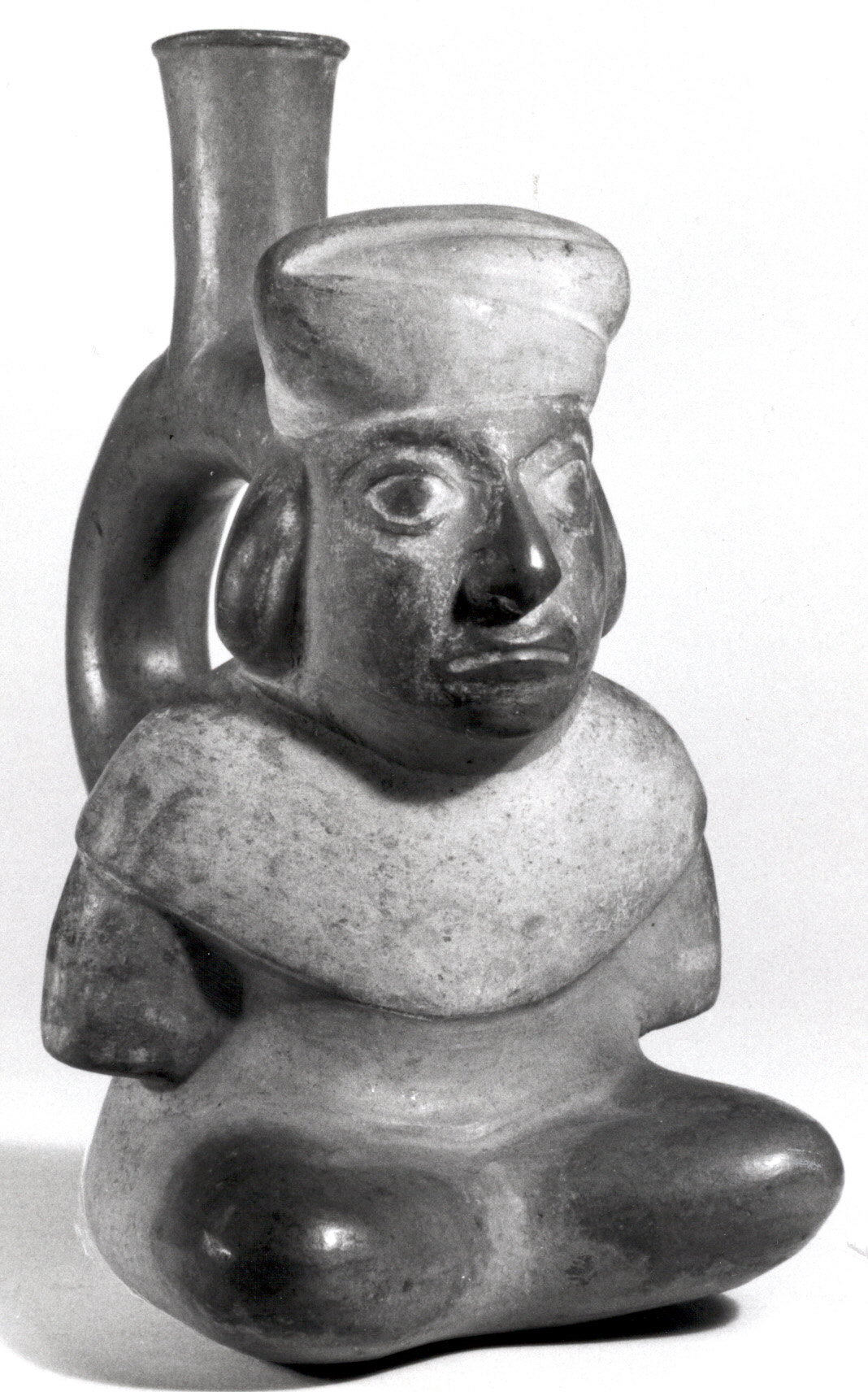
Piruro
Stone fortress with multi-story structure
Chivateros
Prehistoric stone tool quarry and workshop
Soro Mik'aya Patjxa
High-altitude hunter-gatherer archaeological site