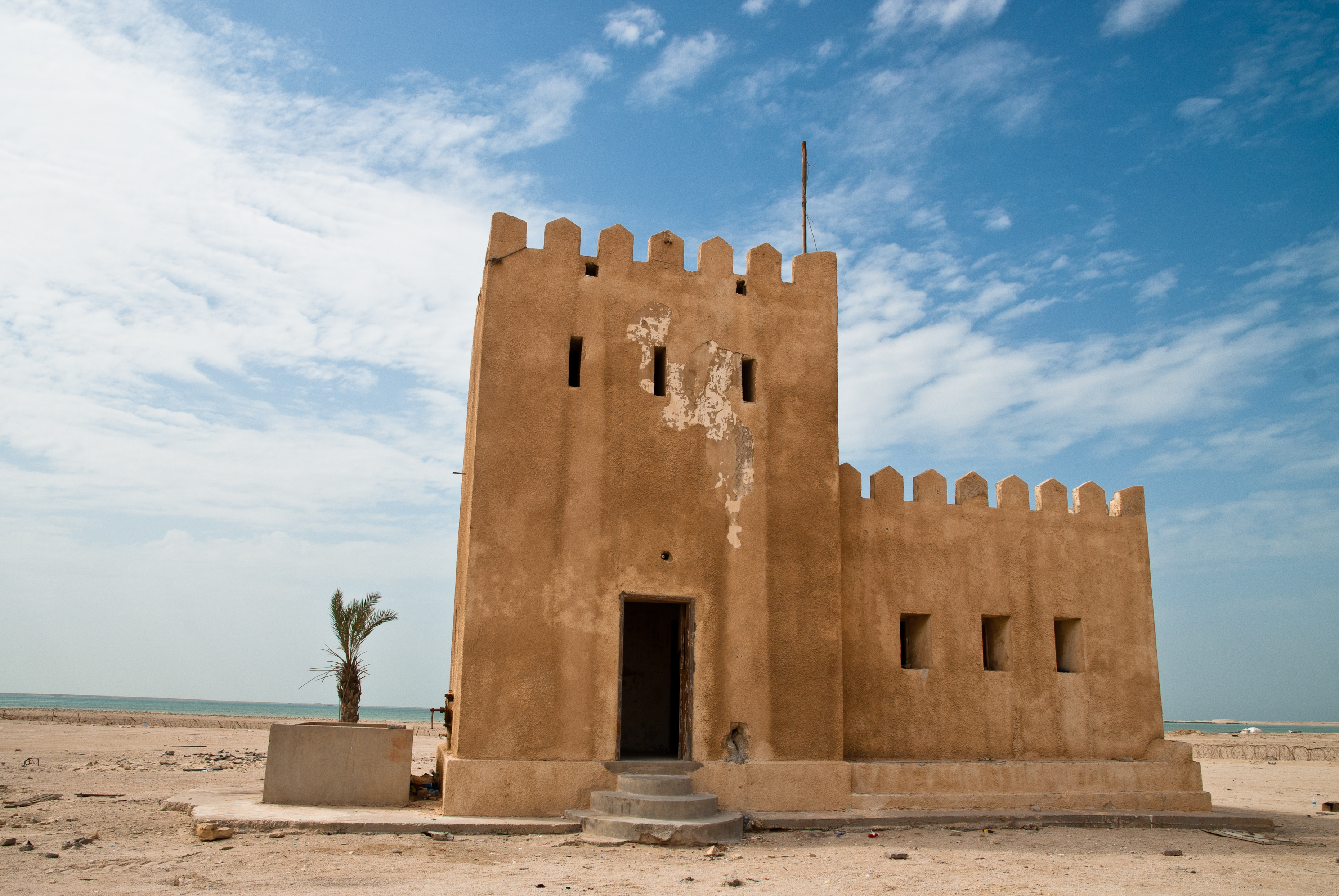
Explore the Map
Umm Al Maa
25.8174° N, 50.9905° E
About
Umm Al Maa, located in northwest Qatar, is a significant archaeological site primarily known for its ancient cemetery that likely dates back to the Bronze Age, around the 30th century BCE, as inferred from cairns and pottery. The site is characterized by a vast area with numerous burial mounds, some of which have been disturbed by natural and human activities. The cemetery is notable for its cairns, which are overlain with limestone and vary in size. Artifacts found at the site, such as Indian Red Polished Ware, suggest activity during the Sasanian period as well. The presence of wells indicates water management in the region, aligning with the site's etymology, which refers to
Gallery
Explore photographs of ancient structures, artifacts, and archaeological excavations
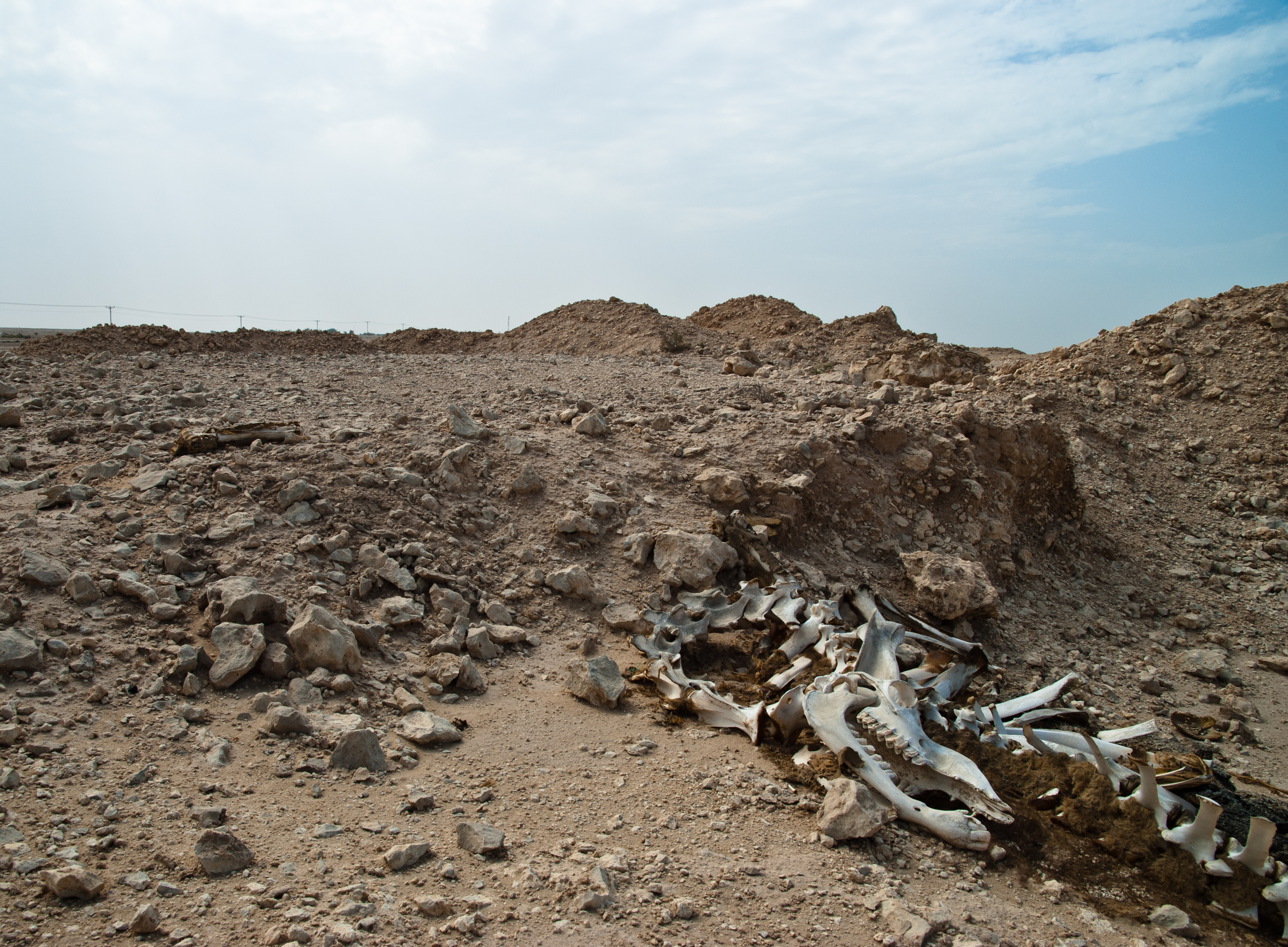
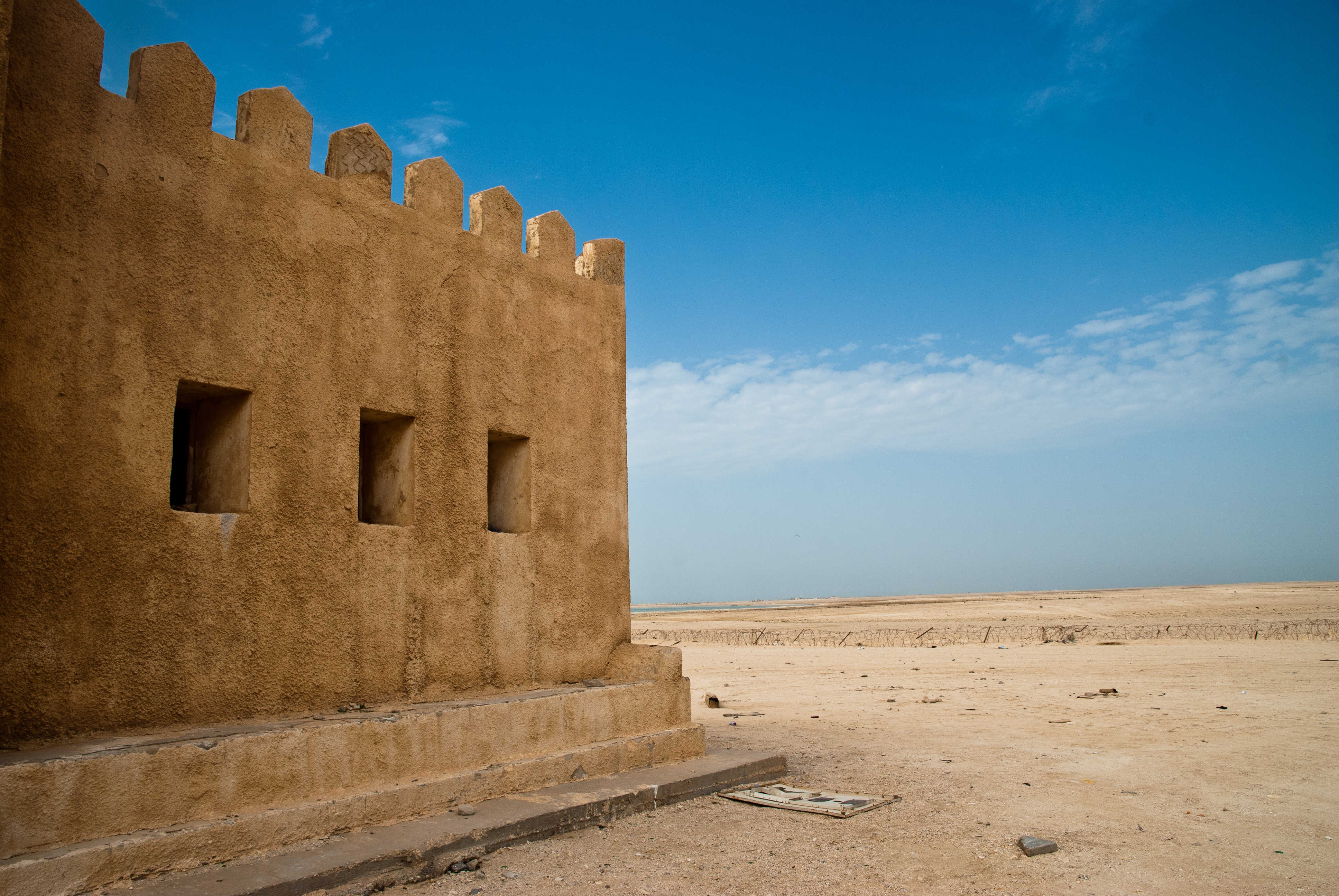
Historical Timeline
Journey through time and discover key events in this site's history
Bronze Age burial site
c. 3000 BCE
Sasanian period artifacts
c. 300 CE to 700 CE
Archaeological Features
Unique architectural and cultural elements found at this historical site
Water Management Features
Burial and Funerary Structures
Frequently Asked Questions
Plan Your Visit
Tours, travel arrangements, and practical information
More Sites in Qatar
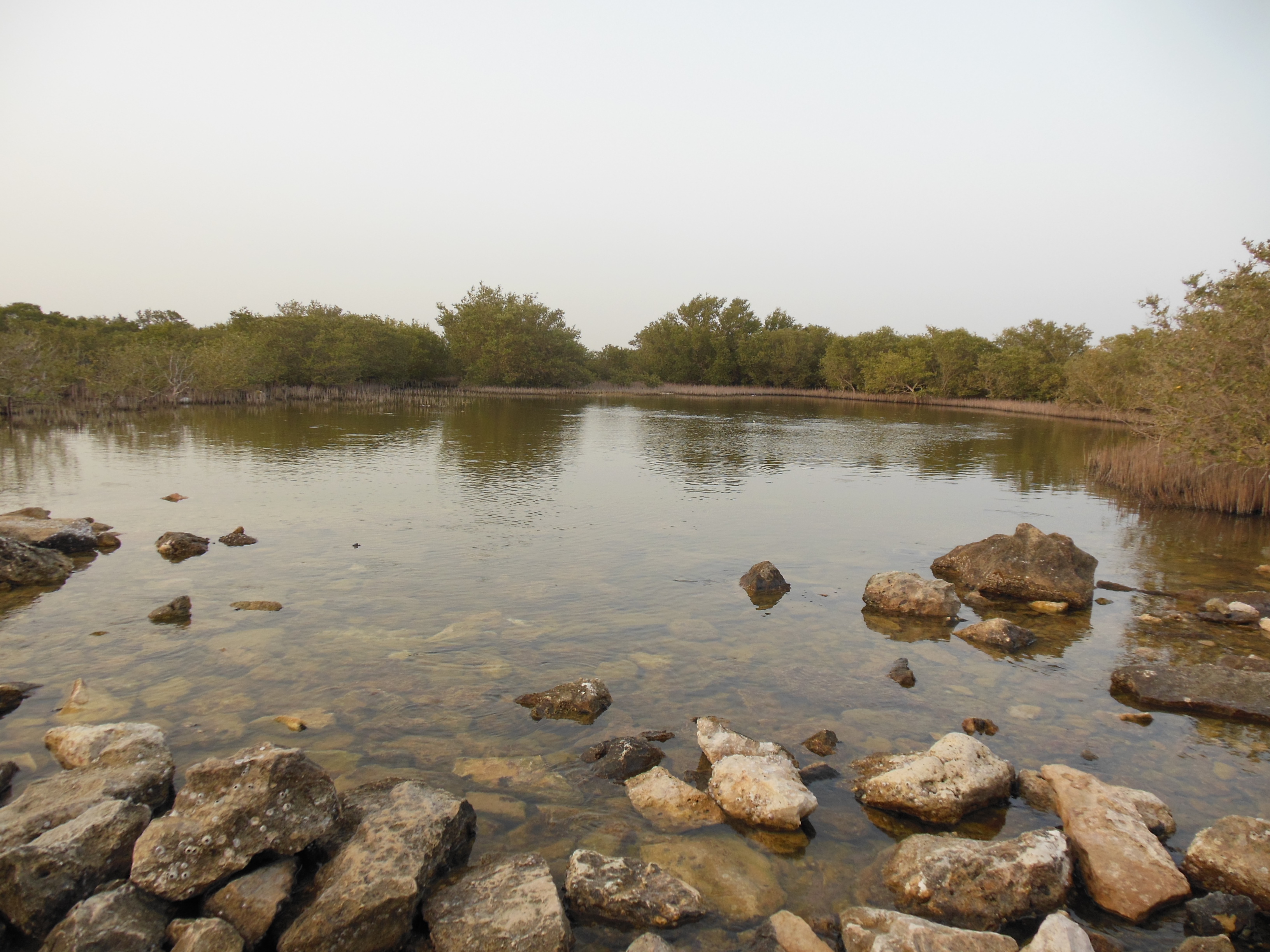
Al Khor Island
Island with ancient dye industry and artifacts
Al Zubarah Archaeological Site
<p>The walled coastal town of Al Zubarah in the <span>Persian </span>Gulf flourished as a pearling and trading centre in the late 18<span>th</span> century…
Lehsain
Ruined village with Neolithic and 19th-century remains.
Yoghbi
Earliest Islamic-era settlement in Qatar.
Freiha
Deserted village with fort and mosque.
Ruwayda
Large coastal archaeological site with fort