Explore the Map
Arzhan culture
52.0716° N, 93.6318° E
About
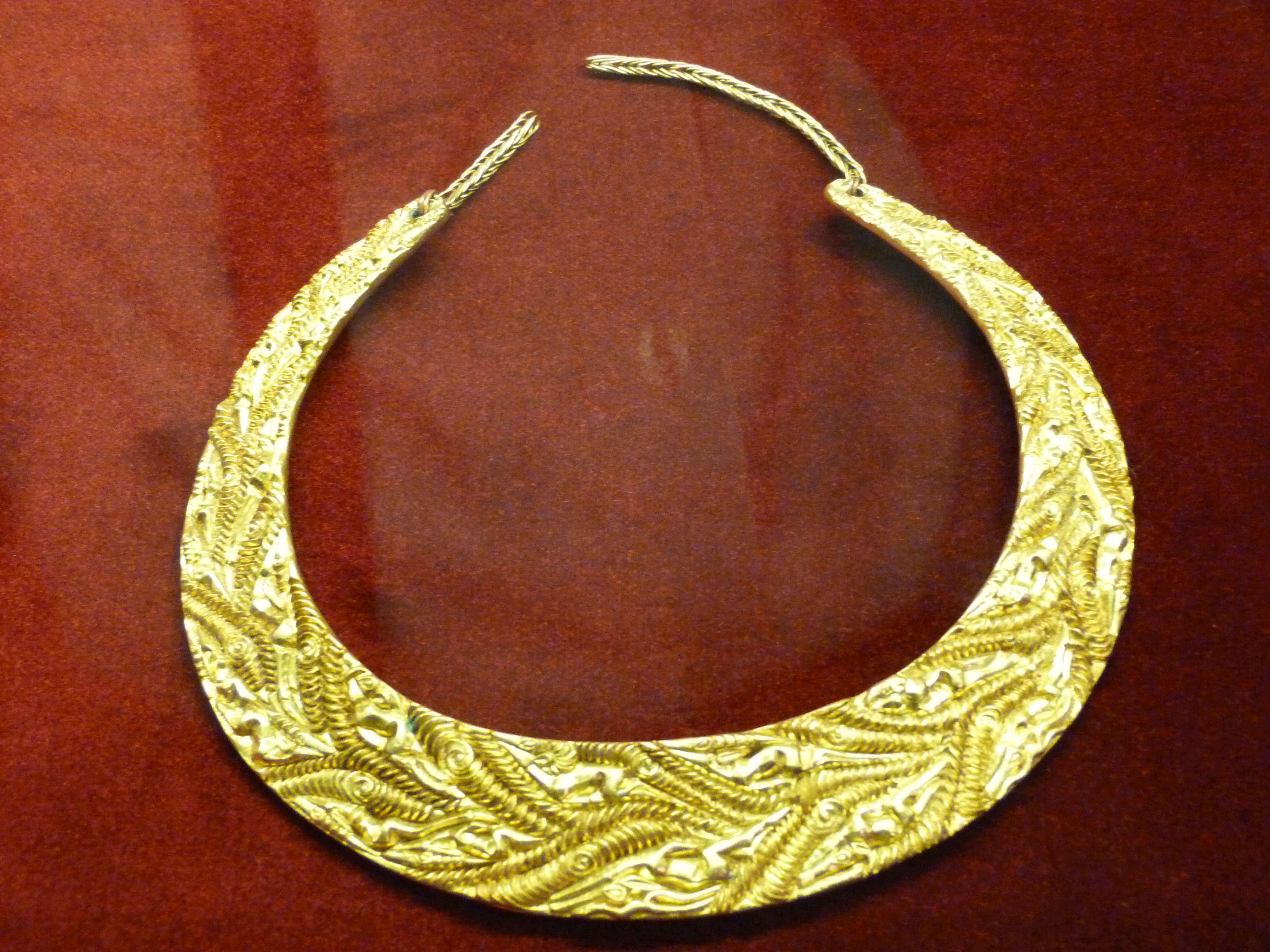
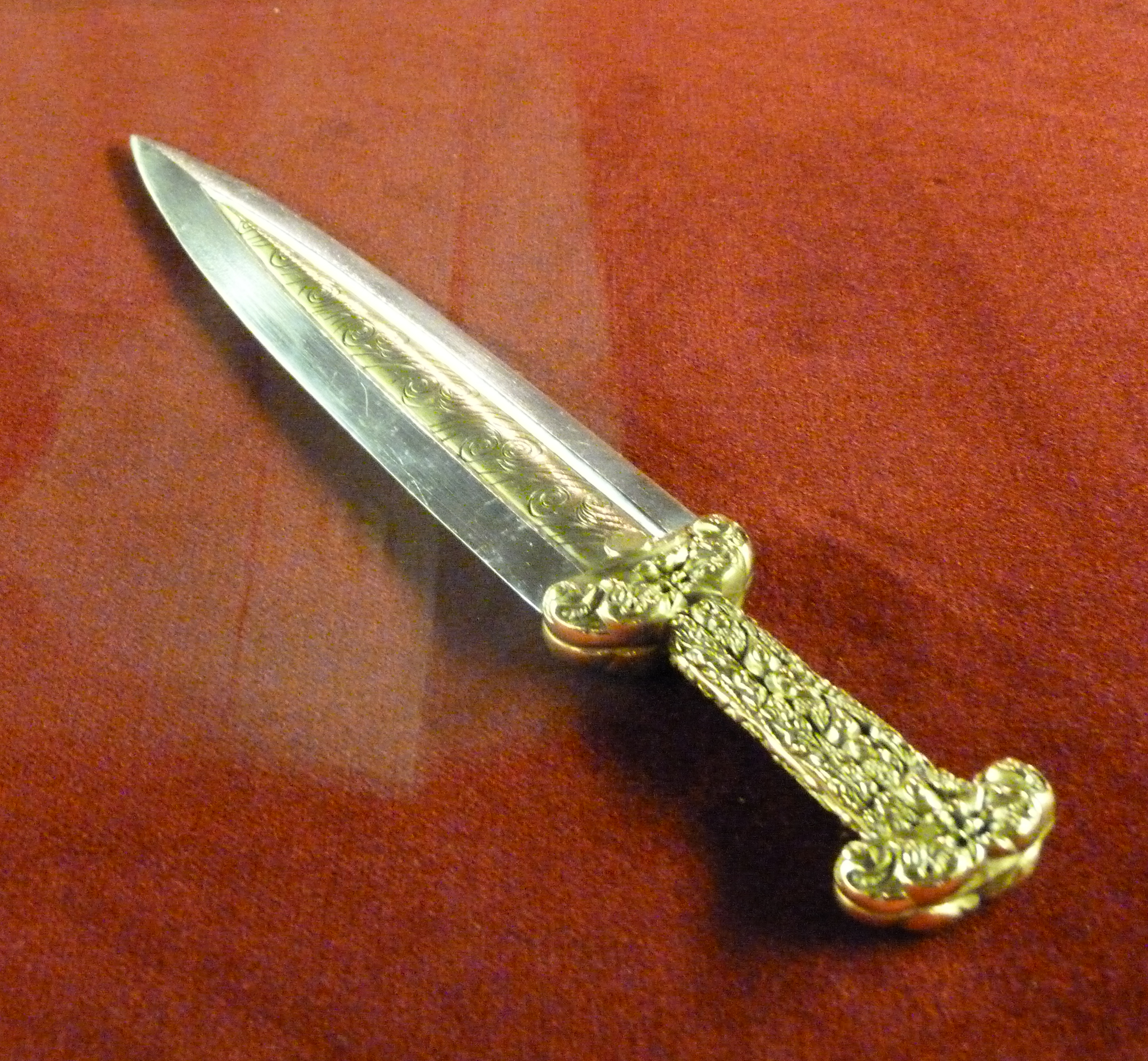
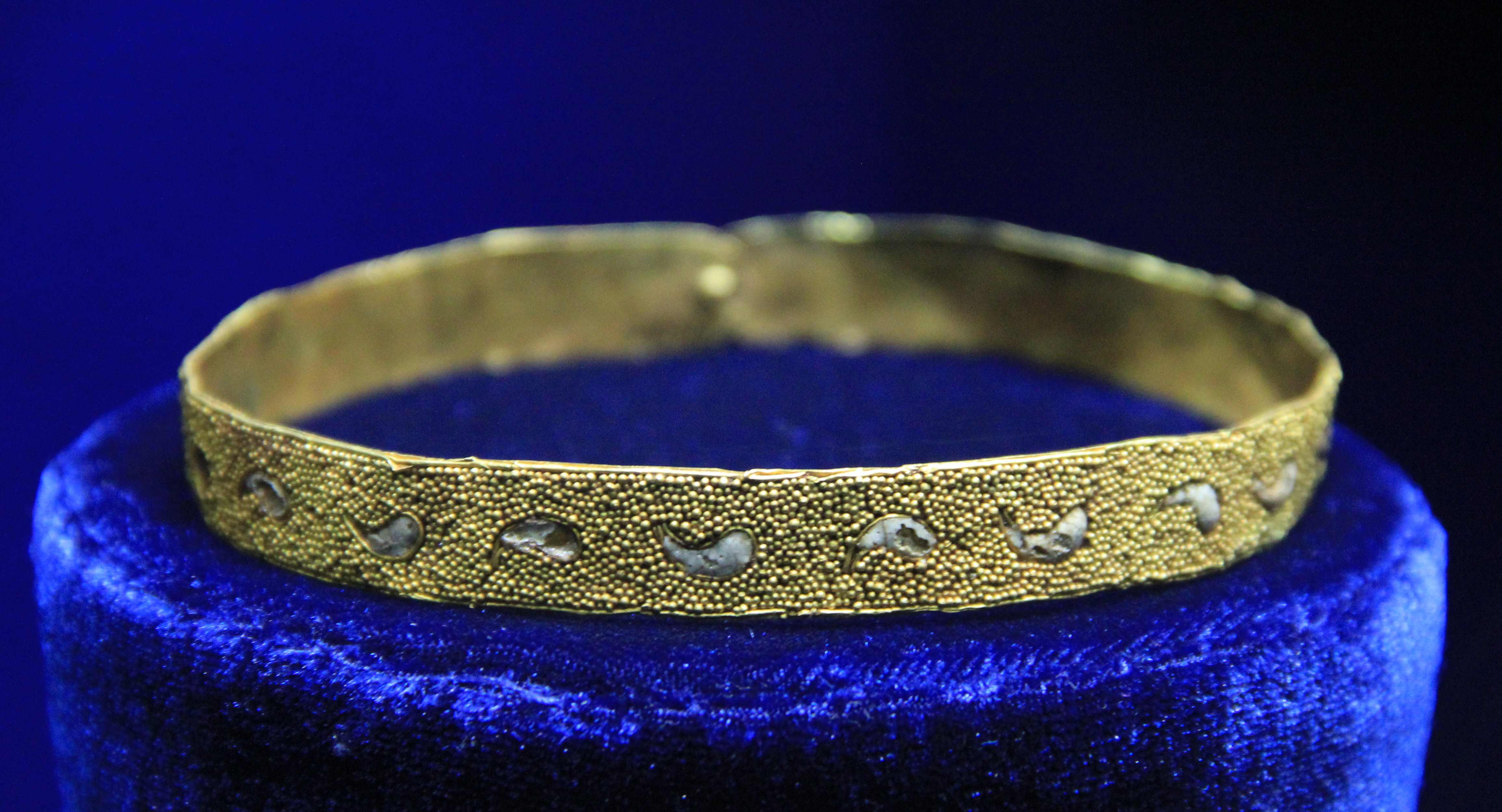
The Arzhan site, located in the Tuva Republic of Russia, is a significant archaeological site known for its early Scythian kurgan burials. This site is pivotal in understanding the origins of Scythian culture, particularly their unique 'Animal Style' art. The site features several kurgans, including Arzhan 1, carbon-dated to circa 800 BCE, and Arzhan 2, dated to 650-600 BCE. These burials, rich with grave goods such as gold artifacts and horse remains, provide insights into the early Scythian lifestyle and their expansive cultural influence across Eurasia. The discovery of petroglyphs resembling deer stones further highlights the site's cultural significance. Genetic studies have revealed a blend of Western and Eastern Eurasian ancestries among the buried individuals, emphasizing a complex network of cultural interactions during the Early Iron Age.
Gallery
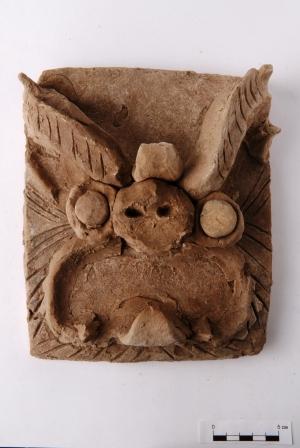
Explore photographs of ancient structures, artifacts, and archaeological excavations
Historical Timeline
Journey through time and discover key events in this site's history
Early Scythian Culture Emergence
circa 800 BCE
Arzhan 2 Royal Burial
650-600 BCE
Archaeological Features
Unique architectural and cultural elements found at this historical site
Burial and Funerary Structures
Artistic and Decorative Features
Frequently Asked Questions
Plan Your Visit
Tours, travel arrangements, and practical information
More Sites in Russia
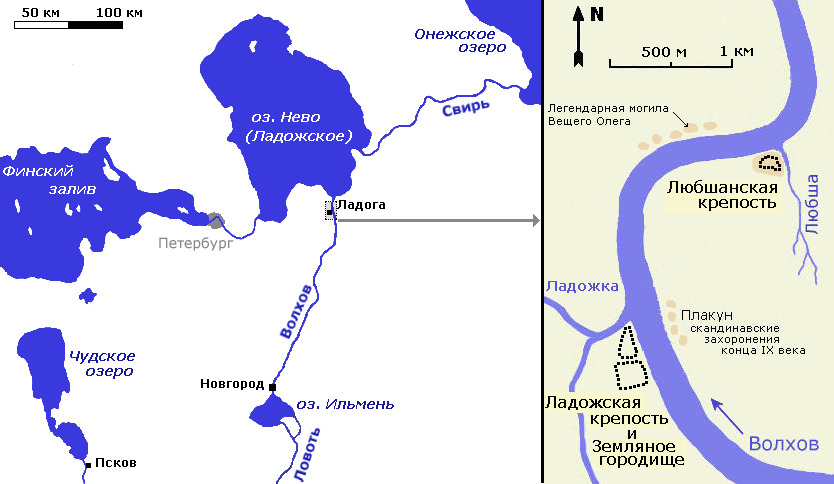
Lyubsha
Early Slavic fortification predating Staraya Ladoga.
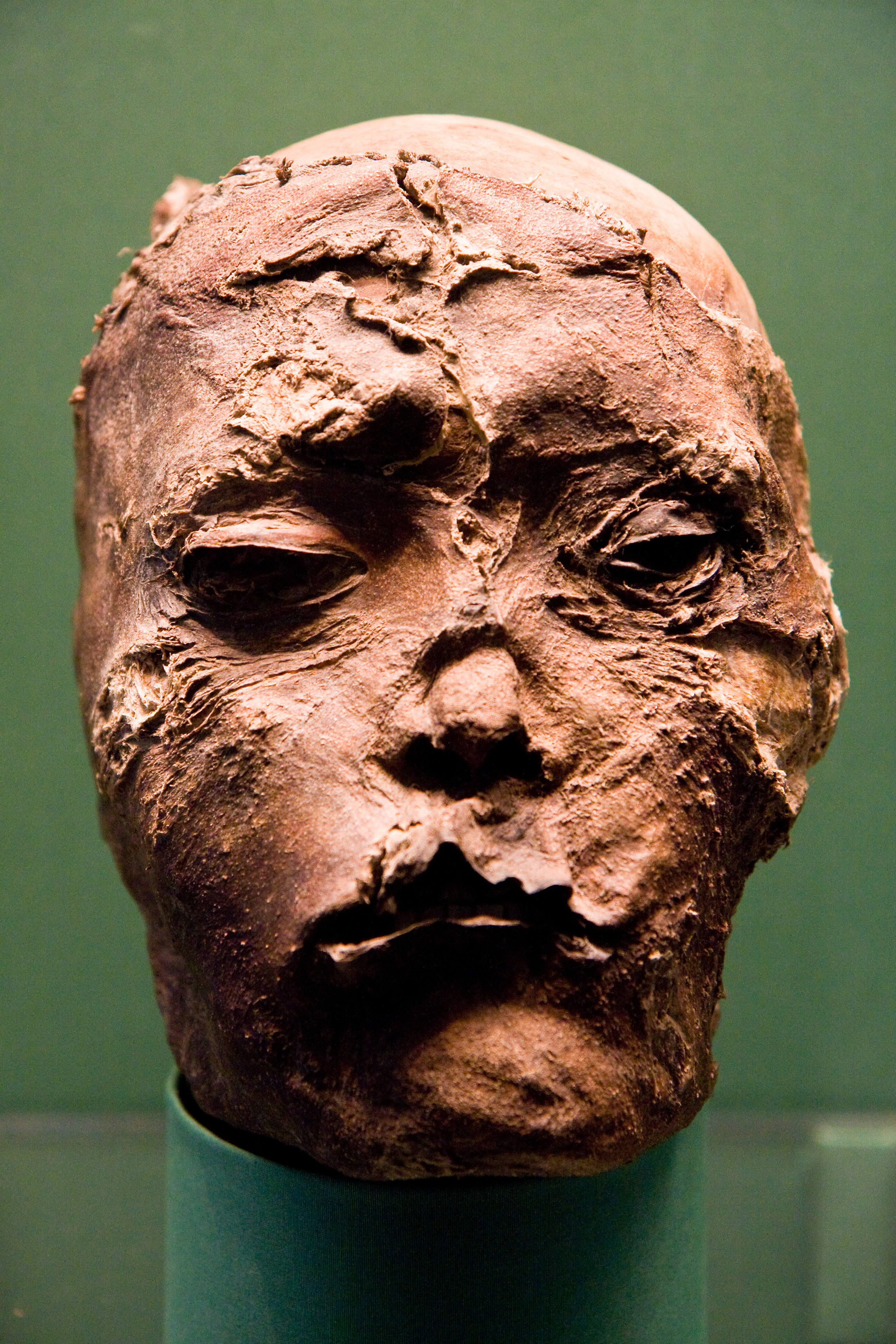
Pazyryk burials
Iron Age Scythian burial mounds
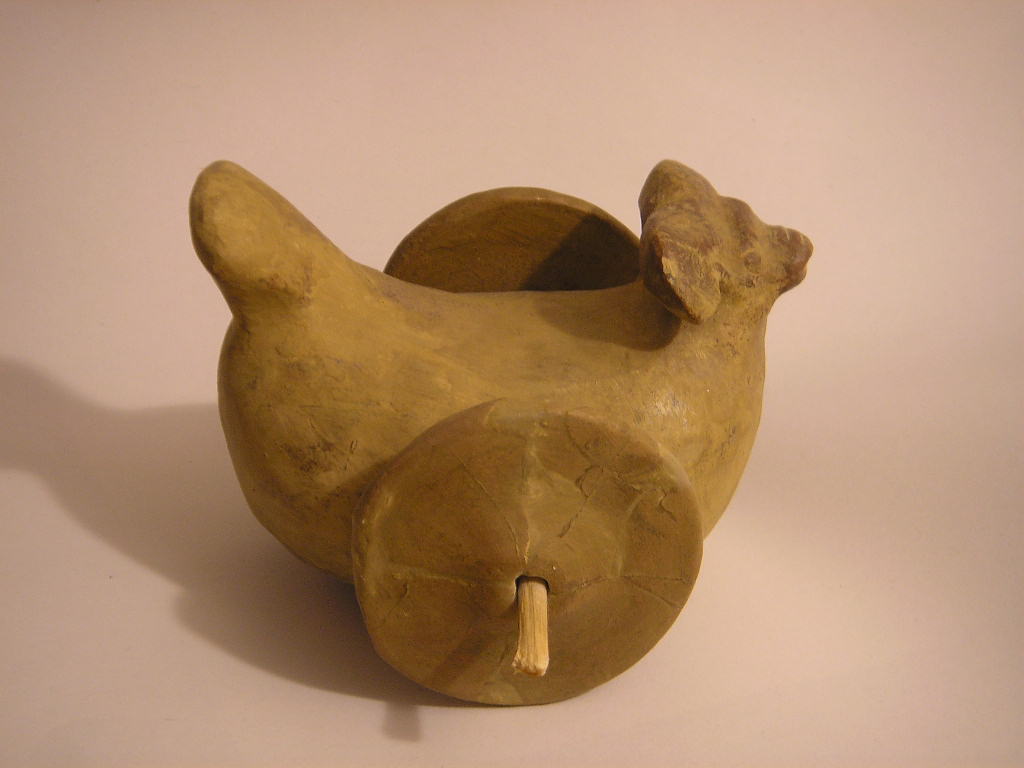
Ivolga archaeological site
Xiongnu fortified city in Buryatia, Russia.
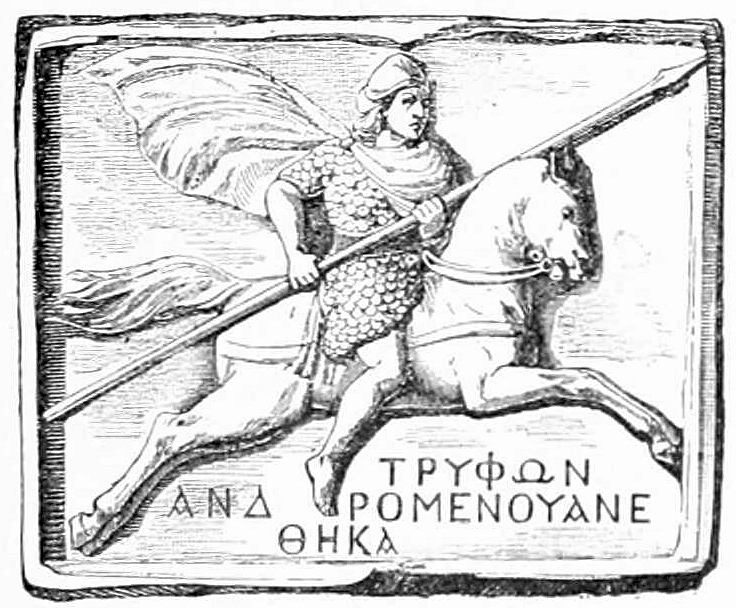
Tanais
Ancient Greek city in Don River delta
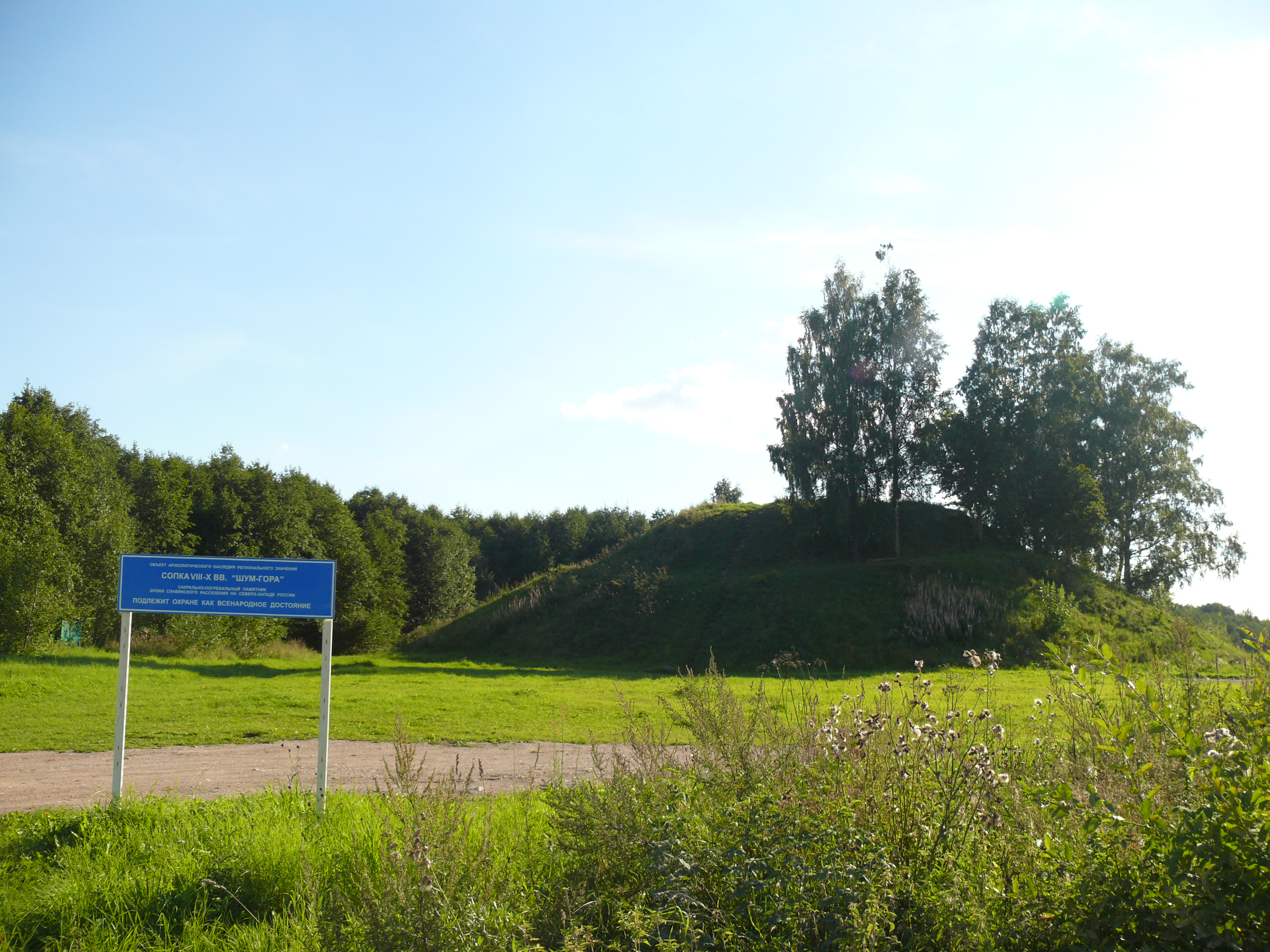
Shum-gora
Massive kurgan with ritual significance.
Por-Bazhyn
Ruined Uyghur palace on mountain lake island