Explore the Map
Filippovka kurgans
51.3430° N, 54.1170° E
About
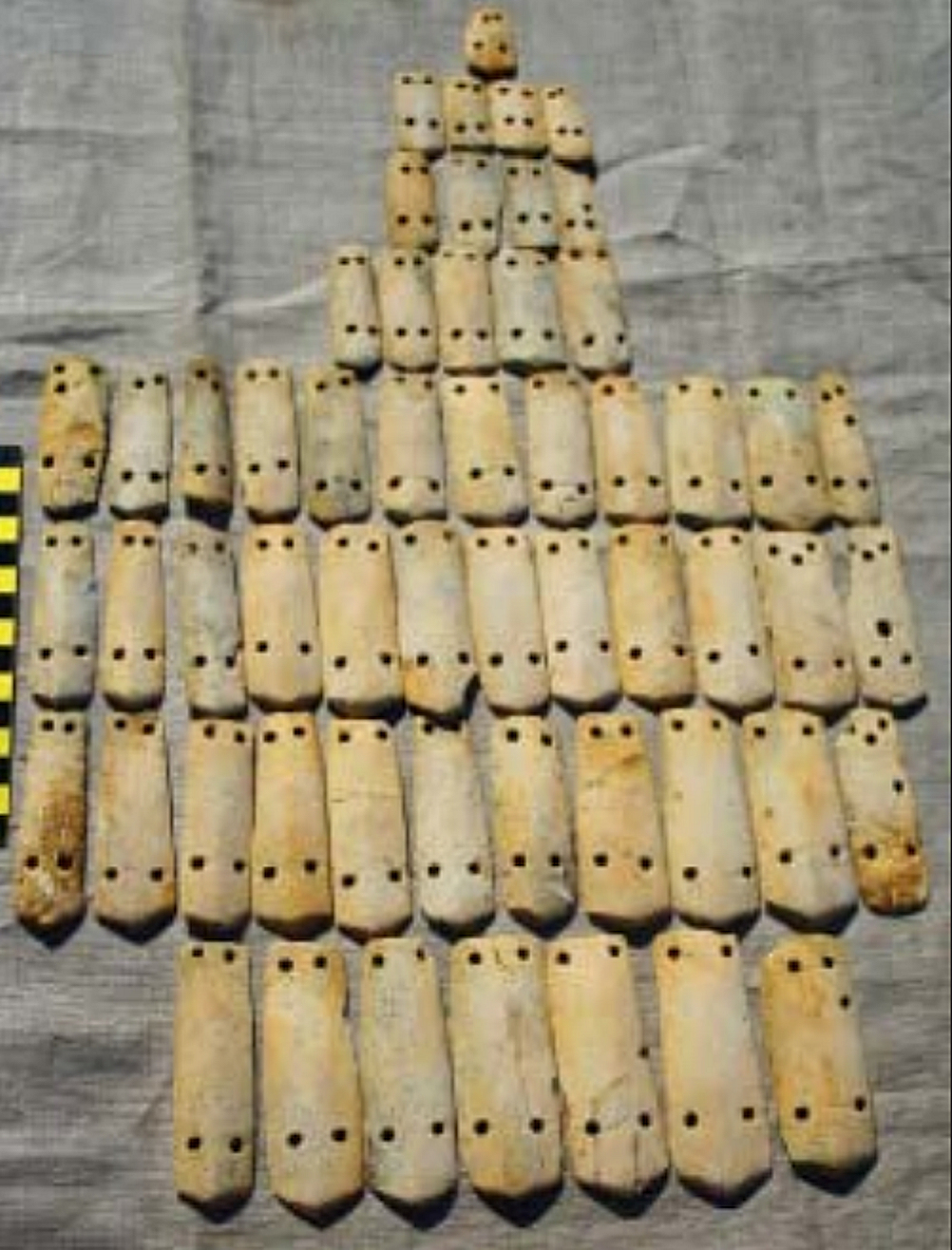
The Filippovka kurgans, located in the Orenburg region of Russia, represent a significant archaeological site from the Late-Sauromatian to Early-Sarmatian periods, dating back to approximately 450-300 BCE. These burial mounds serve as a transition site between the Sauromatian and Sarmatian epochs. The kurgans are renowned for their Scythian Animal Style artifacts, with some pieces showcasing Achaemenid stylistic influences, suggesting possible craftsmanship by Achaemenid artisans for the local nomads. The Filippovka site reveals a complex cultural and ethnic intermingling, with anthropological findings indicating a blend of Western and Eastern characteristics. The discovery of weaponry and armor provides insights into the Early Sarmatian heavy-armed warriors, highlighting the fusion of cultural practices in this region during the Middle Iron Age.
Gallery
Explore photographs of ancient structures, artifacts, and archaeological excavations
Historical Timeline
Journey through time and discover key events in this site's history
Transition to Early Sarmatian
450-300 BCE
Archaeological Features
Unique architectural and cultural elements found at this historical site
Military Installations
Burial and Funerary Structures
Frequently Asked Questions
Plan Your Visit
Tours, travel arrangements, and practical information
More Sites in Russia
Tanais
Ancient Greek city in Don River delta
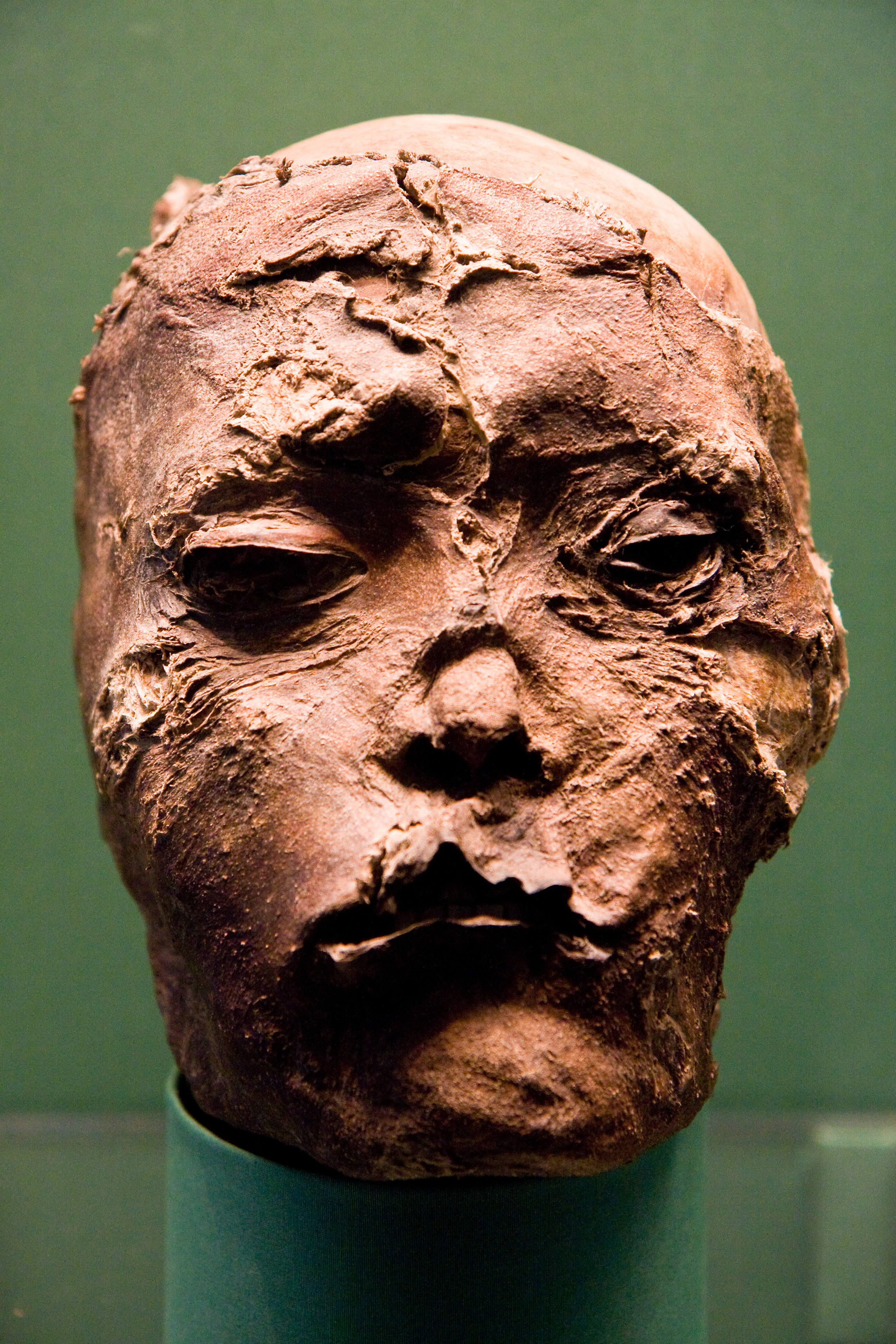
Pazyryk burials
Iron Age Scythian burial mounds
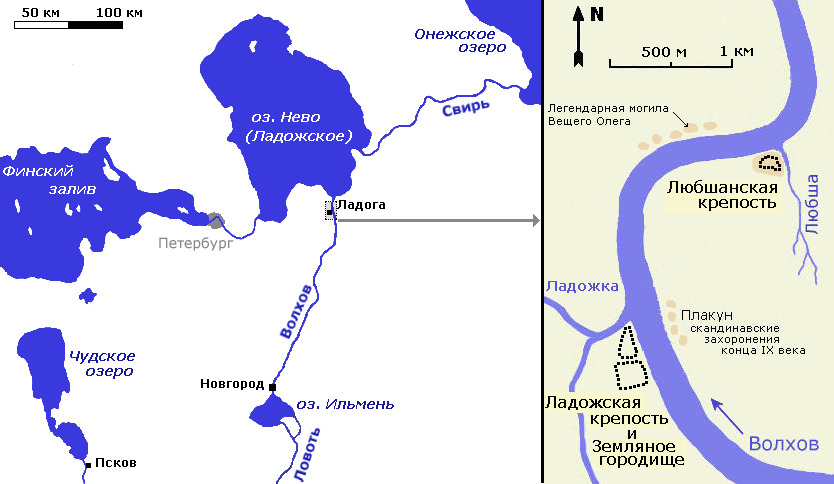
Lyubsha
Early Slavic fortification predating Staraya Ladoga.
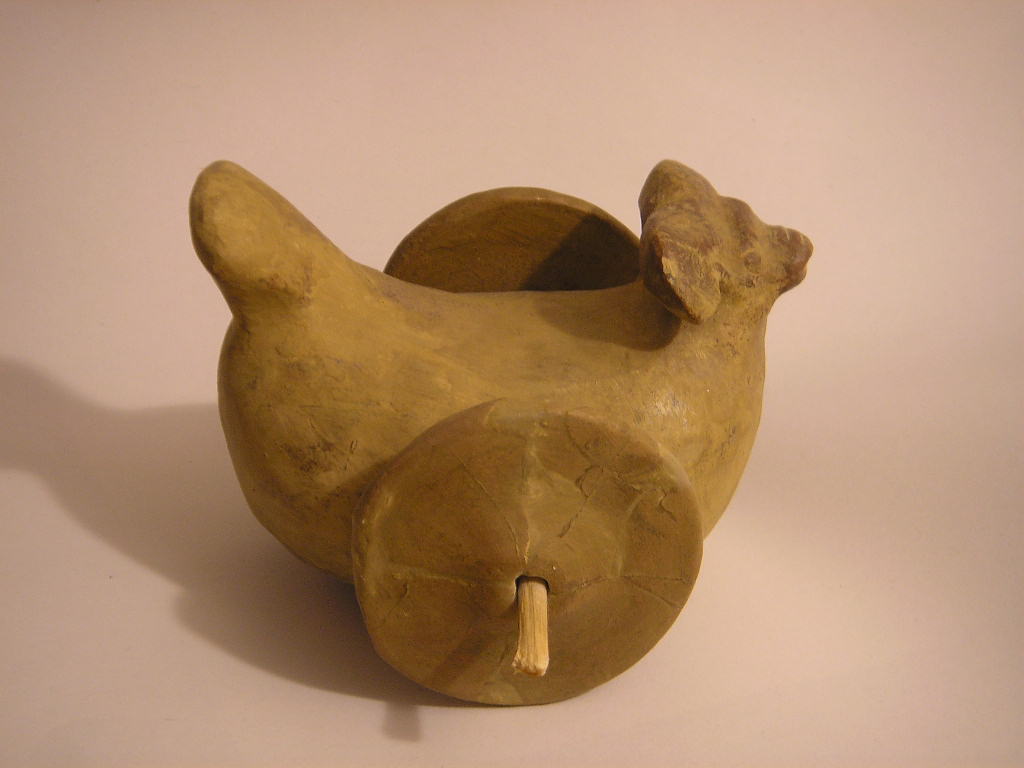
Ivolga archaeological site
Xiongnu fortified city in Buryatia, Russia.
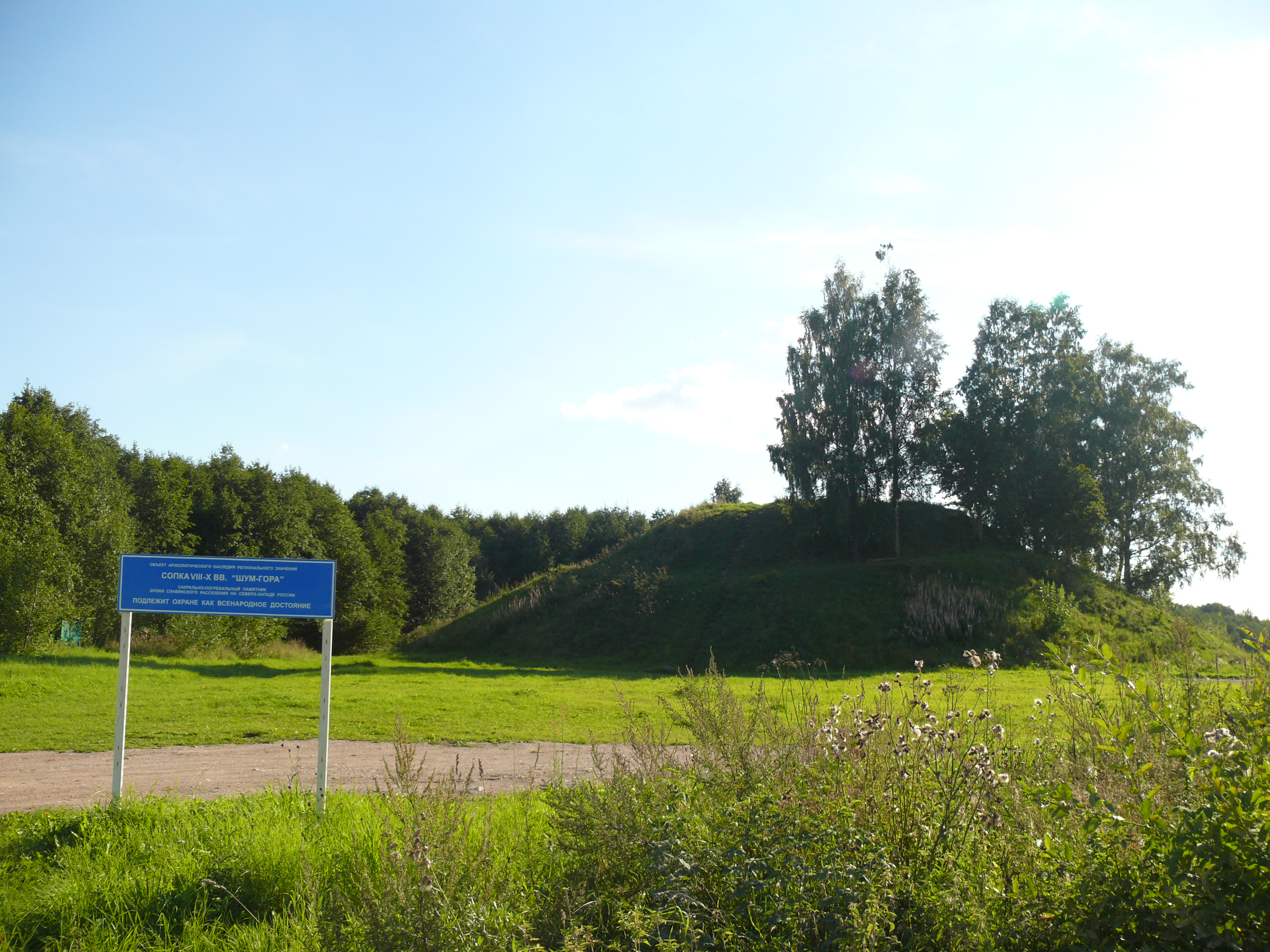
Shum-gora
Massive kurgan with ritual significance.
Timerevo
Unfortified Scandinavian trade outpost near Volga.