Explore the Map
Shum-gora
58.5064° N, 30.2453° E
About
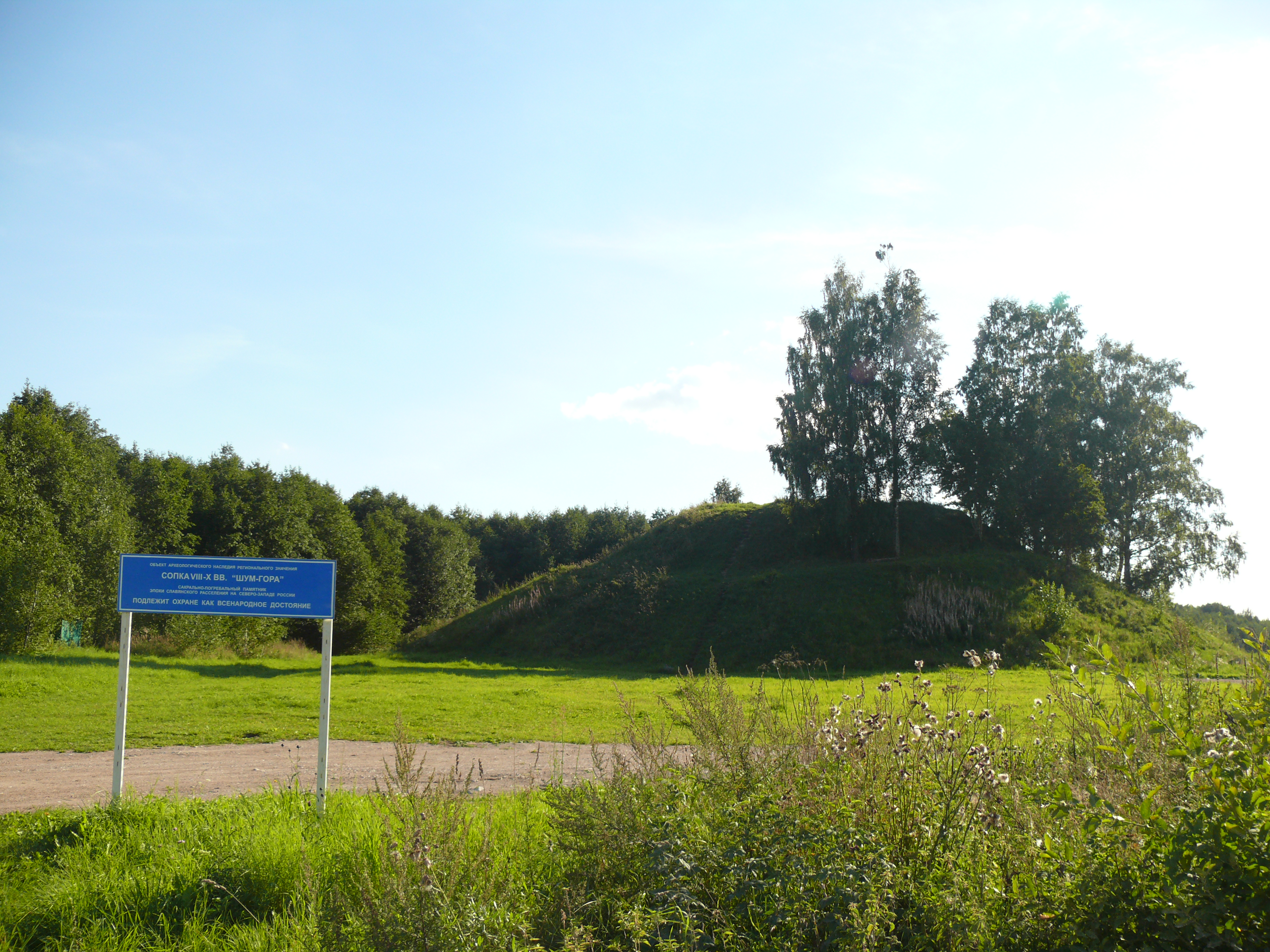
Shum Gora, known as 'Noise Hill,' is a large kurgan located in northwestern Russia, near the Luga River. This archaeological site is distinguished by its significant size, measuring 14.6 meters in height and 70 meters in diameter, comparable to the largest tumuli of the Migration Era in Scandinavia. Historically, the site was a focal point for local liturgical practices, where people participated in ritual processions and made offerings in a pit at the summit, believed to have healing properties. Although no formal excavations have taken place, georadar surveys have been conducted to explore its structure. The site's cultural importance is further emphasized by the belief in the miraculous powers of its sand, drawing pilgrims from far distances. Shum Gora is a key example of the intersection between archaeological and cultural heritage in the region.
Gallery
Explore photographs of ancient structures, artifacts, and archaeological excavations

Historical Timeline
Journey through time and discover key events in this site's history
19th Century Ritual Practices
19th Century CE
Archaeological Features
Unique architectural and cultural elements found at this historical site
Miscellaneous Features
Burial and Funerary Structures
Religious and Ritual Structures
Frequently Asked Questions
Plan Your Visit
Tours, travel arrangements, and practical information
More Sites in Russia

Veliky Novgorod
Historic city with medieval structures and artifacts.
Peremyshl, Muscovy
Medieval fortress and village site
Timerevo
Unfortified Scandinavian trade outpost near Volga.
Semikarakorsk Fortress
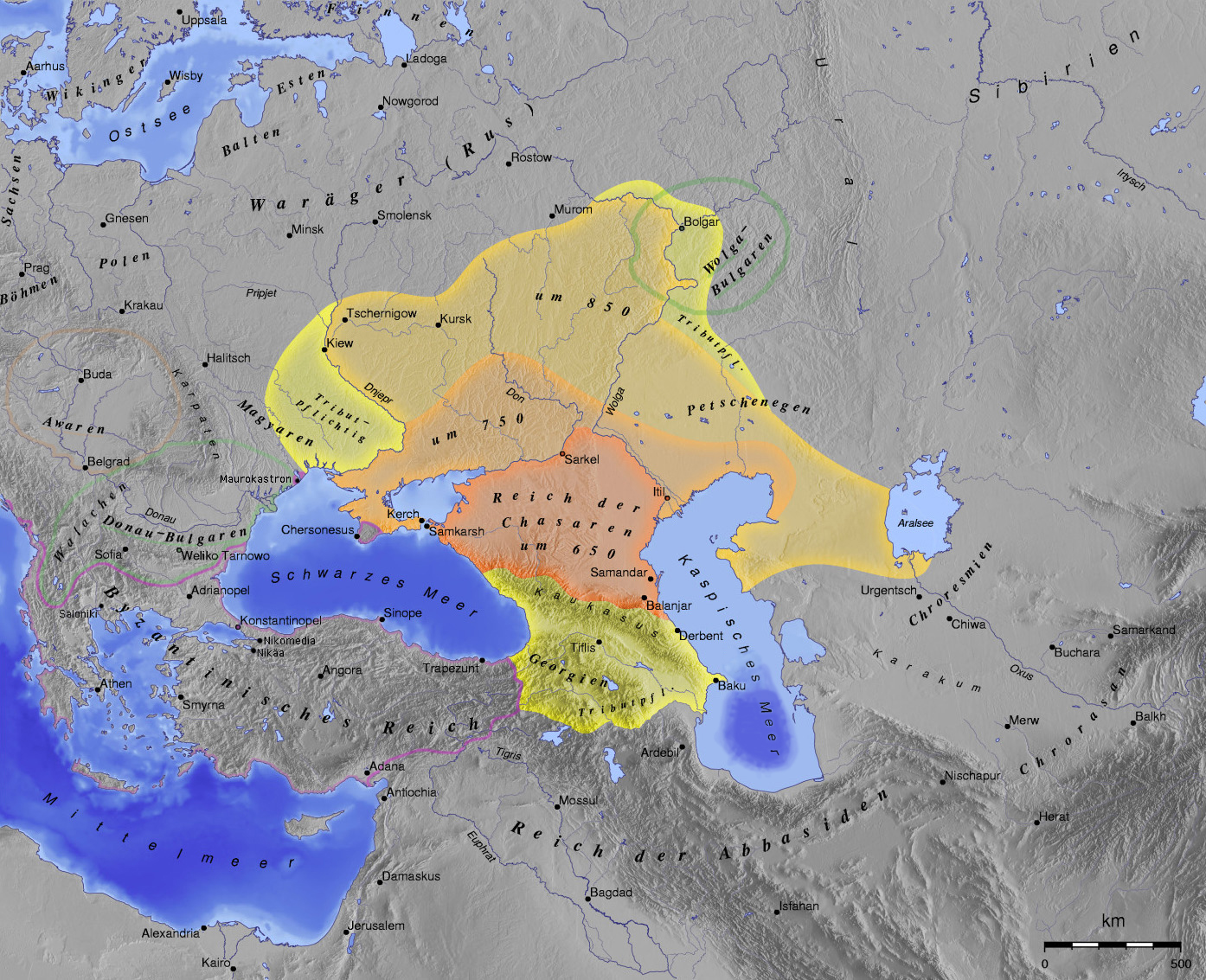
Early medieval Khazar fortress on island hill.

Tanais
Ancient Greek city in Don River delta
Sarkel
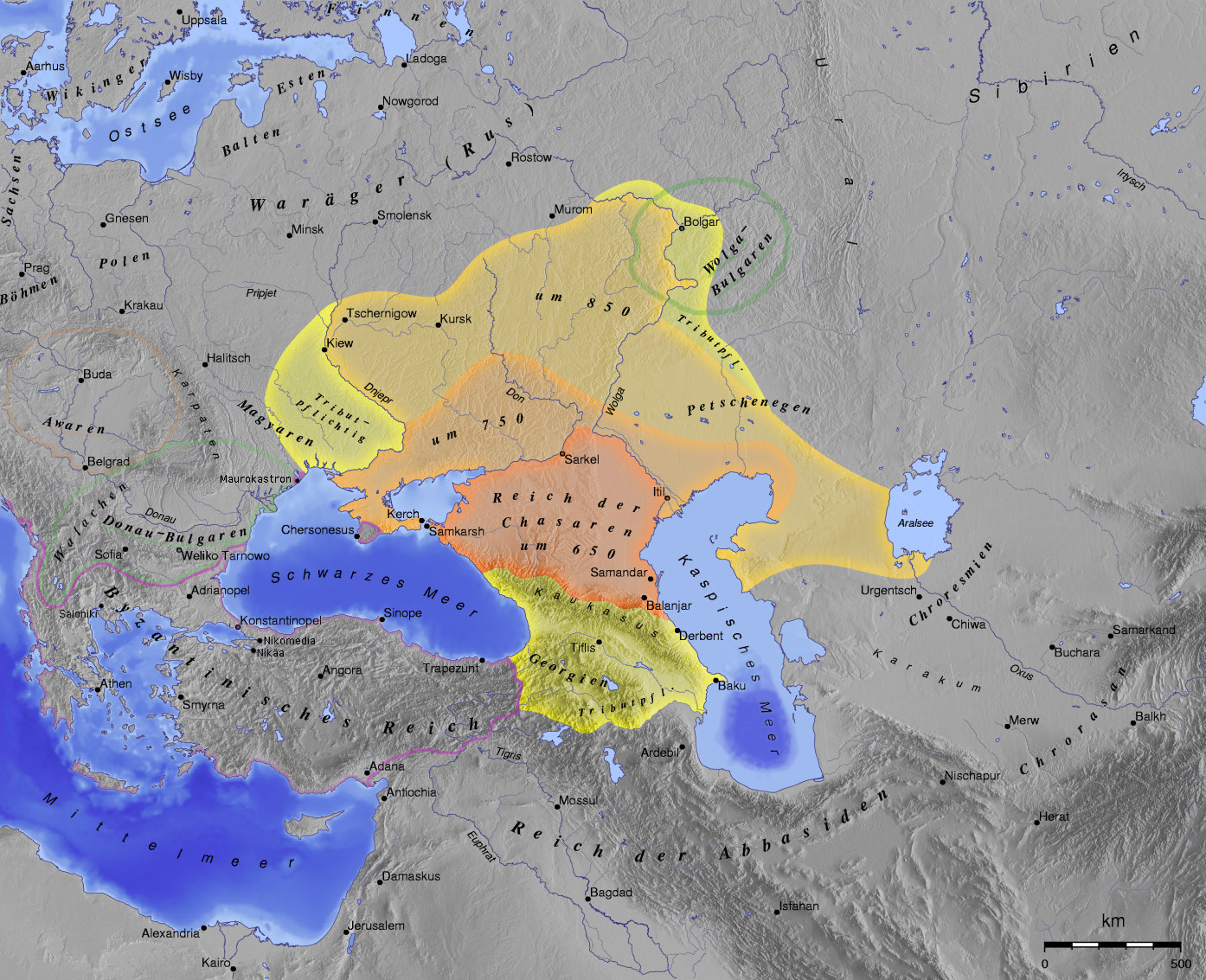
Khazar limestone-and-brick fortress on Don River