Explore the Map
Salbyk kurgan
53.8943° N, 90.7738° E
About
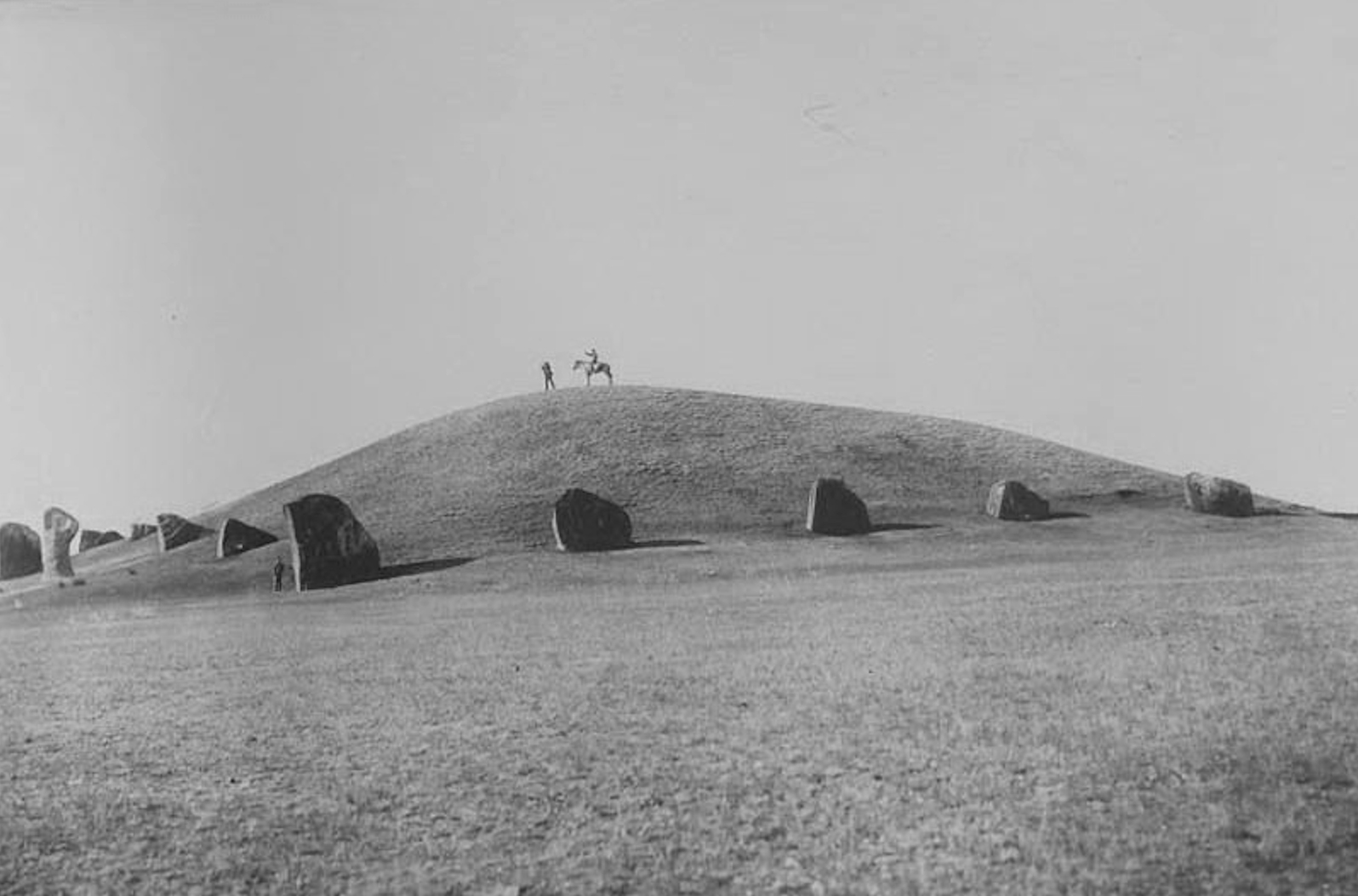
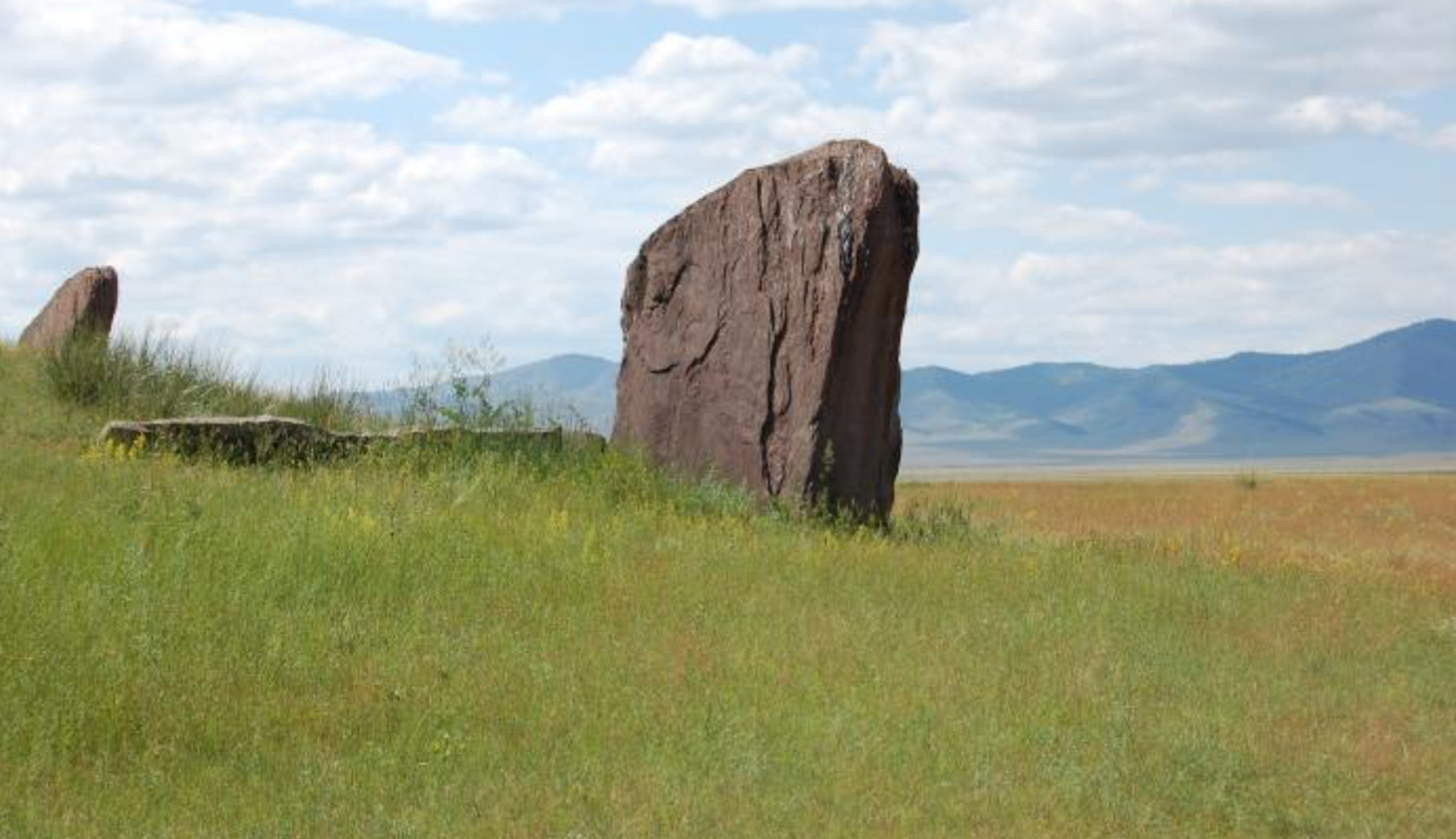
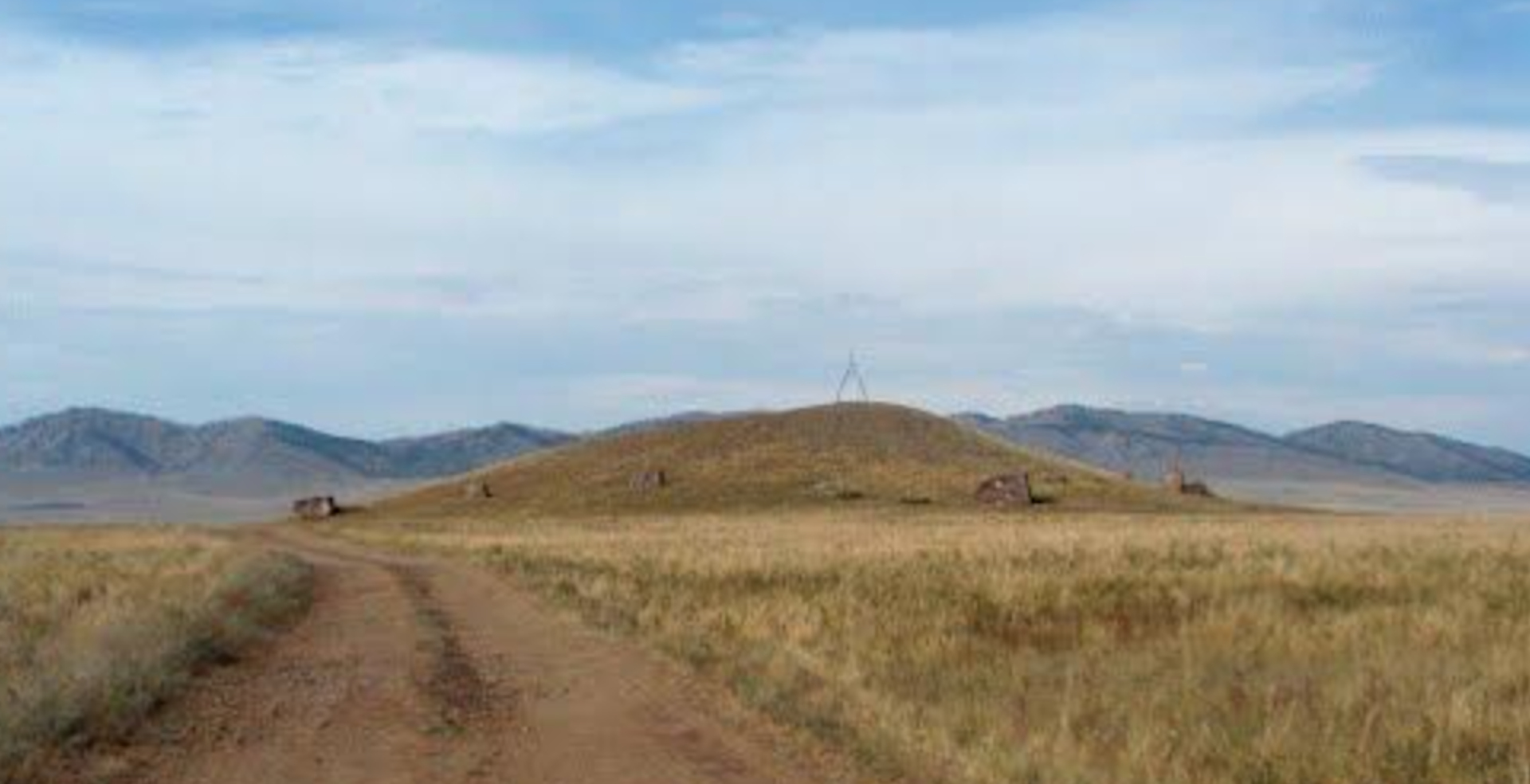
The Salbyk kurgan, also known as the Great Salbyk kurgan, is an impressive archaeological site located in the Minusinsk hollow of Khakassia, Russia. It is the largest tumulus associated with the Tagar culture, dating back to the Early to Middle Iron Age, approximately 500-300 BCE. This monumental funerary structure served as the tomb for a noble Saka man, accompanied by his slaves and wives. The tumulus originally featured a square pyramidal shape and reached a height of 11 meters, with a circumference of about 500 meters. Surrounding the kurgan are massive Devonian slabs, weighing between 50-70 tons, arranged to form a wall enclosure. These megaliths may have held an astronomical significance, potentially aligning with solar events throughout the year. Despite its grandeur, the kurgan was looted in antiquity. Its scale and construction reflect the social and cultural complexities of the Tagar culture.
Gallery
Explore photographs of ancient structures, artifacts, and archaeological excavations
Historical Timeline
Journey through time and discover key events in this site's history
Use as Saka Tomb
500 BCE
Construction of Salbyk Kurgan
500 BCE
Archaeological Features
Unique architectural and cultural elements found at this historical site
Burial and Funerary Structures
Astronomical and Timekeeping Structures
Frequently Asked Questions
Plan Your Visit
Tours, travel arrangements, and practical information
More Sites in Russia
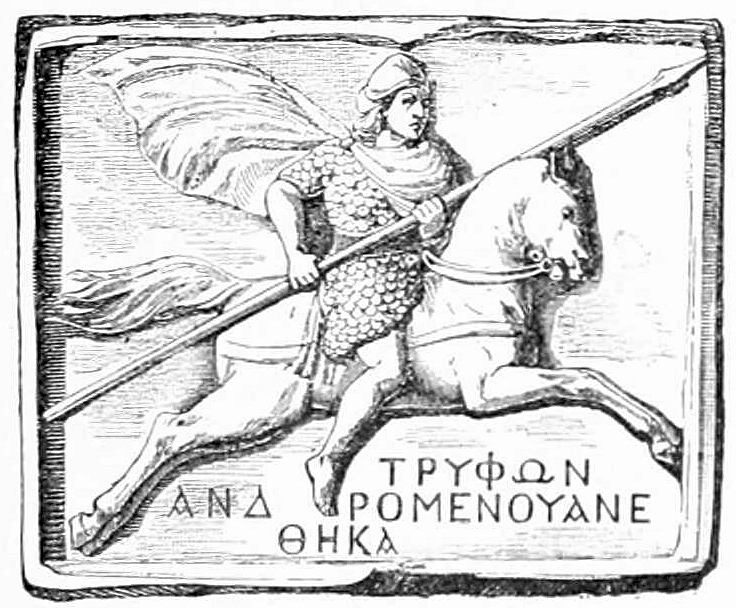
Tanais
Ancient Greek city in Don River delta
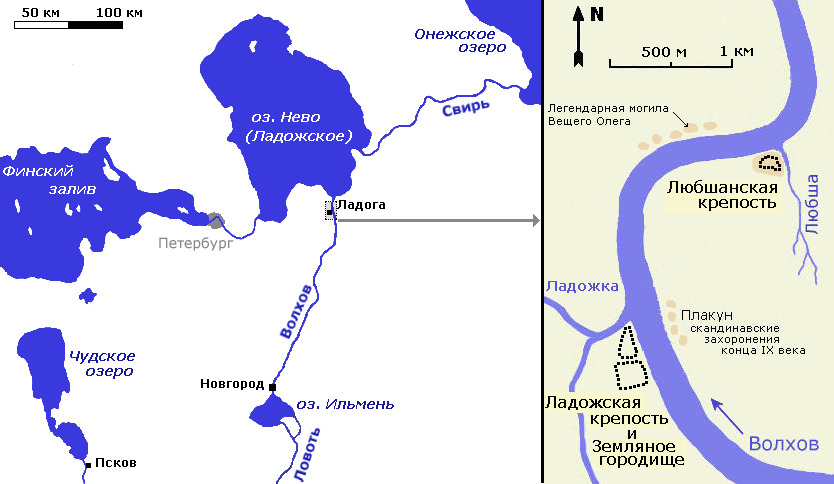
Lyubsha
Early Slavic fortification predating Staraya Ladoga.
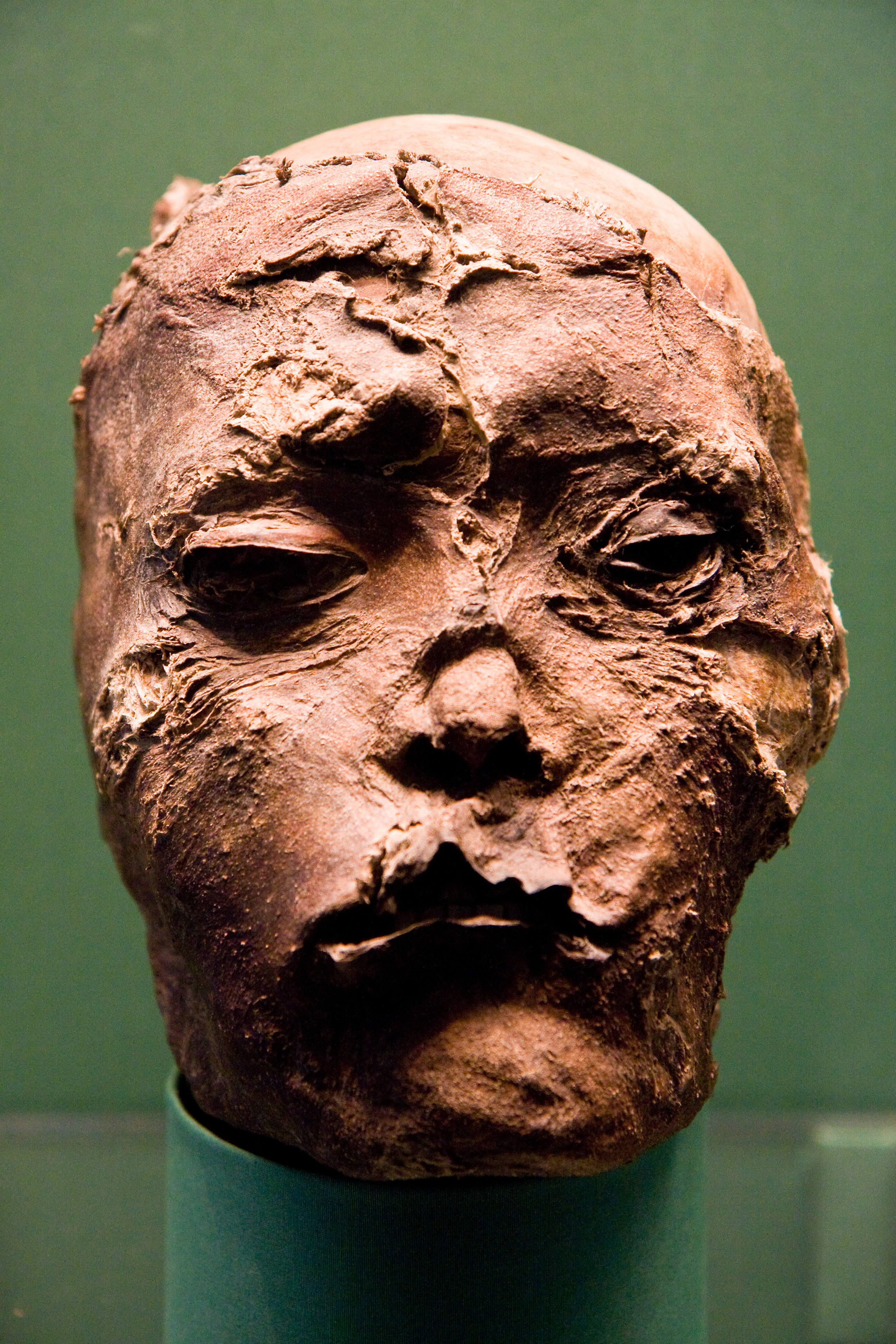
Pazyryk burials
Iron Age Scythian burial mounds
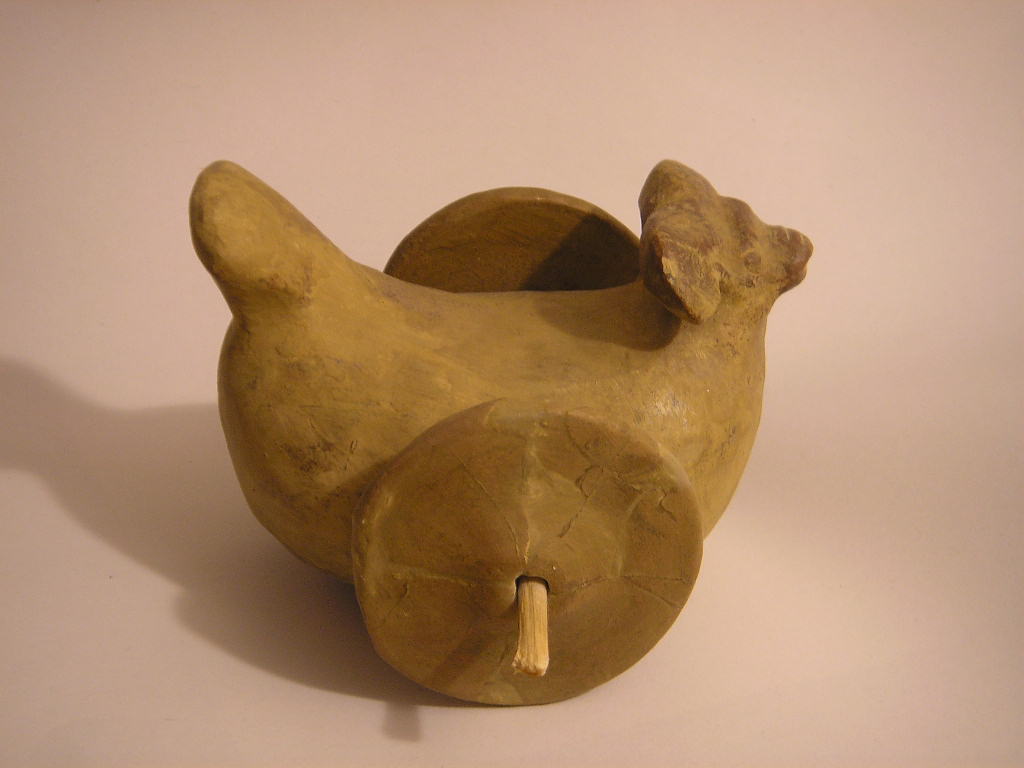
Ivolga archaeological site
Xiongnu fortified city in Buryatia, Russia.
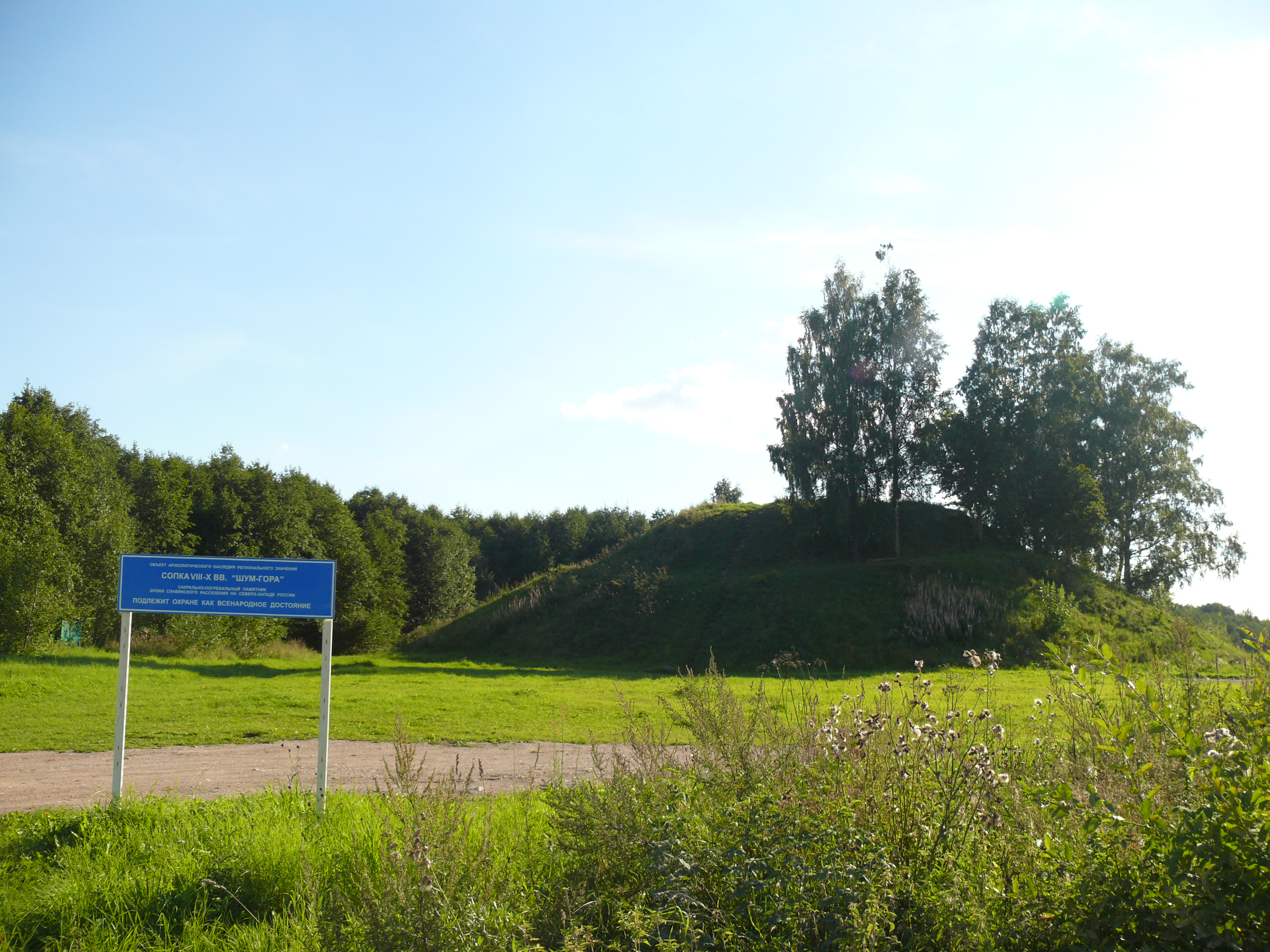
Shum-gora
Massive kurgan with ritual significance.
Khumar
Khumarinskoye gorodishche (Russian: Хумаринское городище) or Khumar is a ruined medieval fortress on the top of Mount Kalezh above the Kuban Gorge in