Time Periods
Paleolithic
Mesolithic
Neolithic
Chalcolithic
Bronze Age
Iron Age
Classical Period
Post-Classical Period
Early Modern Period
Industrial Period
Contemporary Period
Time Periods
Paleolithic
Mesolithic
Neolithic
Chalcolithic
Bronze Age
Iron Age
Classical Period
Post-Classical Period
Early Modern Period
Industrial Period
Contemporary Period
Location
About
The Kokel Culture, spanning the 1st to 5th centuries CE, represents an archaeological period in Southern Siberia's Tuva Republic, succeeding the fall of the Xiongnu Empire. Characterized by its burial and funerary structures, particularly graves, Kokel sites are often found alongside those from the Early Iron Age Saka cultures and the later Turkic period. These temporal overlaps highlight the cultural transitions in the region. The culture is also known as the Syyn-Churek or Shurmak culture, named after significant archaeological sites. This chronological positioning between the Xiongnu and the First Turkic Khaganate provides insights into the shifts in power and cultural practices in the region during the Late Iron Age and Early Classical Period.
Gallery
Explore photographs of ancient structures, artifacts, and archaeological excavations at Kokel culture
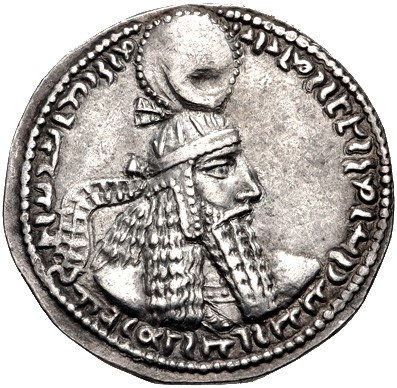
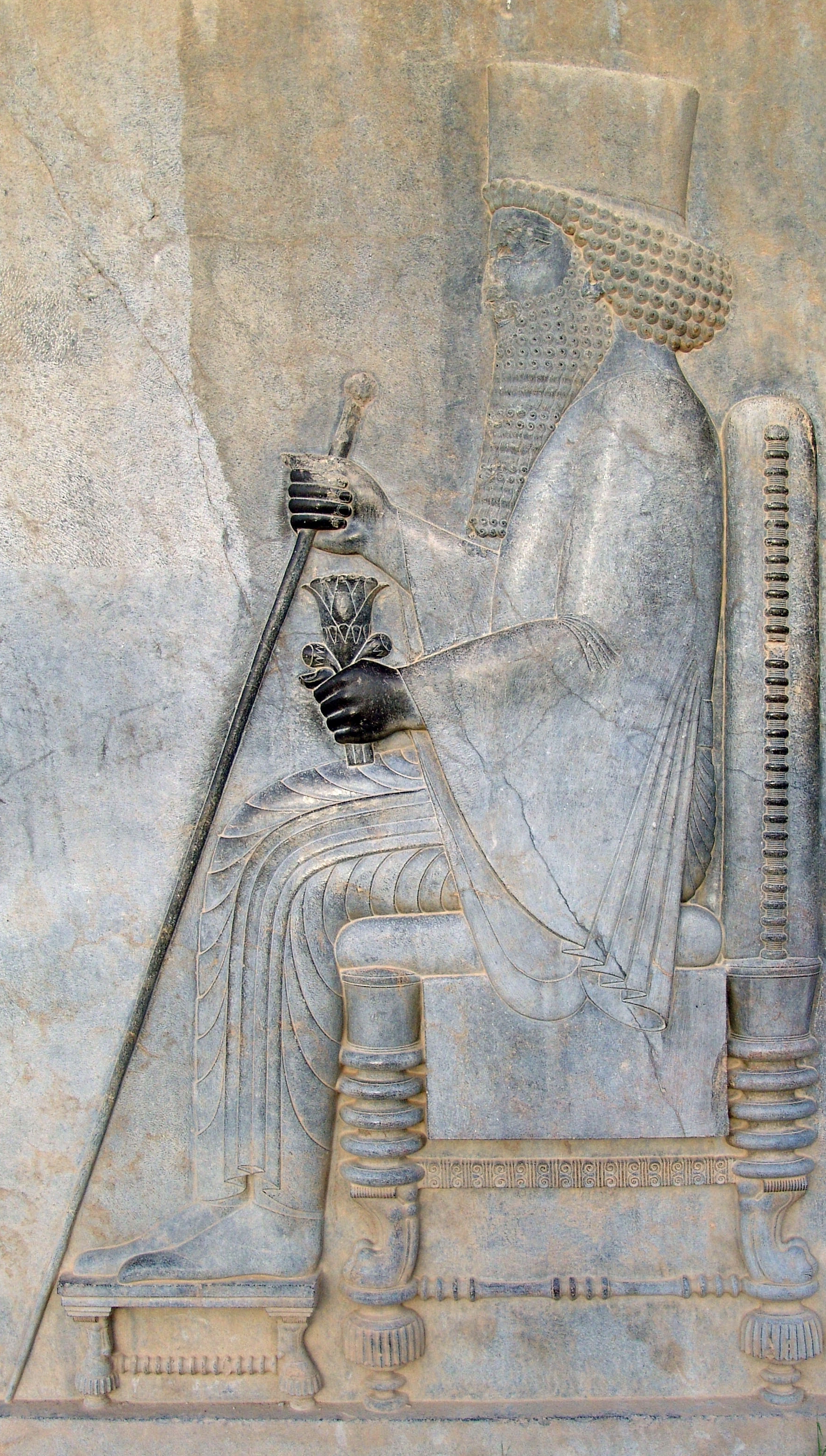

Archaeological Features
Explore the unique architectural and cultural elements found at this historical site
Burial and Funerary Structures
Historical Timeline
Journey through time and discover key events in this site's archaeological history
Plan Your Visit
Details
- Country
- Russia
- Source
- Wikipedia
More Sites in Russia
Voronezh
Ancient Slavic settlement and fortifications
Kobyakovo Settlement
Ancient fortified settlement near Don River.
Tanais
Ancient Greek city in Don River delta
Filippovka kurgans
Late-Sauromatian to Early-Sarmatian transition site
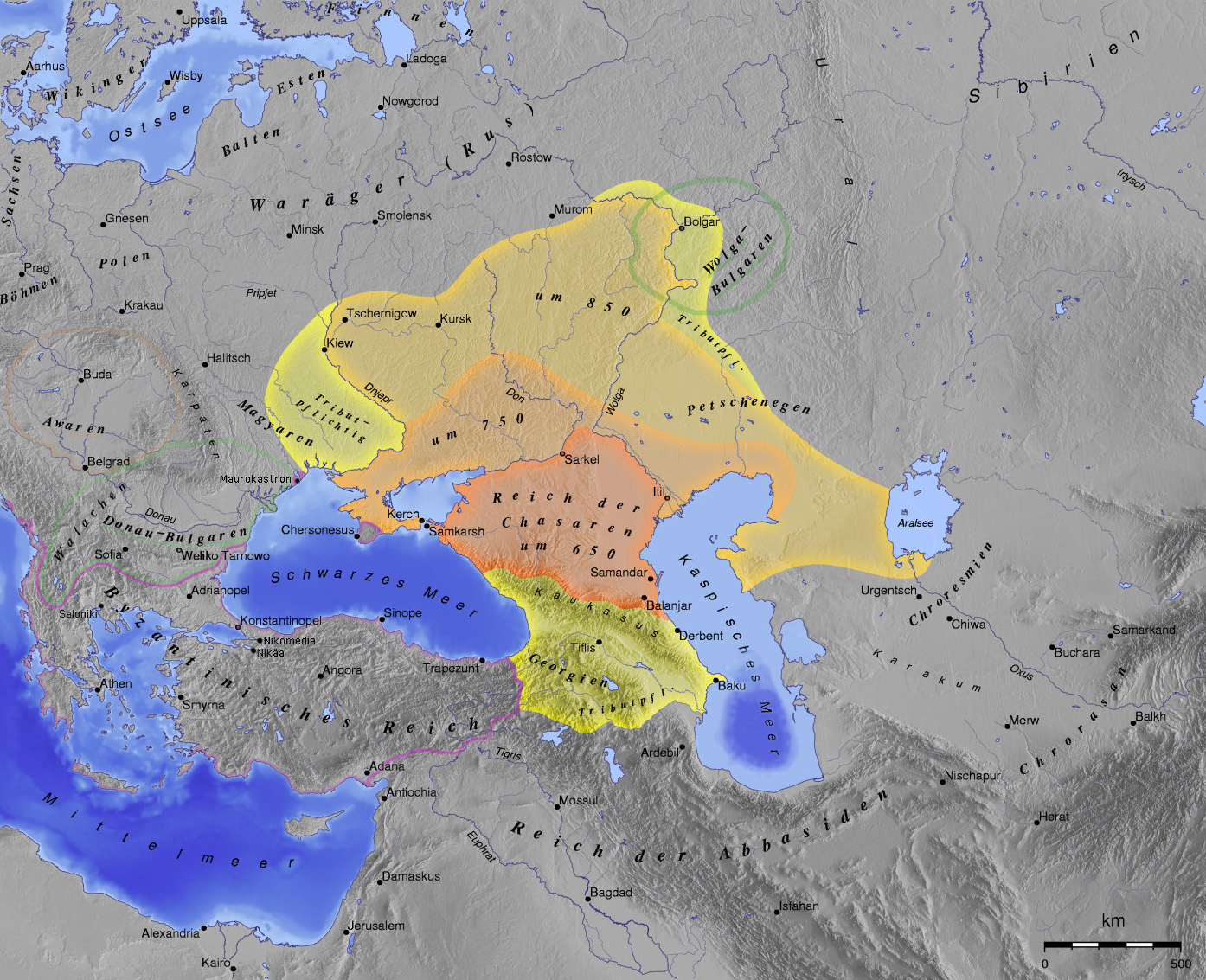
Tmutarakan
Medieval trading town, Kievan Rus principality
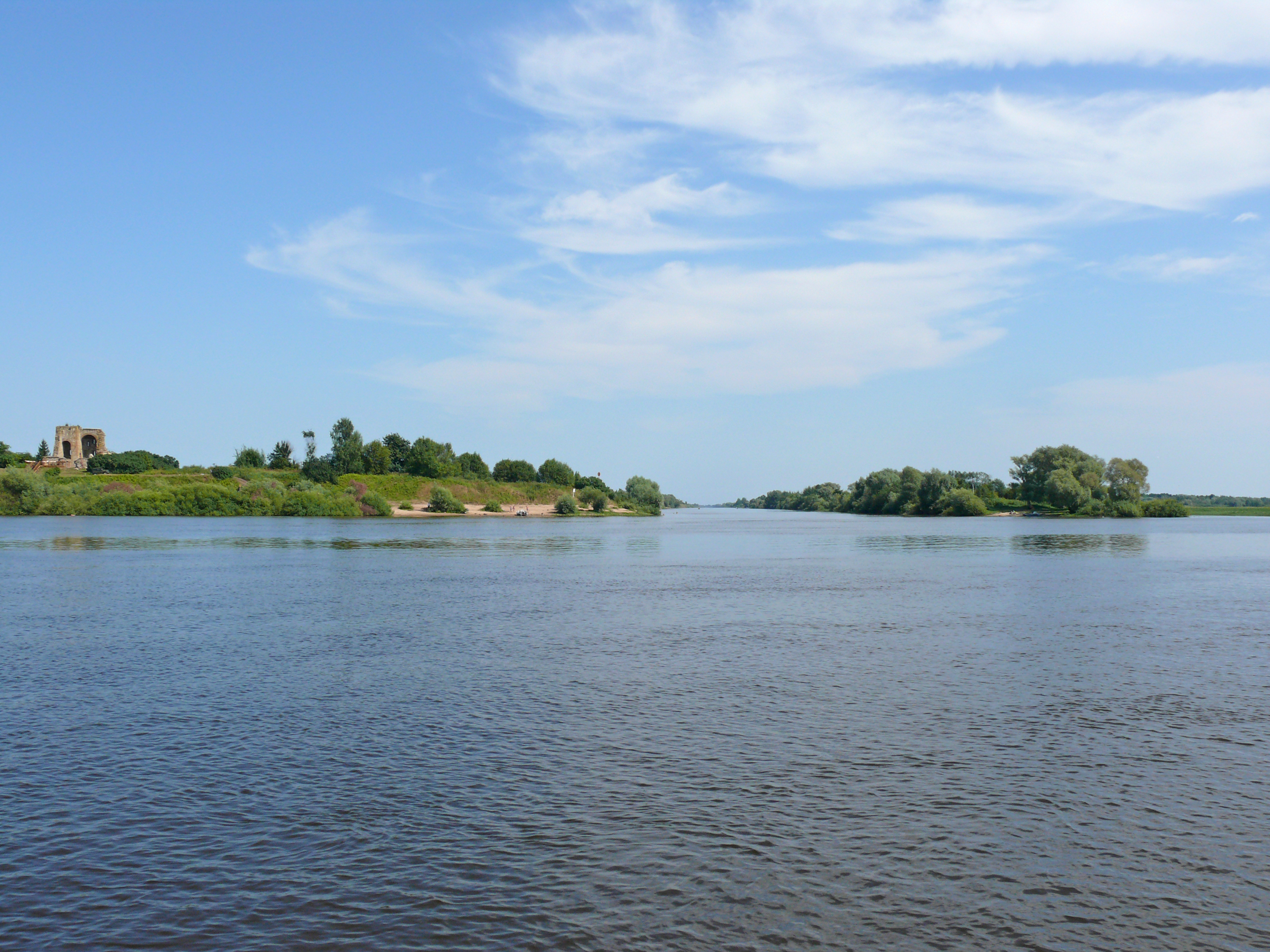
Rurikovo Gorodische
9th-century Slavic hillfort near Novgorod.