Explore the Map
Tmutarakan
45.2192° N, 36.7142° E
About
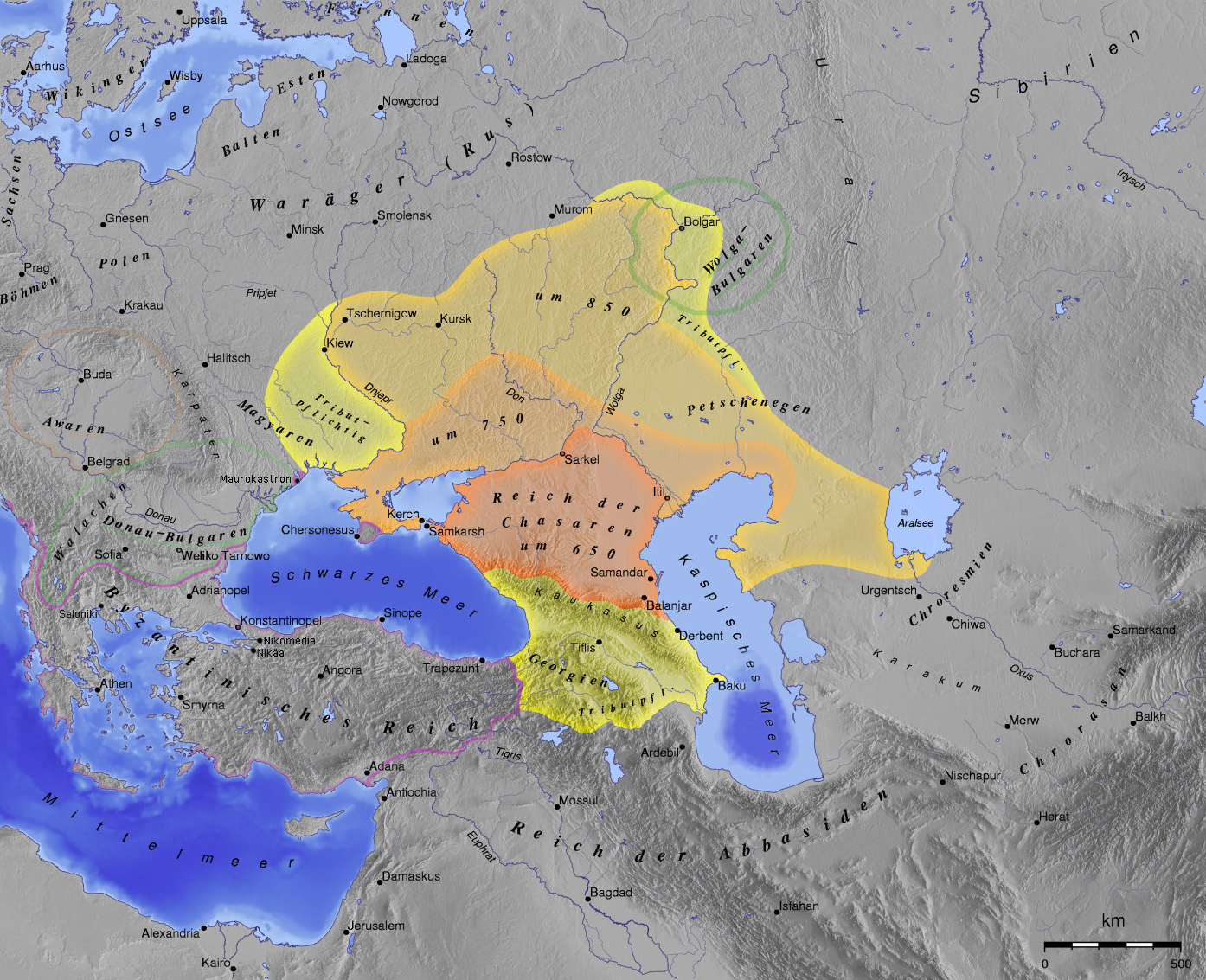
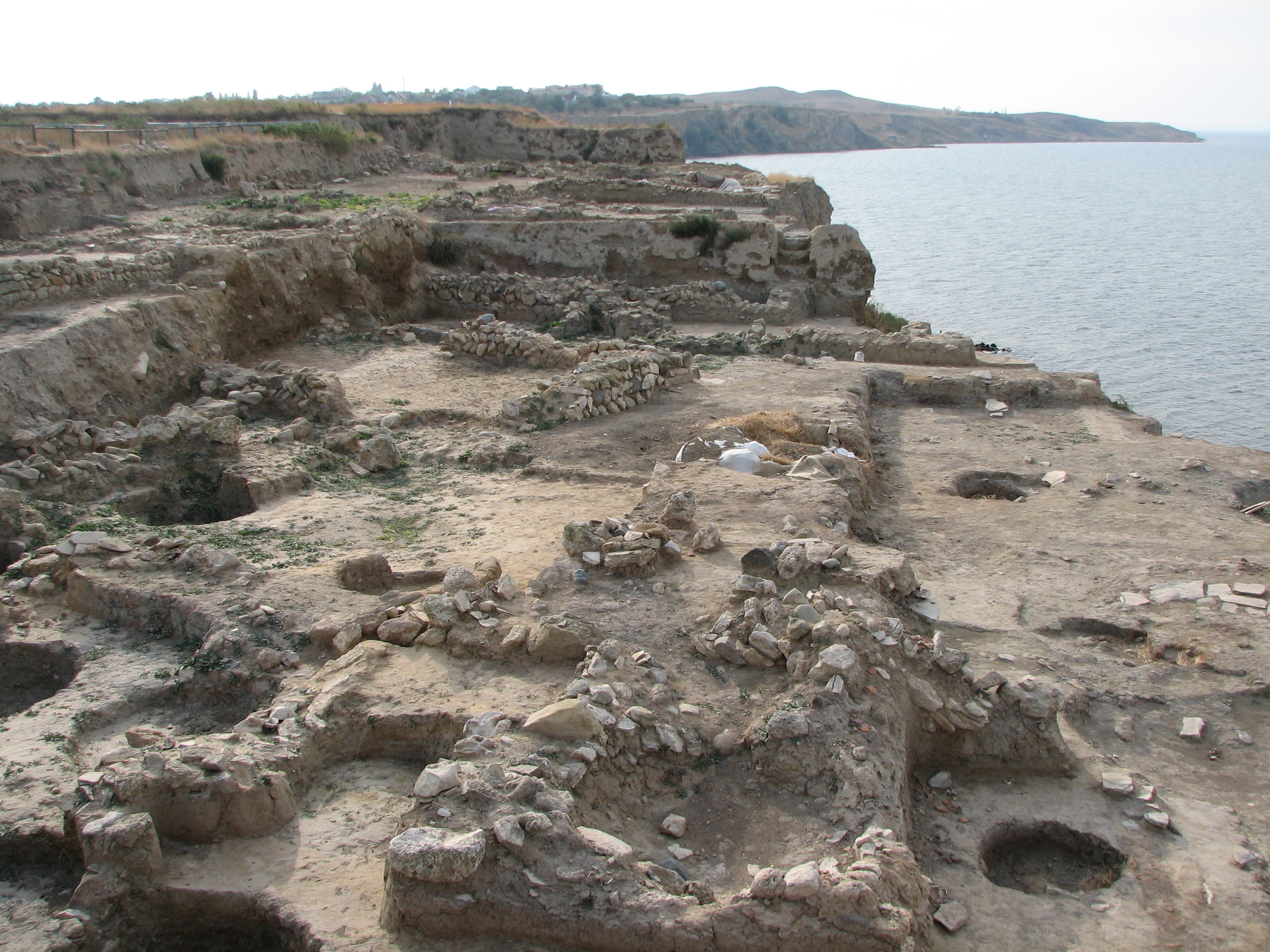
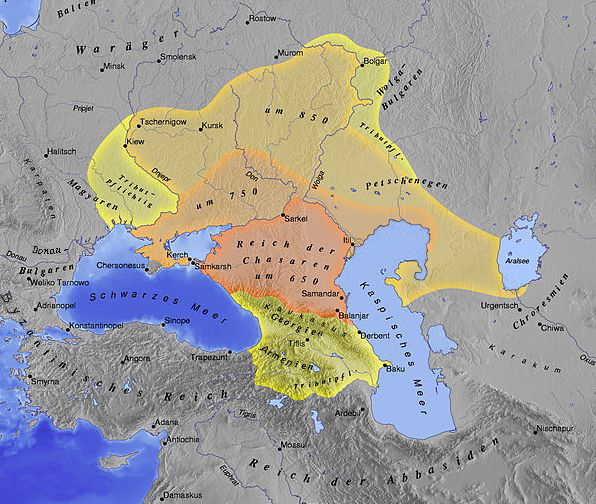
Tmutarakan, originally the Greek colony of Hermonassa, was a significant medieval trading town and a principality of Kievan Rus. Located strategically on the Taman Peninsula, it controlled trade routes between the Black Sea and the Sea of Azov. The site has a rich history spanning several periods, starting as a Greek colony in the mid-6th century BCE and later becoming a Khazar fortress in the 7th century CE. By the late 10th century, it came under Kievan Rus control, and its multi-ethnic populace, including Greeks, Armenians, and Jews, thrived on trade. Archaeological evidence points to extensive construction over various periods, with notable structures like fortresses and a church built by Byzantine craftsmen. Its decline began in the 14th century, and the site was later rediscovered in the 18th century.
Gallery
Explore photographs of ancient structures, artifacts, and archaeological excavations
Historical Timeline
Journey through time and discover key events in this site's history
Greek colony Hermonassa founded
mid 6th century BCE
Khazar fortress Tamatarkha built
7th century CE
Tmutarakan under Kievan Rus control
late 10th century CE
Gleb's rule and Rostislav's expulsion
1066 CE
Last recorded mention
1378 CE
Archaeological Features
Unique architectural and cultural elements found at this historical site
Defensive Structures
Water Management Features
Religious and Ritual Structures
Domestic and Habitation Structures
Plan Your Visit
Tours, travel arrangements, and practical information
More Sites in Russia
Tanais
Ancient Greek city in Don River delta
Veliky Novgorod
Historic city with medieval structures and artifacts.
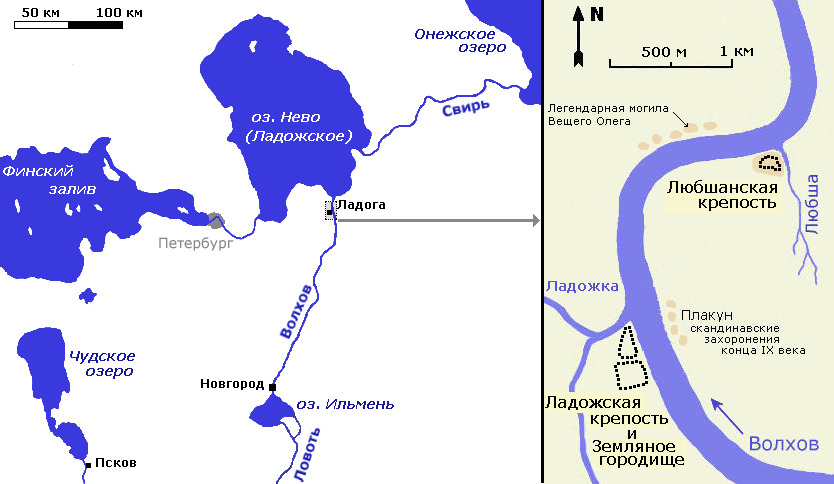
Lyubsha
Early Slavic fortification predating Staraya Ladoga.
Timerevo
Unfortified Scandinavian trade outpost near Volga.
Mayatskoye
Khazar hill fort with burial ground
Semikarakorsk Fortress
Early medieval Khazar fortress on island hill.