Explore the Map
Dzata ruins
-22.8667° N, 30.1500° E
About
The Dzata Ruins, located in Dzanani within the Makhado municipality of South Africa's Vhembe district, represent an important archaeological site featuring a stone-walled settlement. Built of dark-blue stone, this site is notable for its defensive walls and was once the capital of a united Venda kingdom. Radiocarbon dating suggests that the construction of Dzata began shortly after 1700 CE and was abandoned around 1750 CE. It holds significant historical importance as the only known settlement made of dark-blue stone, which aligns with descriptions from 18th-century Dutch records and oral history. The site reflects the socio-political and economic dynamics of the Venda people, including the expansion of their empire under the legendary Thohoyandou, suggesting an era of trade and cultural development in the region.
Historical Timeline
Journey through time and discover key events in this site's history
Dzata Settlement Built
1700 CE
Dzata Abandoned
1750 CE
Archaeological Features
Unique architectural and cultural elements found at this historical site
Defensive Structures
Domestic and Habitation Structures
Frequently Asked Questions
Plan Your Visit
Tours, travel arrangements, and practical information
More Sites in South Africa
Bokoni
Stone-walled agro-pastoral society in South Africa.
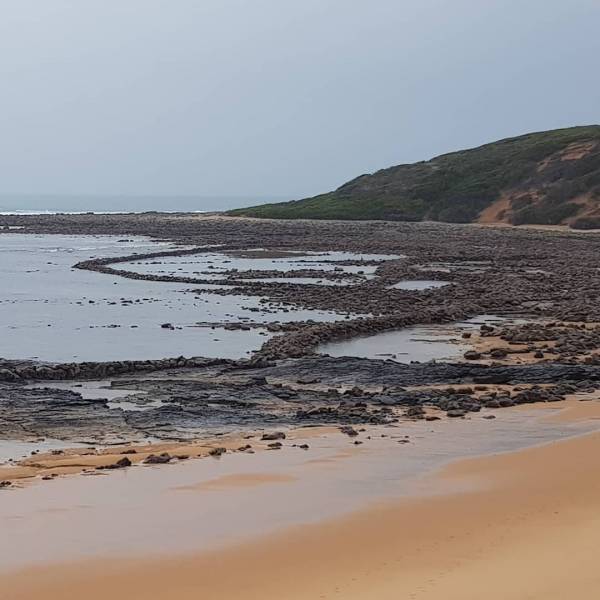
Stilbaai Tidal Fish Traps
Ancient intertidal stonewall fish traps

Tlokwe Ruins
Remains of Sotho-Tswana settlements in Gauteng

Border Cave
Rock shelter with long prehistoric sequence.
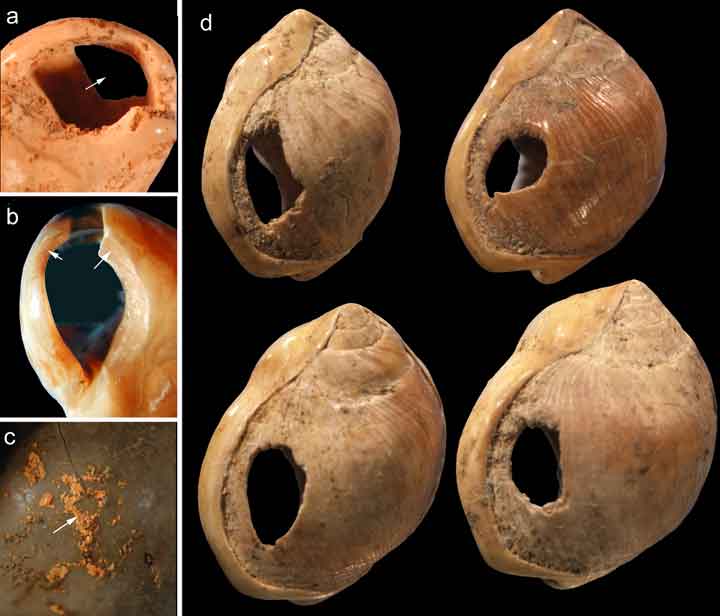
Blombos Cave
Stone Age cave with symbolic artifacts
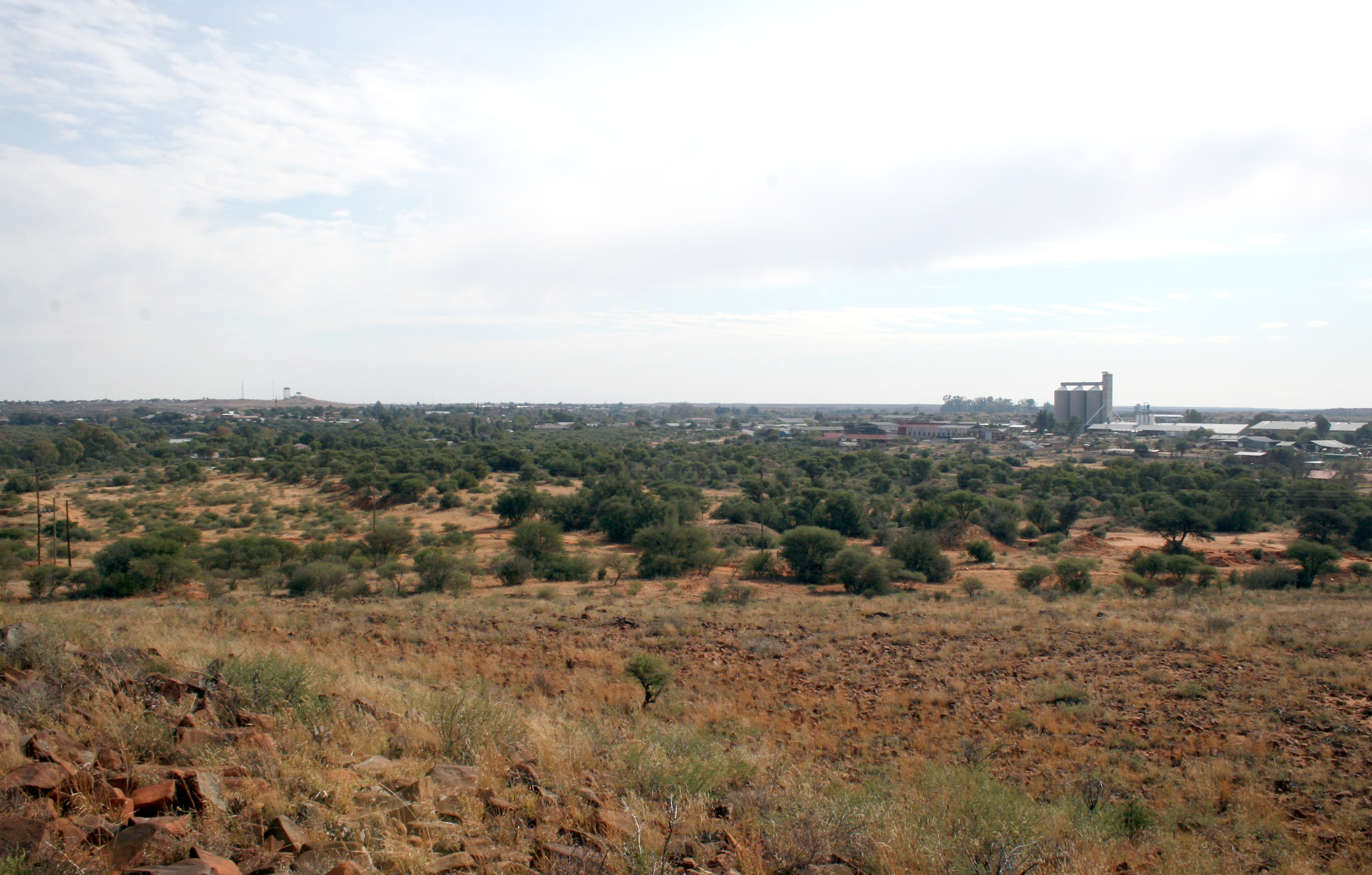
Canteen Kopje
Rich Stone Age archaeological sequence in South Africa