
Explore the Map
Atapuerca Mountains
42.3667° N, -3.5222° E
About
The Atapuerca Mountains (Spanish: Sierra de Atapuerca) is a karstic hill formation near the village of Atapuerca in the province of Burgos (autonomous community of Castile and Leon), northern Spain. In a still ongoing excavation campaign, rich fossil deposits and stone tool assemblages have been discovered which are attributed to the earliest known hominin residents in Western Europe. This "exceptional reserve of data" has been deposited during extensive Lower Paleolithic presence, as the Atapuerca Mountains served as the preferred occupation site of Homo erectus, Homo antecessor, Homo heidelbergensis and Homo neanderthalensis communities. The earliest specimen so far unearthed and reliably dated confirm an age between 1.2 million and 630,000 years. The Archaeological site of Atapuerca is a World Heritage Site. Some finds are exhibited in the nearby Museum of Human Evolution, in Burgos.
Historical Timeline
Journey through time and discover key events in this site's history
Battle of Atapuerca
1054
UNESCO inscription
2000
Dolinasorex identified
2008
Earliest hominin specimens dated
between 1.2 million and 630,000 years ago
Archaeological Features
Unique architectural and cultural elements found at this historical site
Military Installations
Domestic and Habitation Structures
Environmental and Natural Features
Transportation and Communication Structures
Frequently Asked Questions
Plan Your Visit
Tours, travel arrangements, and practical information
More Sites in Spain
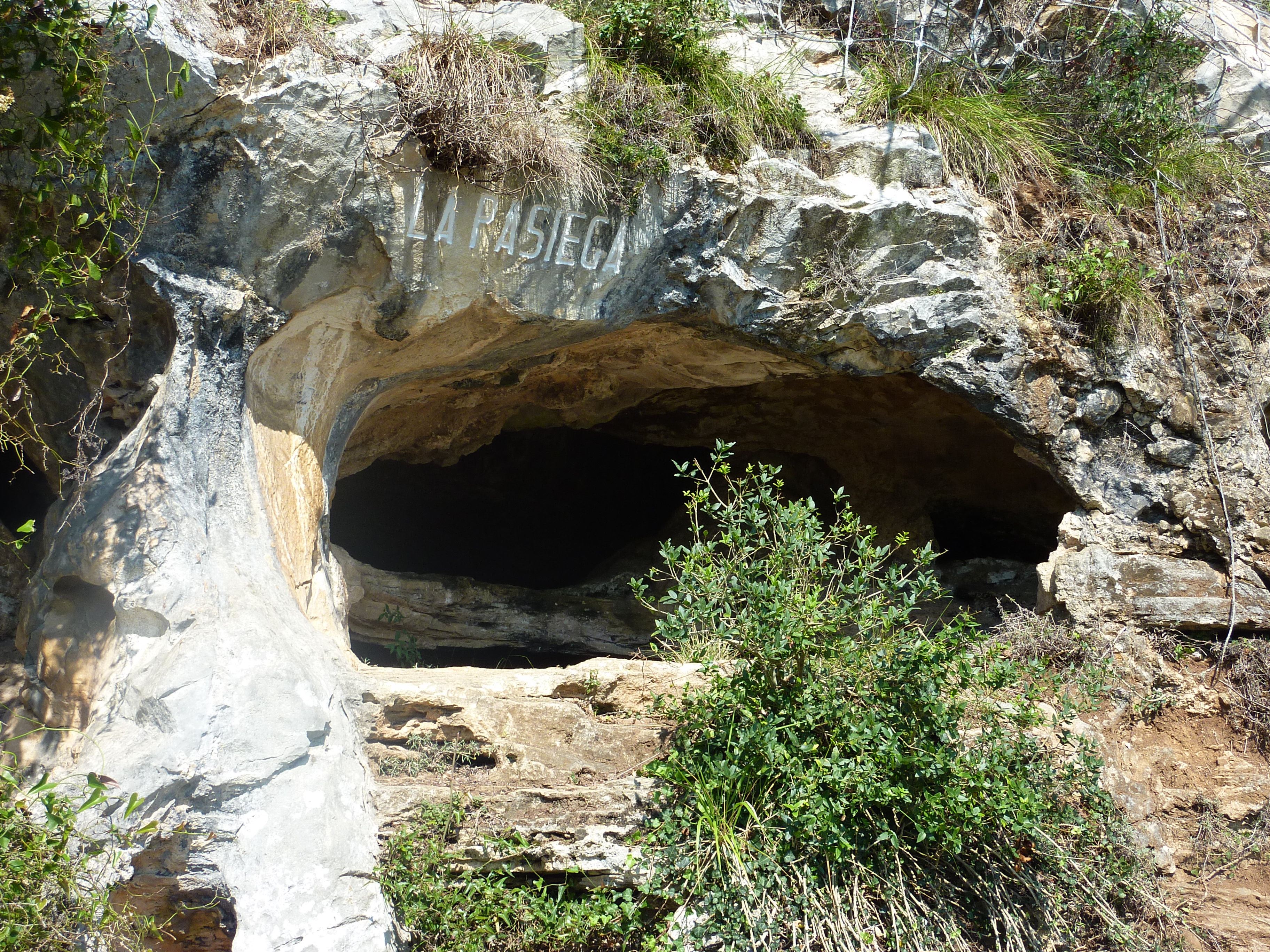
Cave of La Pasiega
Complex cave with Paleolithic rock art.
Cave of Chufín
Paleolithic cave art in Cantabria, Spain
Tito Bustillo Cave
The Tito Bustillo Cave is a prehistoric rock shelter located in the small town of Ribadesella, in the autonomous community of Asturias, Spain.
Calatrava la Vieja
Medieval fortress and town in Castile‑La Mancha, Spain
Caves of Nerja
The Caves of Nerja (Spanish: Cueva de Nerja) are a series of caverns close to the town of Nerja in the Province of Málaga, Spain.
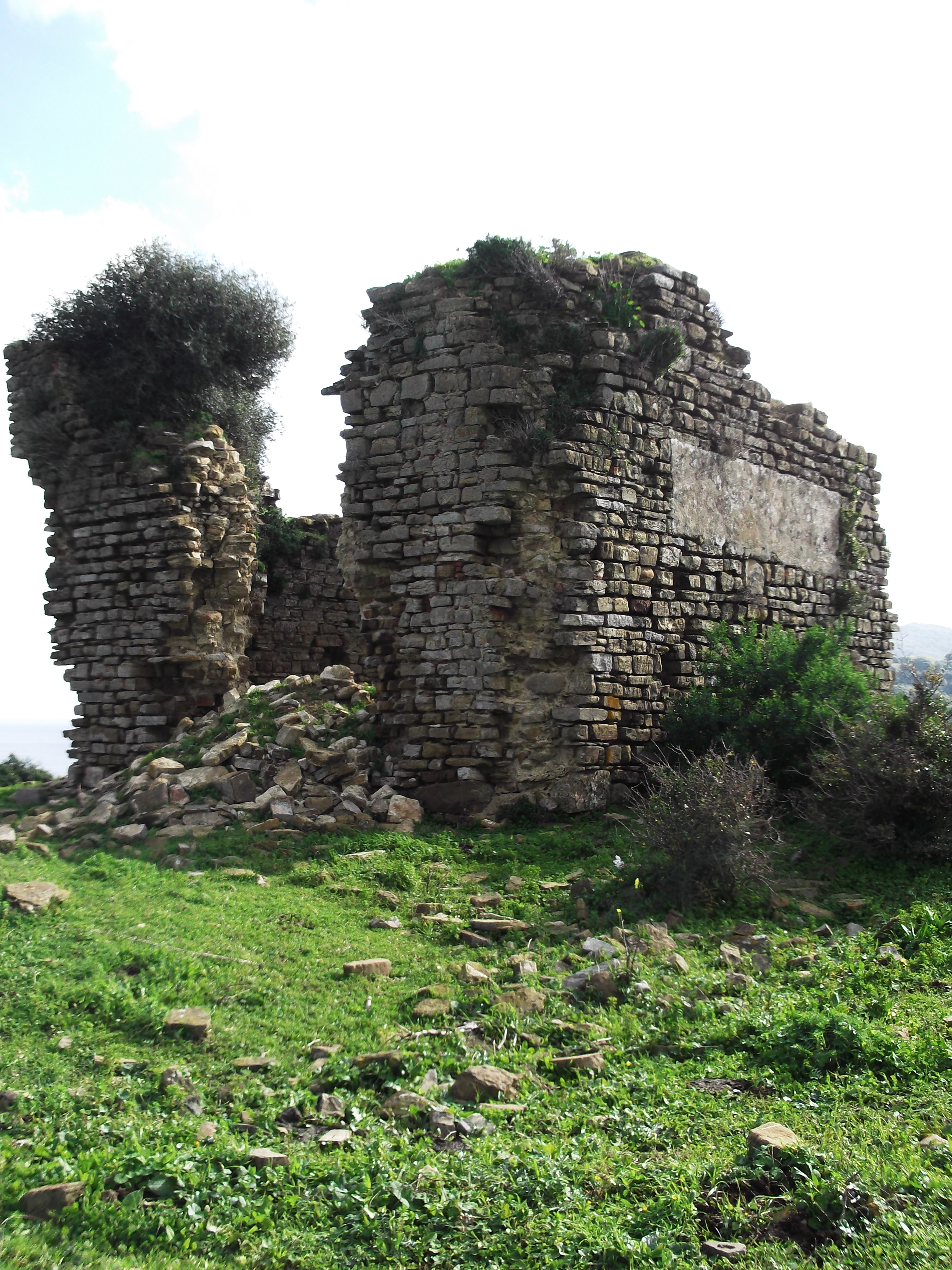
Torre del Arroyo del Lobo
Ruined medieval defensive tower in Spain