Explore the Map
Na Nova
39.3204° N, 3.1240° E
About
Na Nova (known also by other names, Son Amer and Talaia d'en Cama) is a Spanish Iron Age Talaiotic settlement located on the island of Mallorca, near the resort of Cala Llombards. Although its entirety is highly altered, it has been designated a Bien de Interés Cultural. Its most characteristic structure is the talaiot, a tower-shaped megalithic structure which is in good conditions. The talaiot's diameter is 12 metres (39 ft) on the outside and 6 metres (20 ft) on the inside. It is more than 2 metres (6 ft 7 in) high and it preserves five courses of huge stones in its best preserved parts. The inside is full of rubblestones, but the polylithic column still stands, as does the entrance with its stone lintel. The rest of the structures are partially razed and covered with more rubble, and have not been satisfactorily identified. The site was densely and totally covered with bushes and trees until its first cleaning in 2016 and 2017. Then the structures became visible, and the first excavation began, which consisted mainly in removing the rubble to leave structures visible. After the 2020 campaign, the north face was totally uncovered and the south one partially revealed; its eastern face supports an ancient wall, while its western face supports a modern one (19th century).
Historical Timeline
Journey through time and discover key events in this site's history
Vegetation clearance and first excavation
2016-2017
2020 excavation campaign
2020
Archaeological Features
Unique architectural and cultural elements found at this historical site
Defensive Structures
Domestic and Habitation Structures
Frequently Asked Questions
Plan Your Visit
Tours, travel arrangements, and practical information

More Sites in Spain
Castulo
Iberian town and Roman-era settlement in Andalusia, Spain
Castro de Borneiro
Iron Age castro in Galicia, Spain
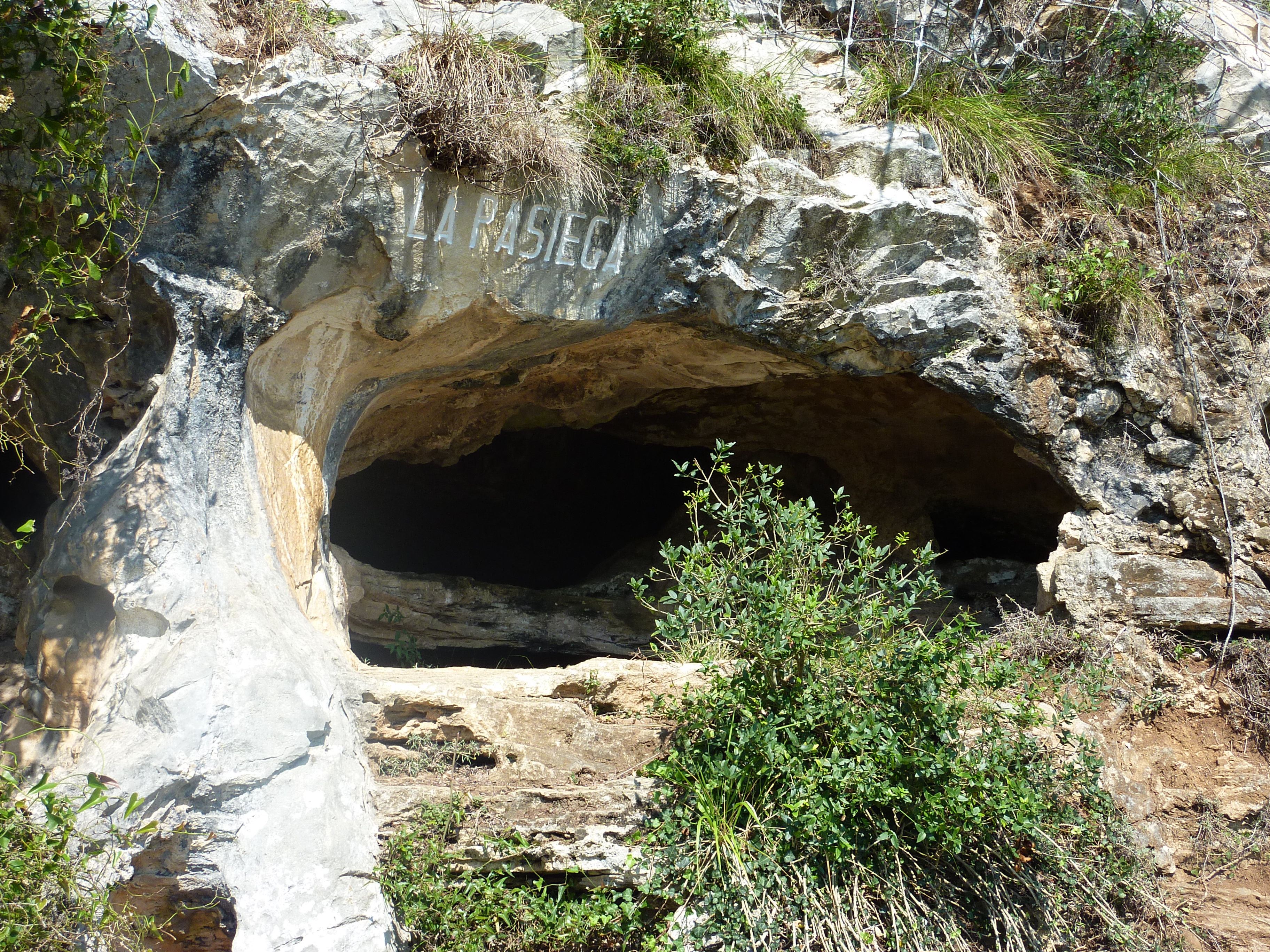
Cave of La Pasiega
Complex cave with Paleolithic rock art.
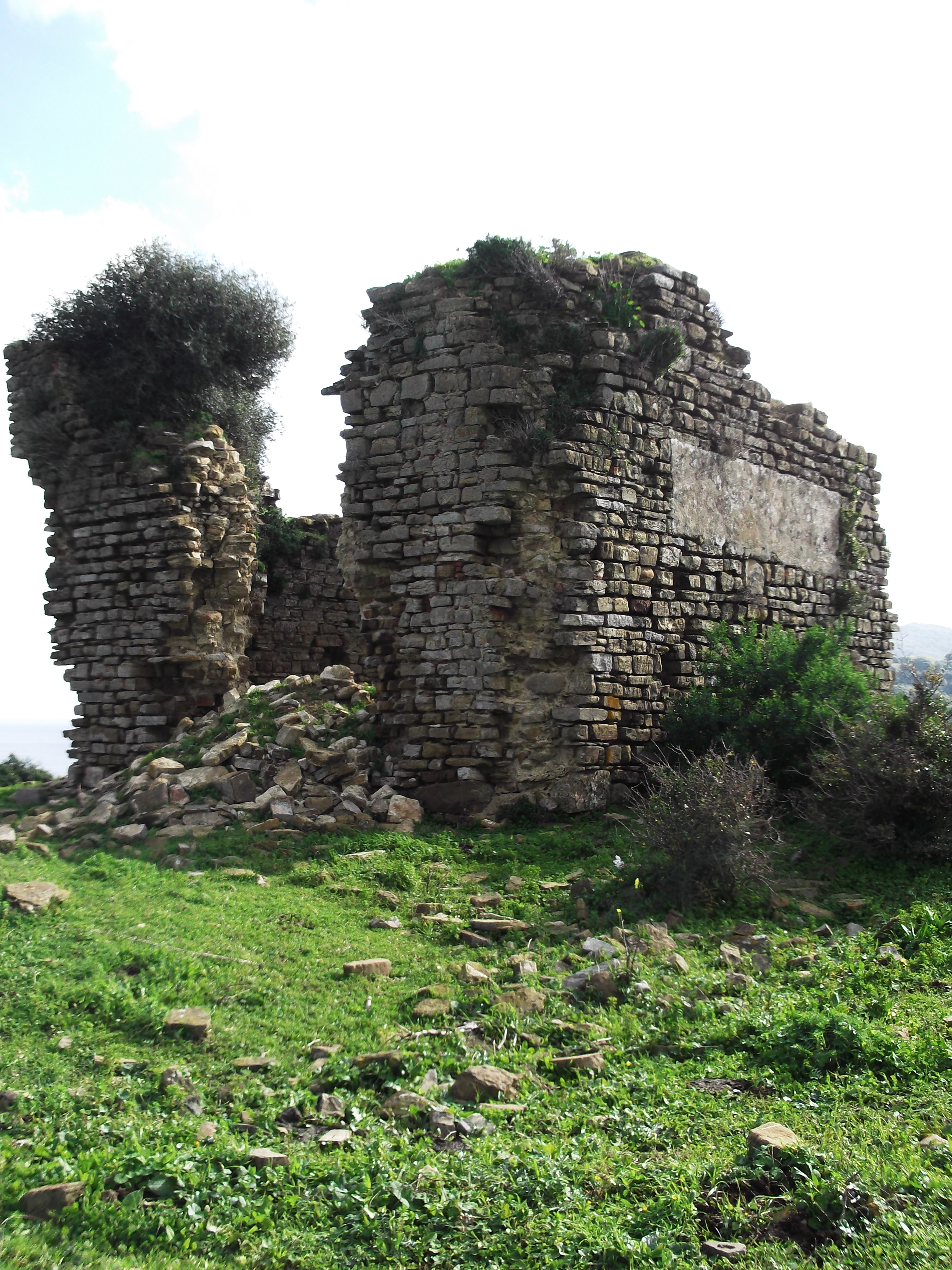
Torre del Arroyo del Lobo
Ruined medieval defensive tower in Spain
Calatrava la Vieja
Medieval fortress and town in Castile‑La Mancha, Spain
Las Capellanías
Prehistoric funerary complex in Huelva, Spain